Industrial Motor Automation Guide: Integrating PLC Control | Smart Motor Sequencing Panels Kenya
Transform manual motor starters into smart automated systems using PLC control. Learn industrial motor automation design, wiring, and sequencing for Kenyan factories with IEC-compliant engineering solutions.
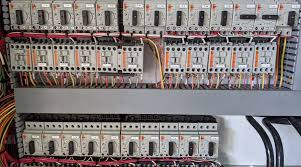
Industrial motor systems are the backbone of manufacturing plants, water treatment facilities, agro-processing lines, and commercial HVAC systems in Kenya. However, many facilities still rely on manual starters, outdated relay logic, and inconsistent switching methods that reduce efficiency and increase downtime.
This guide explains how PLC-based motor automation transforms traditional motor control systems into intelligent, scalable, and energy-efficient industrial solutions aligned with IEC standards and Kenyan grid realities.
Related Products

Motor Control
Reliable motor control panels for industrial and commercial use, providing customised solutions for safe and efficient motor operation.
View Product
PLC Automation Panels
Advanced PLC automation panels for intelligent control of industrial processes, tailored to your operational requirements.
View Product
Starter Panels
Motor starter panels for safe starting and stopping of industrial motors with overload and short circuit protection.
View Product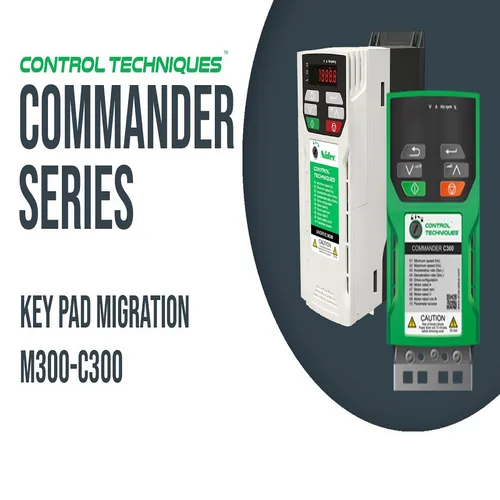
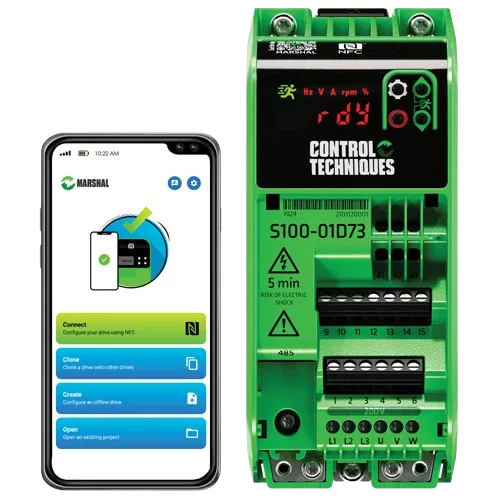
Commander C
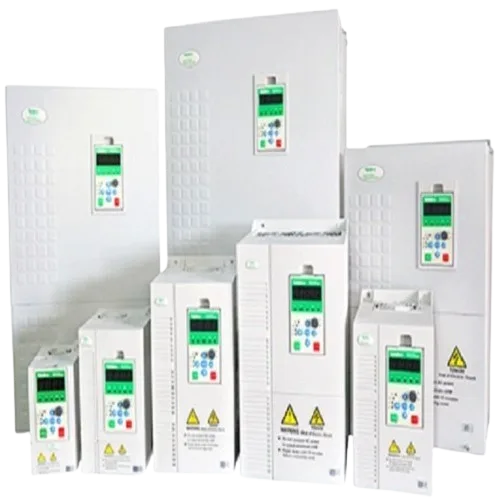
Commander C VFD Drives from Paneltech Systems provide advanced motor control for industrial and commercial applications. Enhance efficiency and reliability.
View ProductUnderstanding Industrial Motor Automation Systems
Industrial motor automation replaces manual switching with programmable logic controllers (PLCs) that manage motor operation sequences, safety interlocks, and load optimization. This enables higher efficiency, reduced human error, and scalable industrial control architecture.
Modern automation systems integrate motor starters, sensors, overload protection, and PLC logic into a centralized control structure. In Kenya, this is especially important due to KPLC voltage fluctuations, where automated systems respond faster than manual intervention.
Industrial users can explore structured control systems through the Paneltech engineering ecosystem via products and learn foundational concepts from knowledge-site
Role of PLCs in Motor Control Logic
PLCs act as the decision-making core of motor automation systems, executing programmed logic to start, stop, protect, and sequence motors. They replace traditional relay logic with flexible, programmable, and scalable industrial control.
A PLC continuously monitors input signals such as:
- Start/stop push buttons
- Pressure sensors
- Temperature switches
- Current transformers (CTs)
- Safety interlocks
Based on programmed logic, it activates outputs that control contactors, VFDs, or soft starters.
PLC Motor Control Logic in Kenya
In Kenyan industries such as Nairobi industrial zone factories and Mombasa ports, PLC systems help stabilize operations despite unstable grid conditions. Instead of manual resets after a voltage dip, PLCs automatically re-sequence motor startups to prevent inrush overload.
For advanced motor control systems:
Architecture of a Smart Motor Control Panel
Direct Answer: A smart motor control panel integrates PLCs, protection devices, and switching components into a single structured enclosure for centralized motor management. This ensures safety, coordination, and automation of multiple motors in industrial environments.
A typical PLC-based motor control panel includes:
- Main incomer breaker
- PLC CPU module
- Digital input/output modules
- Motor contactors
- Overload relays
- VFD drives (optional)
- Terminal blocks
- Control power supply (24V DC)
Kenyan Industrial Design Considerations
In Kenya, panel design must consider:
- Voltage instability from KPLC supply fluctuations
- High humidity in coastal regions like Mombasa
- Dust-heavy environments in Rift Valley and manufacturing zones
This is why IP-rated enclosures (IP54–IP65) are critical depending on the environment.
Learn more about Paneltech engineering capabilities:
home-main
about
PLC Wiring and Motor Starter Integration
PLC wiring connects digital outputs to motor contactors and inputs from field sensors to create a closed-loop automation system. Proper wiring ensures safe motor switching, fault isolation, and reliable automation performance.
Typical Wiring Flow:
- PLC output energizes relay coil
- Relay activates contactor
- Contactor supplies motor power
- Sensors feed feedback to PLC input modules
Common Integration Methods:
- Direct online (DOL) control via PLC
- Star-delta automation sequences
- VFD-based speed control integration
- Multi-motor sequencing logic
For industrial-grade systems:
low-voltage-panels
Incorrect wiring or poor grounding can lead to PLC faults, nuisance tripping, or motor burnout—common issues in poorly designed systems across small workshops in Kenya.
System Specifications for PLC Motor Control Panels
A properly designed PLC motor control system must meet IEC/BS EN standards, support industrial voltage levels, and include protection against overload, short circuits, and environmental stress. These specifications ensure safe, durable, and compliant operation in Kenyan industrial environments.
System Specifications Table
| Parameter | Specification |
|---|---|
| Rated Voltage | 415V AC (3-phase), 230V AC control |
| Frequency | 50Hz |
| Control Voltage | 24V DC / 110V AC optional |
| PLC Standard | IEC 61131-3 compliant |
| Enclosure Rating | IP54–IP65 (environment dependent) |
| Material | Powder-coated steel / stainless steel |
| Protection | MCB/MCCB, overload relays, surge protection |
| Communication | Modbus RTU / Ethernet (optional) |
| Mounting Type | Wall-mounted / floor-standing |
| Compliance | IEC 61439, EPRA Kenya guidelines |
These specifications align with industrial requirements in Kenya and ensure compatibility with systems supplied via Paneltech engineering solutions.
Smart Motor Sequencing in Industrial Applications
Smart motor sequencing allows multiple motors to start, stop, and operate in a controlled order based on logic conditions programmed into the PLC. This prevents power surges, mechanical stress, and process inefficiencies in industrial operations.
Applications in Kenya:
- Water pumping stations (Nyeri, Nakuru counties)
- Agro-processing factories
- Cement and quarry industries
- HVAC systems in commercial buildings in Nairobi
Sequencing Logic Examples:
- Motor 1 starts → stabilizes → Motor 2 starts
- If overload detected → system pauses sequence
- Time-delay relays replaced by PLC timers
This improves energy stability in regions affected by weak grid conditions or generator switching delays.
Explore automation-ready systems:
multispan-products
VFD Integration in Motor Automation Systems
Variable Frequency Drives (VFDs) regulate motor speed by adjusting frequency and voltage, allowing smooth starting, energy savings, and process control. When integrated with PLCs, VFDs enable intelligent motor speed control based on real-time industrial demand.
Benefits of PLC + VFD Integration:
- Reduced energy consumption
- Soft motor starting (no inrush current spikes)
- Extended motor lifespan
- Precision process control
In Kenyan factories, VFDs are essential due to:
- High electricity tariffs
- Load instability
- Frequent mechanical wear in traditional DOL systems
Paneltech solutions include VFD-driven systems:
vfd-drives
Environmental Considerations in Kenya (Durability & Protection)
Motor automation systems in Kenya must be designed to withstand humidity, dust, and voltage instability, requiring robust enclosures and proper IP ratings. Environmental protection directly affects system lifespan and reliability in industrial applications.
Regional Environmental Challenges:
- Coastal humidity (Mombasa, Kilifi) → corrosion risk
- Dust-heavy zones (Rift Valley, industrial outskirts) → insulation degradation
- Urban power fluctuations (Nairobi) → control system instability
Engineering Response:
- IP65 enclosures for harsh environments
- Surge protection devices (SPDs)
- Proper grounding and earthing systems
- Climate-controlled electrical rooms for sensitive PLCs
These standards align with IEC best practices and EPRA compliance requirements in Kenya.
Compliance Standards: IEC and EPRA Requirements
Motor control systems must comply with IEC 61439, IEC 61131-3, and EPRA regulations to ensure safety, reliability, and legal conformity in Kenya. Compliance ensures systems meet both international engineering standards and national regulatory requirements.
Key compliance areas:
- Electrical safety and insulation coordination
- Short-circuit protection
- Proper labeling and documentation
- Energy efficiency compliance under EPRA guidelines
Paneltech Systems ensures adherence through engineering design and certified assembly processes.
Future of Motor Automation in Kenya
Direct Answer: The future of motor automation in Kenya is moving toward fully digital, IoT-enabled PLC systems with remote monitoring and predictive maintenance capabilities. This shift improves efficiency, reduces downtime, and supports smart industrial growth.
Emerging Trends:
- IoT-enabled PLC dashboards
- Remote SCADA monitoring systems
- AI-based predictive motor maintenance
- Energy optimization using smart APFC integration
Industries adopting these systems gain competitive advantages in production efficiency and energy management.
Conclusion
Industrial motor automation is no longer optional—it is a core requirement for modern industrial competitiveness in Kenya. PLC-based systems provide reliability, intelligence, and scalability that manual systems cannot match. When combined with VFDs, proper panel design, and environmental protection, they form a complete industrial control ecosystem.
Paneltech Systems Ltd continues to support this transition by delivering engineered electrical solutions tailored for Kenya’s industrial environment.
Contact Paneltech Systems Ltd
Powering Kenya's Future with Reliable Electrical Solutions
Email: [email protected]
Phone: 0799 531765
Location: Nairobi, Kenya
Website: https://paneltechsystems.co.ke/
Our Specialized Services:
Low Voltage (LV) Panels & APFC Panels
VFD Drive Solutions & ATS / MTS Systems
Solar Power & EV Charging Infrastructure
Electrical Supplies & Engineering Consultations