Industrial Solar Power Integration: Factory Grid and Generator Synchronization Systems
Industrial solar power integration connects solar PV systems with KPLC grid and diesel generators using synchronization panels. Learn hybrid factory energy design, load sharing, and smart switching systems in Kenya.

Industrial energy demand in Kenya is rising rapidly due to manufacturing expansion, agro-processing growth, and increased automation in factories. At the same time, electricity costs from the grid (KPLC) and fuel costs for diesel generators continue to fluctuate.
This has pushed industries toward hybrid power systems that combine:
Related Products

Solar AC DB Combiner
Solar AC distribution board combiners for safe integration of solar power generation into the main electrical grid.
View Product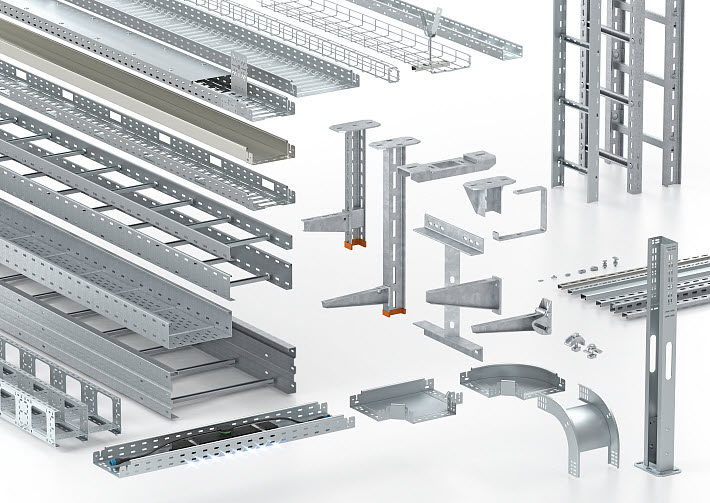
Cable Systems
Paneltech Systems offers comprehensive cable management systems for efficient, secure and organised cable setups across industrial and commercial environments.
View Product
ATS / MTS Kenya
ATS/MTS solutions from Paneltech Systems provide reliable Automatic and Manual Transfer Switches for seamless power transfer in industrial and commercial electrical systems.
View Product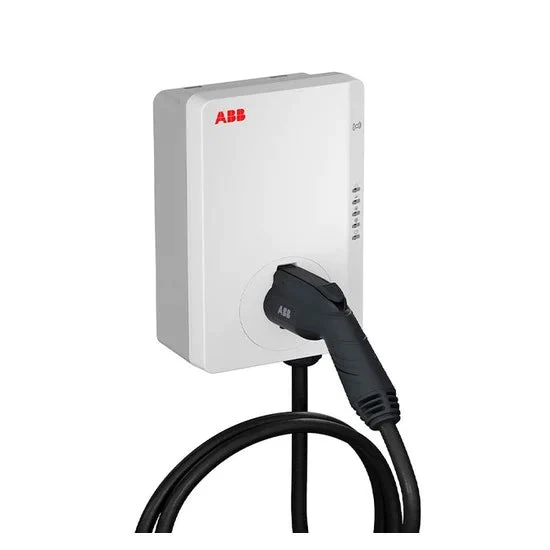
EV Chargers
ABB EV charging solutions for commercial and industrial premises, enabling reliable electric vehicle charging infrastructure.
View Product- Solar PV arrays
- Diesel generators
- Utility grid (KPLC supply)
However, integrating these sources is not as simple as connecting cables together. It requires intelligent synchronization, protection coordination, and engineered switching systems.
This guide explains how industrial solar integration works, focusing on synchronization panels, hybrid switching logic, and factory-grade energy management systems.
What Is Industrial Solar Power Integration?
Industrial solar power integration is the process of combining solar photovoltaic systems with existing factory power sources such as grid electricity and diesel generators using engineered synchronization and control systems.
It ensures seamless power switching, load sharing, and uninterrupted factory operations.
Instead of solar working as a standalone system, it becomes part of a multi-source energy ecosystem.
Why Hybrid Power Systems Are Essential for Factories
Hybrid solar systems are essential because industrial facilities require continuous power, and relying on a single energy source increases risk of downtime.
Hybrid integration ensures energy continuity even during grid failure or peak demand periods.
Key Drivers in Kenya:
- Unstable grid performance in industrial zones
- High diesel generator operating costs
- Increasing demand charges from utilities
- Need for uninterrupted production lines
Factories in Nairobi, Athi River, and Mombasa industrial zones are increasingly adopting hybrid systems to stabilize operations.
Explore industrial power solutions:
Paneltech Systems Main Page
Industrial Product Range
Core Architecture of a Hybrid Solar Factory System
A hybrid solar system integrates solar PV, grid power, and diesel generators through a centralized synchronization and distribution panel that manages load sharing and switching.
This ensures uninterrupted and optimized energy delivery to industrial loads.
System Architecture Diagram (Text-Based)
            [ SOLAR PV ARRAY ]
                     ↓
                 [ INVERTER ]
                     ↓
                     ├──────────────┐
                     ↓              ↓
          [ SYNCHRONIZATION PANEL / HYBRID CONTROLLER ]
                     ↓
      ┌──────────────┼──────────────┐
      ↓              ↓              ↓
 [ GRID (KPLC) ] [ DIESEL GEN ] [ FACTORY LOADS ]
This architecture ensures all power sources are coordinated instead of competing.
What Is a Solar Generator Synchronization Panel?
A solar generator synchronization panel is an intelligent electrical control system that coordinates solar inverters, diesel generators, and grid power to ensure stable voltage, frequency, and load sharing.
It prevents power conflicts and ensures smooth transitions between energy sources.
Key Functions:
- Automatic source switching (ATS logic)
- Load sharing between solar and generator
- Grid synchronization (phase matching)
- Frequency and voltage regulation
- Protection against backfeeding
Learn more about integration-ready systems:
Low Voltage Panel Systems
Motor Control & Power Panels
How Factory Synchronization Works
Factory synchronization ensures that solar, grid, and generator power sources operate at matching voltage, frequency, and phase before being connected to the same busbar.
This prevents equipment damage and ensures safe load transfer.
Synchronization Parameters:
- Voltage matching (±5%)
- Frequency matching (50Hz standard in Kenya)
- Phase sequence alignment
- Load sharing balance
If these conditions are not met, the system isolates the source automatically.
Role of Smart Control Panels in Energy Integration
Smart control panels act as the brain of hybrid energy systems, managing switching decisions, monitoring electrical parameters, and protecting equipment from unstable conditions.
They ensure automation, safety, and optimized energy distribution.
Components Inside a Synchronization Panel:
- PLC controller
- Automatic Transfer Switch (ATS)
- Synchronization relay modules
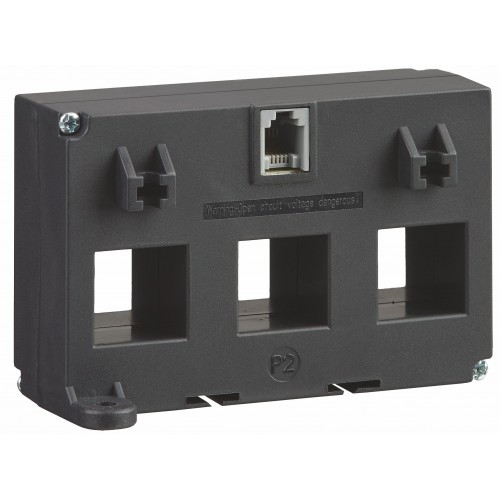
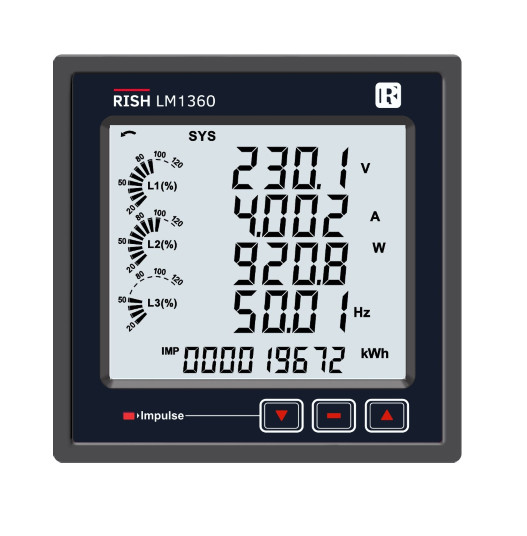
- Energy meters
- Protection relays (over/under voltage, frequency)
- Communication interface (Modbus/SCADA)
Explore technical resources:
Knowledge Site Engineering Guides
About Paneltech Engineering
Solar + Generator Load Sharing Strategy
Load sharing ensures that solar systems and diesel generators supply power simultaneously based on demand and availability, reducing fuel consumption and optimizing energy efficiency.
It prevents overloading and improves system economics.
Load Sharing Modes:
- Solar priority mode
- Generator backup mode
- Grid-tied hybrid mode
- Peak shaving mode
Example in Kenya:
During daytime:
- Solar supplies 60–80% of factory load
- Generator remains on standby or low load
At night or cloudy conditions:
- Generator or grid takes over automatically
Integration with KPLC Grid Systems
Industrial solar systems integrate with KPLC supply through grid-tied synchronization panels that ensure safe export, import, and isolation of electrical power.
This allows factories to use solar while remaining connected to the national grid.
Key Functions:
- Anti-islanding protection
- Grid synchronization
- Export limitation control
- Automatic reconnection after outages
This is critical in Kenyan industrial zones where grid reliability varies.
Diesel Generator Synchronization with Solar Systems
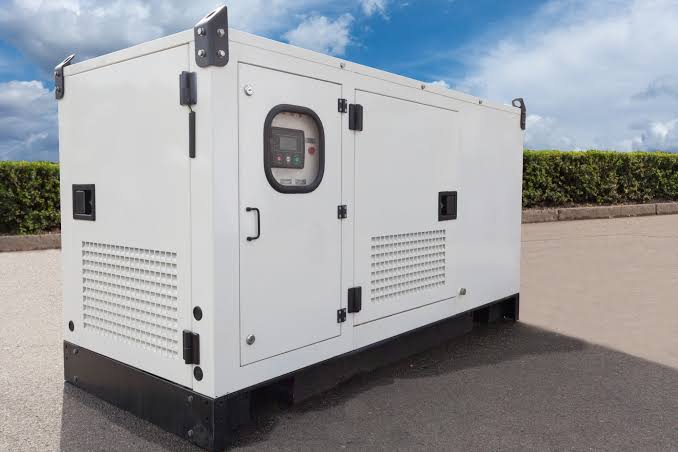
Diesel generators are synchronized with solar systems using automatic controllers that match electrical parameters before connecting both sources to the same load bus.
This ensures smooth transitions without power interruptions.
Benefits:
- Reduced generator fuel consumption
- Extended generator lifespan
- Reduced mechanical stress during startup
- Seamless power backup during solar dips
System Specifications for Industrial Hybrid Panels
Industrial hybrid solar panels are designed to manage multiple power sources safely using IEC-compliant switching and protection systems.
They ensure safe coordination between solar, grid, and generator inputs.
System Specifications Table
| Parameter | Specification |
|---|---|
| System Voltage | 415V / 400V AC |
| Frequency | 50Hz |
| Sources | Solar + Grid + Generator |
| Control System | PLC-based automation |
| Switching Type | ATS + Synchronization relay |
| Protection | Over/under voltage, frequency, phase failure |
| Communication | SCADA / Modbus TCP |
| Enclosure Rating | IP54–IP65 |
| Standards | IEC 61439, IEC 62109 |
| Application | Industrial factories, plants, warehouses |
Kenya-Specific Engineering Considerations
Industrial solar integration in Kenya must account for grid instability, generator reliability, and environmental conditions such as heat, dust, and humidity.
Proper engineering ensures long-term system stability and ROI.
Key Challenges:
- Voltage fluctuations from KPLC grid
- Generator load instability in rural factories
- High dust levels in industrial zones
- Coastal corrosion in Mombasa installations
Engineering Solutions:
- Surge protection on all power sources
- Proper earthing and grounding systems
- IP-rated enclosures (IP65 recommended)
- Load prioritization programming in PLCs
Energy Efficiency and Cost Savings
Industrial solar integration reduces electricity and fuel costs by prioritizing solar energy and minimizing diesel generator usage.
This significantly improves operational profitability for factories.
Benefits:
- Reduced diesel consumption
- Lower peak electricity charges
- Improved energy independence
- Reduced carbon emissions
Future of Industrial Hybrid Energy Systems
The future of industrial energy systems lies in fully automated smart grids that integrate solar, generators, and utility power using AI-driven energy management systems.
These systems will automatically optimize cost, efficiency, and reliability in real time.
Emerging Trends:
- AI-based load forecasting
- IoT-enabled energy dashboards
- Cloud-based energy optimization
- Fully autonomous hybrid microgrids
Kenya’s industrial sector is gradually moving toward smart energy ecosystems.
Conclusion
Industrial solar power integration is no longer optional—it is a strategic necessity for factories aiming to reduce costs and improve energy reliability. By combining solar, generator, and grid power through intelligent synchronization systems, industries can achieve uninterrupted operations and long-term cost savings.
Proper engineering design ensures safety, efficiency, and compliance with IEC standards while maximizing solar ROI in Kenya’s industrial environment.
Contact Paneltech Systems Ltd
Powering Kenya's Future with Reliable Electrical Solutions
Email: [email protected]
Phone: 0799 531765
Location: Nairobi, Kenya
Website: https://paneltechsystems.co.ke/
Our Specialized Services:
Low Voltage (LV) Panels & APFC Panels
VFD Drive Solutions & ATS / MTS Systems
Solar Power & EV Charging Infrastructure
Electrical Supplies & Engineering Consultations