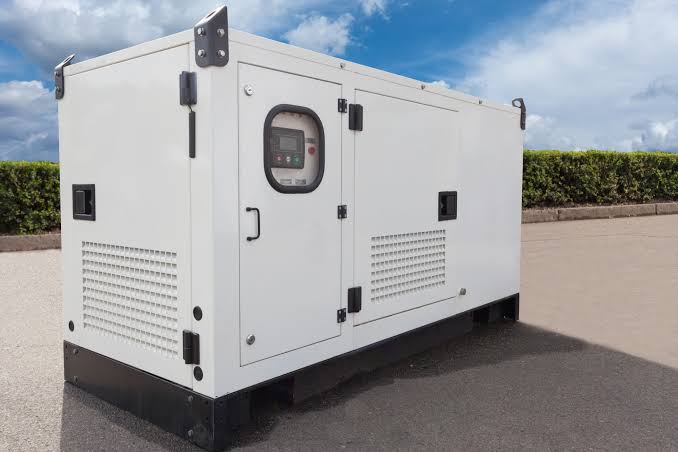
IP Rating for Electrical Panels Kenya: 2026 Engineering Guide and Specs | Paneltech Systems Kenya
Looking for the right IP rating for electrical panels Kenya projects require? Learn when to use IP42, IP54, IP55, IP65, and IP66 for dusty factories, coastal installations, and outdoor switchboards. Get an engineered enclosure from Paneltech Systems Ltd.
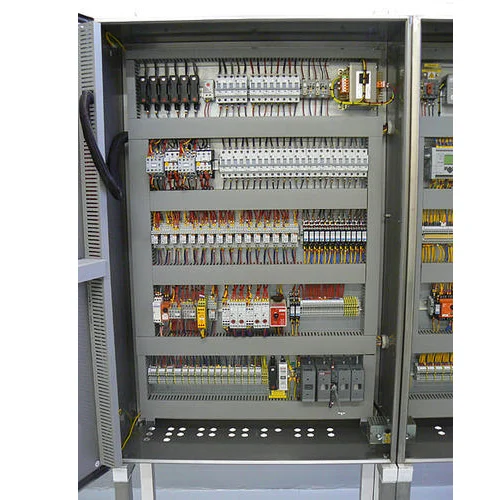
Selecting the correct enclosure is just as important as choosing the right circuit breakers, busbars, or protective relays. A well-designed electrical panel can still fail prematurely if its enclosure cannot protect internal components from dust, moisture, humidity, or corrosive environments.
Understanding the appropriate IP rating for electrical panels Kenya projects require helps ensure reliable operation, lower maintenance costs, and longer equipment life. An enclosure suitable for an office building in Nairobi may fail quickly if installed in a coastal processing plant in Mombasa, while an outdoor panel in Turkana faces very different challenges from one installed in the Central Highlands.
Related Products

ATS / MTS Kenya
ATS/MTS solutions from Paneltech Systems provide reliable Automatic and Manual Transfer Switches for seamless power transfer in industrial and commercial electrical systems.
View Product
Protection Panels
Robust protection panels safeguarding electrical systems and equipment from faults, overloads and short circuits.
View Product
Cable Systems
Paneltech Systems offers comprehensive cable management systems for efficient, secure and organised cable setups across industrial and commercial environments.
View Product
Commander C
Commander C VFD Drives from Paneltech Systems provide advanced motor control for industrial and commercial applications. Enhance efficiency and reliability.
View ProductIngress Protection (IP) ratings are defined by international standards and indicate how effectively an enclosure prevents the entry of solid objects and water. Selecting the correct rating improves equipment reliability, protects personnel, and reduces costly downtime.
In Kenya, enclosure selection should consider:
- Dust in Athi River, Naivasha, and the Rift Valley
- Salt-laden air in Mombasa, Kilifi, and Diani
- Heavy rainfall in the Highlands
- High temperatures in northern counties
- Outdoor solar and EV charging installations
- Industrial wash-down environments
At Paneltech Systems Ltd, we design and manufacture low-voltage switchboards, Motor Control Centres (MCCs), APFC panels, VFD control panels, ATS systems, energy monitoring panels, and custom electrical enclosures engineered for Kenya's diverse environmental conditions. Learn more about our engineering expertise at about, explore our electrical products at products, or contact our engineering team through contact.
An IP (Ingress Protection) rating is an internationally recognised classification that indicates how well an electrical enclosure protects internal equipment from solid particles such as dust and from water ingress. The higher the rating, the greater the protection provided against environmental hazards.
An IP rating contains two digits:
- First digit: Protection against solid objects and dust.
- Second digit: Protection against water.
For example:
- IP42
- IP54
- IP55
- IP65
- IP66
Each rating is selected according to the operating environment.
Kenya's varied climate means electrical panels experience very different environmental conditions depending on where they are installed. Selecting the correct IP rating improves safety, reliability, and equipment lifespan while reducing maintenance requirements.
Typical installation environments include:
- Commercial buildings
- Manufacturing plants
- Water treatment facilities
- Hospitals
- Solar farms
- Food processing plants
- Coastal infrastructure
Environmental protection should always be considered during panel design.
Indoor switchboards installed in clean electrical rooms may only require IP42 or IP54 protection, while outdoor, dusty, or coastal installations generally require IP65 or higher. The correct IP rating depends on dust exposure, water exposure, cleaning methods, and local environmental conditions rather than a single standard rating for every project.
General guidance includes:
- IP42 for protected indoor locations
- IP54 for standard industrial environments
- IP55 for light outdoor exposure
- IP65 for dusty or coastal installations
- IP66 for severe outdoor environments
Electrical enclosure selection should match the installation environment, maintenance requirements, and project specifications.
| Specification | Typical Requirement |
|---|---|
| Indoor Office Panels | IP42 |
| Commercial Electrical Rooms | IP54 |
| Industrial Manufacturing | IP54 / IP55 |
| Dusty Factories | IP65 |
| Outdoor Installations | IP65 / IP66 |
| Coastal Locations | IP65 |
| Wash-Down Areas | IP66 |
| Enclosure Material | Powder-Coated Steel / Stainless Steel |
| Standard | IEC 60529 |
| Panel Standard | IEC 61439 |
IP42 enclosures provide protection against solid objects larger than 1 mm and vertically dripping water when the enclosure is tilted slightly. They are intended for clean indoor environments with minimal exposure to dust and moisture.
Typical applications include:
- Office buildings
- Electrical cupboards
- Protected switch rooms
- Commercial buildings
IP42 is generally unsuitable for outdoor or industrial environments.
IP54 provides protection against limited dust ingress and water splashes, making it suitable for many commercial and industrial indoor applications.
Recommended for:
- Manufacturing facilities
- Warehouse electrical rooms
- Shopping centres
- Schools
- Hospitals
IP54 is one of the most commonly specified enclosure ratings for indoor industrial switchboards.
IP65 enclosures provide complete protection against dust ingress and protection against water jets, making them well suited to outdoor installations and coastal environments where humidity and airborne salt accelerate equipment deterioration.
Applications include:
- Mombasa
- Kilifi
- Malindi
- Diani
- Lamu
- Outdoor substations
- Solar installations
Additional corrosion-resistant finishes may also be recommended for coastal projects.
Industrial environments with cement dust, quarry operations, flour processing, or mining activities require higher levels of enclosure protection to prevent contamination of sensitive electrical equipment.
Industries commonly requiring IP65 include:
- Cement manufacturing
- Mining
- Quarry operations
- Food processing
- Grain handling
- Steel fabrication
Dust entering electrical panels can reduce insulation performance and increase maintenance requirements.
Outdoor electrical panels should provide adequate protection against rainfall, cleaning operations, and accidental water exposure throughout their service life.
Typical outdoor applications include:
- Pump stations
- Solar farms
- EV charging infrastructure
- Utility installations
- Water treatment plants
Proper sealing helps maintain equipment reliability.
IP rating alone does not determine durability. Enclosure material also affects long-term performance, particularly in corrosive or demanding industrial environments.
Common options include:
Powder-Coated Mild Steel
Suitable for:
- Indoor installations
- General industrial use
Stainless Steel
Recommended for:
- Food processing
- Coastal environments
- Chemical industries
The correct material depends on both environmental and operational requirements.
Higher IP ratings improve protection against dust and water, but they also reduce natural airflow inside the enclosure. Panel designers must balance environmental protection with effective thermal management.
Cooling options include:
- Ventilation filters
- Heat exchangers
- Cooling fans
- Air conditioners
Proper thermal design prevents overheating while maintaining the required enclosure rating.
Solar PV systems, battery storage installations, and EV charging infrastructure often require outdoor enclosures capable of withstanding harsh environmental conditions.
Typical applications include:
- Solar combiner boxes
- Battery storage systems
- EV charger distribution boards
- Outdoor switchboards
Paneltech designs solar-ready electrical panels through #solar-ac-db-combiner.
Selecting the correct enclosure requires understanding local environmental risks rather than relying on a standard specification for every installation.
Nairobi
Typical requirements:
- IP42 or IP54
- Indoor commercial installations
- Office environments
Athi River and Rift Valley
Typical requirements:
- IP54 or IP65
- Heavy dust protection
- Industrial environments
Mombasa and Coastal Kenya
Typical requirements:
- IP65
- Corrosion-resistant finishes
- High humidity protection
Highlands
Typical requirements:
- Moisture resistance
- Rain protection
- Outdoor weather sealing
Matching the enclosure to the environment significantly improves equipment reliability.
Incorrect enclosure selection can lead to premature equipment failure, increased maintenance costs, and unnecessary replacement expenses.
Common mistakes include:
- Using IP42 outdoors
- Ignoring coastal corrosion
- Selecting excessive IP ratings without considering cooling
- Poor cable gland sealing
- Incorrect door gasket installation
- No allowance for future modifications
Professional engineering ensures the enclosure matches the installation environment.
Electrical enclosure selection should comply with recognised international standards governing ingress protection and low-voltage assemblies.
Relevant standards include:
- IEC 60529 – Degrees of Protection (IP Code)
- IEC 61439 – Low Voltage Switchgear Assemblies
- IEC 60947 – Low Voltage Switchgear and Controlgear
- IEC 60364 – Electrical Installations
- EPRA electrical requirements applicable in Kenya
Paneltech Systems Ltd designs electrical panels with enclosure ratings tailored to Kenya's environmental conditions, ensuring reliable operation in commercial, industrial, and infrastructure applications.
Our specialised services include:
- Low Voltage Switchboards
- Motor Control Centres (MCCs)
- APFC Panels
- VFD Control Panels
- ATS / MTS Systems
- Solar Distribution Panels
- Energy Monitoring Panels
- Outdoor Electrical Enclosures
- Electrical Engineering Consultation
- Custom Panel Manufacturing
Explore our engineering solutions through home-main, access technical resources through knowledge-site, discover residential solutions through paneltechhomes, or visit home1.
Choosing the correct IP rating protects electrical panels from environmental damage and extends equipment service life.
What does an IP rating mean?
It indicates how well an enclosure protects against dust and water ingress.
Is IP42 suitable for outdoor installations?
No. IP42 is intended for protected indoor environments and generally should not be used outdoors.
Why is IP65 recommended for coastal Kenya?
It provides complete dust protection and resistance to water jets while helping protect equipment in humid, salt-laden environments.
Does a higher IP rating always mean better performance?
Not necessarily. Higher IP ratings improve environmental protection but may require additional cooling to manage internal heat.
Can Paneltech recommend the correct enclosure rating?
Yes. Paneltech engineers assess the installation environment and specify enclosure ratings appropriate for each project's operating conditions.
Powering Kenya's Future with Reliable Electrical Solutions
Email: [email protected]
Phone: 0799 531765
Location: Nairobi, Kenya
Website: https://paneltechsystems.co.ke/
Our Specialized Services:
- Low Voltage (LV) Panels & APFC Panels
- VFD Drive Solutions & ATS / MTS Systems
- Solar Power & EV Charging Infrastructure
- Electrical Supplies & Engineering Consultations