Maximum Demand Reduction Kenya: 2026 Engineering Guide and Specs | Paneltech Systems Kenya
Looking for maximum demand reduction Kenya solutions? Learn how load-management panels, staged motor starting, demand monitoring, and intelligent control reduce KPLC demand charges for factories and commercial facilities.
Electricity bills for large commercial and industrial facilities are influenced by more than the total energy consumed. Many businesses focus on reducing kilowatt-hours (kWh) but overlook another major cost driver: maximum demand.
Maximum demand represents the highest rate at which electricity is consumed during a billing period. For facilities operating large motors, compressors, pumps, HVAC systems, production lines, or heating equipment, simultaneous operation of multiple heavy loads can create demand peaks that increase monthly KPLC charges.
Related Products

ATS / MTS Kenya
ATS/MTS solutions from Paneltech Systems provide reliable Automatic and Manual Transfer Switches for seamless power transfer in industrial and commercial electrical systems.
View Product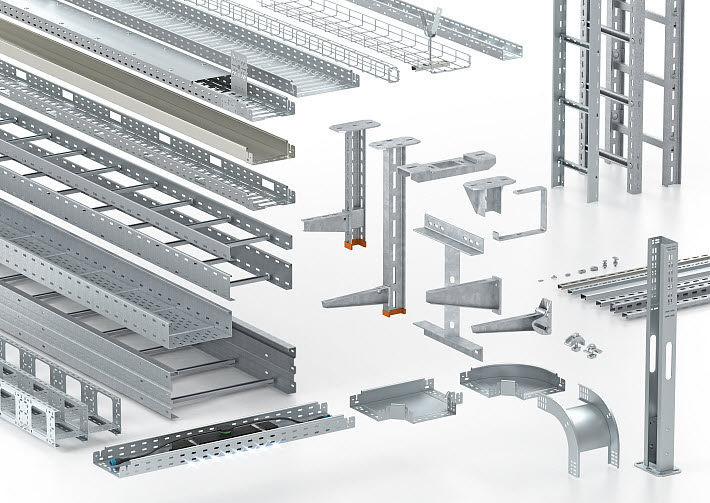
Cable Systems
Paneltech Systems offers comprehensive cable management systems for efficient, secure and organised cable setups across industrial and commercial environments.
View Product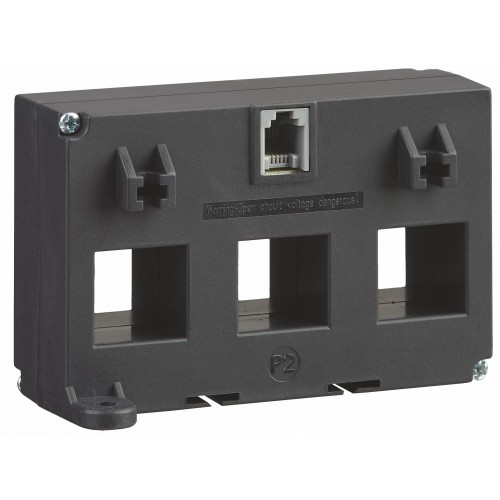
3 Phase Current Transformer
3-Phase Current Transformers for accurate power monitoring and measurement. Paneltech Systems offers high-quality Rishabh 3-Phase CTs for industrial energy monitoring and protection.
View Product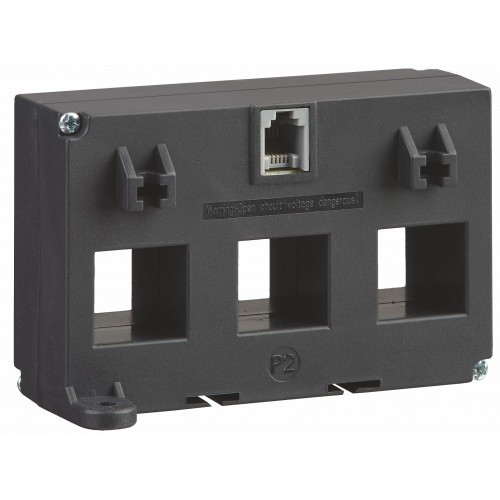
3 Phase RJ12
3-Phase RJ12 from Paneltech Systems for accurate power monitoring and efficient current measurement in industrial applications.
View ProductA properly designed maximum demand reduction Kenya solution uses intelligent load-management panels, energy monitoring, staged equipment starting, and automated control strategies to prevent unnecessary demand spikes while maintaining production requirements.
For Kenyan industries facing rising operating costs, reducing peak demand can improve energy efficiency without requiring major changes to production processes.
Common applications include:
- Manufacturing plants
- Commercial buildings
- Hotels
- Hospitals
- Shopping centres
- Water treatment facilities
- Agricultural processing plants
- Data centres
At Paneltech Systems Ltd, we design and manufacture intelligent electrical panels including load management systems, LV switchboards, APFC panels, energy monitoring panels, ATS systems, and automation solutions engineered for Kenyan commercial and industrial applications. Learn more about our engineering expertise at about, explore our electrical solutions at products, or contact our engineering team through contact.
Maximum demand is the highest electrical load recorded by a facility during a specific billing period, usually measured in kilowatts (kW) or kilovolt-amperes (kVA). Utility charges often consider this peak value rather than only total energy consumption.
A facility may consume moderate energy throughout the month but still receive high demand charges if many large loads operate simultaneously for a short period.
Examples of high-demand equipment include:
- Electric motors
- Chillers
- Compressors
- Pumps
- Industrial heaters
- Welding equipment
- Production machinery
Reducing maximum demand helps businesses control electricity costs by preventing unnecessary peaks that increase KPLC billing charges. Intelligent load management allows facilities to operate efficiently without sacrificing productivity.
Demand reduction is especially important for:
- Factories with multiple production lines
- Buildings with large HVAC systems
- Water pumping facilities
- Cold storage facilities
- Processing plants
Managing when equipment operates can significantly improve energy cost control.
Maximum demand can be reduced by controlling when high-power equipment operates, using load-management panels, staggering motor starts, improving power factor, monitoring consumption patterns, and automatically disconnecting non-critical loads during peak periods.
Common strategies include:
- Load shedding
- Sequential equipment starting
- Demand monitoring
- Automatic controls
- Energy scheduling
- Power factor correction
A demand-control system combines monitoring, automation, and intelligent switching to reduce unnecessary peak loads while maintaining operational reliability.
| Specification | Typical Requirement |
|---|---|
| System Voltage | 415V AC |
| Frequency | 50 Hz |
| Control Method | PLC / Smart Controller |
| Monitoring | kW, kVA, Current, Power Factor |
| Communication | Modbus / Ethernet |
| Switching Devices | Contactors / MCCBs |
| Load Priority | Critical / Non-Critical |
| Panel Protection | IP54 / IP65 |
| Panel Standard | IEC 61439 |
| Application | Industrial / Commercial |
Maximum demand charges are based on the highest recorded demand during the billing period, meaning a short peak event can influence the entire month's electricity cost.
Demand peaks commonly occur when several systems start together, such as:
- Pumps starting after power restoration
- Multiple compressors operating simultaneously
- HVAC systems restarting
- Production lines starting together
Managing these moments can reduce unnecessary demand increases.
A load-management panel automatically monitors electrical demand and controls selected loads to prevent the facility from exceeding a target demand level. It acts as an intelligent energy controller between the power supply and connected equipment.
A typical system includes:
- Energy meters
- Controllers
- Contactors
- Relays
- Communication modules
- Load priority programming
Paneltech integrates intelligent monitoring and control solutions into custom electrical panels.
Starting multiple motors simultaneously creates high temporary demand peaks. Staged starting reduces these peaks by sequencing equipment operation instead of allowing all loads to start together.
Common applications include:
- Water pumps
- HVAC chillers
- Compressors
- Conveyor systems
- Industrial machinery
Starting strategies may include:
- Time delays
- Soft starters
- Variable Frequency Drives (VFDs)
- PLC sequencing
Variable Frequency Drives reduce demand by controlling motor speed according to actual process requirements instead of operating motors continuously at full capacity.
Benefits include:
- Lower starting current
- Reduced mechanical stress
- Improved process control
- Energy savings
Applications include:
- Fans
- Pumps
- Compressors
- Conveyor systems
Paneltech provides VFD solutions through vfd-drives.
Poor power factor increases apparent power demand, causing facilities to draw more current than necessary. Automatic Power Factor Correction (APFC) systems reduce reactive power and improve electrical efficiency.
Benefits include:
- Reduced kVA demand
- Lower system losses
- Improved transformer utilisation
- Better network performance
Paneltech designs APFC solutions through #apfc-112.
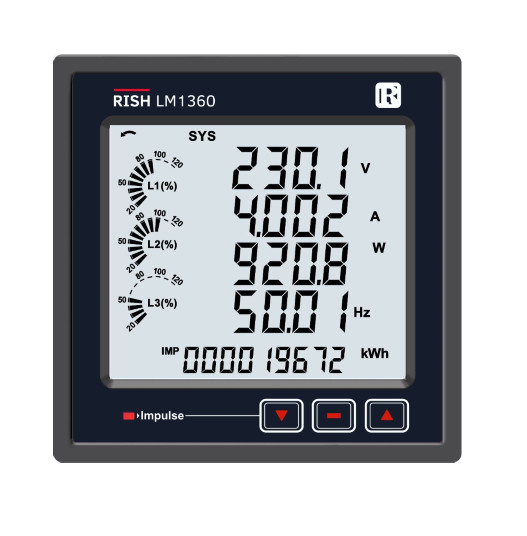
Effective demand reduction begins with accurate measurement. Energy monitoring panels show when and where peak consumption occurs, allowing engineers to develop targeted reduction strategies.
Monitoring parameters include:
- kWh consumption
- Maximum demand
- Current
- Voltage
- Power factor
- Harmonic distortion
Intelligent monitoring helps facility managers make data-driven decisions.
Separating essential equipment from flexible loads allows automatic control systems to reduce demand without affecting critical operations.
Examples:
Critical Loads
- Medical equipment
- Data systems
- Security systems
- Essential production equipment
Non-Critical Loads
- Decorative lighting
- Secondary HVAC systems
- Water heating
- Non-essential machinery
Load priority improves operational continuity.
Industrial facilities often achieve the greatest demand savings because they operate multiple high-power machines that can be coordinated through intelligent control systems.
Common industrial applications include:
- Manufacturing plants
- Steel processing
- Food processing
- Cement facilities
- Packaging plants
Automation helps match electrical consumption with production requirements.
Solar energy systems can support demand reduction by supplying part of the facility's daytime electrical load and reducing reliance on grid power during peak operating periods.
Applications include:
- Rooftop solar systems
- Solar-powered factories
- Hybrid energy systems
- Battery storage solutions
Paneltech designs solar distribution solutions through #solar-ac-db-combiner.
Battery Energy Storage Systems (BESS) can reduce maximum demand by supplying stored energy during peak consumption periods instead of drawing all required power from the grid.
Peak shaving applications include:
- Commercial buildings
- Industrial plants
- Remote facilities
- Renewable energy systems
Battery systems require properly designed distribution and protection panels.
Demand-control panels installed in Kenya must be designed for local environmental conditions including heat, dust, and humidity.
Nairobi
Considerations:
- Commercial buildings
- Indoor electrical rooms
- Automated facilities
Industrial Areas
Considerations:
- Dust protection
- Continuous operation
- Heavy electrical loads
Coastal Kenya
Considerations:
- Humidity resistance
- Corrosion protection
- Higher enclosure ratings
Correct enclosure selection improves system reliability.
Many facilities attempt to reduce electricity costs without first analysing their demand profile, resulting in ineffective solutions.
Common mistakes include:
- No demand monitoring
- Manual load switching
- Starting all motors simultaneously
- Ignoring power factor
- No equipment priority strategy
- No automation
A measured approach delivers better savings.
Demand-management panels should be designed according to recognised electrical standards to ensure safe operation, reliable switching, and long-term performance.
Relevant standards include:
- IEC 61439 – Low Voltage Switchgear Assemblies
- IEC 60947 – Switchgear and Controlgear
- IEC 61000 – Electromagnetic Compatibility
- IEC 60364 – Electrical Installations
- EPRA electrical requirements applicable in Kenya
Paneltech Systems Ltd designs intelligent electrical solutions that help Kenyan businesses reduce maximum demand, improve energy efficiency, and maintain reliable power distribution.
Our specialised services include:
- Load Management Panels
- Low Voltage (LV) Panels
- APFC Panels
- VFD Drive Solutions
- ATS / MTS Systems
- Energy Monitoring Panels
- Solar Power Infrastructure
- Industrial Automation Panels
- Electrical Engineering Consultations
- Custom Panel Manufacturing
Explore our engineering solutions through home-main, access technical resources through knowledge-site, discover residential solutions through paneltechhomes, or visit home1.
Maximum demand reduction helps businesses control electricity costs by managing when and how electrical loads operate.
What causes high maximum demand?
High demand usually occurs when multiple high-power machines operate simultaneously or restart together.
Can load management reduce KPLC bills?
Yes. Intelligent load control can reduce demand peaks and improve overall energy management.
Does reducing maximum demand affect production?
No. Properly designed systems prioritise critical equipment while controlling flexible loads.
How does APFC help reduce demand?
APFC reduces reactive power demand, improving power factor and reducing unnecessary current flow.
Can Paneltech design a demand-control system?
Yes. Paneltech designs customised load-management panels based on facility requirements, electrical loads, and operational priorities.
Powering Kenya's Future with Reliable Electrical Solutions
Email: [email protected]
Phone: 0799 531765
Location: Nairobi, Kenya
Website: https://paneltechsystems.co.ke/
Our Specialized Services:
- Low Voltage (LV) Panels & APFC Panels
- VFD Drive Solutions & ATS / MTS Systems
- Solar Power & EV Charging Infrastructure
- Electrical Supplies & Engineering Consultations