Motor Protection Relays Explained: Functions and Settings Guide in Kenya
Motor protection relays explained in detail for industrial applications in Kenya. Learn how electronic overload, phase loss, and locked rotor protection settings keep three-phase motors safe and reliable.

Motor protection relays are essential safeguarding devices used in industrial electrical systems to protect three-phase motors from electrical and mechanical failures. In Kenya’s industrial environment—where KPLC supply fluctuations, phase imbalance, and overload conditions are common—these relays are not optional; they are a core requirement for operational reliability.
Without proper protection, motors can burn out due to single phasing, overheating, locked rotor conditions, or sustained overload, leading to costly downtime and equipment damage.
What Is a Motor Protection Relay?
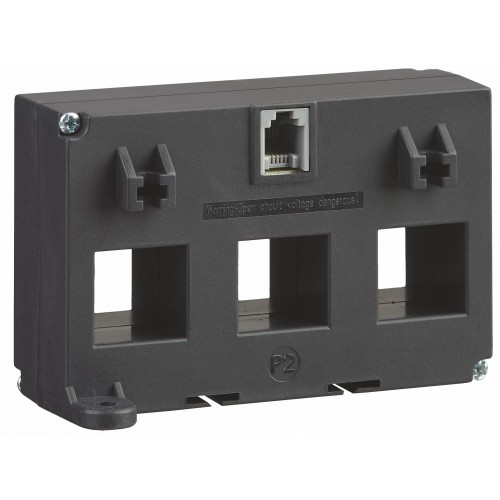
A motor protection relay is an electronic device that continuously monitors motor electrical parameters and disconnects the motor during abnormal conditions. It protects motors from overcurrent, phase loss, overload, and thermal damage.
Unlike traditional thermal overload relays, modern electronic relays provide:
- Adjustable protection curves
- Digital fault diagnostics
- Real-time monitoring
- Multi-fault detection capability
In Kenya, these devices are widely used in:
- Manufacturing plants
- Water pumping stations
- HVAC systems in commercial buildings
- Agro-processing facilities
Explore industrial control systems here:
low-voltage-panels
products
Core Functions of Motor Protection Relays
Motor protection relays continuously monitor electrical conditions and trip the motor circuit when abnormal parameters are detected. Their primary function is to prevent motor damage by isolating faults before they escalate.
Key Functions:
- Overcurrent protection
- Underload detection
- Phase failure (single phasing) protection
- Phase imbalance detection
- Locked rotor protection
- Thermal overload simulation
These functions ensure motors operate within safe electrical and mechanical limits even under unstable supply conditions common in Kenya.
Why Motor Protection Is Critical in Kenya
Motor protection is critical in Kenya due to unstable grid conditions, phase inconsistencies, and industrial load variations. Without protection relays, motors are highly vulnerable to failure during voltage dips and phase loss events.
Common Kenyan Industrial Challenges:
- KPLC voltage fluctuations
- Frequent phase imbalance in rural feeders
- Overloaded distribution transformers
- Poor power factor in industrial zones
These conditions increase the likelihood of:
- Motor overheating
- Winding insulation breakdown
- Unexpected shutdowns
Learn more about industrial electrical systems:
home-main
knowledge-site
Types of Motor Protection Relays
Motor protection relays are classified into thermal, electronic, and multifunction digital relays based on their design and functionality. Modern systems primarily use electronic multifunction relays for advanced protection.
1. Thermal Overload Relays
- Based on heat simulation
- Simple but less precise
- Used in basic motor starters
2. Electronic Protection Relays
- Digital measurement of current and voltage
- Adjustable settings
- Better accuracy and reliability
3. Multifunction Digital Relays
- Full motor diagnostics
- Communication-enabled (Modbus, Ethernet)
- Used in industrial automation systems
Explore advanced systems:
motor-control-panel
products/vfd-drives
Key Protection Parameters Explained
Motor protection relays monitor electrical parameters such as current, voltage, phase balance, and thermal load to determine motor safety conditions. Each parameter is used to detect specific fault conditions before damage occurs.
Overcurrent Protection
Prevents excessive current draw due to overload or mechanical jamming.
Underload Protection
Detects loss of load, such as broken belts or dry pump running conditions.
Phase Loss Protection
Trips motor when one phase is missing (single phasing condition).
Phase Asymmetry
Detects imbalance between three phases, which can cause overheating.
Locked Rotor Protection
Detects when motor fails to start and draws high current continuously.
Electronic Overload Relay Settings
Electronic overload relay settings define the trip thresholds and response times for motor protection based on current, thermal load, and time-delay curves. Proper configuration ensures reliable protection without nuisance tripping.
Key Settings Include:
- Full load current (FLC) setting
- Trip class (Class 10, 20, 30)
- Reset mode (manual/auto)
- Phase loss sensitivity
- Restart delay timers
Importance of Correct Settings:
Incorrect configuration can lead to:
- False tripping during startup
- Motor overheating due to delayed protection
- Reduced motor lifespan
Correct calibration is critical in industrial environments like Nairobi factories where load variations are frequent.
Protecting Three-Phase Motors from Single Phasing
Three-phase motors are protected from single phasing by using phase monitoring relays that detect loss of any phase and immediately disconnect the motor. This prevents severe overheating and winding damage.
Why Single Phasing Is Dangerous:
- Motor continues running on two phases
- Current increases dramatically in remaining phases
- Rapid overheating of windings occurs
- Motor failure can happen within minutes
Protection Methods:
- Phase failure relays
- Electronic motor protection relays
- PLC-based monitoring systems
- VFD built-in protection features
System Specifications for Motor Protection Relay Panels
Motor protection relay systems are designed to meet IEC standards and provide accurate fault detection, fast tripping, and communication capabilities for industrial automation systems. They ensure safe and reliable motor operation in demanding environments.
System Specifications Table
| Parameter | Specification |
|---|---|
| Rated Voltage | 415V AC (3-phase) |
| Control Voltage | 24V DC / 110V AC |
| Frequency | 50Hz |
| Protection Functions | Overcurrent, phase loss, underload, locked rotor |
| Trip Class | Class 10 / 20 / 30 adjustable |
| Communication | Modbus RTU / Ethernet (optional) |
| Accuracy | ±1–2% current measurement |
| Enclosure Rating | IP54–IP65 |
| Standards | IEC 60255, IEC 60947 |
| Mounting Type | DIN rail / panel mounted |
Integration with Motor Control Panels
Motor protection relays are integrated into motor control panels to provide centralized protection and automation control for industrial motors. They work alongside contactors, PLCs, and VFDs to ensure coordinated motor operation and safety.
Integration Components:
- MCC (Motor Control Center) panels
- PLC control systems
- VFD drive systems
- SCADA monitoring systems
Explore system integration:
low-voltage-panels
Common Mistakes in Relay Configuration
Incorrect relay configuration is one of the leading causes of nuisance tripping and motor damage in industrial systems. Proper setup is essential to balance protection sensitivity and operational stability.
Common Errors:
- Incorrect full load current setting
- Too sensitive phase imbalance thresholds
- Improper trip class selection
- Ignoring motor startup characteristics
These mistakes are common in poorly commissioned systems across small industrial facilities.
Future of Motor Protection Technology
Motor protection systems are evolving into smart, IoT-enabled devices with predictive diagnostics and remote monitoring capabilities. These systems will shift protection from reactive tripping to predictive fault prevention.
Emerging Trends:
- IoT-enabled motor relays
- AI-based fault prediction
- Cloud SCADA integration
- Real-time mobile alerts
Kenya’s industrial sector is gradually adopting these technologies to improve uptime and reduce maintenance costs.
Conclusion
Motor protection relays are a critical component of modern industrial motor systems. They ensure motors operate safely under varying load and power conditions, especially in environments like Kenya where electrical instability is common.
Proper configuration of overcurrent, phase loss, and thermal protection settings significantly reduces equipment failure and improves industrial efficiency.
Contact Paneltech Systems Ltd
Powering Kenya's Future with Reliable Electrical Solutions
Email: [email protected]
Phone: 0799 531765
Location: Nairobi, Kenya
Website: https://paneltechsystems.co.ke/
Our Specialized Services:
Low Voltage (LV) Panels & APFC Panels
VFD Drive Solutions & ATS / MTS Systems
Solar Power & EV Charging Infrastructure
Electrical Supplies & Engineering Consultations