N+1 Redundancy Switchboard Kenya: 2026 Engineering Guide and Specs | Paneltech Systems Kenya
Looking for an N+1 redundancy switchboard Kenya data centres and critical facilities require? Dual incomers, bus-tie arrangements, ATS integration, and redundant LV designs improve resilience
Modern businesses depend on continuous electrical availability. For data centres, telecommunications facilities, financial institutions, hospitals, and industrial plants, an electrical interruption can result in operational disruption, financial losses, and equipment risks.
In Kenya, where facilities may experience Kenya Power (KPLC) outages, voltage fluctuations, and scheduled maintenance interruptions, power resilience has become a key engineering requirement. This is where N+1 redundancy switchboard Kenya solutions provide a structured approach to improving electrical availability.
Related Products

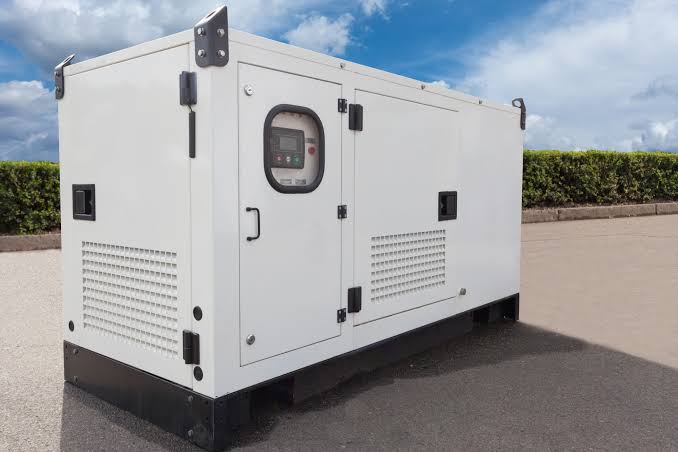
ATS / MTS Kenya
ATS/MTS solutions from Paneltech Systems provide reliable Automatic and Manual Transfer Switches for seamless power transfer in industrial and commercial electrical systems.
View Product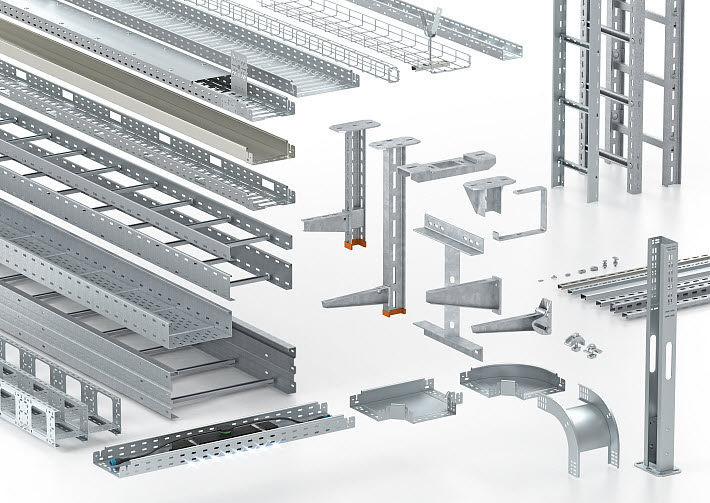
Cable Systems
Paneltech Systems offers comprehensive cable management systems for efficient, secure and organised cable setups across industrial and commercial environments.
View Product
CMS 5X
Multispan CMS 5X current monitoring relay for accurate current measurement and protection in industrial systems.
View Product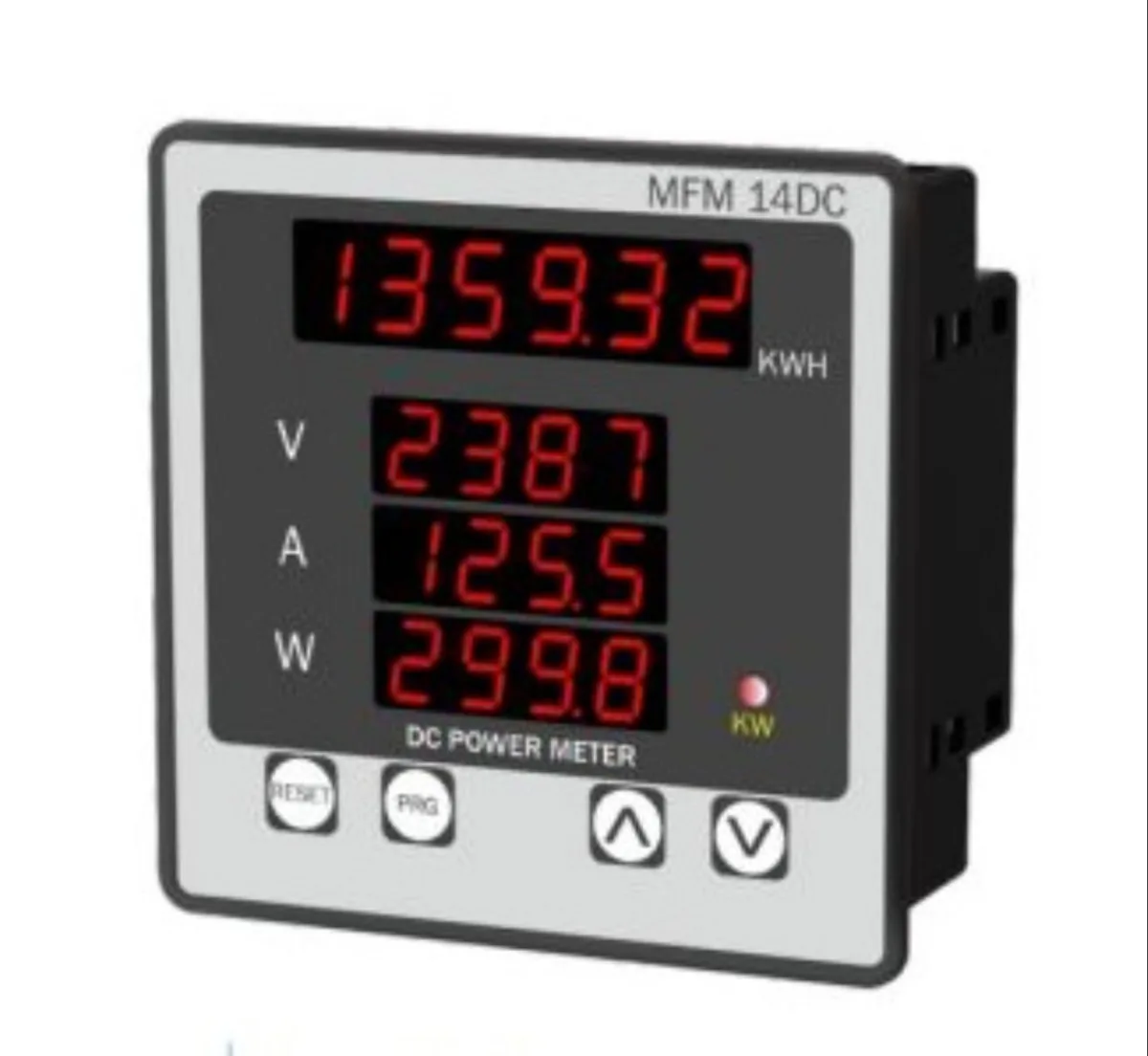
MFM 14DC
Multispan MFM 14DC DC multifunction meter designed for accurate measurement in DC power systems and renewable energy installations.
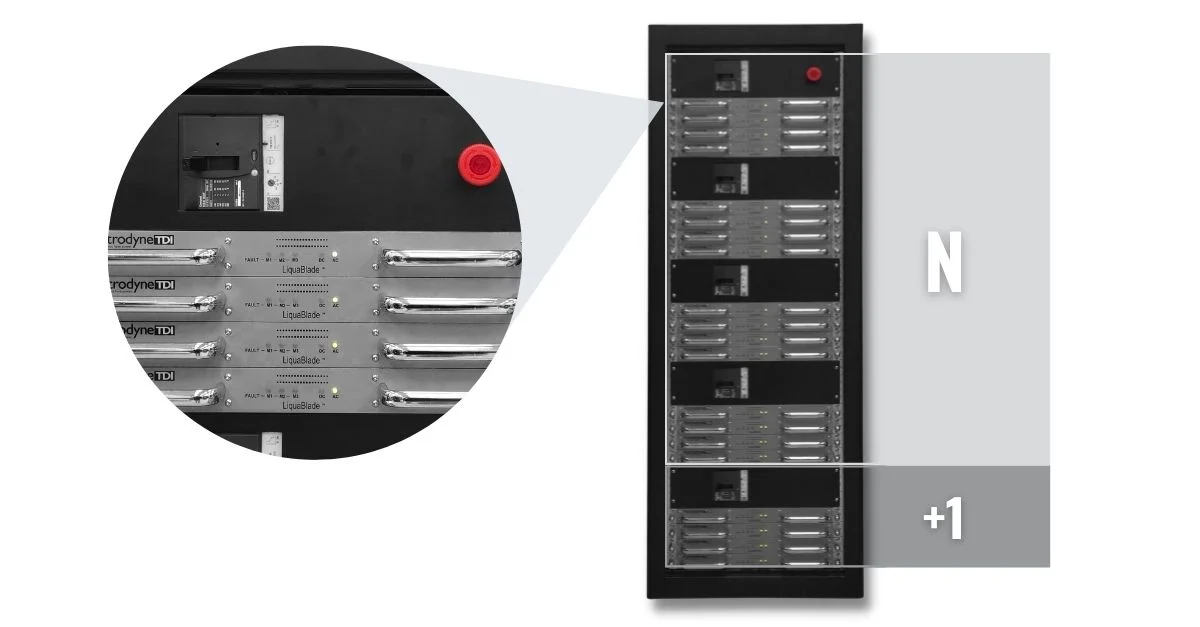
View ProductAn N+1 redundancy design ensures that a system has at least one additional backup component beyond the minimum operational requirement. In practical terms, if a facility requires one power path to operate, the design includes an additional independent path that can take over during failure, maintenance, or unexpected conditions.
For critical facilities, N+1 switchboards may include:
- Dual utility incomers
- Generator-backed supply
- Automatic Transfer Switches (ATS)
- Bus-tie arrangements
- Redundant LV feeders
- Independent protection systems
- Intelligent power monitoring
At Paneltech Systems Ltd, we design and manufacture custom LV switchboards, ATS systems, and critical power distribution solutions for Kenyan industrial and commercial facilities. Learn more about our engineering capabilities at about, explore our products at products, or contact our technical team through contact.
What Is an N+1 Redundancy Switchboard?
An N+1 redundancy switchboard is a power distribution system designed with one additional backup capacity beyond the minimum operational requirement. It ensures electrical continuity by allowing maintenance or failure of one component without interrupting critical loads.
The concept is widely used in mission-critical environments where downtime is unacceptable.
The basic principle is:
N = Required capacity for normal operation
+1 = Additional backup capacity
For example:
- A facility requiring two LV feeders may install three feeders.
- A data hall requiring one UPS output may install an additional UPS path.
- A system requiring one generator may include an additional standby generator.
This approach reduces dependence on single points of failure.
Why N+1 Redundancy Matters in Kenya
N+1 redundancy helps Kenyan facilities maintain operations during KPLC interruptions, equipment maintenance, and electrical faults. It provides improved reliability for mission-critical applications.
Kenyan facilities face several electrical challenges:
Grid Interruptions
Power outages can affect:
- Data availability
- Manufacturing operations
- Security systems
- Healthcare services
- Communication networks
Equipment Maintenance
Redundant designs allow engineers to service equipment without shutting down the entire facility.
Growing Digital Infrastructure
Cloud services, financial platforms, and telecommunications require higher uptime standards.
How N+1 Switchboard Architecture Works
N+1 switchboard designs use multiple power paths, intelligent switching, and isolation strategies to maintain supply availability. The exact configuration depends on the facility's load requirements and reliability objectives.
A typical architecture may include:
Dual Utility Incomers
Two independent incoming supplies provide alternative power sources.
Bus-Tie Arrangement
A bus-tie connects two sections of a switchboard while allowing isolation during faults or maintenance.
ATS Integration
Automatic Transfer Switches manage source transfer between:
- Utility
- Generator
- Backup sources
Redundant Feeders
Multiple outgoing feeders provide alternative supply routes.
Typical N+1 LV Switchboard Configuration
A properly engineered N+1 LV switchboard combines redundancy, protection, monitoring, and segregation to minimise downtime risks. The design must balance reliability with practical project costs.
A common arrangement includes:
Utility Supply A
        |
        |
   Incomer A
        |
-----------------
|               |
|   Bus Section |
|               |
-----------------
        |
    Bus Tie
        |
-----------------
|               |
|   Bus Section |
|               |
-----------------
        |
   Incomer B
        |
Utility Supply B

Backup Generator + ATS
The exact configuration depends on:
- Load criticality
- Facility size
- Availability requirements
- Expansion plans
N+1 Redundancy Switchboard Specifications Table
Critical power switchboards require higher specifications than standard electrical panels. Component selection must support reliability, safety, and future expansion.
| Specification | Typical Value |
|---|---|
| Rated Voltage | 415V AC |
| Frequency | 50 Hz |
| Switchboard Type | LV Form 3 / Form 4 |
| Configuration | Dual Incomer + Bus Tie |
| Busbar Material | Electrolytic Copper |
| Enclosure Rating | IP54 / IP65 |
| Incoming Protection | ACB/MCCB |
| Switching | ATS / Motorised Breakers |
| Monitoring | Digital Power Metering |
| Segregation | Form 4 Preferred |
| Standards | IEC 61439, IEC 60947 |
Dual-Feed Designs for Critical Facilities
Dual-feed electrical designs improve reliability by providing two independent power supply routes. They allow critical equipment to continue operating even when one supply path is unavailable.
Common dual-feed applications include:
Data Centres
Servers with dual power supplies can connect to:
- Feed A
- Feed B
This prevents a single electrical path failure from affecting operations.
Hospitals
Critical medical equipment requires continuous power availability.
Industrial Plants
Production systems can continue operating during maintenance or faults.
Telecommunications Sites
Communication infrastructure depends on reliable power.
Bus-Tie Operation and Benefits
A bus-tie allows two switchboard sections to operate independently or together when required. It provides flexibility during maintenance, faults, and load management conditions.
Benefits include:
- Improved operational flexibility
- Easier maintenance
- Fault isolation
- Load balancing
- Reduced downtime
Typical operating modes include:
Normal Operation
Each incomer supplies its own bus section.
Emergency Operation
The bus-tie closes to allow one source to support both sections.
Maintenance Operation
One section can be isolated while the remaining system stays operational.
ATS Integration for Automatic Source Transfer
Automatic Transfer Switches enable seamless switching between utility, generator, and backup power sources. They are essential components in high-availability electrical systems.
ATS systems monitor:
- Voltage
- Frequency
- Phase sequence
- Supply availability
During a utility failure:
- The ATS detects supply loss.
- The generator starts.
- The load transfers automatically.
- Utility supply resumes when stable.
Paneltech provides ATS and MTS solutions designed for industrial and commercial applications through products.
Protection Coordination in Redundant Systems
Protection coordination ensures that electrical faults are isolated without unnecessarily shutting down healthy sections of the power system. Proper coordination is critical in redundant switchboard designs.
Engineers consider:
- Breaker ratings
- Fault levels
- Selective coordination
- Discrimination settings
- Short-circuit withstand capability
Poor coordination can cause unnecessary outages across multiple systems.
Surge Protection and Power Quality
N+1 redundancy protects against equipment failure, but surge protection and power quality management protect against electrical disturbances. Both are essential for critical infrastructure.
Protection systems may include:
- Type I surge protection
- Type II surge protection
- Power monitoring
- Harmonic analysis
- Power factor correction
Paneltech provides APFC solutions for industrial power quality improvement through #apfc-112.
Environmental Design for Kenyan Conditions
Switchboards installed in Kenya must consider local environmental conditions including humidity, dust, and temperature variations. Correct enclosure selection improves reliability and equipment lifespan.
Nairobi
Controlled indoor environments typically use IP54 protection.
Mombasa
Coastal humidity requires:
- Corrosion-resistant materials
- Higher IP ratings
- Improved enclosure sealing
Industrial and Remote Areas
Dust-heavy locations may require:
- IP65 protection
- Stronger enclosure construction
- Enhanced maintenance planning
N+1 vs N Redundancy: Key Difference
N+1 redundancy provides additional backup capacity, while N redundancy only provides the minimum required capacity. N+1 offers improved resilience because one component can fail without affecting operations.
| Feature | N Design | N+1 Design |
| Backup Capacity | None | One Additional Unit |
| Maintenance Flexibility | Limited | Improved |
| Fault Tolerance | Lower | Higher |
| Cost | Lower | Higher |
| Reliability | Standard | Enhanced |
Common N+1 Switchboard Design Mistakes
Incorrect redundancy planning can create hidden single points of failure. Professional engineering ensures every critical section of the electrical system supports the required availability level.
Common mistakes include:
- Redundant equipment with shared failure points
- Incorrect bus-tie design
- Poor protection coordination
- Undersized busbars
- Missing monitoring systems
- Inadequate generator capacity
- No future expansion planning
Applications of N+1 Redundancy Switchboards
N+1 switchboards are used where electrical availability directly affects operations, safety, or business continuity.
Applications include:
- Data centres
- Banks
- Hospitals
- Telecommunications facilities
- Manufacturing plants
- Research facilities
- Government infrastructure
- Commercial buildings
Standards and Compliance
Critical power switchboards should comply with international standards to ensure safety, reliability, and professional engineering quality.
Relevant standards include:
- IEC 61439 – Low Voltage Switchgear Assemblies
- IEC 60947 – Switchgear and Controlgear
- IEC 61643 – Surge Protection Devices
- IEC 60364 – Electrical Installations
- BS EN switchgear standards
- EPRA electrical requirements in Kenya
Why Choose Paneltech Systems Ltd?
Paneltech Systems Ltd designs and manufactures reliable LV switchboards for Kenya's critical power infrastructure. Our solutions combine engineering expertise, quality components, and international standards compliance.
Our solutions include:
- N+1 Redundancy Switchboards
- LV Main Switchboards
- Form 4 Distribution Boards
- ATS Systems
- Generator Changeover Panels
- Data Centre Electrical Solutions
- APFC Panels
- Solar Integration Panels
- Electrical Engineering Consultation
- Custom Panel Manufacturing
Explore our engineering solutions through home-main, access technical resources at knowledge-site, view residential solutions at paneltechhomes, or visit home1.
Frequently Asked Questions
N+1 redundancy designs require careful engineering to achieve reliable operation. These questions address common concerns from facility managers, consultants, and engineers.
What does N+1 mean in electrical systems?
N+1 means the system includes one additional backup capacity beyond the minimum required operational capacity.
Why use N+1 switchboards in Kenya?
They improve resilience against KPLC outages, equipment failures, and maintenance interruptions.
What is a bus-tie?
A bus-tie connects two switchboard sections and allows flexible power distribution during normal and emergency conditions.
Are N+1 systems expensive?
They require higher initial investment but reduce downtime risks and operational losses.
Can existing LV systems be upgraded to N+1?
Yes, depending on available space, equipment condition, and electrical design limitations.
Powering Kenya's Future with Reliable Electrical Solutions
Email: [email protected]
Phone: 0799 531765
Location: Nairobi, Kenya
Website: https://paneltechsystems.co.ke/
Our Specialized Services:
- Low Voltage (LV) Panels & APFC Panels
- VFD Drive Solutions & ATS / MTS Systems
- Solar Power & EV Charging Infrastructure
- Electrical Supplies & Engineering Consultations