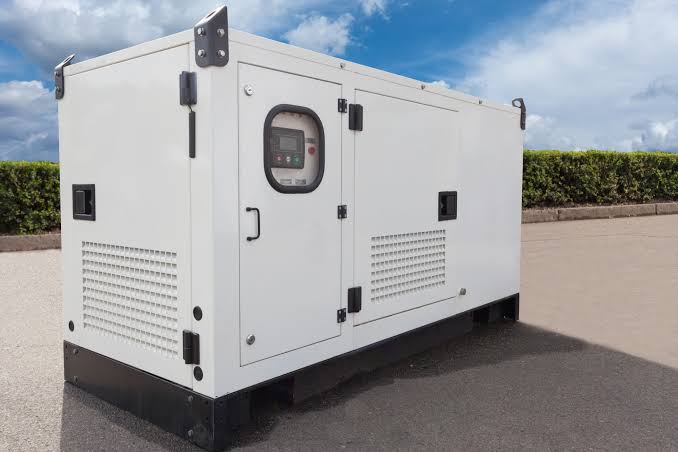
Off-Grid Distribution Board Kenya: 2026 Engineering Guide and Specs | Paneltech Systems Kenya
Looking for an off-grid distribution board Kenya remote sites can depend on? Rugged off-grid panels require IP65 protection, DC isolation, surge protection, and low standby losses for reliable operation in harsh environments.

Reliable electricity remains a major challenge for many remote areas across Kenya, particularly locations where connection to the national grid is limited, expensive, or technically challenging. Regions such as Turkana, Marsabit, Samburu, Isiolo, and other remote counties increasingly depend on decentralised energy systems powered by solar PV, battery storage, and backup generators.
At the centre of these systems is the off-grid distribution board — a specialised electrical panel designed to safely distribute power in locations operating independently from the national grid. Unlike standard distribution boards used in urban buildings, off-grid panels must withstand harsh environmental conditions, manage renewable energy sources, minimise standby losses, and provide reliable protection with limited maintenance support.
Related Products

Distribution Boards
Distribution boards divide the main electrical power supply into smaller circuits while providing circuit protection for residential, commercial and industrial applications.
View Product
ATS / MTS Kenya
ATS/MTS solutions from Paneltech Systems provide reliable Automatic and Manual Transfer Switches for seamless power transfer in industrial and commercial electrical systems.
View Product
LV Panel
High-quality low voltage panels designed for reliable power distribution and protection in industrial and commercial installations.
View Product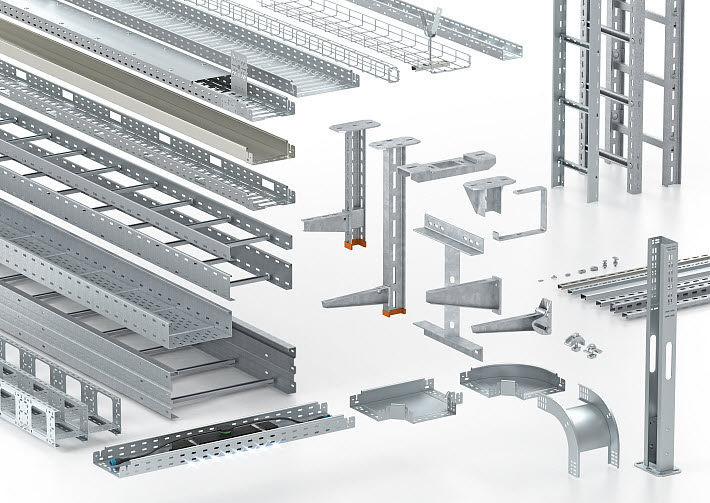
Cable Systems
Paneltech Systems offers comprehensive cable management systems for efficient, secure and organised cable setups across industrial and commercial environments.
View ProductAn off-grid distribution board must be engineered for real-world Kenyan conditions, including extreme heat, dust exposure, lightning activity, and remote maintenance challenges. Selecting the correct enclosure rating, DC protection devices, busbar capacity, and energy management components is essential for long-term reliability.
At Paneltech Systems Ltd, we design and manufacture customised electrical panels for renewable energy, industrial, commercial, and remote infrastructure applications across Kenya. Our solutions include LV panels, solar distribution systems, battery storage panels, ATS systems, and engineered electrical solutions. Learn more about our company at about, explore our products at products, or contact our engineering team at contact.
What Is an Off-Grid Distribution Board?
An off-grid distribution board is a specialised electrical panel designed to distribute power from independent energy sources such as solar PV, batteries, and generators without relying on the national grid. It combines protection, isolation, monitoring, and load management for reliable remote power operation.
Unlike conventional urban electrical boards, off-grid distribution boards are designed around decentralised energy generation.
Typical power sources include:
- Solar photovoltaic systems
- Battery energy storage systems
- Diesel generators
- Hybrid inverters
- Wind energy systems
- Backup power systems
These panels ensure that electricity generated from renewable sources is safely delivered to connected loads.
Common applications include:
- Remote homes
- Telecom towers
- Mining operations
- Water pumping stations
- Rural health centres
- Security installations
- Agricultural facilities
- Remote commercial sites
Why Off-Grid Power Systems Are Important in Kenya
Off-grid distribution systems provide reliable electricity access in areas where grid connection is unavailable or unreliable. They support economic development, communication, healthcare, agriculture, and essential services in remote Kenyan regions.
Kenya's geography creates unique energy challenges. Large areas of northern and eastern Kenya have dispersed settlements and infrastructure located far from existing grid networks.
Turkana County
Remote communities and industrial activities in Turkana often require autonomous energy systems due to limited grid availability and harsh environmental conditions.
Marsabit County
Solar-powered systems are particularly valuable due to high solar radiation levels and the challenge of maintaining conventional grid infrastructure over large distances.
Remote Industrial Sites
Mining, agriculture, water projects, and telecommunications infrastructure require reliable power systems capable of operating independently.
Key Components of an Off-Grid Distribution Board
A reliable off-grid distribution board combines DC and AC protection equipment, isolation devices, surge protection, monitoring systems, and durable enclosures. Each component must be selected according to environmental conditions and system capacity.
DC Isolators
DC isolators allow safe disconnection of solar arrays and battery systems during maintenance or emergencies.
DC Protection Devices
Important DC protection includes:
- DC circuit breakers
- String fuses
- DC surge protection devices
- Battery protection equipment
AC Distribution Protection
The AC section typically includes:
- MCCBs
- MCBs
- RCCBs/RCDs
- AC surge protection
- Outgoing feeders
Battery Protection
Battery systems require:
- Battery isolators
- DC breakers
- Fusing
- Monitoring interfaces
Energy Monitoring
Remote systems benefit from monitoring equipment that tracks:
- Battery state of charge
- Voltage levels
- Current flow
- Energy consumption
- System alarms
Paneltech integrates industrial metering solutions through products available at rishabh-products.
Off-Grid Distribution Board System Specifications Table
Off-grid distribution boards require rugged specifications designed for demanding environments. Correct component selection improves reliability, reduces maintenance, and extends system lifespan.
| Specification | Typical Value |
|---|---|
| System Voltage | 230V / 415V AC |
| DC Battery Voltage | 48V – 1000V DC |
| Frequency | 50 Hz |
| Enclosure Protection | IP65 Outdoor |
| Enclosure Material | Powder-Coated CRCA Steel / Stainless Steel |
| Busbar Material | Electrolytic Copper |
| DC Protection | Isolators, Fuses, DC Breakers |
| AC Protection | MCCB, MCB, RCCB |
| Surge Protection | Type II SPD |
| Mounting | Wall Mounted / Floor Standing |
| Operating Temperature | -10°C to +55°C |
| Standards | IEC 61439, IEC 60947 |
Why IP65 Protection Is Critical for Turkana and Marsabit
IP65 enclosures are often preferred for remote Kenyan sites because they provide protection against dust ingress and water exposure. This improves reliability in hot, dry, and challenging environments.
Remote installations face conditions that are significantly different from urban electrical rooms.
Dust and Sand Exposure
Areas such as Turkana and Marsabit experience high levels of airborne dust and fine particles that can damage electrical components.
IP65 protection prevents:
- Dust penetration
- Contamination of contacts
- Reduced cooling performance
- Premature equipment failure
Extreme Temperatures
High daytime temperatures require careful consideration of:
- Ventilation
- Heat dissipation
- Component temperature ratings
Limited Maintenance Access
Remote sites require equipment designed for long service intervals because frequent maintenance visits are costly.
Reducing Standby Losses in Remote Energy Systems
Low standby losses are essential in off-grid systems because every watt consumed affects battery autonomy. Efficient distribution boards help maximise available renewable energy.
Energy losses can reduce system performance through:
- Inefficient protection devices
- Poor cable selection
- Excessive auxiliary consumption
- Incorrect equipment sizing
Engineers should consider:
- High-efficiency components
- Correct conductor sizing
- Low-power monitoring systems
- Efficient inverter selection
This is especially important in solar-powered sites where energy availability varies throughout the day.
Solar and Battery Integration in Off-Grid Systems
Modern off-grid distribution boards are designed to integrate solar generation and battery storage into a single reliable energy system. Proper design ensures safe charging, controlled discharge, and uninterrupted power delivery.
Typical system architecture includes:
- Solar PV array
- DC combiner equipment
- Hybrid inverter
- Battery storage
- Off-grid distribution board
- Connected loads
Battery storage allows energy generated during daylight hours to support night-time operations.
Paneltech provides engineered solar electrical solutions through products/and technical resources through knowledge-site.
Lightning and Surge Protection for Remote Kenyan Sites
Remote off-grid installations require effective surge protection because exposed solar systems are vulnerable to lightning-induced voltage spikes. Proper protection safeguards expensive electrical equipment.
Protection measures include:
- DC surge protection devices
- AC surge protection devices
- Proper earthing systems
- Lightning protection coordination
Kenya experiences significant thunderstorms in many regions, making surge protection a critical design requirement.
Generator Integration in Off-Grid Distribution Systems
Many remote sites combine solar, batteries, and generators to guarantee continuous power availability. Proper changeover design allows automatic operation during periods of low solar generation or battery capacity.
Generator integration may include:
- Automatic Transfer Switch (ATS)
- Manual Transfer Switch (MTS)
- Generator monitoring
- Load prioritisation
Paneltech provides ATS and MTS solutions for reliable source switching through products.
Standards and Compliance
Off-grid distribution boards should follow recognised electrical standards to ensure safety, reliability, and professional installation quality. Compliance is especially important for infrastructure projects and commercial applications.
Relevant standards include:
- IEC 61439 – Low Voltage Switchgear Assemblies
- IEC 60947 – Switchgear and Controlgear
- IEC 61643 – Surge Protection Devices
- IEC 60364 – Electrical Installations
- EPRA electrical requirements in Kenya
Standards help ensure correct manufacturing, installation, testing, and commissioning.
Common Applications of Off-Grid Distribution Boards
Off-grid distribution boards support essential services and commercial operations where reliable electricity is required without dependence on the national grid.
Applications include:
- Telecom towers
- Remote security systems
- Rural hospitals
- Schools
- Water pumping stations
- Mining sites
- Agricultural facilities
- Lodges and camps
- Research stations
- Remote housing developments
Common Design Mistakes to Avoid
Poor component selection and inadequate environmental protection can reduce the performance of off-grid systems. Professional engineering prevents reliability issues in remote locations.
Common mistakes include:
- Using indoor-rated enclosures outdoors
- Ignoring dust protection
- Undersizing DC cables
- Missing surge protection
- Poor battery isolation
- Incorrect breaker selection
- No future expansion planning
- Lack of remote monitoring
Why Choose Paneltech Systems Ltd?
Paneltech Systems Ltd designs rugged electrical solutions suitable for Kenya's diverse operating environments. Our engineering approach combines international standards with practical knowledge of local conditions.
Our capabilities include:
- Off-Grid Distribution Boards
- Solar Distribution Boards
- Battery Storage Panels
- LV Panels
- ATS and MTS Systems
- APFC Panels
- Electrical Engineering Consultation
- Custom Panel Manufacturing
- Installation Support
- Commissioning Services
Explore our engineering solutions through home-main, discover residential energy solutions at paneltechhomes, view our alternative website page at home1, or access technical resources through knowledge-site.
Frequently Asked Questions
Off-grid electrical systems require careful planning to achieve reliable performance. These answers address common questions from project developers, engineers, and facility managers.
What is an off-grid distribution board?
It is a specialised electrical panel that distributes power from independent sources such as solar and batteries without requiring grid connection.
Why is IP65 important for remote sites?
IP65 protects electrical equipment from dust and water ingress, making it suitable for harsh environments.
Can batteries and generators work together?
Yes. Hybrid systems commonly combine solar, batteries, and generators for reliable power availability.
Are off-grid systems suitable for industrial applications?
Yes. Properly engineered systems can support industrial equipment, pumps, telecommunications, and remote facilities.
How often should remote panels be maintained?
Maintenance schedules depend on environmental conditions, equipment type, and operational requirements.
Powering Kenya's Future with Reliable Electrical Solutions
Email: [email protected]
Phone: 0799 531765
Location: Nairobi, Kenya
Website: https://paneltechsystems.co.ke/
Our Specialized Services:
- Low Voltage (LV) Panels & APFC Panels
- VFD Drive Solutions & ATS / MTS Systems
- Solar Power & EV Charging Infrastructure
- Electrical Supplies & Engineering Consultations