Power Backup Systems for Schools in Kenya: Cost-Effective Solutions for Campuses and Universities | Paneltech Systems
Looking for power backup systems for schools in Kenya? Discover cost-effective inverters, institutional solar power installations, and school campus generator transfer switch solutions. Paneltech Systems Ltd delivers reliable IEC-compliant electrical infrastructure for education facilities.
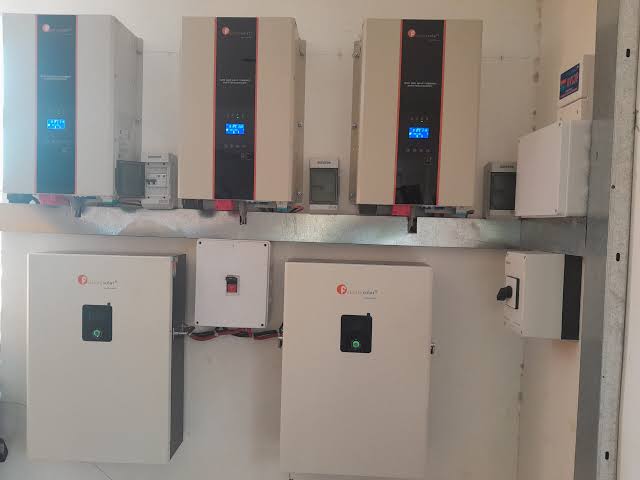
Power backup systems for schools are engineered electrical solutions designed to ensure uninterrupted learning environments, especially for computer labs, administrative systems, and campus lighting during grid outages. Modern school power backup systems combine solar PV installations, inverter-based energy storage, and automatic generator transfer switches to maintain continuous power supply across academic facilities. These systems are critical in Kenya due to frequent grid fluctuations and rising digital learning requirements.
In Kenya, schools increasingly depend on digital infrastructure such as e-learning platforms, biometric attendance systems, and computer labs. This makes reliable electricity not just a convenience but a core educational requirement.
Why Schools Need Reliable Power Backup Systems
Schools require dependable backup power because learning continuity depends on stable electricity for ICT labs, lighting, security systems, and administrative operations. Power interruptions disrupt teaching schedules, damage sensitive electronics, and reduce learning efficiency.
Kenyan schools face additional challenges due to:
- KPLC grid outages in rural and peri-urban areas
- Voltage fluctuations affecting computer equipment
- Increasing adoption of digital learning tools
- Expansion of boarding school infrastructure
For example, modern campuses rely on structured electrical distribution systems such as low-voltage-panels which form the backbone of safe and reliable campus-wide power distribution.
Without proper backup systems, schools risk:
- Loss of computer lab sessions
- Disruption of online learning platforms
- Damage to ICT infrastructure
- Security system downtime
Institutional Solar Power Installations in Schools
Institutional solar power installations provide cost-effective and sustainable electricity generation for schools, reducing dependency on the national grid and lowering long-term operational costs. These systems integrate photovoltaic panels, inverters, and battery storage to supply daytime and backup power.
Solar energy is particularly effective for Kenyan schools due to:
- High solar irradiance across most regions
- Rising electricity tariffs
- Availability of hybrid inverter systems
- Long-term cost savings on diesel fuel
A properly designed solar backup system includes:
- Solar PV arrays installed on rooftops or ground mounts
- Hybrid inverters for grid and solar integration
- Battery storage systems for nighttime use
- Smart energy monitoring systems
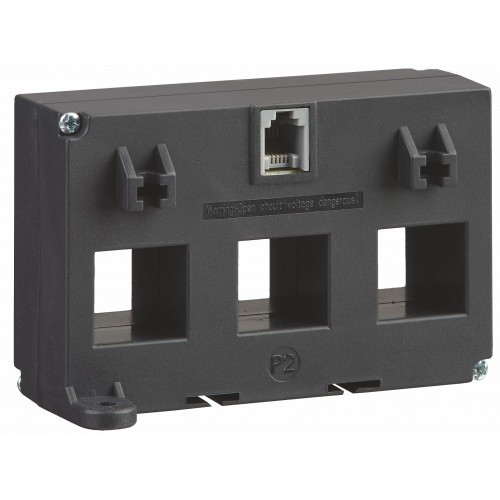
These systems are often paired with intelligent monitoring equipment similar to those found in multispan-products which help schools track energy consumption and optimize usage.
School Campus Generator Transfer Switch Systems
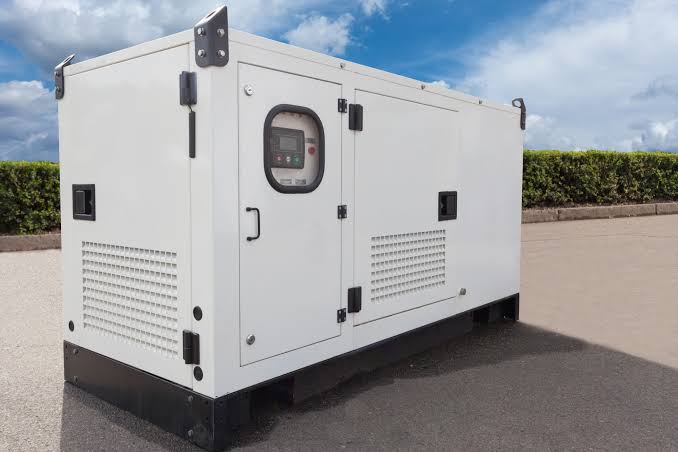
A school campus generator transfer switch system automatically switches electrical loads between the utility grid and backup generators during outages. This ensures uninterrupted power supply to critical school systems without manual intervention.
Automatic Transfer Switch (ATS) systems are essential in boarding schools and universities where continuous power is required for:
- Dormitory lighting
- Security systems and CCTV
- Computer labs and exam centers
- Administrative offices
In Paneltech-designed systems, ATS integration is achieved using industrial-grade control systems such as #apfc-112, which support intelligent load switching and power factor correction across campus networks.
Key benefits include:
- Automatic switching during outages
- Protection from voltage spikes
- Reduced downtime in academic operations
- Improved generator efficiency
Hybrid Power Systems for Educational Institutions
Hybrid power systems combine solar energy, grid supply, and generator backup into a unified energy architecture that ensures uninterrupted electricity in schools. These systems optimize cost, reliability, and energy efficiency.
A typical hybrid configuration includes:
- Solar PV system (primary daytime supply)
- Battery storage system (night and backup supply)
- Grid connection (secondary support)
- Generator backup (emergency redundancy)
In Kenya, hybrid systems are particularly effective in rural schools where grid reliability is inconsistent.
Low-voltage infrastructure such as low-voltage-panels plays a critical role in integrating these multiple power sources safely into one distribution system.
Electrical Distribution Design in School Campuses
School electrical distribution systems are designed to separate critical, essential, and non-essential loads to ensure efficient energy usage and protect sensitive equipment. Proper LV distribution improves safety and reduces energy waste.
Load Segmentation:
- Critical loads: ICT labs, server rooms, security systems
- Essential loads: classrooms, lighting, administration blocks
- Non-essential loads: recreational facilities, external lighting
Modern schools implement structured distribution networks using LV panels and automation systems such as low-voltage-panels to ensure balanced load management across campus buildings.
Motor control and automation systems like #motor-control-panels are also used in water pumping systems and workshop equipment found in technical schools and universities.
Energy Efficiency and Cost Optimization in Schools
Energy efficiency in schools is achieved through optimized load management, solar integration, and smart monitoring systems that reduce electricity costs while improving reliability.
Key strategies include:
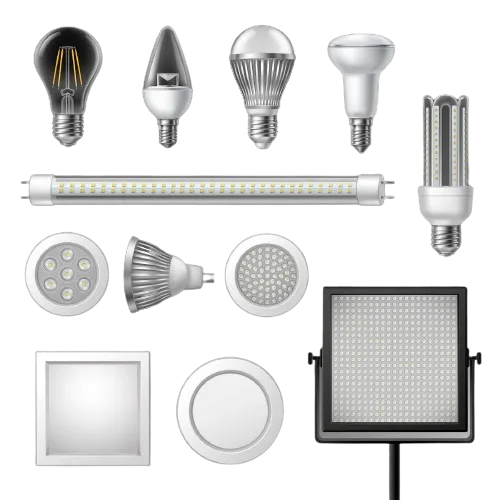
- Use of LED lighting systems
- Solar daytime power usage
- Load scheduling for ICT labs
- Energy monitoring systems
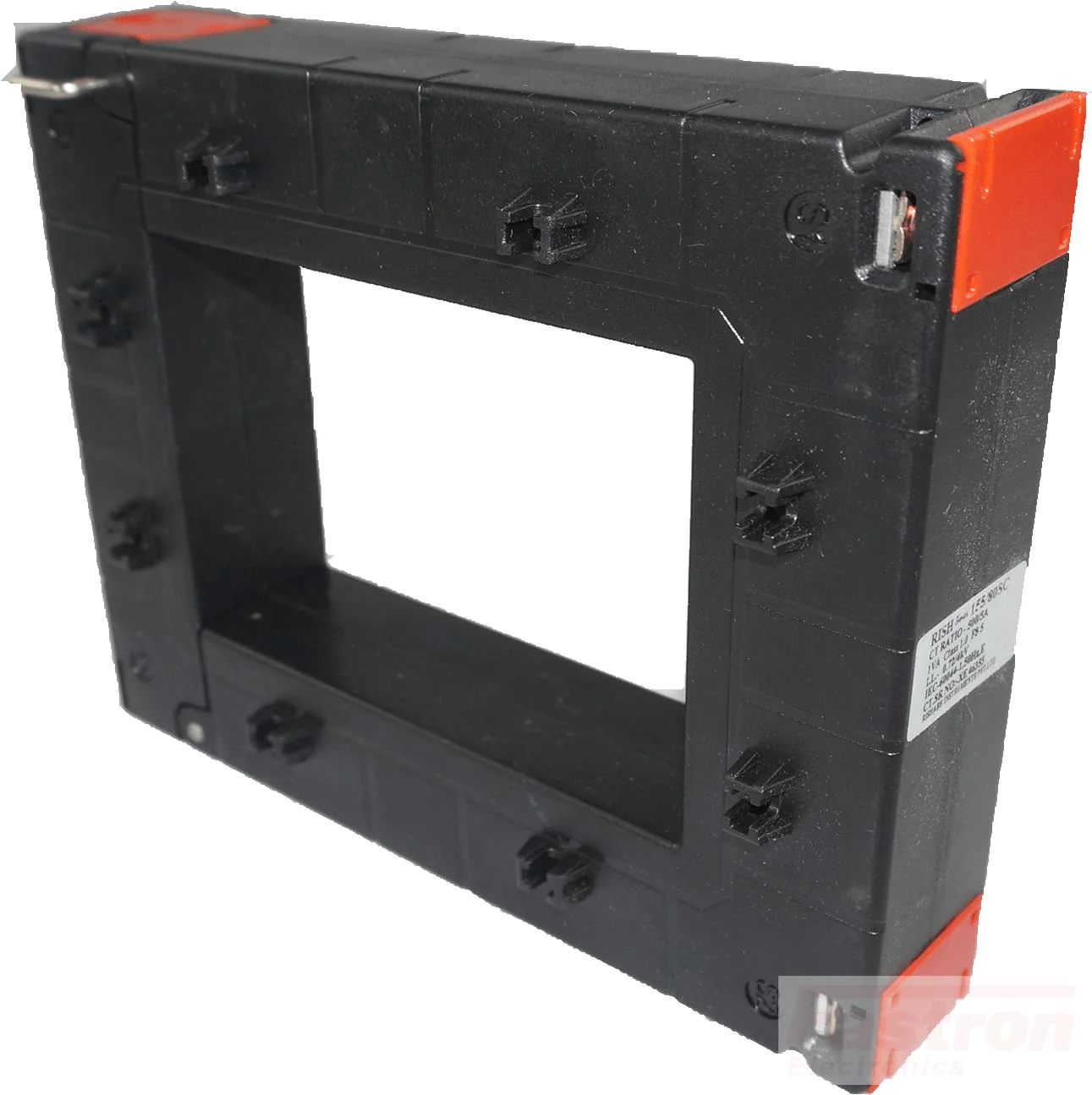
Monitoring tools and instrumentation solutions such as rishabh-products help institutions track real-time energy consumption and identify inefficiencies.
These improvements significantly reduce operational costs for both public and private educational institutions.
Compliance with Electrical Standards in Schools
School electrical installations must comply with IEC 60364 standards, IEC 61439 for switchgear, and EPRA regulations in Kenya to ensure safety, reliability, and legal compliance.
Compliance ensures:
- Protection against electrical hazards
- Proper grounding and earthing systems
- Safe integration of solar and generator systems
- Insurance and regulatory approval
Paneltech Systems Ltd designs systems aligned with international standards to ensure long-term reliability and compliance across all educational installations.
Environmental Considerations in School Electrical Systems
School electrical systems must be designed to withstand environmental conditions such as dust, rainfall, and temperature variations across Kenya. Proper enclosure ratings ensure durability and safety of electrical infrastructure.
Regional Considerations:
- Coastal regions (e.g., Mombasa): require IP65 corrosion-resistant enclosures
- Inland regions (e.g., Nairobi): IP54–IP55 systems are sufficient
- Arid and dusty regions: require sealed and filtered enclosures
Durable LV systems such aslow-voltage-panels ensure long-term performance in all environmental conditions.
System Specifications Table
| Parameter | Specification |
|---|---|
| Rated Voltage | 415V / 240V AC, 3-phase |
| Frequency | 50Hz |
| System Type | Hybrid (Solar + Grid + Generator) |
| Inverter Type | Hybrid Solar Inverter |
| ATS Switching Time | <200 ms |
| Enclosure Material | Powder-coated steel |
| IP Rating | IP54–IP65 |
| Compliance Standards | IEC 60364, IEC 61439, EPRA Kenya |
| Monitoring System | Energy meters + IoT monitoring |
| Backup Storage | Lithium-ion or Lead-acid batteries |
Paneltech Engineering Approach to School Power Systems
Paneltech Systems Ltd designs educational power systems using a structured reliability model:
- Primary Source: Solar PV system during daylight
- Secondary Source: KPLC grid supply
- Tertiary Source: Battery storage system
- Emergency Source: Diesel generator backup
This layered system ensures continuous operation of academic facilities even during extended outages.
Integration with automation systems such as vfd-drives also supports efficient control of pumps, ventilation systems, and industrial training equipment in technical institutions.
Conclusion
Power backup systems for schools are essential for ensuring uninterrupted learning, especially as education becomes increasingly digital and energy-dependent. In Kenya, combining solar installations, hybrid inverters, generator transfer switches, and structured LV distribution systems provides a cost-effective and reliable solution for modern campuses.
Paneltech Systems Ltd delivers integrated electrical solutions that ensure schools remain powered, connected, and operational under all conditions.
Contact Paneltech Systems Ltd
Powering Kenya's Future with Reliable Electrical Solutions
Email: [email protected]
Phone: 0799 531765
Location: Nairobi, Kenya
Website: https://paneltechsystems.co.ke/
Our Specialized Services:
Low Voltage (LV) Panels & APFC Panels
VFD Drive Solutions & ATS / MTS Systems
Solar Power & EV Charging Infrastructure
Electrical Supplies & Engineering Consultations