Predictive Maintenance for Switchgear in Kenya: 2026 Engineering Guide and Specs | Paneltech Systems Kenya
Learn how predictive maintenance for switchgear in Kenya reduces unexpected failures using temperature monitoring, load trending, power quality data, and intelligent metering. Talk to Paneltech Systems about smart switchgear solutions.

Electrical switchgear failures can cause some of the most expensive interruptions in industrial and commercial facilities. A failed breaker, overheating busbar, loose termination, or overloaded feeder can result in unexpected shutdowns, equipment damage, and production losses.
Traditional maintenance approaches often rely on fixed schedules where equipment is inspected at set intervals. While useful, this approach may miss developing faults between inspections.
Related Products

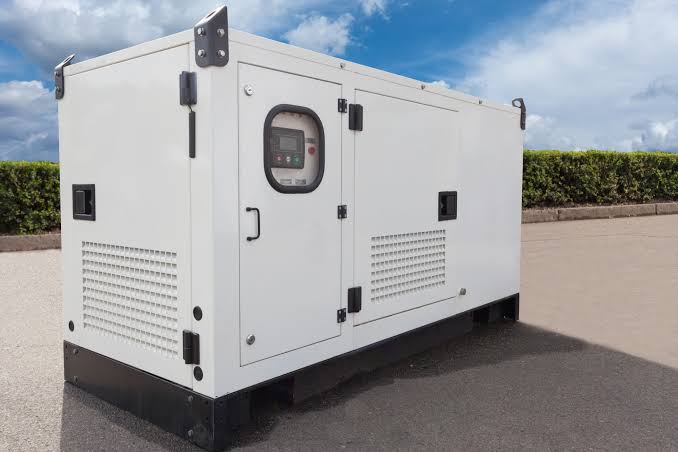
ATS / MTS Kenya
ATS/MTS solutions from Paneltech Systems provide reliable Automatic and Manual Transfer Switches for seamless power transfer in industrial and commercial electrical systems.
View Product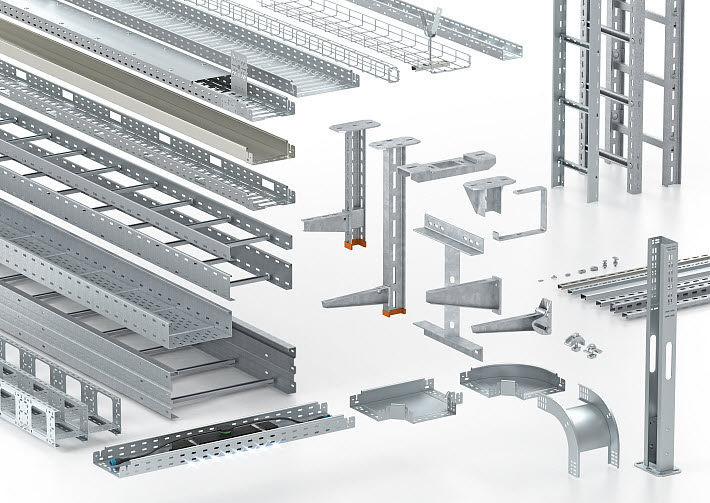
Cable Systems
Paneltech Systems offers comprehensive cable management systems for efficient, secure and organised cable setups across industrial and commercial environments.
View Product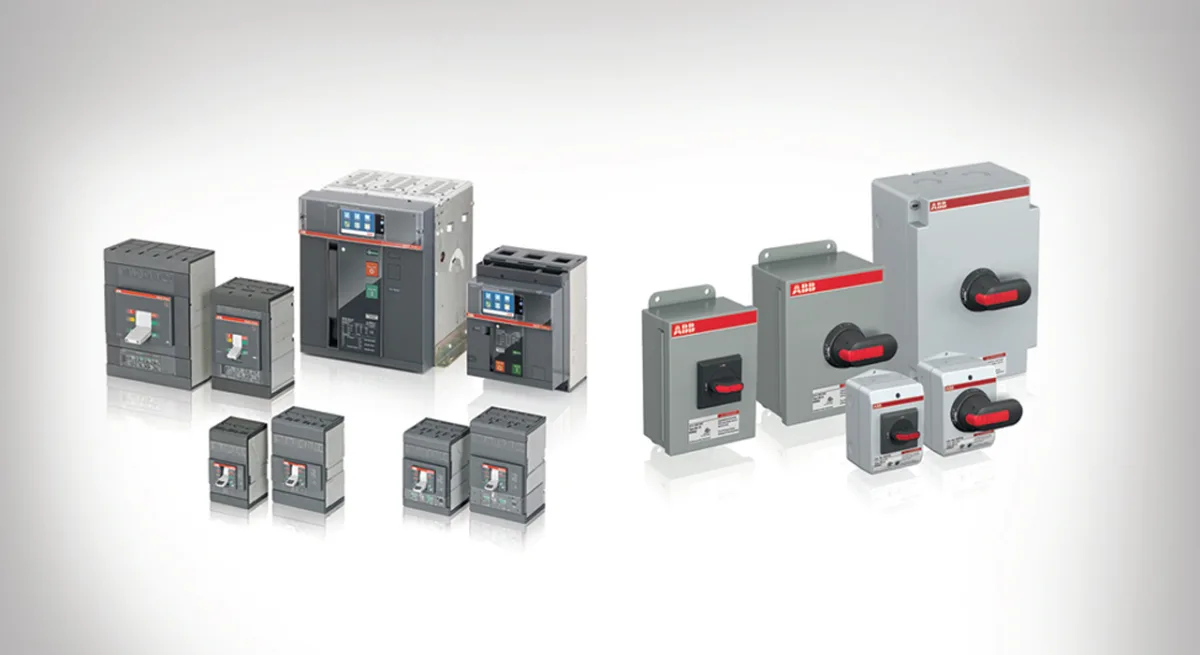
Switchgear Components
A comprehensive range of switchgear components for electrical control and protection in industrial and commercial installations.
View Product
LV Panel
High-quality low voltage panels designed for reliable power distribution and protection in industrial and commercial installations.
View ProductPredictive maintenance for switchgear in Kenya provides a smarter approach by using sensors, monitoring devices, and operational data to identify problems before they become failures.
Instead of waiting for a fault to occur, predictive maintenance continuously evaluates equipment condition through:
- Temperature monitoring
- Load analysis
- Power quality measurement
- Thermal trends
- Equipment operating data
- Alarm history
For Kenyan industries, this approach is increasingly important due to:
- Rising energy demand
- Increased automation
- Higher cost of downtime
- KPLC supply fluctuations
- Expansion of industrial electrical systems
A modern switchboard can be designed with monitoring capabilities that provide engineers with early warnings and better maintenance decisions.
At Paneltech Systems Ltd, we design LV switchboards, intelligent electrical panels, APFC systems, automation solutions, and custom power distribution systems for industrial and commercial applications in Kenya. Learn more about our engineering services at about, explore our electrical products at products, or contact our team through contact.
Predictive maintenance for switchgear uses real-time monitoring data to identify equipment deterioration before a failure occurs. It combines sensors, electrical measurements, and trend analysis to improve reliability and reduce unplanned downtime.
Unlike preventive maintenance, which follows a fixed timetable, predictive maintenance responds to actual equipment condition.
It monitors factors such as:
- Temperature rise
- Current loading
- Voltage conditions
- Power factor
- Harmonics
- Operating cycles
- Fault history
Predictive maintenance helps Kenyan businesses reduce electrical downtime by identifying faults early and allowing planned corrective action. It is especially valuable for facilities where power interruptions affect production, safety, or revenue.
Industries that benefit include:
- Manufacturing plants
- Data centres
- Hospitals
- Commercial buildings
- Mining operations
- Water treatment facilities
- Food processing plants
A planned maintenance intervention is usually less costly than an emergency shutdown.
Predictive switchgear maintenance works by collecting electrical and environmental data from sensors installed within or around switchgear equipment. Engineers analyse trends to identify abnormal conditions before they cause failure.
The process involves:
- Installing monitoring devices
- Collecting operational data
- Analysing equipment trends
- Identifying abnormal behaviour
- Scheduling corrective maintenance
A predictive maintenance system combines electrical monitoring, environmental sensing, and communication systems to provide condition-based maintenance information.
| Parameter | Monitoring Method |
|---|---|
| Temperature | Thermal Sensors / RTD Sensors |
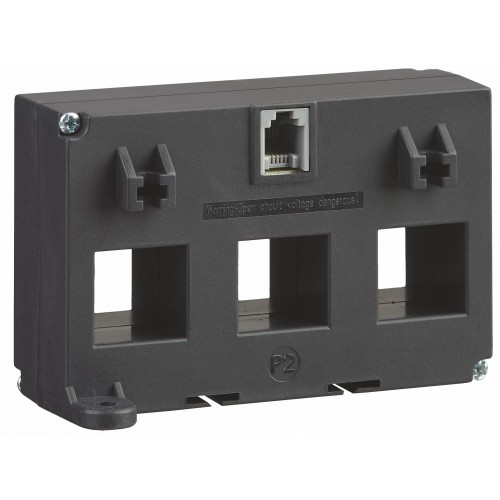
| Current Load | Current Transformers (CTs) |
| Voltage | Digital Metering Systems |
| Power Factor | Power Quality Meter |
| Harmonics | Power Quality Analysis |
| Energy Usage | Multifunction Metering |
| Breaker Status | Digital Monitoring |
| Communication | Modbus / Ethernet |
| Panel Rating | IEC 61439 Compliant |
| Enclosure Protection | IP54 / IP65 |
Temperature monitoring is one of the most effective predictive maintenance methods because excessive heat is often an early indication of electrical problems.
Common causes of abnormal temperature include:
- Loose connections
- Overloaded circuits
- Poor contact pressure
- Damaged components
- High resistance joints
Temperature monitoring methods include:
Thermal Sensors
Installed near:
- Busbars
- Cable joints
- Breaker connections
Infrared Monitoring
Used for:
- Periodic inspections
- Hotspot identification
Monitoring electrical loading trends helps identify overloaded circuits, capacity issues, and changing operating conditions before failures occur.
Important measurements include:
- Current demand
- Maximum demand
- Load balance
- Voltage levels
- Energy consumption
Load trending helps engineers determine:
- Whether equipment is approaching capacity
- If additional expansion is possible
- When upgrades are required
Power quality monitoring identifies electrical conditions that can damage switchgear and connected equipment. It is especially important in facilities with automation and electronic loads.
Parameters monitored include:
- Voltage fluctuations
- Harmonic distortion
- Power factor
- Frequency variations
- Voltage imbalance
Common sources of power quality problems include:
- VFDs
- UPS systems
- Solar inverters
- Industrial automation equipment
Paneltech provides power management solutions including APFC systems through #apfc-112.
Modern switchgear can include multiple sensors that provide real-time information about equipment health and operating conditions.
Common sensors include:
Temperature Sensors
Monitor:
- Busbar temperatures
- Cable connections
- Internal enclosure conditions
Current Sensors
Measure:
- Load levels
- Overcurrent conditions
Voltage Sensors
Monitor:
- Supply stability
- Phase conditions
Door and Access Sensors
Monitor:
- Panel access events
- Safety conditions
Integrated metering allows facility teams to understand how electrical systems perform over time. It supports energy management and predictive maintenance decisions.
Smart meters can provide:
- kWh consumption
- kVA demand
- Power factor
- Voltage readings
- Current measurements
Metering can be integrated into:
- LV panels
- MCCs
- Distribution boards
- Main switchboards
Kenyan facilities can benefit from predictive monitoring because voltage variations and supply disturbances can accelerate electrical equipment stress.
Monitoring helps identify:
- Voltage imbalance
- Frequent overload conditions
- Power factor problems
- Harmonic issues
Solutions may include:
- Surge protection
- APFC systems
- Power monitoring
- Improved protection coordination
Predictive maintenance improves reliability by allowing engineers to address developing problems before they result in equipment failure.
Key benefits include:
- Reduced downtime
- Longer equipment lifespan
- Better maintenance planning
- Improved safety
- Lower emergency repair costs
- Better energy visibility
Preventive maintenance follows scheduled inspections, while predictive maintenance uses equipment condition data to determine when maintenance is actually required.
| Maintenance Type | Approach |
| Reactive Maintenance | Repair after failure |
| Preventive Maintenance | Scheduled inspections |
| Predictive Maintenance | Condition-based monitoring |
Predictive maintenance provides better visibility for critical electrical systems.
Modern switchgear designs can include monitoring and communication features that support predictive maintenance strategies from the beginning of a project.
Design considerations include:
- Metering space
- Sensor installation points
- Communication infrastructure
- Spare capacity
- Data logging capability
Paneltech designs custom LV panels through low-voltage-panels.
Switchgear monitoring should consider Kenya’s diverse operating environments, including coastal humidity, industrial dust, and high-temperature locations.
Coastal Areas
Challenges:
- Salt corrosion
- High humidity
Industrial Areas
Challenges:
- Dust
- Heat
- Continuous loading
Remote Sites
Challenges:
- Limited maintenance access
- Harsh environmental conditions
Correct enclosure selection is essential.
Poor maintenance practices can allow minor electrical issues to develop into major failures. Predictive monitoring helps prevent these problems.
Common mistakes include:
- Waiting for equipment failure
- Ignoring temperature trends
- Skipping load analysis
- No power quality monitoring
- Poor documentation
- Infrequent inspections
Predictive maintenance systems should support safe operation and comply with recognised electrical equipment standards.
Relevant standards include:
- IEC 61439 – Low Voltage Switchgear Assemblies
- IEC 60947 – Switchgear and Controlgear
- IEC 60364 – Electrical Installations
- BS EN electrical standards
- EPRA requirements applicable in Kenya
Paneltech Systems Ltd designs electrical solutions that help Kenyan businesses improve reliability, efficiency, and operational visibility. Our engineers support switchgear design, monitoring integration, and power system improvements.
Our specialised services include:
- LV Switchboards
- Smart Electrical Panels
- Predictive Monitoring Solutions
- APFC Panels
- MCC Panels
- VFD Solutions
- ATS / MTS Systems
- Industrial Automation
- Electrical Engineering Consultation
- Panel Manufacturing
Explore our engineering solutions through home-main, access technical resources through knowledge-site, discover residential solutions through paneltechhomes, or visit home1.
Predictive maintenance helps facilities move from reactive repairs to planned electrical system management.
What is predictive maintenance in electrical systems?
It is a maintenance approach that uses real-time data and monitoring to identify developing equipment problems before failure.
Which switchgear conditions should be monitored?
Temperature, current loading, voltage quality, power factor, and equipment operating status are key parameters.
Can existing switchgear be upgraded for predictive maintenance?
Yes. Many existing panels can be upgraded with metering, sensors, and communication systems depending on design limitations.
Is predictive maintenance suitable for small facilities?
It is most valuable for critical or high-load facilities, but smaller installations can also benefit from targeted monitoring.
Can Paneltech integrate monitoring into new panels?
Yes. Paneltech can design switchboards with metering and monitoring features for future-ready electrical systems.
Powering Kenya's Future with Reliable Electrical Solutions
Email: [email protected]
Phone: 0799 531765
Location: Nairobi, Kenya
Website: https://paneltechsystems.co.ke/
Our Specialized Services:
- Low Voltage (LV) Panels & APFC Panels
- VFD Drive Solutions & ATS / MTS Systems
- Solar Power & EV Charging Infrastructure
- Electrical Supplies & Engineering Consultations