Pump Station Control Panel Kenya: 2026 Engineering Guide and Specs | Paneltech Systems Kenya
Looking for a pump station control panel Kenya water projects require? Learn how duty/standby rotation, dry-run protection, level control, motor protection, and IEC-compliant design improve pump reliability. Request a custom-built panel from Paneltech Systems Ltd.

Water pumping systems are critical infrastructure across Kenya, supporting residential developments, commercial buildings, agriculture, manufacturing plants, municipalities, and remote communities. However, reliable pumping depends on more than the pump itself. The control system managing operation, protection, and automation determines whether the station performs efficiently or experiences repeated failures.
A properly engineered pump station control panel Kenya facilities require must do more than switch pumps on and off. It must manage duty/standby operation, prevent dry running, monitor water levels, protect motors, provide fault indication, and allow operators to understand system performance.
Related Products

Motor Control
Reliable motor control panels for industrial and commercial use, providing customised solutions for safe and efficient motor operation.
View Product
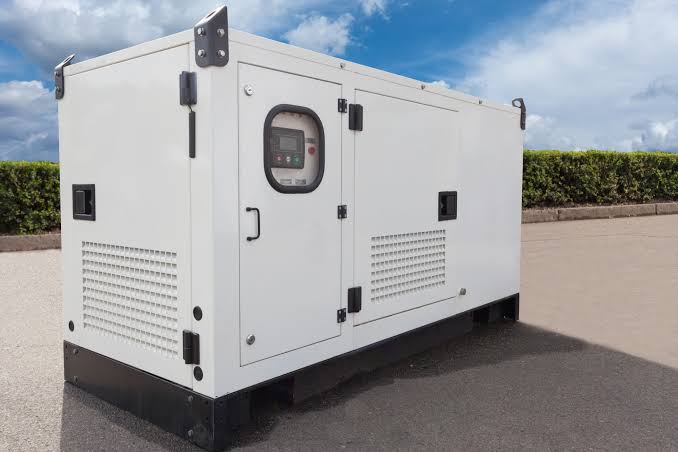
ATS / MTS Kenya
ATS/MTS solutions from Paneltech Systems provide reliable Automatic and Manual Transfer Switches for seamless power transfer in industrial and commercial electrical systems.
View Product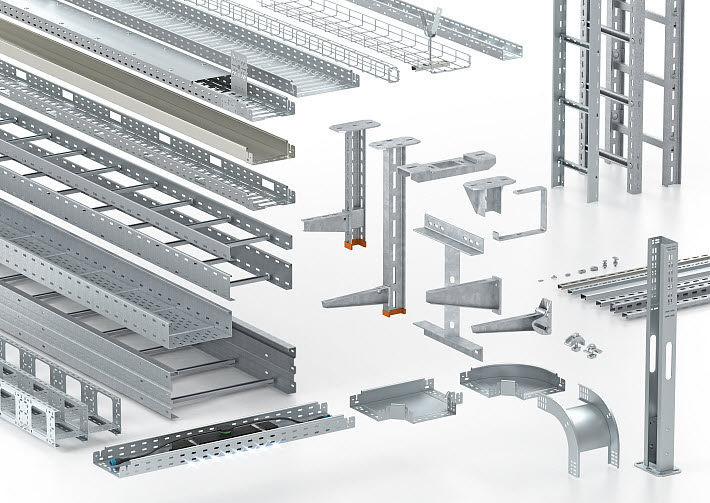
Cable Systems
Paneltech Systems offers comprehensive cable management systems for efficient, secure and organised cable setups across industrial and commercial environments.
View Product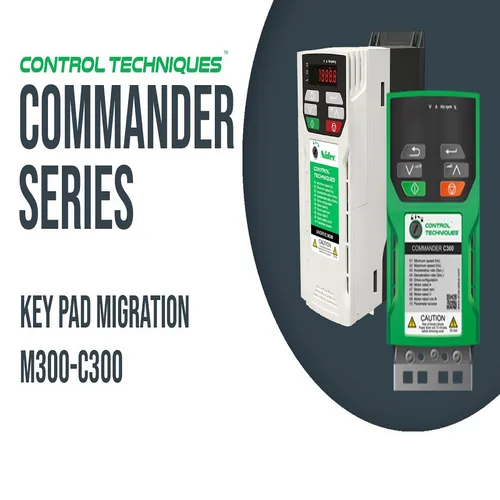
Commander C
Commander C VFD Drives from Paneltech Systems provide advanced motor control for industrial and commercial applications. Enhance efficiency and reliability.
View ProductPoorly designed pump control panels can lead to:
- Pump motor damage
- Reduced water availability
- Excessive energy consumption
- Frequent maintenance
- Premature equipment replacement
Kenyan installations also face unique challenges, including fluctuating power supply, remote locations, dust exposure, and varying water demand patterns. A correctly specified control panel improves reliability and reduces operational costs.
At Paneltech Systems Ltd, we design and manufacture custom electrical control panels, motor control centres (MCCs), automation panels, and industrial solutions for Kenya's water, commercial, and industrial sectors. Learn more about our engineering capabilities at about, explore our products at products, or contact our team through contact.
A pump station control panel is an electrical control system that manages pump operation, protection, monitoring, and automation. It coordinates motors, sensors, starters, and control devices to ensure reliable water pumping.
A typical pump station panel includes:
- Motor starters
- Circuit protection
- Contactors
- Overload relays
- Level controllers
- PLC or smart controllers
- Pressure switches
- Alarm indicators
- Manual/automatic selectors
The panel acts as the control centre between electrical supply, pumps, and field devices.
Pump station control panels improve reliability by automating operation, protecting motors, and reducing dependence on manual intervention. They are essential for boreholes, water treatment systems, irrigation, and building water supply applications.
Common Kenyan applications include:
- Borehole pumping systems
- Apartment water systems
- Irrigation schemes
- Industrial process water
- Municipal water stations
- Wastewater pumping stations
- Commercial buildings
Automation ensures pumps operate only when required while preventing damaging operating conditions.
A reliable pump station control panel combines motor protection, duty/standby logic, level control, dry-run protection, fault monitoring, and correctly sized electrical components. It should be designed around the pump application rather than using a generic starter panel.
The design should consider:
- Number of pumps
- Motor ratings
- Starting method
- Water demand
- Operating environment
- Required automation level
Duty/standby control allows two or more pumps to share operation while ensuring backup availability when the primary pump fails. Automatic rotation improves equipment lifespan and system reliability.
In a typical two-pump system:
Normal Operation
- Pump 1 operates as duty pump
- Pump 2 remains on standby
Automatic Rotation
The controller alternates pump operation to:
- Balance running hours
- Reduce uneven wear
- Extend pump life
Failure Backup
If the duty pump fails:
- Alarm activates
- Standby pump starts automatically
This arrangement is common in:
- Commercial buildings
- Hospitals
- Industrial facilities
- Water treatment plants
Dry-run protection prevents pumps from operating without sufficient water supply. It protects motors, mechanical seals, and pump components from damage caused by running without adequate fluid.
Dry-run protection methods include:
- Low-level float switches
- Pressure monitoring
- Current sensing
- Electronic pump protection relays
- Probe sensors
Without dry-run protection, borehole pumps may suffer:
- Overheating
- Mechanical damage
- Reduced service life
Level control automatically starts and stops pumps based on tank, reservoir, or sump levels. This prevents overflow while maintaining reliable water availability.
Common level control devices include:
- Float switches
- Ultrasonic sensors
- Pressure transmitters
- Level probes
Typical operation:
Low Water Level
Pump stops to prevent dry running.
High Water Level
Pump starts to refill storage tanks.
Maximum Level
Pump stops to prevent overflow.
Pump control panels should be designed according to motor ratings, environmental conditions, and automation requirements while complying with electrical standards.
| Specification | Typical Value |
|---|---|
| Rated Voltage | 415V AC |
| Control Voltage | 24V DC / 230V AC |
| Frequency | 50 Hz |
| Motor Starting | DOL / Star Delta / Soft Starter / VFD |
| Enclosure Rating | IP54 / IP65 |
| Enclosure Material | Powder-Coated CRCA Steel |
| Mounting Type | Wall Mounted / Floor Standing |
| Protection | MCCB, MCB, Overload Relay |
| Control System | Relay Logic / PLC |
| Standards | IEC 61439, IEC 60947 |
Motor protection prevents electrical faults from damaging pumps and improves system reliability. Correct protection settings are essential for efficient operation.
Protection devices include:
- Motor overload relays
- Short-circuit protection
- Phase failure protection
- Under-voltage protection
- Over-voltage protection
- Thermal protection
Common motor faults include:
- Phase loss
- Excess current
- Mechanical overload
- Voltage imbalance
Variable Frequency Drives (VFDs) improve pump efficiency by adjusting motor speed according to demand. They reduce energy consumption and provide smoother starting compared with direct-on-line operation.
VFD benefits include:
- Reduced starting current
- Pressure control
- Energy savings
- Reduced mechanical stress
- Improved process control
Applications include:
- Water booster systems
- Irrigation
- HVAC pumping
- Industrial processes
Paneltech provides VFD solutions throughproducts/vfd-drives.
Pump stations require protection against voltage fluctuations, phase imbalance, and electrical surges commonly experienced in power networks.
Recommended protection includes:
- Surge Protection Devices (SPDs)
- Phase monitoring relays
- Voltage protection relays
- Proper earthing systems
For installations affected by KPLC supply variations, monitoring and protection improve motor reliability.
Pump station panels should be selected based on installation conditions. Correct enclosure protection prevents dust, moisture, and corrosion damage.
Indoor Installations
Typical requirements:
- IP54 enclosure
- Controlled environment
- Standard ventilation
Outdoor Installations
Recommended:
- IP65 enclosure
- Weather protection
- UV-resistant coatings
Coastal Areas
Additional considerations:
- Corrosion-resistant materials
- Improved sealing
- Regular inspection
Modern pump control panels can integrate automation systems that provide remote monitoring, alarms, and operational data.
Advanced features include:
- PLC control
- GSM monitoring
- SCADA integration
- Energy monitoring
- Remote fault alerts
These systems are valuable for:
- Remote boreholes
- Municipal water systems
- Large industrial facilities
Incorrect design choices can reduce pump reliability and increase operating costs. Proper engineering ensures the panel matches the application requirements.
Common mistakes include:
- No dry-run protection
- Incorrect motor sizing
- Missing phase protection
- No standby logic
- Poor cable sizing
- Incorrect enclosure rating
- No surge protection
- Limited expansion capacity
Regular maintenance prevents unexpected pump failures and ensures electrical components remain reliable throughout their service life.
Maintenance should include:
- Terminal torque checks
- Contact inspection
- Thermal imaging
- Cleaning
- Protection testing
- Sensor verification
Learn more about electrical maintenance practices through knowledge-site.
Pump station control panels should follow recognised electrical standards to ensure safe operation and long-term reliability.
Relevant standards include:
- IEC 61439 – Low Voltage Switchgear Assemblies
- IEC 60947 – Switchgear and Controlgear
- IEC 60204 – Electrical Equipment of Machines
- BS EN electrical standards
- EPRA electrical requirements applicable in Kenya
Paneltech Systems Ltd designs and manufactures purpose-built pump station control panels for Kenya's water, industrial, and commercial applications. Our solutions combine automation expertise, quality components, and practical field experience.
Our specialised services include:
- Pump Control Panels
- Motor Control Centres (MCCs)
- VFD Control Panels
- PLC Automation Panels
- LV Switchboards
- ATS Systems
- APFC Panels
- Electrical Engineering Consultation
- Custom Panel Manufacturing
- Installation and Commissioning
Explore our engineering solutions through home-main, access technical resources throughknowledge-site, discover residential energy solutions at paneltechhomes, or visit home1.
Pump station control panels improve system reliability by automating operation and protecting pumping equipment.
What is a duty/standby pump system?
It is a system where one pump operates as the primary unit while another remains available as backup.
Why is dry-run protection important?
It prevents pumps from operating without water, reducing the risk of motor and mechanical damage.
Can a pump control panel use a VFD?
Yes. VFDs are commonly used for energy savings, pressure control, and smoother pump operation.
What IP rating is recommended for outdoor pump panels?
Outdoor installations commonly require IP65 protection depending on environmental conditions.
Can Paneltech build custom pump station panels?
Yes. Paneltech designs custom pump control panels based on pump ratings, automation requirements, and site conditions.
Powering Kenya's Future with Reliable Electrical Solutions
Email: [email protected]
Phone: 0799 531765
Location: Nairobi, Kenya
Website: https://paneltechsystems.co.ke/
Our Specialized Services:
- Low Voltage (LV) Panels & APFC Panels
- VFD Drive Solutions & ATS / MTS Systems
- Solar Power & EV Charging Infrastructure
- Electrical Supplies & Engineering Consultations