Signs You Need Power Factor Correction in Kenya: 2026 Engineering Guide & Specs | Paneltech Systems Kenya
From overheating transformers and unexplained breaker trips to rising electricity bills, learn how to identify low power factor symptoms in Kenyan industrial facilities and when to install APFC

Industrial and commercial facilities in Kenya often focus on visible energy consumption while ignoring reactive power inefficiencies that silently increase operational costs. Poor power factor is one of the most overlooked causes of transformer stress, inflated KPLC bills, and unstable electrical systems.
In many facilities, these issues only become visible after equipment failure or repeated downtime. Understanding early warning signs is essential for preventing long-term electrical infrastructure damage and ensuring compliance with EPRA and IEC standards.
Related Products

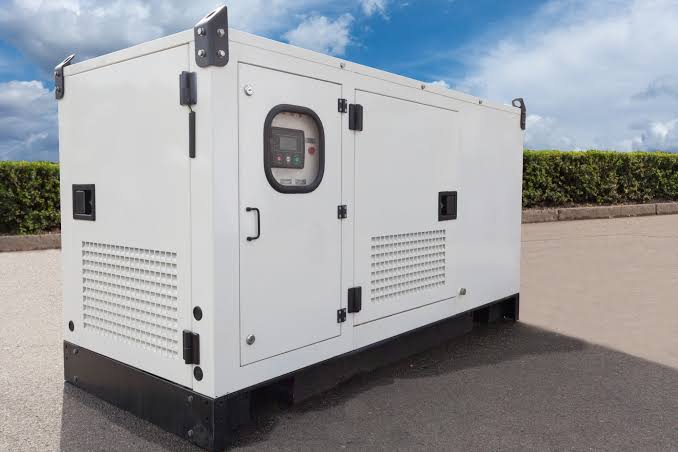
ATS / MTS Kenya
ATS/MTS solutions from Paneltech Systems provide reliable Automatic and Manual Transfer Switches for seamless power transfer in industrial and commercial electrical systems.
View Product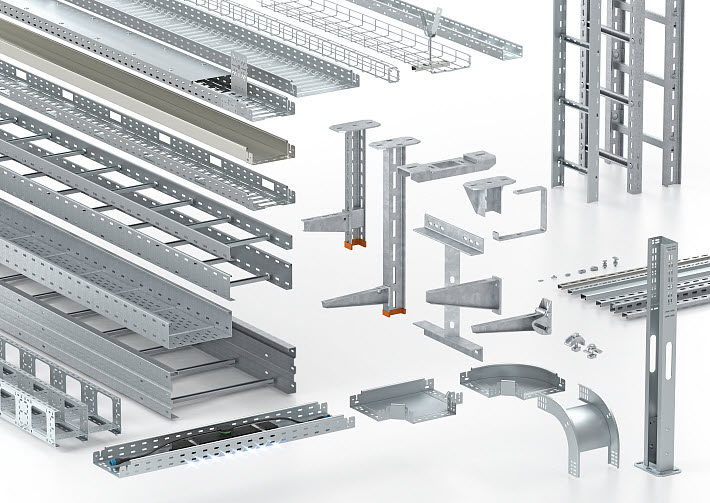
Cable Systems
Paneltech Systems offers comprehensive cable management systems for efficient, secure and organised cable setups across industrial and commercial environments.
View Product
PFC
Power Factor Correction panels designed to improve power quality and reduce energy costs in industrial installations.
View Product
APFC 112
Multispan APFC 112 automatic power factor controller for reactive power compensation and energy optimisation.
View ProductRising Electricity Bills Without Increased Load
A sudden or gradual increase in electricity bills without a corresponding increase in production is one of the strongest indicators of poor power factor. This happens because utilities like KPLC bill industrial users based on apparent power, not just active power.
When power factor drops, systems draw more current to deliver the same useful energy. This leads to higher demand charges and penalties in commercial tariff structures. In Kenyan industrial zones such as Nairobi Industrial Area and Mombasa port facilities, this issue is especially common due to heavy inductive loads like motors, compressors, and pumps.
Facilities operating without APFC correction often experience hidden cost inflation of 10–30% annually.
Frequent Transformer Overheating and Reduced Lifespan
Transformer overheating is a direct consequence of low power factor because the transformer must carry higher current than necessary for the same output. This excess current increases copper losses and accelerates insulation breakdown.
In Kenya’s coastal and inland industrial regions, high ambient temperatures further worsen cooling efficiency. As a result, transformers may operate near overload conditions even when production demand appears stable.
Common outcomes include insulation failure, increased maintenance cycles, and shortened equipment lifespan. APFC systems reduce reactive current demand and significantly lower thermal stress on transformers.
Frequent Circuit Breaker Tripping and Electrical Instability
Unexplained breaker trips often indicate unstable current caused by poor power factor rather than actual overload conditions. Reactive power causes voltage drops and current spikes that protection systems interpret as faults.
In many Kenyan facilities with motor-heavy loads such as manufacturing plants and HVAC systems, this results in repeated downtime and production interruptions.
The instability manifests as nuisance tripping, frequent resets, and reduced reliability of switchgear systems. APFC panels stabilize electrical flow by compensating inductive loads dynamically.
Transformer and Cable Heating Under Normal Load Conditions
Excessive heating in cables, busbars, or transformers at normal load levels is a key indicator of poor power factor. Low power factor increases current flow, which directly raises resistive heating losses.
This is particularly common in Kenyan installations with long cable runs or legacy infrastructure not designed for current industrial loads.
Symptoms include overheated panels, insulation discoloration, and premature cable failure. Improving power factor reduces RMS current and significantly lowers thermal stress across the system.
Poor Performance of Motors, Pumps, and Inductive Equipment
Inductive equipment that struggles to start or operates inefficiently is often affected by low power factor conditions. Reactive power reduces effective voltage utilization in motor-driven systems.
This is a major issue in Kenya’s agro-processing plants, water pumping stations, and manufacturing facilities. The effects include slow motor startup, reduced torque, and higher energy consumption per output unit.
Without correction, motors draw excessive reactive current, increasing mechanical and electrical stress.
Technical Table: APFC System Specifications
| Parameter | Specification |
|---|---|
| System Type | Automatic Power Factor Correction (APFC) Panel |
| Rated Voltage | 415V AC, 3-Phase, 50Hz |
| Power Factor Target | 0.95 – 0.99 |
| Capacitor Type | Heavy-duty MPP / Detuned Capacitors |
| Control Relay | Microcontroller-based APFC relay |
| Switching Device | Thyristor or contactor switching |
| Enclosure Rating | IP54 / IP65 (environment-dependent) |
| Standards Compliance | IEC 61439, IEC 60831, EPRA guidelines |
| Mounting Type | Floor-mounted / Wall-mounted |
| Operating Temperature | -5°C to 55°C |
Why Power Factor Issues Are Common in Kenya
Power factor issues are widespread in Kenya due to increasing industrial motor usage, unstable grid conditions, and limited adoption of correction systems. Many facilities operate without APFC systems despite having large inductive loads.
Contributing factors include voltage fluctuations from KPLC feeders, rapid industrial expansion, and lack of reactive power monitoring systems. Industrial zones such as Nairobi, Athi River, and Mombasa experience higher incidence due to concentrated heavy-load usage.
How APFC Systems Solve These Problems
APFC systems automatically monitor and correct reactive power by switching capacitor banks in real time. This improves power factor, reduces current draw, and stabilizes electrical networks.
Key benefits include reduced electricity costs, improved transformer efficiency, enhanced voltage stability, and extended equipment lifespan. Modern systems use microcontroller-based relays for continuous optimization.
When to Install Power Factor Correction
APFC systems should be installed immediately when a facility shows rising electricity costs, overheating equipment, or unstable electrical performance.Signs You Need Power Factor Correction
Critical indicators include power factor below 0.90, repeated breaker trips, transformer overheating, and heavy inductive load operations.
Conclusion
Power factor issues remain one of the most overlooked causes of inefficiency in Kenyan industrial and commercial power systems. While invisible at first, they significantly increase operational costs and reduce equipment lifespan over time.
Early detection of warning signs such as rising bills, overheating transformers, and unstable motor performance can prevent costly infrastructure damage.
Call to Action
Contact Paneltech Systems Ltd
Powering Kenya's Future with Reliable Electrical Solutions
Email: [email protected]
Phone: 0799 531765
Location: Nairobi, Kenya
Website: https://paneltechsystems.co.ke/
Our Specialized Services:
Low Voltage (LV) Panels & APFC Panels
VFD Drive Solutions & ATS / MTS Systems
Solar Power & EV Charging Infrastructure
Electrical Supplies & Engineering Consultations