Smart Motor Monitoring Systems: IoT Motor Tracking & Condition-Based Maintenance
Smart motor monitoring systems enable IoT motor tracking and condition-based maintenance using sensors for temperature, vibration, and load monitoring. Improve industrial reliability and reduce downtime in Kenya.
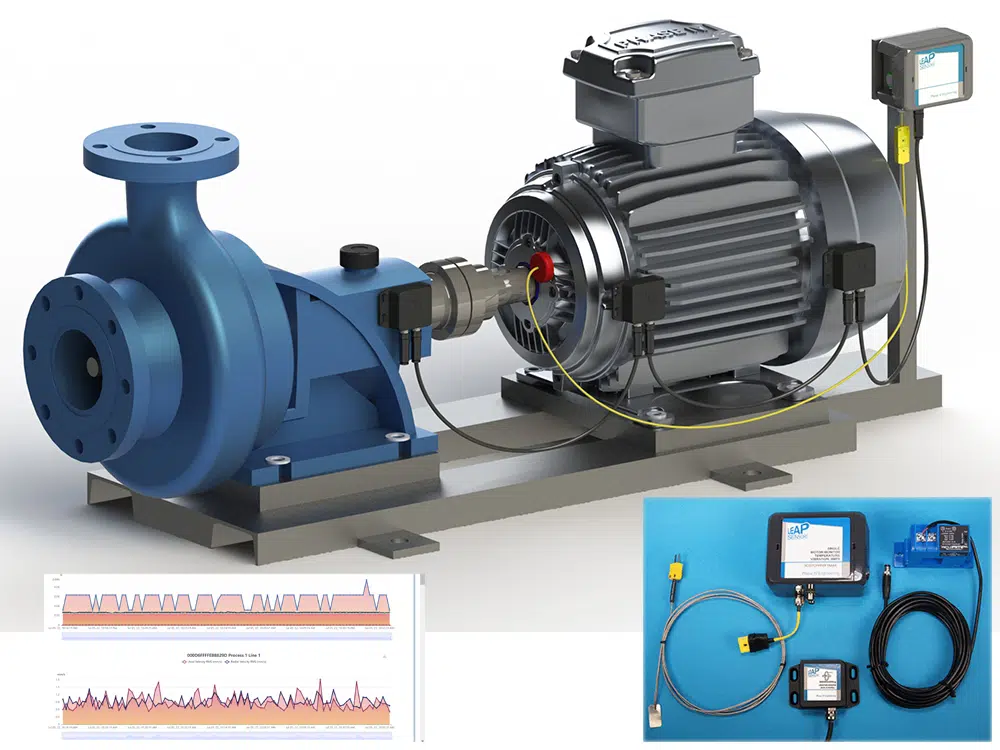
Industrial motors are no longer just “start and run” machines. In modern Industry 4.0 environments, motors are data-generating assets that continuously report their health, efficiency, and stress levels.
In Kenya’s industrial sector—especially manufacturing plants in Nairobi, agro-processing facilities in the Rift Valley, and port operations in Mombasa—motor failure is a major cause of downtime. Traditional maintenance methods rely on scheduled inspections, which often miss hidden faults.
Related Products

Motor Control
Reliable motor control panels for industrial and commercial use, providing customised solutions for safe and efficient motor operation.
View Product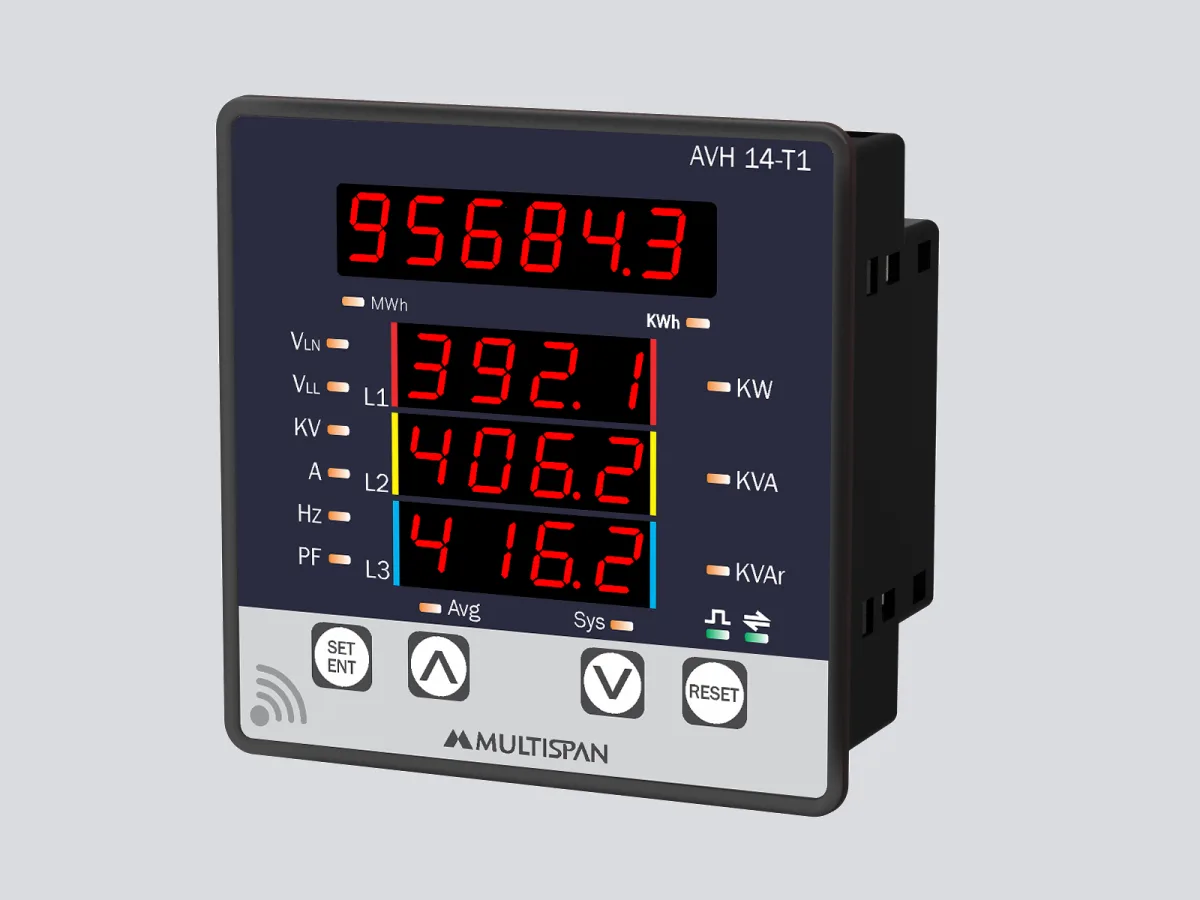
Multispan Smart Components
Multispan smart meters, relays and measurement instruments for intelligent power monitoring in industrial environments.
View Product
Commander C
Commander C VFD Drives from Paneltech Systems provide advanced motor control for industrial and commercial applications. Enhance efficiency and reliability.
View Product
Cable Systems
Paneltech Systems offers comprehensive cable management systems for efficient, secure and organised cable setups across industrial and commercial environments.
View ProductSmart motor monitoring systems solve this problem by using IoT sensors, PLC integration, and real-time analytics to detect early warning signs before failure occurs.
This guide explains how these systems work, how they are structured, and how they are transforming industrial reliability in Kenya.
What Are Smart Motor Monitoring Systems?
Smart motor monitoring systems are IoT-enabled solutions that continuously track motor performance parameters such as temperature, vibration, current, and load in real time. They enable predictive maintenance by identifying faults before they cause motor failure.
These systems are built into:
- Motor Control Centers (MCCs)
- Low voltage switchgear panels
- VFD-driven motor systems
- Industrial automation panels
In Kenya, they are increasingly used in industries affected by:
- Unstable KPLC power supply conditions
- High production demand cycles
- Limited maintenance manpower
Explore industrial systems here:
products
low-voltage-panels
Why Condition-Based Monitoring Is Replacing Scheduled Maintenance
Condition-based monitoring replaces fixed maintenance schedules with real-time equipment health tracking, allowing maintenance only when needed. This reduces unnecessary downtime and prevents unexpected motor failures.
Traditional Maintenance Problems:
- Motors serviced too early (waste of cost)
- Motors serviced too late (risk of failure)
- No visibility into internal motor stress
Condition-Based Advantages:
- Maintenance triggered by real data
- Reduced operational costs
- Improved motor lifespan
- Higher plant uptime
This approach is especially useful in Kenyan industries where production schedules are highly sensitive to downtime.
Core Architecture of Smart Motor Monitoring Systems
Smart motor monitoring systems are built using a layered architecture that includes sensors, data acquisition modules, communication networks, and cloud or SCADA analytics platforms. Each layer plays a critical role in capturing and interpreting motor health data.
System Architecture Diagram (Text-Based)
[ MOTOR ]
   ↓
[ SENSORS ]
 (Temperature / Vibration / Current / Voltage)
   ↓
[ DATA ACQUISITION UNIT ]
 (PLC / IoT Gateway / Smart Relay)
   ↓
[ COMMUNICATION LAYER ]
 (Modbus / Ethernet / Wireless IoT)
   ↓
[ SCADA / CLOUD PLATFORM ]
   ↓
[ DASHBOARD + ALERT SYSTEM ]
 (Mobile / PC / Control Room)
This layered structure ensures continuous visibility from the motor level all the way to the control room.
Key Sensors Used in Motor Monitoring
Smart motor monitoring systems rely on multiple sensors that measure electrical, thermal, and mechanical conditions of motors in real time. These sensors detect early signs of failure before physical damage occurs.
1. Current Sensors (CTs)
- Measure motor load current
- Detect overload or underload conditions
2. Temperature Sensors
- Monitor winding and bearing temperatures
- Prevent overheating and insulation failure
3. Vibration Sensors
- Detect imbalance, misalignment, or bearing wear
- Identify mechanical faults early
4. Voltage Sensors
- Monitor supply stability
- Detect phase imbalance and dips
Kenya Context:
In Nairobi and Mombasa industries, voltage instability and heat buildup are common failure triggers, making these sensors essential.
How Industrial IoT Motor Tracking Works
Industrial IoT motor tracking collects real-time data from sensors, transmits it via communication protocols, and analyzes it using software platforms to monitor motor health. This allows remote visibility and predictive fault detection.
Process Flow:
- Sensors collect motor performance data
- IoT gateway converts signals into digital format
- Data is transmitted via Modbus/Ethernet/Wi-Fi
- Cloud or SCADA system analyzes data
- Alerts are generated if abnormal patterns are detected
This system transforms motors into intelligent assets rather than passive equipment.
PLC Integration in Smart Monitoring Systems
PLCs act as the central processing unit in smart motor monitoring systems, collecting sensor data and executing automated responses based on programmed logic. They bridge the gap between physical equipment and digital control systems.
PLC Functions in Monitoring:
- Data acquisition from sensors
- Alarm generation during faults
- Automatic motor shutdown or restart
- Communication with SCADA systems
In Kenyan industrial environments, PLC systems are essential due to their ability to operate reliably under unstable power conditions.
Explore automation systems:
vfd-drives
#motor-control-panels
Vibration and Thermal Monitoring Explained
Vibration and thermal monitoring detect mechanical and temperature abnormalities that indicate early motor failure. These parameters are the most reliable indicators of long-term motor health degradation.
Vibration Monitoring:
- Detects shaft misalignment
- Identifies bearing wear
- Detects rotor imbalance
Thermal Monitoring:
- Tracks winding temperature
- Prevents insulation breakdown
- Identifies overload conditions
In Kenya, high ambient temperatures and dust exposure increase thermal stress on motors, making these systems essential.
SCADA and Cloud-Based Monitoring Systems
SCADA and cloud-based systems allow centralized monitoring of multiple motors across different locations in real time. They provide dashboards, alerts, and historical data for predictive maintenance.
Key SCADA Features:
- Real-time dashboards
- Alarm notifications
- Historical trend analysis
- Multi-site monitoring
Benefits in Kenya:
- Centralized control for distributed facilities
- Reduced need for on-site inspections
- Faster response to faults
Learn more:
knowledge-site
contact
System Specifications for Smart Motor Monitoring Panels
Smart motor monitoring systems are designed using IEC-compliant components that ensure accurate data collection, secure communication, and reliable industrial performance. They are engineered for harsh environments common in Kenyan industries.
System Specifications Table
| Parameter | Specification |
|---|---|
| Operating Voltage | 415V AC (3-phase) |
| Control Voltage | 24V DC |
| Frequency | 50Hz |
| Communication | Modbus RTU / Ethernet / IoT Wireless |
| Sensors | CTs, vibration sensors, temperature sensors |
| Data Processing | PLC / IoT Gateway |
| Display | HMI / SCADA Dashboard |
| Protection | Overload, phase loss, thermal protection |
| Enclosure Rating | IP54–IP65 |
| Standards | IEC 61439, IEC 61131-3 |
Benefits of Smart Motor Monitoring in Industry 4.0
Smart motor monitoring systems improve operational efficiency by enabling predictive maintenance, reducing downtime, and increasing energy efficiency. They transform industrial operations into data-driven ecosystems.
Key Benefits:
- Reduced unplanned downtime
- Improved energy efficiency
- Extended motor lifespan
- Lower maintenance costs
- Remote monitoring capability
These benefits are particularly valuable in Kenya’s competitive manufacturing and processing industries.
Challenges in Implementation
The main challenges in implementing smart motor monitoring systems include cost, integration complexity, and lack of skilled personnel. However, these challenges are decreasing as Industry 4.0 adoption grows in Kenya.
Common Challenges:
- Initial investment costs
- Integration with legacy systems
- Training requirements for technicians
- Network reliability in remote areas
Despite this, adoption is increasing due to long-term cost savings.
Future of Smart Motor Monitoring in Kenya
The future of motor monitoring lies in AI-driven predictive analytics, fully connected IoT ecosystems, and autonomous maintenance systems. These technologies will eliminate most unexpected motor failures.
Emerging Trends:
- AI-based fault prediction
- Cloud-based SCADA systems
- Wireless IoT sensor networks
- Digital twin modeling of motors
Kenya’s industrial sector is gradually transitioning toward fully smart factories.
Conclusion
Smart motor monitoring systems represent a major shift in industrial maintenance philosophy. By combining IoT sensors, PLC control, and real-time analytics, industries in Kenya can move from reactive maintenance to predictive, data-driven operations.
This transformation improves efficiency, reduces downtime, and ensures long-term reliability of critical motor systems.
Contact Paneltech Systems Ltd
Powering Kenya's Future with Reliable Electrical Solutions
Email: [email protected]
Phone: 0799 531765
Location: Nairobi, Kenya
Website: https://paneltechsystems.co.ke/
Our Specialized Services:
Low Voltage (LV) Panels & APFC Panels
VFD Drive Solutions & ATS / MTS Systems
Solar Power & EV Charging Infrastructure
Electrical Supplies & Engineering Consultations