ATS Kenya, Solar and EV Systems: 2026 Engineering Guide and Trends | Paneltech Systems Kenya
A look at how ATS Kenya systems, EV chargers, and solar combiners are transforming Kenya’s energy landscape through automation, reliability, and clean energy integration.
The Shift Toward Smart and Green Energy in Kenya
Kenya is rapidly shifting toward smart electrical systems that combine automation, solar energy, and EV infrastructure. Technologies like ATS systems, solar combiners, and EV chargers are driving this transformation.
The country’s energy demand is increasing due to industrial growth, urbanization, and electrification of transport. As a result, electrical systems are evolving from manual infrastructure to intelligent, automated, and sustainable solutions.
Related Products

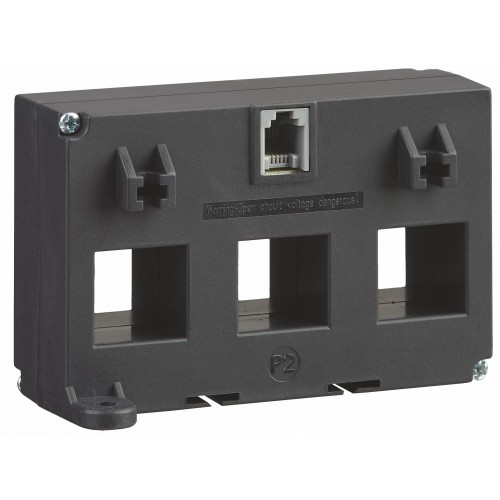
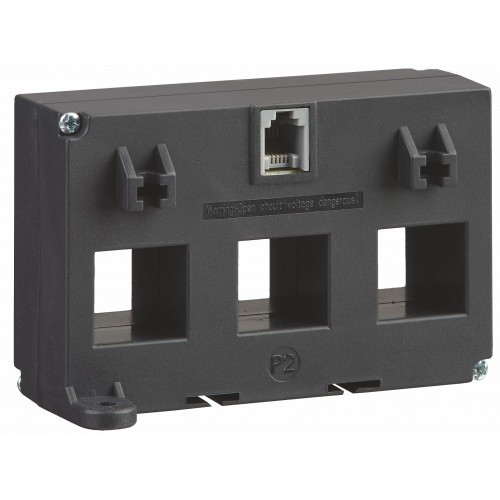
ATS / MTS Kenya
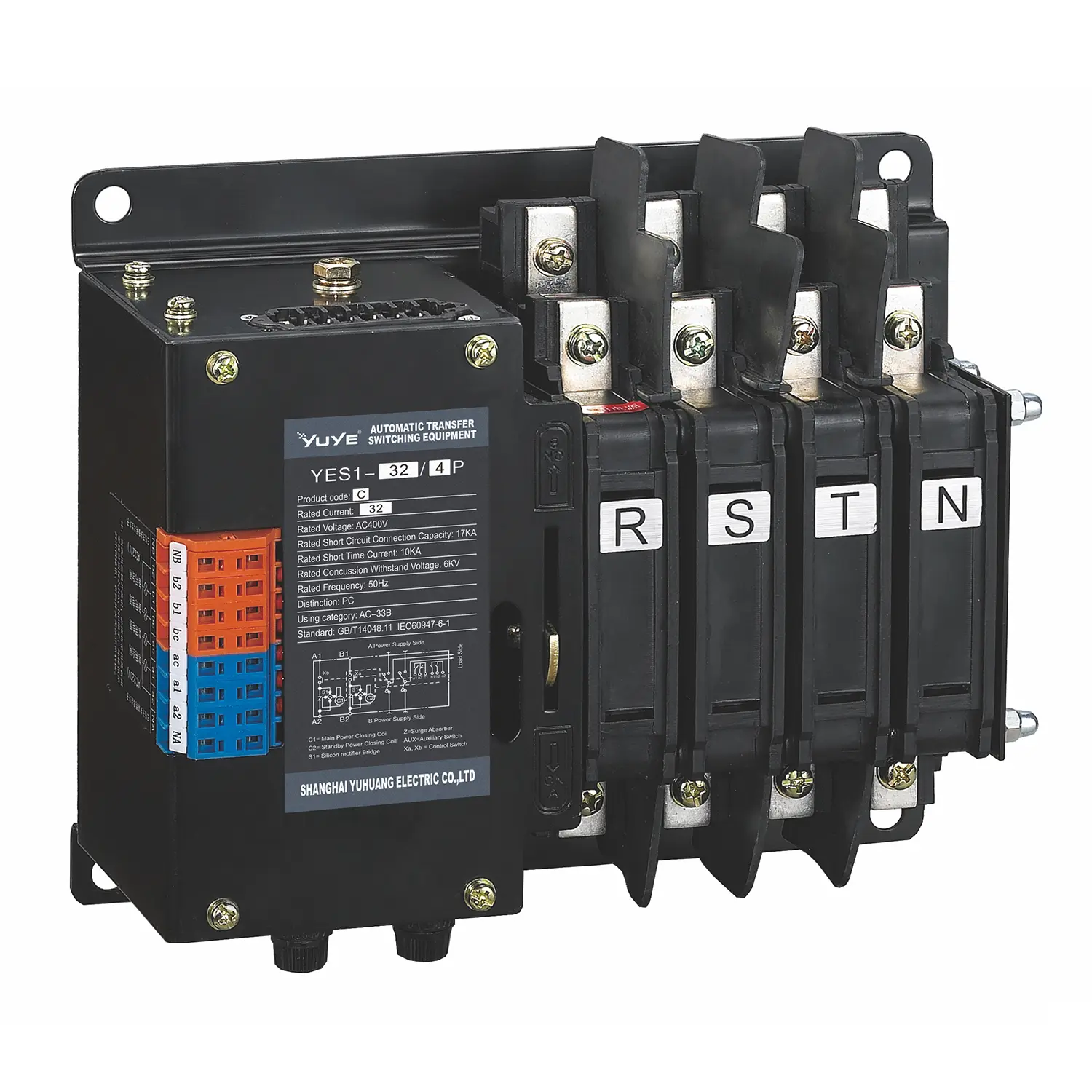
ATS/MTS solutions from Paneltech Systems provide reliable Automatic and Manual Transfer Switches for seamless power transfer in industrial and commercial electrical systems.
View Product
Cable Systems
Paneltech Systems offers comprehensive cable management systems for efficient, secure and organised cable setups across industrial and commercial environments.
View Product
Solar AC DB Combiner
Solar AC distribution board combiners for safe integration of solar power generation into the main electrical grid.
View Product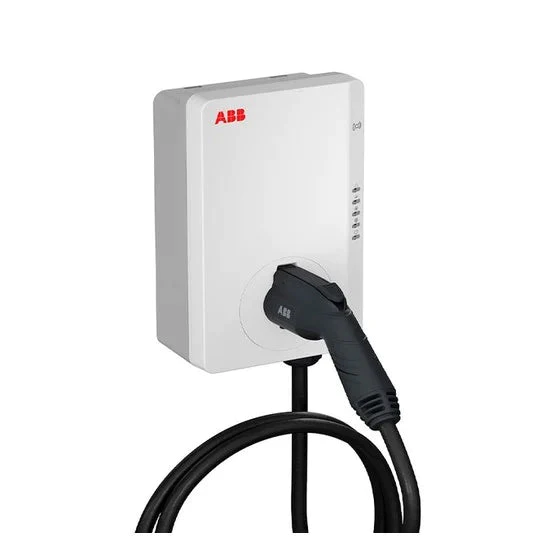
EV Chargers
ABB EV charging solutions for commercial and industrial premises, enabling reliable electric vehicle charging infrastructure.
View ProductCompanies such as Paneltech Systems Ltd are playing a key role in delivering integrated electrical systems that support this transition across industrial and commercial sectors.
What Defines Smart Electrical Power Systems?
Smart electrical power systems use automation, monitoring, and renewable integration to optimize energy usage and improve reliability. They reduce downtime and improve efficiency in both industrial and commercial environments.
These systems combine traditional electrical infrastructure with intelligent components such as automatic transfer switches, solar integration units, and digital monitoring devices. The goal is to create self-managing and efficient energy networks.
In modern installations, many of these components are deployed in structured systems like:
https://paneltechsystems.co.ke/products/low-voltage-panels/
ATS Kenya: The Backbone of Reliable Power Switching
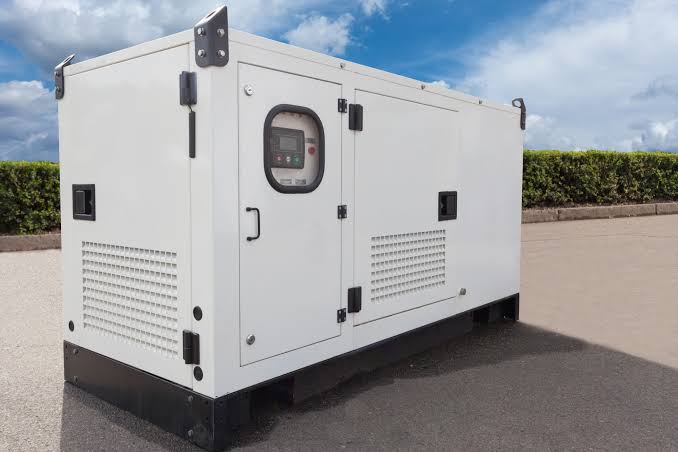
ATS (Automatic Transfer Switch) systems in Kenya ensure uninterrupted power by automatically switching between grid and backup sources like generators or solar systems. They are critical for preventing downtime.
In Kenya, power interruptions from the grid make ATS systems essential for hospitals, factories, and data centers. These systems detect power failure and switch to backup sources instantly without manual intervention.
In industrial environments, ATS units are commonly integrated with systems like:
https://paneltechsystems.co.ke/#apfc-112
They are also part of broader automation setups supported by Low Voltage Panels Category to ensure stable energy distribution.
Solar & EV Integration: The New Energy Ecosystem
Solar and EV systems are reshaping Kenya’s energy ecosystem by combining renewable generation with electric mobility infrastructure. This reduces dependence on fossil fuels and stabilizes long-term energy costs.
Solar energy systems generate clean power, while EV chargers consume this energy to support electric transportation. Together, they form a closed-loop sustainable energy system.
You can explore related renewable integration components here:
https://paneltechsystems.co.ke/#solar-ac-db-combiner
And EV-related infrastructure solutions within:
https://paneltechsystems.co.ke/#epm-14-m1
These systems are increasingly used in commercial installations across Nairobi and coastal regions.
The Role of Solar Combiner Systems
Solar combiner systems collect and organize multiple solar panel outputs into a single controlled output line. This improves efficiency, safety, and monitoring of solar installations.
In large solar installations, multiple strings of panels are used. Without a combiner system, managing these outputs becomes unsafe and inefficient.
Solar integration systems are commonly installed alongside industrial infrastructure such as:
https://paneltechsystems.co.ke/products/vfd-drives/
They are also part of renewable setups supported by Paneltech Systems Knowledge Site for system design and engineering guidance.
Smart Monitoring and Automation in Power Systems
Smart monitoring systems track electrical performance in real time and help prevent faults before they occur. They are essential for modern industrial automation and energy efficiency.
These systems collect data from sensors, indicators, and controllers to provide live system insights. Engineers can then make informed decisions to improve performance and reduce downtime.
Devices used in such systems are often integrated with instrumentation like:
https://paneltechsystems.co.ke/products/rishabh-products/
and control systems within:
https://paneltechsystems.co.ke/#multispan-components
Grid Stability and Power Optimization in Kenya
Grid instability in Kenya makes power optimization systems like ATS and APFC essential for industrial operations. They help maintain consistent voltage and reduce power losses.
Frequent voltage fluctuations from the national grid can damage sensitive equipment and reduce efficiency. Automation systems help stabilize these fluctuations.
Reactive power correction systems such as:
https://paneltechsystems.co.ke/#apfc-112
are widely used to improve power factor and reduce electricity costs in factories and commercial buildings.
System Specifications: Smart Energy Integration Components
Smart energy systems combine ATS, solar integration, and EV infrastructure into a unified electrical architecture. These systems must meet industrial safety and performance standards.
| Component | Specification |
|---|---|
| ATS System | Automatic switching (Grid / Generator / Solar) |
| Solar Combiner | Multi-string DC input aggregation |
| EV Charger Interface | AC/DC charging compatibility |
| Protection Level | IP54 / IP65 enclosure options |
| Control System | Microcontroller / PLC-based logic |
| Standards Compliance | IEC 61439, IEC 62109, EPRA guidelines |
These systems are commonly installed in structured electrical environments such as:
https://paneltechsystems.co.ke/products/low-voltage-panels/
Benefits of Smart and Green Energy Systems
Smart and green energy systems improve reliability, reduce operational costs, and support environmental sustainability. They are becoming essential in modern Kenyan infrastructure.
Key benefits include:
- Reduced power downtime through ATS automation
- Lower electricity costs using solar integration
- Improved energy efficiency through APFC systems
- Reduced carbon emissions through EV adoption
- Better system monitoring and fault detection
These benefits are increasingly driving adoption in industrial systems managed by Paneltech Systems Ltd.
Kenya’s Transition Toward Sustainable Energy
Kenya is transitioning toward a hybrid energy model that combines grid power, solar energy, and automated electrical systems. This transition is driven by industrial demand and environmental goals.
The adoption of solar systems, EV infrastructure, and smart automation is accelerating across Nairobi, Mombasa, and industrial zones. Government policies and private sector investment are supporting this shift.
Engineering firms and system integrators like Paneltech Systems are central to this transformation through advanced electrical infrastructure deployment.
The Future of Electrical Systems: Automation, Solar, and EV Integration
The future of electrical systems in Kenya will be fully automated, data-driven, and powered by renewable energy. Smart grids and intelligent distribution systems will replace traditional manual setups.
We are moving toward systems where ATS, solar, EV charging, and monitoring systems operate together seamlessly. These systems will optimize energy use automatically based on demand and availability.
Technologies such as those found in:
https://paneltechsystems.co.ke/products/low-voltage-panels/ and https://paneltechsystems.co.ke/products/vfd-drives/ will form the foundation of this future energy ecosystem.
Conclusion: A Smarter, Cleaner, and More Automated Energy Future
Kenya’s energy future is defined by smart automation, renewable integration, and intelligent electrical systems. Technologies like ATS Kenya systems, solar combiners, and EV infrastructure are driving this transformation.
As industries adopt these solutions, the country moves closer to a stable, efficient, and sustainable power ecosystem. The integration of automation and renewable energy will redefine how power is generated, distributed, and consumed.
This future is not just about electricity—it is about intelligent energy management that supports industrial growth and environmental responsibility.
Contact Paneltech Systems Ltd
Powering Kenya's Future with Reliable Electrical Solutions
Email: [email protected]
Phone: 0799 531765
Location: Nairobi, Kenya
Website: https://paneltechsystems.co.ke/
Our Specialized Services:
- Low Voltage (LV) Panels & APFC Panels
- VFD Drive Solutions & ATS / MTS Systems
- Solar Power & EV Charging Infrastructure
- Electrical Supplies & Engineering Consultations