Solar Distribution Board Price in Kenya: 2026 Engineering Guide and Specs | Paneltech Systems Kenya
Looking for solar distribution board price in Kenya? The final cost depends on IP rating, breaker brands, busbar sizing, protection devices, and system requirements. Paneltech Systems Ltd

The question of solar distribution board price in Kenya has become increasingly common as businesses, homeowners, developers, and institutions invest in solar energy systems. However, there is no single fixed price because a solar distribution board is an engineered electrical assembly whose cost depends on design specifications, protection requirements, installation environment, and future expansion needs.
A solar distribution board is not simply a box containing breakers. It is a critical safety and control component that connects solar PV systems, inverters, batteries, utility supplies, generators, and electrical loads. The quality of components used—including breakers, busbars, surge protection devices, enclosure materials, and metering equipment—directly affects system reliability and lifecycle cost.
Related Products

Distribution Boards
Distribution boards divide the main electrical power supply into smaller circuits while providing circuit protection for residential, commercial and industrial applications.
View Product
Solar AC DB Combiner
Solar AC distribution board combiners for safe integration of solar power generation into the main electrical grid.
View Product
ATS / MTS Kenya
ATS/MTS solutions from Paneltech Systems provide reliable Automatic and Manual Transfer Switches for seamless power transfer in industrial and commercial electrical systems.
View Product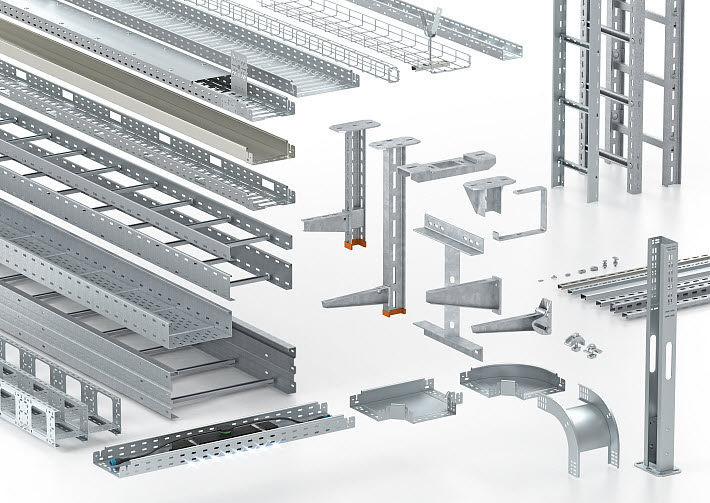
Cable Systems
Paneltech Systems offers comprehensive cable management systems for efficient, secure and organised cable setups across industrial and commercial environments.
View ProductA low-cost panel may appear attractive initially but can create long-term problems through overheating, nuisance tripping, poor protection coordination, and premature equipment failure.
At Paneltech Systems Ltd, we design and manufacture custom solar distribution boards based on actual project requirements, ensuring the correct balance between safety, performance, and cost. Learn more about our company atabout, explore our complete electrical products at products, or contact our engineering team through contact.
What Determines Solar Distribution Board Price in Kenya?
The price of a solar distribution board in Kenya is mainly determined by electrical capacity, protection devices, enclosure specifications, component brands, and project complexity. A properly engineered quotation considers both current requirements and future expansion needs.
Unlike standard consumer electrical boxes, solar distribution boards are customised according to the connected solar system.
Major cost factors include:
- System voltage
- Number of outgoing circuits
- Inverter capacity
- Battery integration requirements
- Protection devices
- Enclosure rating
- Busbar size
- Metering requirements
- Installation environment
- Compliance requirements
A small residential solar installation may require a compact AC distribution board, while an industrial solar project may require a large LV panel with multiple feeders, monitoring systems, and advanced protection.
Typical Solar Distribution Board Cost Factors
Solar distribution board pricing varies because every project requires different levels of protection, capacity, and engineering. The cheapest option is not always the most economical because poor-quality components can increase maintenance costs.
The main cost drivers include:
Breaker Brand and Quality
Circuit breakers are among the most important components in a solar distribution board.
Premium breaker manufacturers typically provide:
- Higher breaking capacity
- Better mechanical durability
- Improved fault protection
- Longer operational life
Industrial projects often specify recognised switchgear brands to meet reliability and compliance requirements.
Busbar Size and Material
Copper busbars significantly influence panel cost.
Larger systems require:
- Higher current carrying capacity
- Increased thermal performance
- Better short-circuit withstand capability
Undersized busbars may overheat and reduce system reliability.
Protection Equipment
Solar systems require specialised protection including:
- AC surge protection devices
- DC surge protection devices
- DC isolators
- MCCBs
- MCBs
- RCCBs/RCDs
The number and rating of protection devices directly affect overall cost.
Solar Distribution Board Specifications Table
A professionally designed solar distribution board should include properly rated components based on system requirements. The specifications determine both performance and final project cost.
| Specification | Typical Value |
|---|---|
| Rated Voltage | 230V / 415V AC |
| Solar DC Voltage | 600V – 1000V DC (System Dependent) |
| Frequency | 50 Hz |
| Enclosure Material | Powder-Coated CRCA Steel / Stainless Steel |
| Protection Rating | IP54 Indoor / IP65 Outdoor |
| Busbar Material | Electrolytic Copper |
| Incoming Protection | MCCB / Isolator |
| Outgoing Protection | MCB / MCCB |
| Surge Protection | Type I / Type II SPD |
| Metering | Digital Multifunction Meter |
| Mounting Type | Wall Mounted / Floor Standing |
| Standards | IEC 61439, IEC 60947 |
How IP Rating Affects Solar Distribution Board Price
The enclosure protection rating directly affects solar distribution board cost because higher IP ratings require stronger construction, better sealing, and improved environmental protection. Selecting the correct IP rating prevents unnecessary spending while ensuring reliability.
Kenya has diverse environmental conditions that influence enclosure selection.
Nairobi Installations
Indoor electrical rooms generally use IP54 enclosures where exposure to dust and moisture is controlled.
Coastal Areas Such as Mombasa
High humidity and salt exposure increase corrosion risks. Outdoor solar panels often require:
- IP65 protection
- Stainless steel options
- Improved sealing
- Corrosion-resistant finishes
Dusty Industrial Regions
Factories, farms, quarries, and processing plants may require higher protection due to airborne contaminants.
Choosing the correct IP rating ensures equipment protection without unnecessarily increasing project cost.
AC and DC Protection Requirements
Solar distribution boards require specialised AC and DC protection to safely manage energy generated from photovoltaic systems. Protection equipment selection is a major factor affecting both performance and price.
DC Protection
PV systems require:
- DC isolators
- String protection
- DC surge protection
- Correctly rated DC breakers
AC Protection
The inverter output requires:
- AC isolators
- MCCBs or MCBs
- RCCB/RCD protection
- AC surge protection
Proper coordination prevents equipment damage and improves system safety.
Residential vs Commercial Solar Distribution Board Pricing
Residential and commercial solar distribution boards differ significantly in complexity, capacity, and protection requirements. Larger installations require more advanced engineering and higher-rated components.
Residential Solar Systems
Typical requirements:
- Single-phase supply
- Compact enclosure
- Basic protection
- Limited outgoing circuits
- Small inverter capacity
Commercial Buildings
Requirements may include:
- Three-phase systems
- Larger MCCBs
- Energy monitoring
- Multiple solar inverters
- Load management
Industrial Facilities
Industrial systems may require:
- LV switchboards
- APFC integration
- Motor loads
- Generator integration
- Advanced protection coordination
Paneltech provides customised LV panel solutions for commercial and industrial applications through low-voltage-panels.
Why Cheap Solar Distribution Boards Can Become Expensive
A low initial solar distribution board price can result in higher lifecycle costs if poor-quality components, incorrect sizing, or inadequate protection are used. Proper engineering provides better long-term value.
Common problems with poorly designed panels include:
- Overheating busbars
- Breaker failures
- Frequent tripping
- Poor surge protection
- Difficult maintenance
- Limited expansion capacity
- Safety risks
A professionally manufactured panel considers:
- Load calculations
- Fault levels
- Cable sizing
- Thermal management
- Environmental conditions
- Future requirements
Solar Distribution Boards and Power Quality in Kenya
Solar distribution boards must consider power quality challenges such as voltage fluctuations and harmonics that affect sensitive electrical equipment. Proper design improves system stability and reliability.
Kenyan facilities connected to KPLC may experience:
- Voltage variations
- Harmonic distortion
- Power factor issues
- Switching transients
Industrial customers may require additional solutions such as:
- APFC panels
- Power monitoring
- Harmonic analysis
- Energy management systems
Paneltech provides power management solutions including APFC systems available at #apfc-112.
Integrating Batteries and Hybrid Solar Systems
Modern solar distribution boards increasingly integrate battery storage, hybrid inverters, and backup systems. These additional functions increase design complexity and influence the final project cost.
Hybrid systems may include:
- Solar PV
- Battery Energy Storage Systems (BESS)
- Grid supply
- Generator backup
- Critical load circuits
Battery-integrated systems require:
- DC isolation
- Battery protection
- Additional monitoring
- Communication systems
For battery and hybrid solutions, Paneltech provides engineered electrical infrastructure designed for Kenya's energy requirements.
Standards and Compliance
Compliance with recognised electrical standards ensures solar distribution boards are safe, reliable, and suitable for professional installations. Standards also help consultants and contractors specify quality equipment.
Important standards include:
- IEC 61439 – Low Voltage Switchgear Assemblies
- IEC 60947 – Switchgear and Controlgear
- IEC 61643 – Surge Protection Devices
- IEC 60364 – Electrical Installations
- EPRA electrical requirements in Kenya
Compliance improves installation quality and supports safe operation.
How to Request an Accurate Solar Distribution Board Quote
An accurate solar distribution board quotation requires technical project information rather than only a basic price request. Engineers need system details to provide the correct design and component selection.
Important information includes:
- Solar system size (kW)
- Inverter specification
- Battery capacity
- Supply voltage
- Number of circuits
- Indoor or outdoor installation
- Required IP rating
- Monitoring requirements
- Future expansion plans
Paneltech engineers can review project requirements and provide an itemised design approach.
Common Mistakes When Comparing Solar Distribution Board Prices
Comparing solar distribution boards only by price can lead to incorrect purchasing decisions. Engineers should evaluate specifications, protection levels, component quality, and long-term reliability.
Common mistakes include:
- Choosing the cheapest quotation
- Ignoring IP rating
- Using undersized busbars
- Selecting poor-quality breakers
- Missing surge protection
- Ignoring future expansion
- Not checking standards compliance
Why Choose Paneltech Systems Ltd?
Paneltech Systems Ltd provides engineered solar distribution boards designed for Kenyan residential, commercial, and industrial applications. Our solutions combine quality components, technical expertise, and standards-based manufacturing.
Our services include:
- Solar Distribution Boards
- Low Voltage Panels
- APFC Panels
- Hybrid Solar Panels
- Battery Storage Distribution Boards
- ATS and MTS Systems
- VFD Drive Solutions
- Electrical Engineering Consultation
- Panel Manufacturing
- Installation Support
- Commissioning
Explore our engineering capabilities through home-main, view technical resources at knowledge-site, discover residential solutions at paneltechhomes, or visit home1.
Frequently Asked Questions
Understanding the factors behind solar distribution board pricing helps customers select the correct solution for their project. The following questions address common concerns from property owners, engineers, and contractors.
How much does a solar distribution board cost in Kenya?
The cost depends on system size, protection requirements, enclosure rating, component brands, and customisation.
Why do solar distribution board prices differ?
Prices vary because different projects require different levels of protection, capacity, and engineering.
Is a custom solar distribution board better than a standard one?
Yes. Custom designs ensure the panel matches the inverter, loads, environment, and future requirements.
What IP rating should I choose?
IP54 is suitable for many indoor installations, while IP65 is preferred for outdoor, coastal, or dusty environments.
Can batteries be added later?
Yes, if the original design includes sufficient capacity and expansion provisions.
Powering Kenya's Future with Reliable Electrical Solutions
Email: [email protected]
Phone: 0799 531765
Location: Nairobi, Kenya
Website: https://paneltechsystems.co.ke/
Our Specialized Services:
- Low Voltage (LV) Panels & APFC Panels
- VFD Drive Solutions & ATS / MTS Systems
- Solar Power & EV Charging Infrastructure
- Electrical Supplies & Engineering Consultations