Solar Hybrid Distribution Board Kenya: 2026 Engineering Guide and Specs | Paneltech Systems Kenya
Looking for a solar hybrid distribution board Kenya projects can rely on? A properly specified hybrid distribution board integrates solar PV, battery storage, inverter protection, and utility power using IEC-compliant component
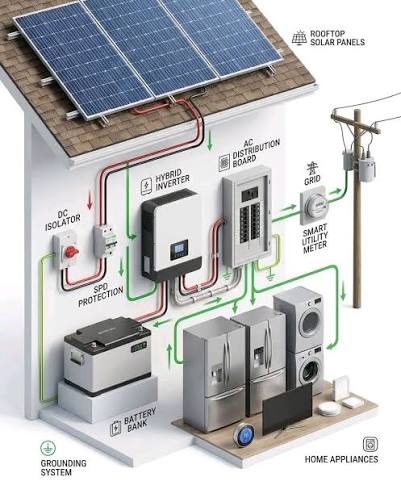
Modern commercial and residential buildings across Kenya are increasingly adopting hybrid solar power systems to reduce electricity costs, improve power reliability, and ensure continuous operation during grid outages. However, the performance of a hybrid solar installation depends not only on the quality of the photovoltaic (PV) modules or batteries but also on the design and engineering of the solar hybrid distribution board that manages the entire electrical system.
A professionally engineered hybrid distribution board provides safe integration between solar PV arrays, battery storage, inverter systems, utility power from Kenya Power (KPLC), and backup generators where applicable. It also protects personnel and equipment from overloads, short circuits, earth faults, transient surges, and switching events while ensuring compliance with Kenyan electrical regulations and international standards.
Related Products

Distribution Boards
Distribution boards divide the main electrical power supply into smaller circuits while providing circuit protection for residential, commercial and industrial applications.
View Product
Solar AC DB Combiner
Solar AC distribution board combiners for safe integration of solar power generation into the main electrical grid.
View Product
ATS / MTS Kenya
ATS/MTS solutions from Paneltech Systems provide reliable Automatic and Manual Transfer Switches for seamless power transfer in industrial and commercial electrical systems.
View Product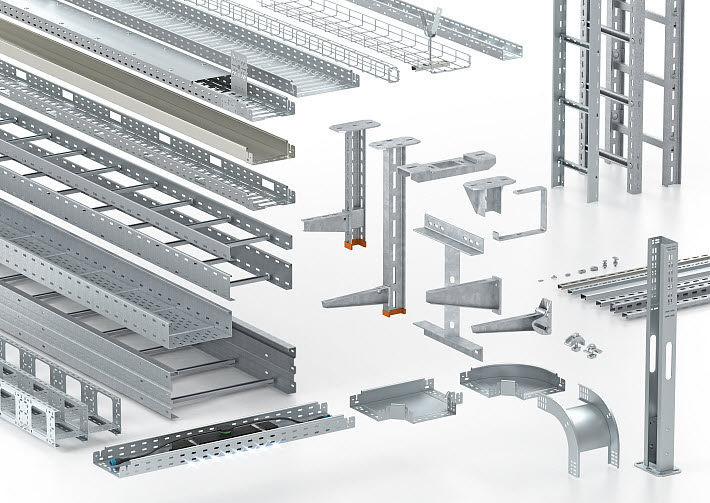
Cable Systems
Paneltech Systems offers comprehensive cable management systems for efficient, secure and organised cable setups across industrial and commercial environments.
View ProductAt Paneltech Systems Ltd, we design and manufacture custom-engineered hybrid distribution boards for industrial, commercial, institutional, agricultural, and residential applications across Kenya and East Africa. Learn more about our engineering expertise on our About Paneltech Systems page: about, or explore our complete range of electrical solutions at products.
What Is a Solar Hybrid Distribution Board?
A solar hybrid distribution board safely distributes electrical power from multiple energy sources—including solar PV, battery storage, utility supply, and generators—through a single coordinated protection system. It combines AC and DC protection devices, isolation equipment, surge protection, and monitoring to improve safety, reliability, and operational flexibility.
Unlike conventional electrical distribution boards that receive power solely from the utility grid, hybrid distribution boards manage multiple energy inputs and prioritize power sources according to system programming.
Typical energy sources include:
- Solar PV arrays
- Lithium battery storage
- Hybrid inverter
- Kenya Power (KPLC) supply
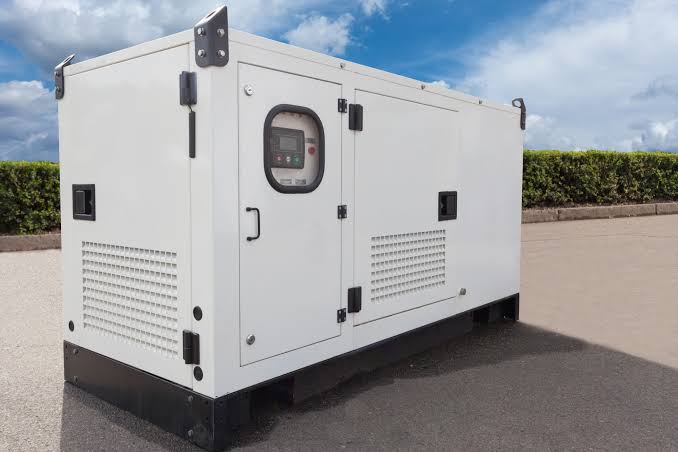
- Diesel generator backup
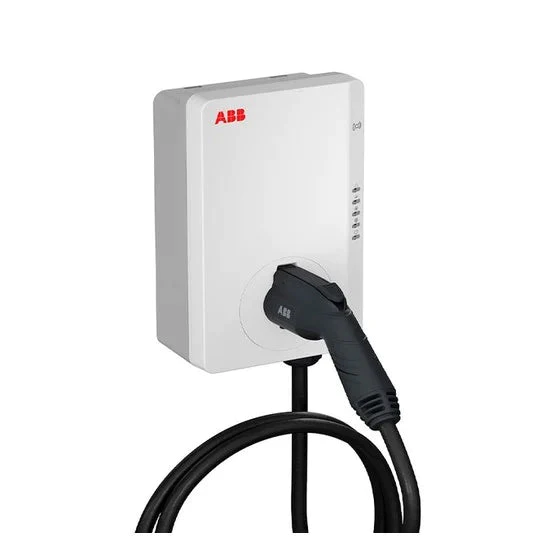
- EV charging systems
- Critical load circuits
This intelligent integration allows uninterrupted power supply while maximizing solar energy utilization and reducing dependency on the national grid.
Why Hybrid Distribution Boards Are Becoming Essential in Kenya
Hybrid distribution boards have become increasingly important because they help Kenyan facilities overcome grid instability, reduce electricity costs, and maximize renewable energy utilization. Proper engineering also improves electrical safety and simplifies future system expansion.
Kenya continues to experience growing electricity demand alongside increasing adoption of renewable energy technologies. Commercial buildings, hospitals, factories, schools, hotels, and residential estates now require electrical infrastructure capable of seamlessly managing multiple power sources.
Several local factors influence distribution board design:
KPLC Grid Fluctuations
Voltage variations, planned maintenance, and occasional outages make uninterrupted power essential for many facilities. Hybrid systems automatically switch between utility, battery, and solar sources while protecting sensitive equipment.
Rising Electricity Costs
Commercial users benefit from maximizing daytime solar production and minimizing peak grid consumption through intelligent load management.
EPRA Compliance
Electrical installations in Kenya should comply with applicable Energy and Petroleum Regulatory Authority (EPRA) requirements and internationally recognized standards such as IEC and BS EN for switchgear, protective devices, and installation practices.
Major Components of a Solar Hybrid Distribution Board
Every hybrid distribution board should include coordinated AC and DC protection devices, isolation switches, surge protection, quality busbars, and appropriately rated enclosures. Correct component selection ensures safe operation, simplified maintenance, and long equipment life.
A professionally engineered board typically contains:
DC Isolators
Allow safe disconnection of PV strings for maintenance or emergencies.
DC Surge Protection Devices (SPD)
Protect inverters and batteries from lightning-induced surges common during Kenya's rainy seasons.
AC MCCBs and MCBs
Provide overload and short-circuit protection for outgoing circuits.
Residual Current Devices (RCD/RCCB)
Protect personnel against electric shock.
Changeover or ATS Integration
Automatically transfers loads between utility and backup power sources where required.
Facilities requiring integrated transfer systems can also explore ATS and changeover solutions through Paneltech's electrical engineering services available from the main website: paneltechsystems.
Copper Busbars
High-conductivity copper busbars reduce power losses while improving thermal performance and long-term reliability.
Digital Power Monitoring
Modern hybrid boards may include multifunction energy meters for:
- Voltage
- Current
- Frequency
- Power factor
- Energy consumption
- Harmonic monitoring
Monitoring solutions can be integrated using products from the Rishabh range available at rishabh-products.
System Specifications Table
| Specification | Typical Value |
|---|---|
| Rated Voltage | 415V AC / 230V AC |
| DC Voltage | Up to 1000V DC |
| Frequency | 50 Hz |
| Enclosure Material | Powder-coated CRCA Steel or Stainless Steel |
| Protection Rating | IP54 Indoor / IP65 Outdoor |
| Busbar Material | Electrolytic Copper |
| Incoming Supply | Solar + Grid + Generator |
| Standards | IEC 61439, IEC 60947, BS EN |
| Surge Protection | Type II SPD (AC & DC) |
| Mounting | Wall or Floor Mounted |
| Earthing | IEC-Compliant Earth Bar |
Selecting the Correct IP Rating for Kenyan Conditions
Environmental conditions significantly influence enclosure selection. IP54 enclosures generally suit clean indoor environments, while IP65 enclosures provide superior protection against dust, humidity, and water ingress in harsh locations.
Kenya's diverse climate requires engineers to specify enclosure ratings according to installation conditions.
Nairobi
Indoor commercial installations commonly use IP54 enclosures where exposure to dust and moisture is limited.
Mombasa
Coastal humidity and salt-laden air increase corrosion risks. Stainless steel or specially treated IP65 enclosures are recommended.
Rift Valley
Agricultural processing plants, quarries, and manufacturing facilities often experience heavy dust levels, making IP65 protection preferable.
Correct enclosure selection extends equipment life while reducing maintenance costs.
Integrating Power Factor Correction in Hybrid Installations
Industrial hybrid power systems may still require Automatic Power Factor Correction (APFC) despite significant solar generation. Proper APFC design minimizes utility penalties, improves system efficiency, and stabilizes electrical performance.
Solar inverters alone do not always eliminate poor power factor caused by inductive industrial loads such as motors, compressors, welding equipment, and pumps.
Facilities with substantial inductive loads should consider integrating engineered APFC panels to maintain acceptable power factor levels and reduce unnecessary utility charges.
Paneltech manufactures custom APFC solutions that can be explored through the APFC section on the website: #apfc-112.
Standards That Matter
A professionally manufactured hybrid distribution board should comply with internationally recognized electrical standards and relevant Kenyan regulatory requirements. Standards ensure equipment safety, reliability, and long-term operational performance.
Important standards include:
- IEC 61439 – Low-voltage switchgear assemblies
- IEC 60947 – Low-voltage switching devices
- IEC 61643 – Surge protective devices
- IEC 60364 – Electrical installations
- BS EN switchgear requirements where applicable
- EPRA electrical installation requirements
Compliance also assists consultants, contractors, and facility owners during project approvals and commissioning.
Common Applications
Hybrid distribution boards are suitable for a wide range of facilities requiring reliable power management. Custom engineering ensures each system matches operational requirements and future expansion plans.
Typical applications include:
- Manufacturing plants
- Commercial office buildings
- Hospitals
- Universities
- Schools
- Hotels and lodges
- Apartment developments
- Shopping malls
- Agricultural processing facilities
- Water pumping stations
- Data centres
- EV charging infrastructure
Common Design Mistakes to Avoid
Incorrect sizing, inadequate protection coordination, and poor environmental protection are among the most common causes of hybrid system failures. Early engineering review helps prevent costly modifications after installation.
Frequent mistakes include:
- Undersized busbars
- Incorrect inverter protection
- Missing DC surge arrestors
- Inadequate cable sizing
- Poor ventilation
- Incorrect enclosure IP rating
- Lack of future expansion capacity
- Improper earthing arrangements
Why Choose Paneltech Systems Ltd?
Paneltech Systems Ltd delivers engineered electrical solutions tailored to Kenyan operating conditions. Our hybrid distribution boards are designed for reliability, standards compliance, and long-term performance across industrial, commercial, and residential projects.
Our capabilities include:
- Custom LV panel manufacturing
- Hybrid solar distribution boards
- Automatic Power Factor Correction (APFC) panels
- Motor Control Centres (MCC)
- Automatic Transfer Switch (ATS) systems
- Variable Frequency Drive (VFD) integration
- Electrical engineering consultation
- Installation support
- Commissioning services
- Preventive maintenance
Explore our complete product portfolio at products, access technical resources via the Knowledge Site at knowledge-site, discover our engineering solutions on the main homepage atpaneltechsystems, or reach our team directly through contact. Additional company information is also available at home-main,home1, and our residential solutions page atpaneltechhomes.
Frequently Asked Questions
Are hybrid distribution boards suitable for residential solar systems?
Yes. They can be designed for homes, apartments, and residential estates using appropriately rated protective devices and enclosures.
Can existing distribution boards be upgraded?
Many installations can be upgraded after a technical assessment, though older boards may require replacement if they cannot safely accommodate hybrid components.
Is surge protection necessary?
Yes. Both AC and DC surge protection devices are strongly recommended, particularly in areas susceptible to lightning activity.
What enclosure rating should I specify?
IP54 is generally suitable for indoor installations, while IP65 is recommended for outdoor, coastal, or dusty environments.
Can the board support future expansion?
Yes. Engineers should incorporate spare ways, appropriately sized busbars, and additional capacity to accommodate future PV arrays, batteries, or EV chargers.
Powering Kenya's Future with Reliable Electrical Solutions
Email: [email protected]
Phone: 0799 531765
Location: Nairobi, Kenya
Website: https://paneltechsystems.co.ke/
Our Specialized Services:
- Low Voltage (LV) Panels & APFC Panels
- VFD Drive Solutions & ATS / MTS Systems
- Solar Power & EV Charging Infrastructure
- Electrical Supplies & Engineering Consultations