Star Delta vs Soft Starter: Inrush Current Comparison and Industrial Motor Starting Guide | Paneltech Systems Kenya
Star delta vs soft starter comparison: learn how motor inrush current is reduced using mechanical star-delta switching vs electronic soft starter voltage control in industrial systems.

A Star Delta Starter reduces motor starting current by initially connecting the motor windings in a star configuration before switching to delta operation at full speed. A Soft Starter, on the other hand, uses semiconductor devices to gradually increase voltage, delivering a smooth and controlled motor start.
In industrial systems across Kenya, both methods are used to reduce motor inrush current, but soft starters offer superior control, reduced mechanical stress, and better adaptability for sensitive equipment.
How a Star Delta Starter Works
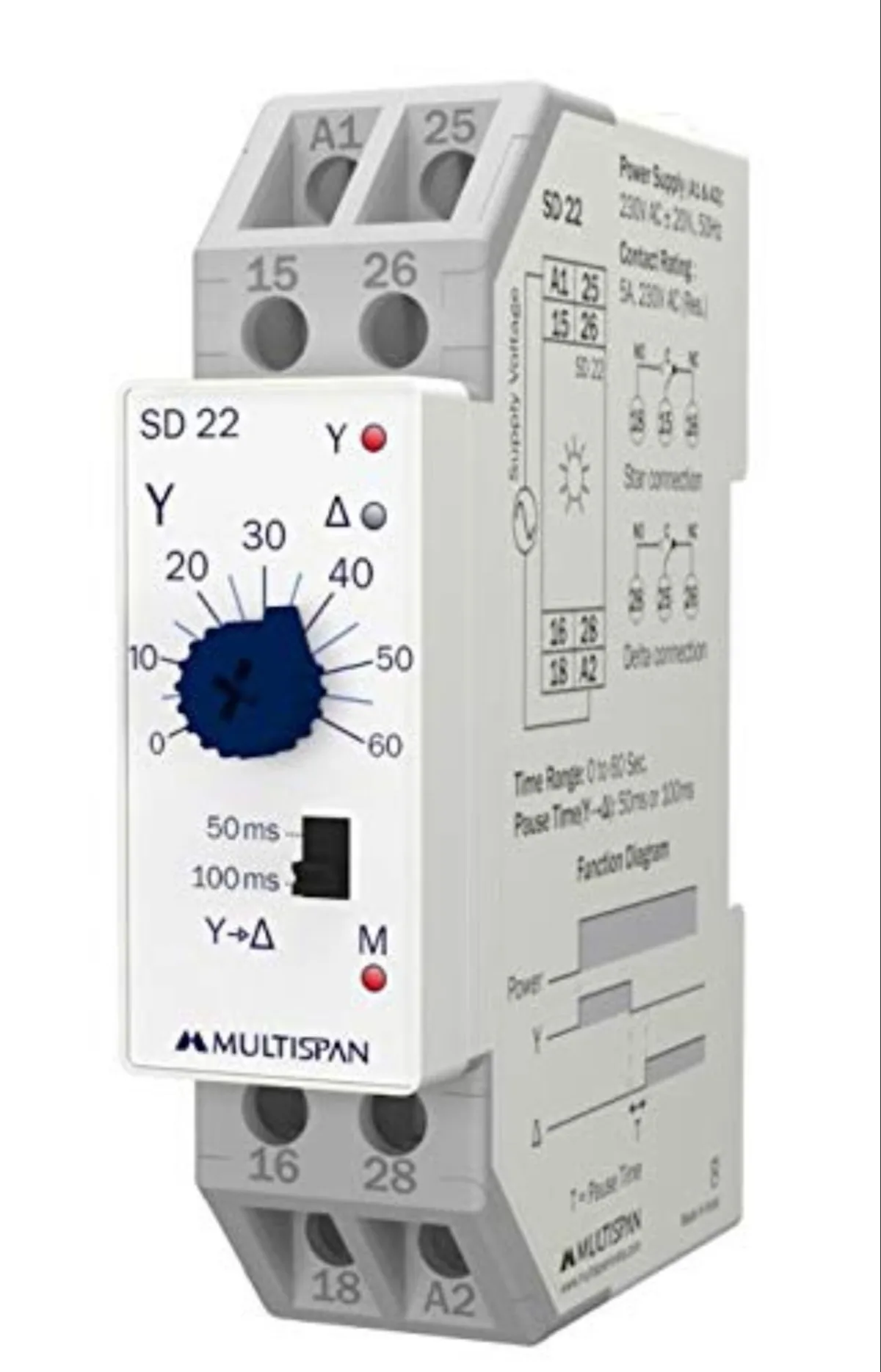
A Star Delta Starter is an electromechanical starting method that reduces starting current by temporarily lowering voltage during motor startup.
It transitions from star connection (reduced voltage) to delta connection (full voltage) once the motor reaches a preset speed.
Operating Stages:
1. Star Connection (Starting Phase)
- Motor windings are connected in star configuration
- Voltage per winding is reduced
- Starting current is significantly lowered
2. Transition Phase
- Timer or relay triggers switching sequence
- Motor accelerates toward rated speed
3. Delta Connection (Running Phase)
- Windings switch to delta configuration
- Full line voltage is applied
- Motor runs at rated torque
✔ This method is simple but creates a brief interruption during transition.
How a Soft Starter Works
A Soft Starter controls motor voltage electronically using solid-state devices such as thyristors (SCRs) to gradually ramp up voltage and current during startup.
This eliminates sudden mechanical and electrical shocks, making it ideal for modern industrial automation systems.
Operating Principle:
- Voltage starts low and increases gradually
- Current is controlled in a smooth ramp
- Motor accelerates without sudden torque spikes
✔ No mechanical switching → no transition shock
Inrush Current Comparison
Motor inrush current is the high initial current drawn when a motor starts, often 5–8 times the rated current in direct starting methods. Both Star Delta and Soft Starters aim to reduce this effect but in different ways.
Soft starters provide a more controlled reduction, while Star Delta offers a stepped reduction with mechanical switching limitations.
Star Delta Starter:
- Reduces current to approx. 30–40% during start
- Sudden transition between star and delta
- Temporary torque dip during switching
Soft Starter:
- Smooth current ramp control
- Adjustable current limit
- No torque interruption
✔ Soft starters provide superior inrush current control and system stability.
Torque Performance Difference
Torque control determines how smoothly a motor accelerates under load, especially in pumps, compressors, and conveyors.
Soft starters maintain consistent torque delivery, while Star Delta starters experience torque fluctuations during transition.
- Star Delta: Reduced starting torque, possible mechanical shock
- Soft Starter: Smooth torque increase, reduced wear and tear
Applications in Kenyan Industry
In Kenya’s industrial environment, the choice between Star Delta and Soft Starter depends on load sensitivity, power stability, and operational efficiency requirements.
Factories dealing with water pumping, manufacturing lines, and HVAC systems often evaluate both based on cost vs performance trade-offs.
Star Delta Applications:
- Water pumps (non-critical systems)
- Basic compressors
- Low-cost industrial setups
Soft Starter Applications:
- Conveyor systems
- HVAC chillers
- Sensitive mechanical systems
- High-inertia industrial loads
Kenya Power Considerations (KPLC Grid Impact)
Kenya’s electrical grid can experience voltage fluctuations, phase imbalance, and occasional outages, which affect motor starting performance.
Soft starters provide better resilience to unstable conditions compared to Star Delta systems due to electronic control and adaptive ramping.
- Star Delta: Sensitive to voltage dips during switching
- Soft Starter: Maintains controlled ramp even under fluctuations
Mechanical Stress and Equipment Lifespan
Mechanical stress during motor starting directly affects gearbox systems, couplings, and pump impellers. Reducing this stress improves equipment lifespan and reduces maintenance costs.
Soft starters significantly reduce mechanical shock compared to Star Delta systems, especially in high-load applications.
- Star Delta: Higher mechanical shock during transition
- Soft Starter: Minimal vibration and smoother acceleration
System Specifications Table
| Parameter | Star Delta Starter | Soft Starter |
|---|---|---|
| Starting Method | Electromechanical switching | Electronic voltage control |
| Inrush Current | Reduced (~30–40%) | Smooth, adjustable limit |
| Torque Control | Step-based | Continuous ramp |
| Switching Mechanism | Contactors & timers | Thyristors (SCRs) |
| Maintenance | Higher (mechanical wear) | Lower (solid-state) |
| Cost | Lower | Higher |
| Efficiency | Moderate | High |
Compliance and Standards
Both Star Delta and Soft Starter systems must comply with international electrical safety and industrial control standards to ensure reliability and safe operation.
In Kenya, compliance with IEC and EPRA regulations ensures system approval and safe industrial deployment.
- IEC 60947 (Switching devices)
- IEC 60204 (Machine safety)
- IEC 61439 (Panel assemblies)
- EPRA electrical installation standards
Benefits of Each System
Both starting methods offer advantages depending on application requirements, budget, and performance expectations.
The selection should be based on motor size, load type, and operational criticality.
Star Delta Benefits:
- Cost-effective solution
- Simple design and maintenance
- Suitable for non-critical loads
Soft Starter Benefits:
- Smooth motor acceleration
- Reduced mechanical wear
- Better energy efficiency
- Improved system protection
When to Choose Soft Starter Over Star Delta
Soft starters are preferred when motor loads require smooth acceleration, reduced mechanical stress, and better energy control.
They are especially suitable for modern industrial systems where uptime and efficiency are critical.
Choose Soft Starter if:
- Frequent motor starts/stops occur
- Load is sensitive or high inertia
- Equipment protection is a priority
Why Choose Paneltech Systems
Paneltech Systems designs industrial motor control solutions tailored for Kenya’s power environment, offering both Star Delta and Soft Starter panel integration.
Our systems ensure reliability, compliance, and optimized motor performance across industrial sectors.
low-voltage-panels
vfd-drives
contact
We specialize in:
- Motor starter panel design
- Soft starter and VFD integration
- Industrial automation systems
- Energy-efficient electrical solutions
Contact Paneltech Systems Ltd
Powering Kenya's Future with Reliable Electrical Solutions
Email: [email protected]
Phone: 0799 531765
Location: Nairobi, Kenya
Website: https://paneltechsystems.co.ke/
Our Specialized Services:
- Low Voltage (LV) Panels & APFC Panels
- VFD Drive Solutions & ATS / MTS Systems
- Solar Power & EV Charging Infrastructure
- Electrical Supplies & Engineering Consultations