Switches and Sockets: 2026 Engineering Guide and Buying Mistakes in Kenya | Paneltech Systems
Avoid these frequent errors to ensure your wall fittings are both safe and durable. Learn about amperage ratings and material quality for kitchens vs offices in Kenya with IEC-certified guidance from Paneltech Systems Ltd.

Switches and sockets are critical electrical interface points that directly affect safety, reliability, and performance in any building. In Kenya, poor selection often leads to overheating, electrical faults, and premature system failure due to voltage fluctuations and substandard materials.
Most buyers focus on price or appearance rather than engineering specifications such as amperage rating, material durability, and compliance with IEC standards. This results in unsafe installations, especially in environments with variable power supply conditions from KPLC.
Related Products

Switches and Sockets
Quality switches and sockets for residential, commercial and industrial electrical installations.
View Product
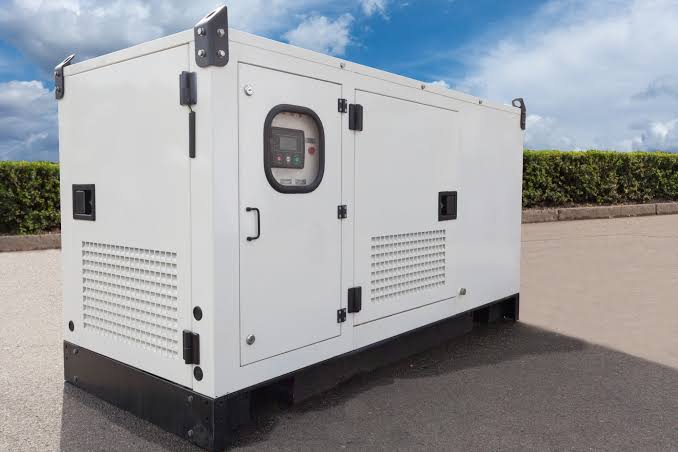
ATS / MTS Kenya
ATS/MTS solutions from Paneltech Systems provide reliable Automatic and Manual Transfer Switches for seamless power transfer in industrial and commercial electrical systems.
View Product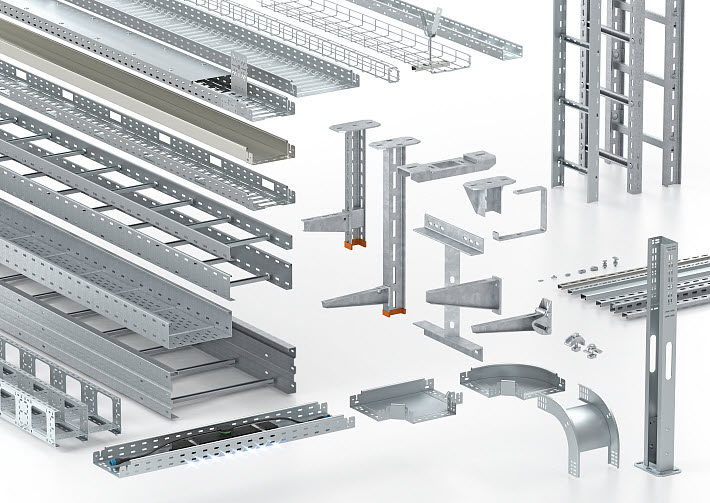
Cable Systems
Paneltech Systems offers comprehensive cable management systems for efficient, secure and organised cable setups across industrial and commercial environments.
View Product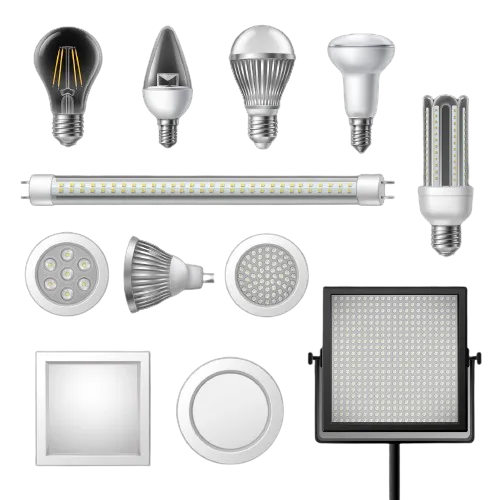
LED Lights
Paneltech Systems offers high-quality LED lighting solutions for indoor and outdoor applications ÔÇö bright, energy-efficient lighting for commercial and industrial spaces.
View ProductThis guide explains the five most common mistakes when buying switches and sockets in Kenya and provides engineering-based recommendations for kitchens, offices, and industrial environments.
What Are Switches and Sockets and Why They Matter in Kenya
Switches and sockets are end-point electrical devices that control and distribute power to appliances and equipment. In Kenya, they play a critical role in safety due to unstable grid conditions and varying environmental stresses.
Electrical switches interrupt or allow current flow, while sockets provide connection points for electrical appliances. Although simple in appearance, they are part of a larger electrical distribution system that includes wiring, circuit breakers, and panels.
In Kenya, electrical installations face unique challenges:
- Voltage fluctuations from the national grid
- High humidity in coastal regions like Mombasa
- Dust-heavy environments in inland and industrial zones
- Increasing load demand in urban developments
Properly engineered systems such as those integrated with https://paneltechsystems.co.ke/products/low-voltage-panels/ ensure that switches and sockets operate within safe electrical limits.
Mistake 1: Ignoring Amperage Ratings
Ignoring amperage ratings leads to overheating, melted sockets, and fire hazards because each switch or socket is designed for a specific electrical load capacity. Correct load matching is essential for safety and performance.
Amperage rating defines how much electrical current a switch or socket can safely handle. Common residential ratings include 6A, 10A, and 16A, while industrial systems may require much higher specifications.
In Kenya, a common mistake is plugging high-power appliances such as kettles, heaters, or microwaves into low-rated sockets. This causes:
- Excessive heat buildup
- Contact damage inside sockets
- Tripping of circuit breakers
- Potential fire risks
For industrial setups, load management becomes even more critical. Equipment connected through systems like https://paneltechsystems.co.ke/products/vfd-drives/ requires properly rated switching infrastructure to prevent overload failures.
Proper electrical design ensures that each circuit is balanced and aligned with its intended load capacity.
Mistake 2: Choosing Low-Quality Materials for the Environment
Low-quality materials degrade quickly under heat, humidity, and frequent use. Kitchens require heat-resistant, flame-retardant materials, while offices require durable but less thermally stressed components.
Material selection plays a major role in the lifespan of switches and sockets. In Kenya, environmental conditions vary significantly across regions and applications.
Kitchen Environments
Kitchens expose electrical fittings to:
- Heat from cooking appliances
- Steam and moisture
- Frequent switching cycles
Therefore, materials must be:
- Heat-resistant
- Flame-retardant polycarbonate or thermoplastic
- Resistant to discoloration and deformation
Office Environments
Offices typically involve:
- Computers and low-to-medium power devices
- High usage frequency
- Controlled indoor temperatures
Here, durability and contact reliability are more important than extreme heat resistance.
Low-quality plastic materials often crack, discolor, or deform under Kenyan conditions, especially in high-temperature zones or coastal humidity.
Industrial-grade solutions integrated with systems like https://paneltechsystems.co.ke/products/multispan-products/ ensure long-term material stability.
Mistake 3: Ignoring Environmental Conditions (IP Ratings)
Environmental conditions such as dust, humidity, and temperature directly affect the lifespan of electrical fittings. IP-rated switches and sockets are essential for safety and durability in Kenya.
Kenya has diverse environmental zones that influence electrical performance:
- Coastal regions (Mombasa): High humidity and salt exposure
- Inland regions: Dust and heat variations
- Industrial zones: Chemical and mechanical exposure
Ingress Protection (IP) ratings determine resistance levels:
- IP20: Indoor dry environments (offices)
- IP44: Light moisture protection
- IP65: Heavy-duty industrial or outdoor environments
Failure to consider IP ratings leads to:
- Corrosion of internal contacts
- Short circuits due to moisture
- Dust accumulation inside sockets
Industrial installations using systems such as https://paneltechsystems.co.ke/#motor-control-panels require higher protection levels due to harsher operating environments.
Mistake 4: Poor Electrical Load Planning
Incorrect load planning causes overloaded circuits, frequent tripping, and reduced system efficiency. Proper circuit design ensures safe and balanced power distribution.
Electrical systems must be designed based on load calculations. In many Kenyan installations, multiple high-power appliances are connected to a single circuit, leading to overload.
Common issues include:
- Frequent breaker trips
- Overheated wiring
- Reduced equipment lifespan
- Voltage drops across circuits
Proper design separates loads into:
- Lighting circuits
- Power socket circuits
- Heavy-duty appliance circuits
Commercial and industrial systems require structured distribution via LV panels such as those available at https://paneltechsystems.co.ke/products/low-voltage-panels/.
Without proper planning, even high-quality switches will fail due to system stress rather than component failure.
Mistake 5: Using Non-Standard or Non-IEC Certified Products
Non-IEC compliant switches and sockets lack verified safety standards, increasing risks of electrical failure, overheating, and non-compliance with EPRA regulations in Kenya.
Many low-cost products in the market do not meet IEC 60669 (switches) or IEC 60884 (sockets) standards. These products may:
- Lack proper insulation
- Fail under rated load
- Use substandard materials
- Have poor contact design
EPRA and international IEC standards ensure that electrical products are tested for:
- Load capacity
- Heat resistance
- Durability
- Safety under fault conditions
Using certified systems is especially important in commercial buildings and industrial plants where downtime is costly.
Paneltech Systems ensures compliance with international engineering standards across all solutions available at https://paneltechsystems.co.ke/products/.
How to Choose the Right Switches and Sockets in Kenya
Correct selection depends on amperage rating, material quality, environmental conditions, and compliance with IEC standards. Engineering-based selection ensures long-term safety and reliability.
Key selection principles:
- Match amperage to load requirements
- Use heat-resistant materials for kitchens
- Select IP-rated products based on environment
- Ensure IEC and EPRA compliance
- Design circuits according to load distribution
For integrated systems, Paneltech solutions available at https://paneltechsystems.co.ke/knowledge-site/ provide guidance for safe electrical design in Kenya.
System Specifications Table
| Parameter | Specification |
|---|---|
| Rated Current | 6A / 10A / 16A / 20A |
| Rated Voltage | 250V AC |
| Frequency | 50Hz |
| Material | Polycarbonate / Thermoplastic (Flame Retardant) |
| Protection Class | IP20 / IP44 / IP65 |
| Standards | IEC 60669 / IEC 60884 / EPRA Compliance |
| Application | Residential / Commercial / Industrial |
| Mounting Type | Flush / Surface Mounted |
Importance of Professional Electrical Supply Selection
Proper selection of switches and sockets ensures system safety, reduces maintenance costs, and improves long-term electrical reliability in Kenyan environments.
Electrical systems are not standalone components—they are interconnected with distribution boards, protection systems, and industrial controls. Poor selection at the socket level can compromise the entire electrical network.
Paneltech Systems provides engineered solutions for:
- Industrial LV distribution
- APFC power factor correction
- VFD motor control systems
- Solar and hybrid energy systems
Explore more at:
- https://paneltechsystems.co.ke/
- https://paneltechsystems.co.ke/home-main/
- https://paneltechsystems.co.ke/paneltechhomes/
Conclusion
Switches and sockets may appear simple, but they are critical safety components in any electrical system. Mistakes in selection—especially related to amperage, material quality, environmental suitability, and compliance—can lead to serious system failures.
In Kenya’s variable power and environmental conditions, engineering-based selection is not optional; it is essential for safety, efficiency, and durability.
Contact Paneltech Systems Ltd
Powering Kenya's Future with Reliable Electrical Solutions
Email: [email protected]
Phone: 0799 531765
Location: Nairobi, Kenya
Website: https://paneltechsystems.co.ke/
Our Specialized Services:
- Low Voltage (LV) Panels & APFC Panels
- VFD Drive Solutions & ATS / MTS Systems
- Solar Power & EV Charging Infrastructure
- Electrical Supplies & Engineering Consultations