Variable Speed Drive Payback Kenya: 2026 Engineering Guide and Specs | Paneltech Systems Kenya
Looking for variable speed drive payback Kenya businesses can achieve? Learn where VFDs deliver the fastest return on investment, how energy savings are calculated, and which motor loads justify a drive. Get an engineered VFD panel from Paneltech Systems Ltd.
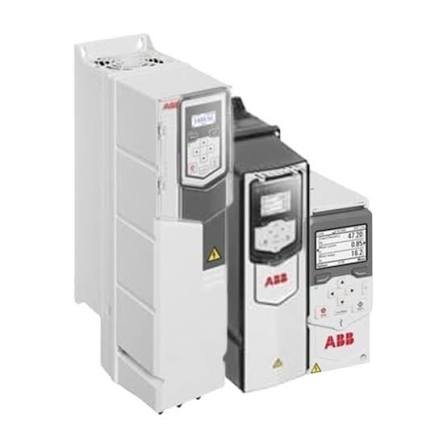
Electric motors account for a significant proportion of electricity consumption in industrial plants, commercial buildings, water utilities, manufacturing facilities, hotels, hospitals, and agricultural operations across Kenya. Pumps, fans, compressors, conveyors, and process equipment often operate continuously, making them some of the largest contributors to monthly electricity bills.
Many facilities assume that installing a Variable Speed Drive (VSD) or Variable Frequency Drive (VFD) automatically reduces energy costs. In reality, the savings depend entirely on the application. Some motors achieve a payback period of less than two years, while others may never recover the initial investment.
Related Products

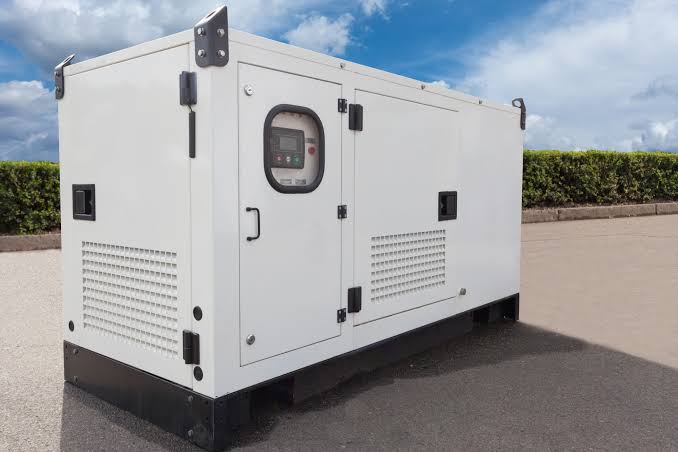
ATS / MTS Kenya
ATS/MTS solutions from Paneltech Systems provide reliable Automatic and Manual Transfer Switches for seamless power transfer in industrial and commercial electrical systems.
View Product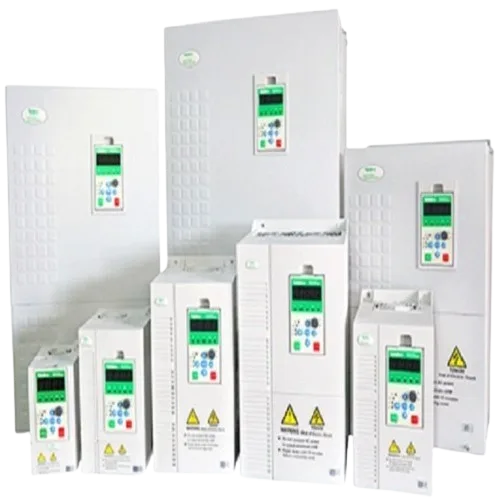
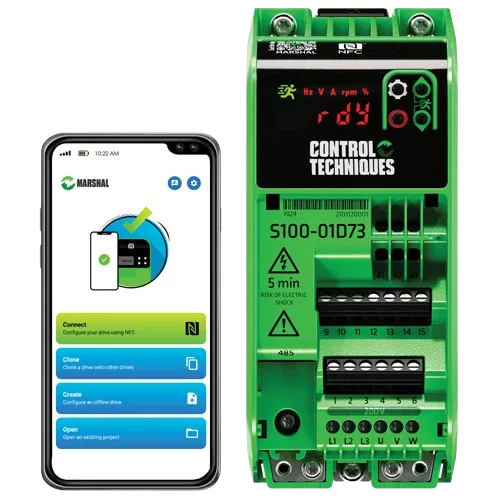
NE-200 Drives
NE-200 Drives offer reliable and efficient performance for industrial applications. Optimise motor speed and energy efficiency with the NE-200 series.
View Product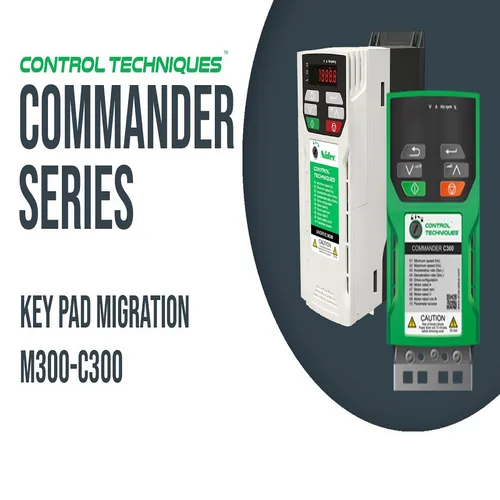
Commander C
Commander C VFD Drives from Paneltech Systems provide advanced motor control for industrial and commercial applications. Enhance efficiency and reliability.
View Product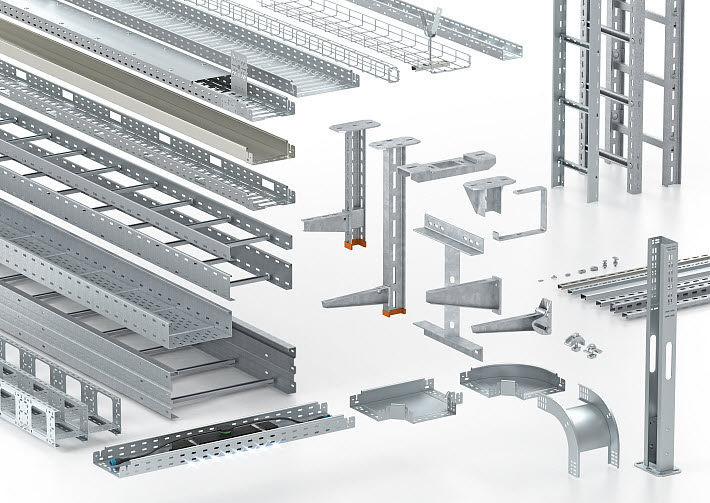
Cable Systems
Paneltech Systems offers comprehensive cable management systems for efficient, secure and organised cable setups across industrial and commercial environments.
View ProductUnderstanding variable speed drive payback Kenya industries can realistically expect is essential before purchasing new VFD equipment. The best returns come from applications where motor speed can be reduced without affecting production, particularly centrifugal pumps and fans.
Beyond reducing electricity consumption, VFDs provide smoother motor starting, better process control, lower mechanical wear, and improved equipment reliability.
For facilities operating under Kenyan conditions, VFD selection should also account for:
- KPLC voltage fluctuations
- Variable production demand
- High electricity costs
- Harmonic distortion
- Motor protection requirements
- Environmental conditions such as dust and humidity
At Paneltech Systems Ltd, we design and manufacture VFD control panels, Motor Control Centres (MCCs), low-voltage switchboards, PLC automation panels, and custom electrical solutions engineered for Kenyan industrial and commercial facilities. Learn more about our engineering expertise at about, explore our electrical products at products, or contact our engineering team through contact.
A Variable Speed Drive (VSD), commonly called a Variable Frequency Drive (VFD), controls the speed and torque of an AC motor by adjusting the frequency and voltage supplied to it. Instead of operating continuously at full speed, the motor runs only as fast as the application requires.
Typical applications include:
- Water pumps
- HVAC fans
- Cooling towers
- Compressors
- Conveyor systems
- Process machinery
- Irrigation systems
This flexibility often leads to substantial energy savings.
Calculating VFD payback helps businesses determine whether the expected energy savings justify the investment. Proper analysis prevents unnecessary spending and identifies the applications that deliver the greatest financial return.
Benefits of understanding payback include:
- Better investment decisions
- Lower electricity costs
- Reduced operating expenses
- Improved budgeting
- Faster return on capital expenditure
For many organisations, energy efficiency projects compete with other investment priorities, making accurate payback calculations essential.
Variable Speed Drives deliver the fastest payback on variable-torque applications such as centrifugal pumps, ventilation fans, cooling towers, and HVAC systems where motor speed frequently changes. Applications requiring constant full-speed operation often provide little or no financial benefit from a VFD.
The strongest candidates include:
- Water pumping systems
- Air handling units
- Cooling fans
- Irrigation pumps
- Ventilation systems
A VFD should be selected according to motor characteristics, application requirements, and environmental conditions.
| Specification | Typical Requirement |
|---|---|
| Supply Voltage | 415V AC |
| Frequency | 50 Hz |
| Output Frequency | 0–400 Hz |
| Motor Compatibility | Three-Phase AC Motors |
| Control Method | V/F or Vector Control |
| Enclosure Rating | IP20 / IP54 / IP65 |
| Communication | Modbus, Ethernet, Profibus |
| Motor Protection | Integrated |
| Harmonic Mitigation | Optional |
| Compliance | IEC 61800 Series |
The greatest energy savings occur on centrifugal loads because power consumption decreases much faster than motor speed. Small reductions in speed can produce significant reductions in electricity consumption.
For centrifugal equipment:
- Flow changes approximately with speed.
- Pressure changes approximately with the square of speed.
- Power changes approximately with the cube of speed.
For example, reducing motor speed by 20% can reduce power consumption by nearly 50%, depending on the application.
Variable-torque loads typically provide the highest financial return because the motor rarely needs to operate at full speed continuously.
Water Pumps
Benefits include:
- Reduced pumping costs
- Lower mechanical wear
- Better pressure control
HVAC Fans
Advantages include:
- Lower energy consumption
- Improved comfort control
- Reduced noise
Cooling Towers
Benefits include:
- Improved temperature regulation
- Reduced electricity usage
These applications often achieve the shortest payback periods.
Some motor applications operate at constant speed or full load for most of the time, limiting the potential for energy savings. Installing a VFD in these situations may provide operational benefits but little financial return.
Examples include:
- Fixed-speed production machinery
- Crushers
- Constant-speed mixers
- Certain machine tools
- Equipment requiring full torque continuously
Each application should be evaluated individually before specifying a drive.
Even when energy savings are modest, VFDs can improve equipment performance, reliability, and maintenance costs.
Additional benefits include:
- Soft motor starting
- Reduced inrush current
- Lower mechanical stress
- Extended equipment life
- Improved process control
- Reduced maintenance requirements
These operational advantages may justify investment beyond energy savings alone.
VFDs generate harmonic currents that can affect electrical systems if not properly managed. Harmonic analysis should form part of every significant VFD installation.
Mitigation options include:
- Line reactors
- DC chokes
- Harmonic filters
- Multi-pulse drives
- Active harmonic filters
Paneltech integrates harmonic mitigation solutions into custom VFD panels where required.
A professionally designed VFD panel provides both speed control and comprehensive electrical protection for motors and associated equipment.
Typical panel components include:
- VFD
- MCCB
- Contactor
- Isolator
- Cooling fans
- HMI
- PLC integration
- Protection relays
Paneltech manufactures custom VFD panels through vfd-drives.
Measuring actual energy consumption before and after VFD installation allows organisations to verify savings and calculate the true payback period.
Useful measurements include:
- kWh consumption
- Motor current
- Operating hours
- Load profile
- Demand reduction
Energy monitoring systems improve investment evaluation.
VFD panels should be designed to suit Kenya's operating environments, ensuring reliable performance despite dust, humidity, and power quality variations.
Nairobi
- Commercial buildings
- Industrial facilities
- HVAC systems
Coastal Kenya
- Corrosion-resistant enclosures
- Humidity protection
- IP65 solutions where required
Industrial Regions
- Dust-resistant construction
- Enhanced cooling
- Continuous-duty operation
Proper enclosure selection improves equipment lifespan.
Incorrect drive selection can reduce reliability, limit energy savings, and increase maintenance costs. Proper engineering avoids these common problems.
Common mistakes include:
- Oversized drives
- Ignoring harmonic distortion
- No motor compatibility assessment
- Poor ventilation
- No bypass provision
- No future expansion allowance
Variable Speed Drive systems should comply with recognised international standards governing electrical equipment and motor control.
Relevant standards include:
- IEC 61800 – Adjustable Speed Electrical Power Drive Systems
- IEC 61439 – Low Voltage Switchgear Assemblies
- IEC 60947 – Low Voltage Switchgear and Controlgear
- IEC 60364 – Electrical Installations
- EPRA electrical requirements applicable in Kenya
Paneltech Systems Ltd designs custom VFD control panels that improve motor efficiency, reduce operating costs, and support reliable industrial automation across Kenya.
Our specialised services include:
- Variable Speed Drive Panels
- Motor Control Centres (MCCs)
- PLC Automation Panels
- Low Voltage Switchboards
- APFC Panels
- ATS / MTS Systems
- Industrial Automation
- Energy Monitoring Panels
- Electrical Engineering Consultation
- Custom Panel Manufacturing
Explore our engineering solutions through home-main, access technical resources through knowledge-site, discover residential solutions through paneltechhomes, or visit home1.
Variable Speed Drives provide the greatest financial return when applied to the right motor loads and correctly engineered for the application.
What is the typical VFD payback period?
Payback depends on operating hours, electricity costs, and application type. Variable-torque loads often achieve the fastest return.
Which motors benefit most from VFDs?
Pumps, fans, cooling towers, and HVAC systems typically deliver the greatest energy savings.
Do VFDs always reduce electricity consumption?
No. Some constant-speed applications see little energy reduction, although they may still benefit from improved process control and reduced mechanical stress.
Can VFDs reduce maintenance costs?
Yes. Soft starting and controlled acceleration reduce wear on motors, couplings, bearings, and driven equipment.
Can Paneltech design complete VFD control panels?
Yes. Paneltech designs custom VFD panels with motor protection, automation integration, and energy-efficient control tailored to each application.
Powering Kenya's Future with Reliable Electrical Solutions
Email: [email protected]
Phone: 0799 531765
Location: Nairobi, Kenya
Website: https://paneltechsystems.co.ke/
Our Specialized Services:
- Low Voltage (LV) Panels & APFC Panels
- VFD Drive Solutions & ATS / MTS Systems
- Solar Power & EV Charging Infrastructure
- Electrical Supplies & Engineering Consultations