VFD Case Study Kenya: Slashing University Electricity Costs | Paneltech Systems 2026
This case study explores how the University of Nairobi reduced electricity costs by approximately 30% through the implementation of Variable Frequency Drive (VFD) systems across key campus infrastructure.
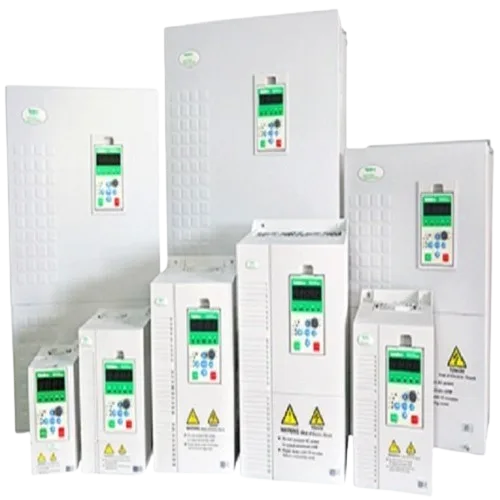
Kenyan universities are among the most energy-intensive institutions in East Africa due to continuous operation of HVAC systems, water pumping infrastructure, laboratories, and residential facilities. With rising electricity tariffs and increasing pressure from Kenya Power (KPLC), energy optimization has become a critical operational priority.
This case study demonstrates how Variable Frequency Drive (VFD) technology was deployed to reduce electricity consumption by approximately 30%, improve system reliability, and enhance overall energy efficiency in a major Kenyan university environment.
Related Products
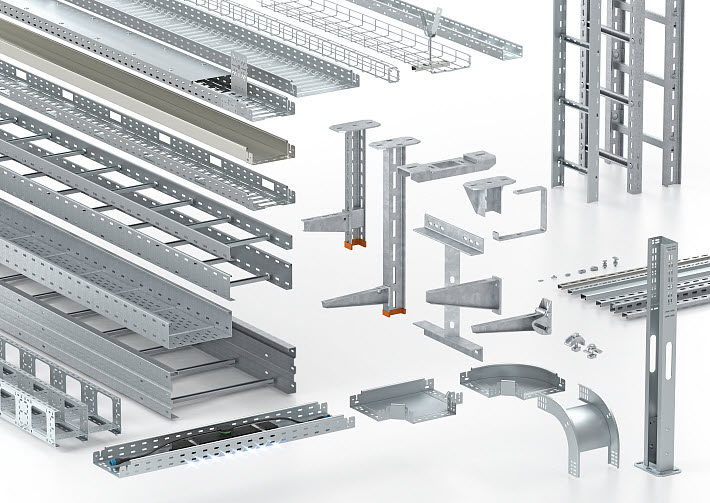
Cable Systems
Paneltech Systems offers comprehensive cable management systems for efficient, secure and organised cable setups across industrial and commercial environments.
View Product
Commander C
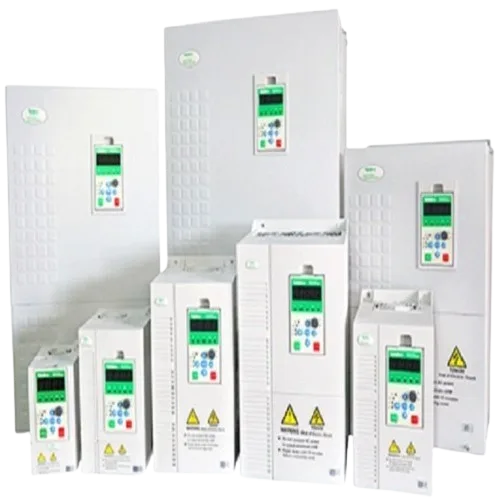
Commander C VFD Drives from Paneltech Systems provide advanced motor control for industrial and commercial applications. Enhance efficiency and reliability.
View Product
ATS / MTS Kenya
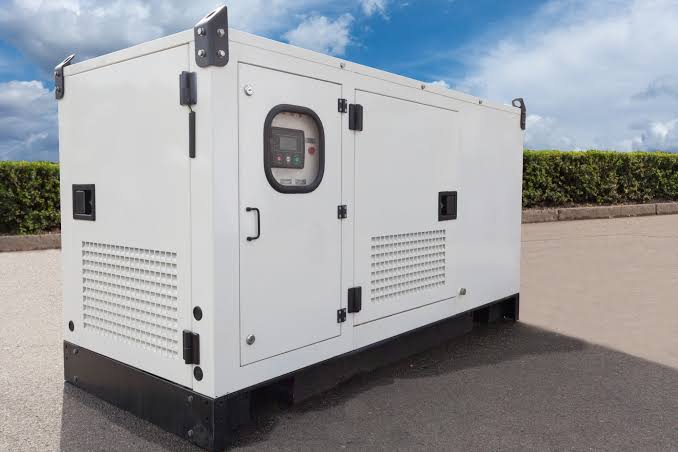
ATS/MTS solutions from Paneltech Systems provide reliable Automatic and Manual Transfer Switches for seamless power transfer in industrial and commercial electrical systems.
View Product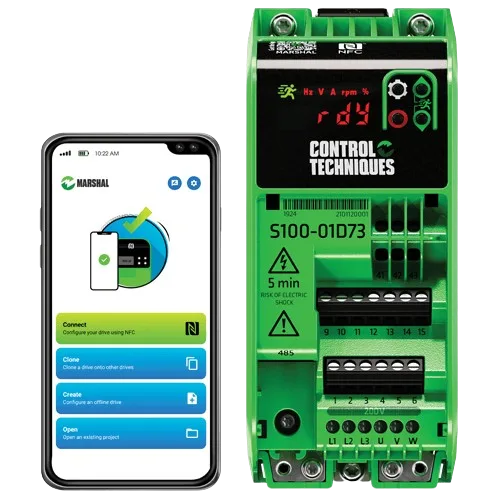
Commander S
Commander S VFD Drives offer energy-efficient motor control for industrial applications. Improve performance and optimise energy usage with reliable Commander S drives.
View ProductEnergy Cost Challenges in Kenyan Universities
Kenyan universities face significant electricity costs driven by continuous operation of motor-based systems such as HVAC, water pumps, and ventilation systems that often run at full load regardless of actual demand.
Most campuses in Kenya rely on legacy electrical systems that were not designed for variable load control. As a result, motors frequently operate inefficiently, consuming excessive energy even during low-demand periods such as nights, weekends, and academic recess periods.
Key contributors to high energy consumption include:
- Continuous HVAC operation in lecture halls, hostels, and libraries
- Inefficient water pumping and distribution systems
- Lack of automation in motor control systems
- Poor power factor leading to utility penalties
- Aging infrastructure without energy monitoring systems
Internal reference: https://paneltechsystems.co.ke/about/
What is a Variable Frequency Drive (VFD) and Why It Matters
A Variable Frequency Drive (VFD) is an electronic motor controller that adjusts motor speed by varying frequency and voltage, allowing equipment to operate based on actual system demand rather than running at full speed continuously.
VFDs eliminate inefficient direct-on-line motor operation by gradually controlling motor speed and torque. This results in significant energy savings, reduced mechanical stress, and improved process control in pumping, HVAC, and industrial applications.
Energy benefits are most significant in:
- Water pumping systems
- HVAC fans and blowers
- Industrial cooling systems
- Fluid transfer systems
Due to motor affinity laws, small reductions in motor speed can lead to substantial energy savings, often exceeding 30% in variable torque applications.
Internal reference: https://paneltechsystems.co.ke/products/vfd-drives/
Case Study: University of Nairobi Energy Optimization Project
The University of Nairobi implemented VFD systems across critical infrastructure to improve energy efficiency and reduce operational costs, achieving approximately 30% reduction in electricity consumption.
The project targeted three major systems:
- Central water pumping stations
- Hostel HVAC circulation systems
- Laboratory ventilation systems
Before implementation, all motors operated at constant full speed regardless of demand fluctuations, resulting in unnecessary energy consumption and high maintenance costs.
After VFD deployment, motor speed was automatically adjusted using real-time feedback from pressure sensors, flow meters, and temperature control systems.
Internal references:
- https://paneltechsystems.co.ke/products/low-voltage-panels/
- https://paneltechsystems.co.ke/#motor-control-panels
- https://paneltechsystems.co.ke/#apfc-112
Key outcomes included:
- ~30% reduction in electricity costs
- Improved water pressure stability across campus
- Reduced motor starting stress
- Lower maintenance and downtime
- Enhanced automation and monitoring
Technical Architecture and Engineering Design
The VFD system integrates low voltage panels, motor control centers, and automation systems to regulate motor performance based on real-time load demand while ensuring compliance with IEC and EPRA standards.
The system design follows IEC 61800 and IEC 61439 standards for safety, reliability, and performance in industrial and institutional applications.
System Specifications Table
| Parameter | Specification |
|---|---|
| Rated Voltage | 380–415V AC, 3 Phase |
| Frequency | 50Hz |
| Control Modes | V/F Control, Vector Control |
| Enclosure Rating | IP54 / IP65 |
| Material | Powder-coated steel / stainless steel |
| Cooling System | Forced air ventilation |
| Communication | Modbus RTU / TCP |
| Mounting Type | Wall-mounted / Floor-standing MCC |
| Standards Compliance | IEC 61800, IEC 61439, BS EN 60947 |
| Applications | Pumps, HVAC, industrial motors |
Environmental adaptation is critical in Kenya:
- Coastal regions require corrosion-resistant enclosures due to humidity
- Inland regions require dust-proof IP-rated systems
- KPLC voltage fluctuations require surge protection and stabilization
Internal references:
- https://paneltechsystems.co.ke/home-main/
- https://paneltechsystems.co.ke/products/multispan-products/
- https://paneltechsystems.co.ke/#epm-14-m1
Kenyan Power Grid Challenges and Compliance Requirements
Kenya’s electrical grid experiences voltage instability, harmonic distortion, and peak demand fluctuations, making VFD systems essential for stabilizing industrial and institutional energy consumption.
Common grid-related challenges include:
- Voltage fluctuations during peak demand
- Reactive power penalties from inductive loads
- Unstable frequency in some distribution zones
- High energy costs due to inefficient motor operation
VFD systems help address these issues by:
- Reducing inrush current during startup
- Improving power factor performance
- Reducing mechanical and electrical stress
- Enhancing load balancing across systems
Compliance requirements include:
- EPRA electrical installation approval
- IEC/BS EN certified switchgear systems
- Proper grounding and surge protection
Internal references:
- https://paneltechsystems.co.ke/products/
- https://paneltechsystems.co.ke/#multispan-components
- https://paneltechsystems.co.ke/#spp-22
ROI and Energy Savings Analysis
VFD systems typically deliver a return on investment within 18 to 36 months in institutional applications due to reduced energy consumption, improved efficiency, and lower maintenance costs.
Energy savings are achieved through optimized motor speed control, which significantly reduces power consumption in variable torque applications such as pumps and fans.
Key financial benefits include:
- Reduced electricity consumption
- Lower maintenance and repair costs
- Extended equipment lifespan
- Reduced peak demand charges
Operational improvements:
- Automated load adjustment
- Improved system reliability
- Reduced downtime
- Better energy management
Internal references:
- https://paneltechsystems.co.ke/knowledge-site/
- https://paneltechsystems.co.ke/home1/
- https://paneltechsystems.co.ke/contact/
Lessons for Electrical Engineering Companies in Kenya
Electrical engineering firms in Kenya must adopt energy-efficient system design principles, integrate automation technologies early, and ensure compliance with international and local standards to remain competitive in modern infrastructure projects.
Key industry insights:
- Energy efficiency must be integrated at design stage
- VFDs should be standard in motor-driven systems
- Proper load analysis is essential before commissioning
- Compliance with IEC and EPRA standards is mandatory
- Environmental conditions must guide system design
Companies should also prioritize:
- Lifecycle cost over initial installation cost
- Availability of local technical support
- System scalability for future expansion
- Integration with renewable energy systems
Internal references:
- https://paneltechsystems.co.ke/paneltechhomes/
- https://paneltechsystems.co.ke/products/rishabh-products/
- https://paneltechsystems.co.ke/products/vfd-drives/
Why Paneltech Systems is a Leading VFD Solutions Provider in Kenya
Paneltech Systems Ltd delivers advanced electrical engineering solutions including VFD integration, low voltage panel manufacturing, and industrial automation designed specifically for Kenya’s power infrastructure challenges.
The company specializes in:
- VFD-based motor control systems
- LV switchgear and distribution panels
- APFC energy correction systems
- Industrial automation solutions
Key strengths:
- Deep understanding of Kenyan grid challenges
- IEC and EPRA compliance expertise
- Custom-engineered industrial solutions
- Proven track record in energy optimization projects
Internal references:
- https://paneltechsystems.co.ke/
- https://paneltechsystems.co.ke/products/low-voltage-panels/
- https://paneltechsystems.co.ke/home-main/
System Summary Overview
| Category | Details |
|---|---|
| Project Type | University Energy Optimization |
| Technology | Variable Frequency Drives (VFDs) |
| Applications | HVAC, Water Pumping, Ventilation |
| Energy Savings | ~30% Reduction |
| Control System | VFD + Sensor-Based Automation |
| Compliance | IEC 61800, EPRA Standards |
| Location | Kenya |
| Implementer | Paneltech Systems Ltd |
Contact Paneltech Systems Ltd
Powering Kenya's Future with Reliable Electrical Solutions
Email: [email protected]
Phone: 0799 531765
Location: Nairobi, Kenya
Website: https://paneltechsystems.co.ke/