Industrial Automation Using VFD Drives: PLC Integration for Smart Manufacturing Systems
Industrial automation using VFD drives improves manufacturing efficiency. Learn how variable frequency drive PLC integration via Modbus or Profibus enables smart automated motor control systems with real-time responsiveness.

Industrial automation is rapidly transforming manufacturing, water treatment, mining, and process industries across Kenya and East Africa. At the center of this transformation is the integration of Variable Frequency Drives (VFDs) with Programmable Logic Controllers (PLCs), SCADA systems, and industrial communication networks.
When VFDs are connected to automation systems, they move beyond simple motor speed control and become intelligent components of a fully responsive production environment. This integration allows real-time control, predictive adjustments, energy optimization, and seamless coordination between machines.
Related Products
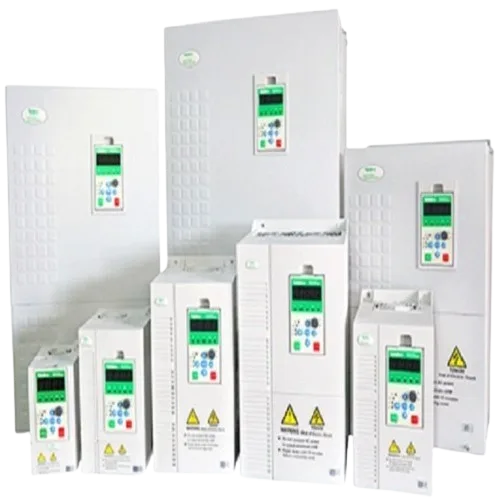
NE-200 Drives
NE-200 Drives offer reliable and efficient performance for industrial applications. Optimise motor speed and energy efficiency with the NE-200 series.
View Product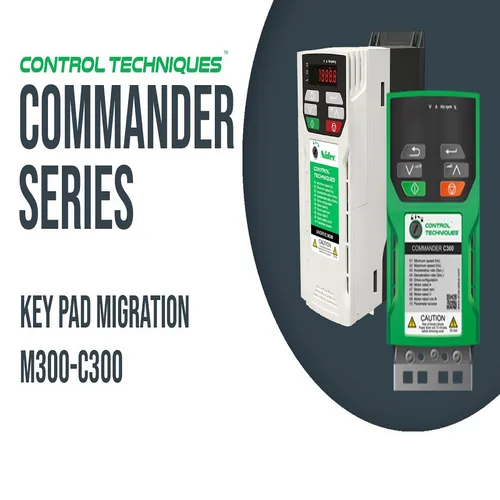
Commander C
Commander C VFD Drives from Paneltech Systems provide advanced motor control for industrial and commercial applications. Enhance efficiency and reliability.
View Product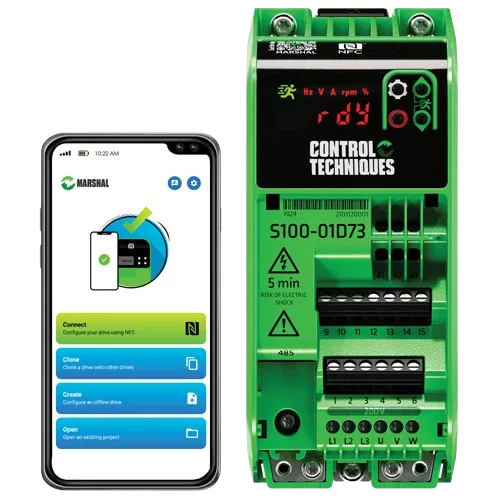
Commander S
Commander S VFD Drives offer energy-efficient motor control for industrial applications. Improve performance and optimise energy usage with reliable Commander S drives.
View Product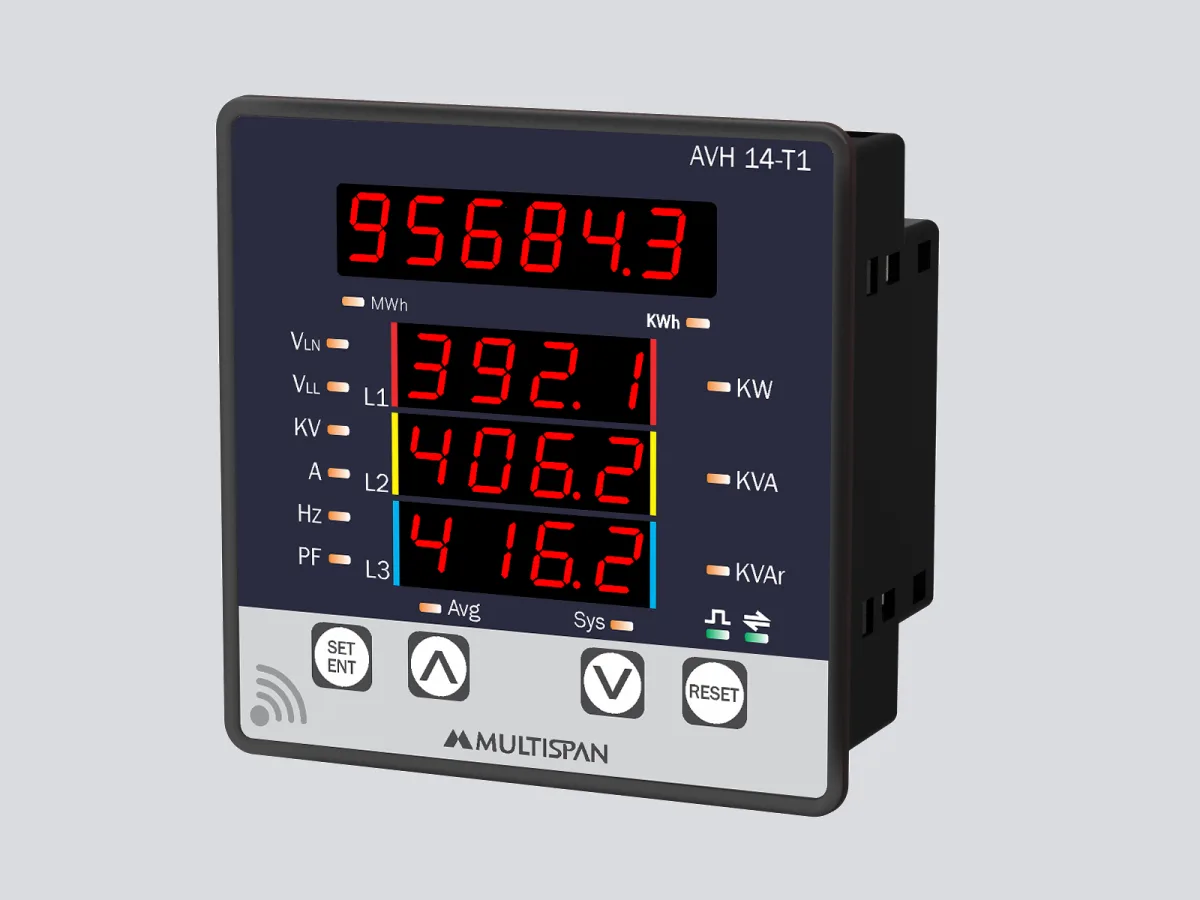
Multispan Smart Components
Multispan smart meters, relays and measurement instruments for intelligent power monitoring in industrial environments.
View ProductFor industries seeking improved efficiency, reduced downtime, and smarter production systems, VFD-PLC integration is a core requirement of modern industrial automation.
What is Industrial Automation Using VFD Drives?
Industrial automation using VFD drives refers to the integration of variable frequency drives with control systems such as PLCs and SCADA to automatically regulate motor speed, torque, and performance based on real-time process conditions. This enables fully automated, energy-efficient, and responsive industrial systems.
Instead of manual motor control, VFDs receive digital signals from controllers and adjust motor behavior instantly.
This allows:
- Automatic speed adjustment
- Process synchronization
- Energy optimization
- Reduced human intervention
- Improved production accuracy
Learn more about industrial electrical systems through the Paneltech Systems Homepage and explore engineering capabilities via the Paneltech Products Page.
Why VFD Integration is Critical in Modern Manufacturing
VFD integration is critical because it enables precise motor control, reduces energy consumption, and allows industrial systems to respond dynamically to production demands. Without integration, motors operate in isolation and cannot adapt to real-time automation requirements.
Traditional systems operate in a fixed-speed mode, which leads to:
- Energy waste
- Poor process control
- Mechanical stress
- Limited automation capability
With VFD integration:
- Motors adjust automatically to demand
- Production lines become synchronized
- System efficiency improves significantly
- Downtime is reduced
This is especially important in Kenya’s growing manufacturing sector, where energy efficiency and operational reliability directly impact profitability.
How PLC and VFD Integration Works
PLC and VFD integration works by allowing the PLC to send control signals to the VFD, which then adjusts motor speed and torque based on programmed logic and sensor feedback. This creates a closed-loop automation system capable of real-time industrial control.
Basic System Flow:
- Sensors collect process data (temperature, pressure, flow, etc.)
- PLC processes the data and executes control logic
- PLC sends commands to the VFD
- VFD adjusts motor speed accordingly
- Motor output changes to match process demand
This loop runs continuously, ensuring optimal system performance.
Communication Protocols Used in VFD Automation
VFD automation systems rely on industrial communication protocols such as Modbus, Profibus, and Ethernet/IP to enable reliable data exchange between PLCs, SCADA systems, and drives. These protocols ensure accurate, real-time motor control in industrial environments.
Common Protocols:
Modbus
- Widely used in industrial systems
- Simple and cost-effective
- Supports basic control and monitoring
Profibus
- High-speed industrial communication
- Common in European automation systems
- Suitable for complex manufacturing setups
Ethernet/IP
- Modern high-speed protocol
- Supports advanced diagnostics
- Ideal for smart factories and Industry 4.0
These protocols allow seamless coordination between machines in automated environments.
Applications of VFD-Based Industrial Automation
VFD-based automation systems are used in industries where precise motor control, energy efficiency, and process synchronization are required. They improve productivity while reducing operational costs across multiple sectors.
Common Applications:
Conveyor Systems
- Automated speed control
- Synchronized production lines
- Reduced product damage
Pumping Systems
- Flow-based speed adjustment
- Energy optimization
- Pressure stabilization
HVAC Systems
- Temperature-based motor control
- Energy-efficient airflow regulation
Manufacturing Lines
- Automated production sequencing
- Multi-motor coordination
- Real-time adjustments
Water Treatment Plants
- Flow and level control automation
- Continuous process optimization
Benefits of Variable Frequency Drive PLC Integration
Variable frequency drive PLC integration improves system responsiveness, reduces energy consumption, and enhances operational efficiency by enabling intelligent motor control based on real-time industrial conditions. It also improves system reliability and reduces manual intervention.
Key Benefits:
- Real-time motor control
- Reduced energy consumption
- Improved production accuracy
- Lower maintenance costs
- Enhanced system flexibility
- Scalable automation architecture
Industrial facilities in Kenya benefit significantly due to fluctuating load demands and variable production requirements.
Explore automation components through the VFD Drive Solutions Page.
Smart Automated Motor Control in Industry 4.0
Smart automated motor control refers to the use of intelligent VFD systems connected to digital control networks that automatically optimize motor performance based on real-time data inputs. This forms the foundation of Industry 4.0 manufacturing systems.
Smart control enables:
- Predictive adjustments
- Energy optimization
- Remote monitoring
- Fault detection and diagnostics
Key Features:
- Sensor-based feedback loops
- Cloud or SCADA integration
- Automated fault response
- Energy usage analytics
This leads to smarter, more efficient industrial operations.
Power Efficiency in Automated VFD Systems
Automated VFD systems improve energy efficiency by adjusting motor speed to match actual load demand, eliminating unnecessary power consumption. This significantly reduces operational costs in industrial environments.
Energy savings come from:
- Reduced idle motor operation
- Load-based speed adjustment
- Optimized torque output
- Elimination of fixed-speed waste
In Kenya’s industrial sector, where energy costs are a major operational concern, this provides a strong return on investment.
Kenya’s Industrial Automation Landscape
Kenya’s industrial sector is increasingly adopting VFD-based automation systems to improve efficiency, reduce energy costs, and modernize manufacturing processes. Growth is driven by manufacturing expansion, infrastructure development, and energy optimization needs.
Key drivers include:
- Rising electricity costs
- Expansion of manufacturing industries
- Demand for automation and efficiency
- Growth of smart infrastructure systems
Environmental considerations also influence system design:
- Coastal humidity in Mombasa requires protective enclosures
- Dusty inland regions require sealed control systems
- Voltage fluctuations require stable drive configuration
System Specifications Table: VFD Automation System
| Parameter | Specification |
|---|---|
| Input Voltage | 380–415V AC |
| Frequency | 50Hz |
| Control System | PLC + VFD Integration |
| Communication Protocols | Modbus, Profibus, Ethernet/IP |
| Motor Type | Three-phase induction motor |
| Control Modes | V/F, Vector Control |
| Feedback Systems | Sensors, Encoders |
| Protection Features | Overcurrent, Overvoltage, Overtemperature |
| Enclosure Rating | IP54 / IP65 |
| Standards Compliance | IEC 61800, IEC 61439 |
Common Challenges in VFD Automation Systems
Common challenges in VFD automation systems include communication errors, improper parameter configuration, power quality issues, and electromagnetic interference, all of which can disrupt system performance if not properly managed.
Key Challenges:
- Incorrect PLC programming
- Poor grounding and EMI interference
- Inadequate cable shielding
- Harmonic distortion
- Sensor calibration issues
Proper engineering and installation significantly reduce these risks.
Conclusion
Integrating VFD drives into industrial automation systems is a critical step toward achieving modern, efficient, and intelligent manufacturing operations. By connecting VFDs with PLCs and communication networks like Modbus and Ethernet/IP, industries gain real-time control over motor performance, energy consumption, and production efficiency.
For Kenya’s growing industrial sector, VFD-based automation is not just an upgrade—it is a foundation for future-ready manufacturing systems that prioritize efficiency, reliability, and scalability.
Contact Paneltech Systems Ltd
Powering Kenya's Future with Reliable Electrical Solutions
Email: [email protected]
Phone: 0799 531765
Location: Nairobi, Kenya
Website: https://paneltechsystems.co.ke/
Our Specialized Services:
- Low Voltage (LV) Panels & APFC Panels
- VFD Drive Solutions & ATS / MTS Systems
- Solar Power & EV Charging Infrastructure
- Electrical Supplies & Engineering Consultations