VFD Installation Best Practices: Layout, Cabling & Earthing for Industrial Motor Systems
Learn VFD installation best practices for industrial facilities. Discover variable frequency drive wiring standards, panel layout requirements, cable routing methods, and electrical panel earthing for VFDs to reduce EMI and improve reliability.

Variable Frequency Drives (VFDs) have transformed industrial motor control by enabling energy-efficient operation, precise speed regulation, and advanced automation. However, even the most advanced VFD can experience performance issues if installation standards are not properly followed.
Many industrial drive failures are not caused by defective equipment but by poor installation practices such as improper earthing, incorrect cable routing, inadequate ventilation, or electromagnetic interference (EMI). These issues can lead to nuisance tripping, communication failures, motor insulation breakdown, overheating, and reduced equipment lifespan.
For manufacturers, engineers, MEP consultants, and facility managers across Kenya and East Africa, understanding VFD installation best practices is essential for ensuring reliable, safe, and efficient operation.
Why Proper VFD Installation Matters
Proper VFD installation ensures reliable motor operation, minimizes electromagnetic interference, extends equipment lifespan, and reduces maintenance costs. Incorrect installation can cause drive faults, communication issues, overheating, and premature motor failure. Following established variable frequency drive wiring standards is critical for long-term system performance.
Unlike conventional motor starters, VFDs generate high-frequency switching signals that require special attention during installation.
A properly installed VFD system provides:
- Improved energy efficiency
- Reduced downtime
- Enhanced motor protection
- Better automation performance
- Longer equipment life
- Compliance with IEC and EPRA standards
Industrial facilities investing in automation should treat installation quality as seriously as equipment selection.
Explore industrial electrical solutions through the Paneltech Systems Homepage and the Paneltech Products Page.
Understanding the Unique Installation Requirements of VFDs
VFDs require specialized installation practices because they generate high-frequency electrical signals that can create EMI, voltage reflections, harmonic distortion, and grounding challenges. Proper panel design, cabling, and earthing are essential to control these effects. Standard motor wiring methods are often insufficient for VFD applications.
A VFD converts incoming AC power into DC and then reconstructs a variable-frequency AC waveform through high-speed switching devices.
These switching frequencies can create:
- Electromagnetic interference
- Common-mode voltages
- Harmonic distortion
- Bearing currents
- Motor insulation stress
Proper installation minimizes these risks and ensures stable operation.
Panel Layout and Equipment Positioning
Effective panel layout improves cooling, simplifies maintenance, reduces interference, and enhances system reliability. VFDs should be installed with adequate spacing and separated from sensitive control equipment whenever possible.
A well-designed control panel should consider:
Heat Dissipation
VFDs generate significant heat during operation.
Manufacturers typically specify minimum clearances above and below the drive for proper airflow.
Accessibility
Maintenance personnel should have clear access to:
- Terminal connections
- Cooling fans
- Communication ports
- Circuit protection devices
Separation of Power and Control Components
Sensitive devices such as:
- PLCs
- SCADA communication modules
- Instrumentation
- Network switches
should be physically separated from power electronics.
For engineered control panel solutions, visit the Low Voltage Panel Solutions.
Maintaining Proper Ventilation and Cooling
Adequate ventilation is essential because excessive heat is one of the leading causes of VFD failure. Proper airflow prevents overheating, improves reliability, and extends equipment lifespan. Environmental conditions must always be considered during installation.
Indoor Installations
Ensure:
- Unobstructed airflow
- Clean ventilation openings
- Appropriate enclosure sizing
High-Temperature Environments
Industrial facilities may require:
- Forced ventilation
- Air conditioning
- Heat exchangers
Kenya-Specific Considerations
Nairobi
Moderate conditions generally support standard enclosure designs.
Mombasa
High humidity and elevated temperatures often require enhanced cooling and corrosion protection.
Industrial Manufacturing Zones
Dust contamination may necessitate filtered ventilation systems.
Power Cable Selection and Routing
Correct power cable selection minimizes voltage drop, overheating, and electromagnetic interference. Cable routing practices are equally important because poor routing can affect both motor performance and communication systems.
Key considerations include:
Cable Ampacity
Conductors must be sized according to:
- Motor current
- Installation method
- Ambient temperature
- Voltage drop requirements
Cable Insulation
VFD applications often benefit from inverter-duty cable designed to withstand high-frequency voltage pulses.
Cable Length
Long motor cable runs can create reflected wave effects that stress motor insulation.
Always follow manufacturer recommendations regarding maximum cable length.
Control Cable Routing Standards
Control cables should be routed separately from power cables to minimize electromagnetic interference and ensure reliable communication between automation devices. Proper segregation is a fundamental requirement of variable frequency drive wiring standards.
Recommended practices:
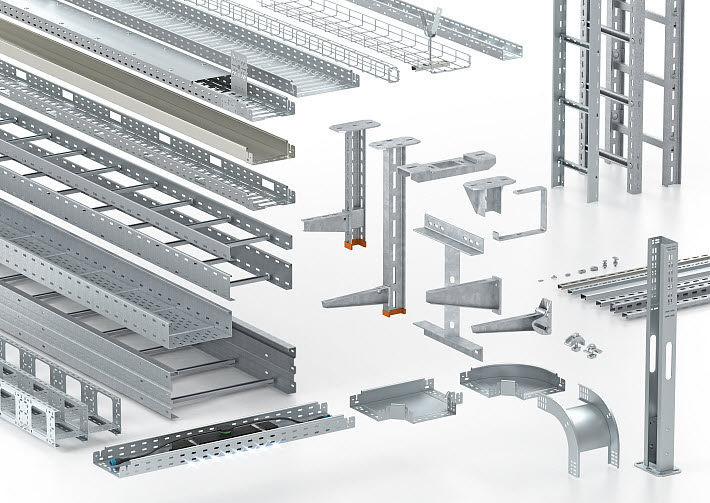
Separate Cable Trays
Use dedicated trays for:
- Power cables
- Control wiring
- Communication networks
Crossing Techniques
When unavoidable, power and control cables should cross at 90 degrees.
Shielded Cables
Use shielded cables for:
- Analog signals
- Encoder feedback
- Communication networks
Proper routing significantly reduces nuisance faults and signal distortion.
Learn more about industrial automation solutions through the Paneltech Knowledge Center.
Electrical Panel Earthing for VFDs
Proper electrical panel earthing for VFDs is one of the most important installation requirements because it reduces EMI, protects personnel, improves equipment performance, and prevents communication failures. Inadequate grounding is a common cause of recurring VFD issues.
VFDs generate high-frequency leakage currents that require effective grounding paths.
Benefits of proper earthing include:
- Improved safety
- Reduced EMI
- Stable communication signals
- Lower risk of equipment damage
- Enhanced drive reliability
Grounding Best Practices
Use a Low-Impedance Ground System
Ground conductors should provide the shortest practical path.
Ground All Major Components
Including:
- VFD enclosure
- Motor frame
- Cable shields
- Control panel structure
Avoid Ground Loops
Multiple grounding paths can introduce electrical noise.
Follow IEC Earthing Requirements
Grounding systems should comply with applicable standards.
For professionally engineered electrical infrastructure, explore the Paneltech Engineering Services Page.
Shielded Motor Cables and EMI Reduction
Shielded motor cables help contain electromagnetic emissions generated by VFD switching frequencies, reducing interference with nearby equipment and improving overall system reliability. Shielding is especially important in facilities with sensitive instrumentation or communication networks.
EMI can affect:
- PLC systems
- SCADA networks
- Sensors
- Instrumentation
- Industrial communication protocols
Best Practices
- Use VFD-rated shielded cables
- Ground shields correctly
- Minimize cable lengths where possible
- Maintain proper cable separation
These measures significantly improve electromagnetic compatibility.
Input and Output Reactor Installation
Reactors improve VFD performance by reducing harmonics, limiting current spikes, and protecting both the drive and motor from electrical disturbances. They are particularly valuable in industrial environments with power quality challenges.
Input Reactors
Installed between the power source and the VFD.
Benefits:
- Reduced harmonic distortion
- Protection against voltage transients
- Improved drive lifespan
Output Reactors
Installed between the VFD and motor.
Benefits:
- Reduced motor insulation stress
- Lower reflected wave effects
- Improved motor longevity
Facilities with long motor cable runs often benefit significantly from output reactors.
Harmonic Mitigation Considerations
Harmonics generated by VFDs can affect transformers, generators, and other electrical equipment. Proper harmonic mitigation improves power quality and supports compliance with electrical standards.
Common solutions include:
- Line reactors
- Passive filters
- Active harmonic filters
- Multi-pulse drives
In manufacturing facilities with multiple VFD installations, harmonic analysis is often recommended during system design.
Facilities seeking improved power quality frequently integrate VFD systems with APFC infrastructure.
Explore related solutions through APFC Panel Systems.
Motor Protection Requirements
Proper motor protection safeguards equipment from overheating, insulation failure, overcurrent conditions, and abnormal operating conditions. VFD installations should always incorporate appropriate motor protection mechanisms.
Recommended protection includes:
Thermal Protection
Prevents motor overheating.
Overcurrent Protection
Protects against excessive current draw.
Phase Monitoring
Detects supply abnormalities.
Ground Fault Protection
Identifies insulation failures.
Bearing Protection
Reduces damage caused by shaft currents.
Modern VFDs provide many of these protection functions internally.
Environmental Protection and Enclosure Selection
Selecting the correct enclosure rating protects VFD equipment from dust, moisture, and environmental contaminants. Environmental conditions should always influence enclosure design and installation strategy.
IP54 Enclosures
Suitable for:
- Indoor industrial applications
- Moderate dust environments
IP65 Enclosures
Recommended for:
- Outdoor installations
- High-humidity environments
- Coastal facilities
Kenyan Environmental Considerations
Mombasa
High humidity and salt-laden air require enhanced corrosion protection.
Rift Valley Manufacturing Zones
Dust protection becomes a critical design requirement.
Nairobi Commercial Facilities
Indoor IP54-rated installations are often sufficient.
Proper enclosure selection improves reliability and reduces maintenance costs.
Compliance with IEC and EPRA Standards
Industrial VFD installations should comply with IEC standards and applicable EPRA requirements to ensure safety, reliability, and regulatory compliance. Standards-based installations reduce risk and improve long-term system performance.
Key standards include:
IEC 61800
Adjustable speed electrical drive systems.
IEC 61439
Low-voltage switchgear and controlgear assemblies.
IEC 60364
Electrical installation requirements.
EPRA Guidelines
Electrical installation practices applicable within Kenya.
Compliance helps ensure:
- Safe operation
- Proper grounding
- Reliable protection systems
- Long-term equipment performance
Paneltech Systems designs electrical solutions that align with international engineering standards and local operational requirements. Learn more through the Paneltech Contact Page and the VFD Drive Solutions Page.
Common VFD Installation Mistakes
Common installation mistakes include poor grounding, inadequate ventilation, improper cable routing, incorrect enclosure selection, and failure to address EMI concerns. These issues often lead to drive faults, communication problems, and premature equipment failure.
Frequent mistakes include:
- Using unshielded motor cables
- Mixing power and control wiring
- Ignoring cable length limitations
- Poor earthing practices
- Undersized enclosures
- Inadequate cooling provisions
Avoiding these mistakes significantly improves system reliability.
System Specifications Table: Industrial VFD Installation Requirements
| Parameter | Specification |
|---|---|
| Rated Voltage | 380–415V AC |
| Frequency | 50Hz |
| Motor Type | Three-Phase Induction Motor |
| Recommended Cable Type | Shielded VFD-Rated Cable |
| Grounding Method | Low-Impedance Protective Earth |
| Enclosure Ratings | IP54 / IP65 |
| Cooling Method | Natural Ventilation / Forced Ventilation |
| Harmonic Mitigation | Line Reactors / Filters |
| Communication Support | Modbus, Profibus, Ethernet/IP |
| Compliance Standards | IEC 61800, IEC 61439, IEC 60364, EPRA Requirements |
Conclusion
Successful VFD performance begins with proper installation. Even the highest-quality drive can experience reliability issues if cabling, grounding, ventilation, and panel layout requirements are overlooked. Following established VFD installation best practices minimizes EMI, protects motors, improves automation reliability, and extends equipment lifespan.
For industrial facilities throughout Kenya and East Africa, investing in professional installation practices delivers long-term benefits through reduced downtime, lower maintenance costs, improved energy efficiency, and enhanced operational reliability. By combining proper earthing, effective cable management, appropriate enclosure selection, and standards-compliant engineering, manufacturers can maximize the value of their VFD investments.
Contact Paneltech Systems Ltd
Powering Kenya's Future with Reliable Electrical Solutions
Email: [email protected]
Phone: 0799 531765
Location: Nairobi, Kenya
Website: https://paneltechsystems.co.ke/
Our Specialized Services:
- Low Voltage (LV) Panels & APFC Panels
- VFD Drive Solutions & ATS / MTS Systems
- Solar Power & EV Charging Infrastructure
- Electrical Supplies & Engineering Consultations