Common VFD Faults: VFD Troubleshooting Guide for Overcurrent and Undervoltage
Need a VFD troubleshooting guide? Learn how to identify and troubleshoot common variable frequency drive fault codes including overcurrent trips, undervoltage, overvoltage, overheating, and earth faults in industrial VFD panels.

Variable Frequency Drives (VFDs) are among the most important components in modern industrial automation systems. They provide precise motor speed control, improve energy efficiency, reduce mechanical stress, and enhance process reliability. However, like any sophisticated electrical equipment, VFDs can experience faults that disrupt operations and lead to costly production downtime.
Whether operating a manufacturing facility in Nairobi, a food processing plant in Nakuru, or a production facility in Mombasa, maintenance teams frequently encounter VFD alarms and trip conditions that require immediate diagnosis.
Related Products
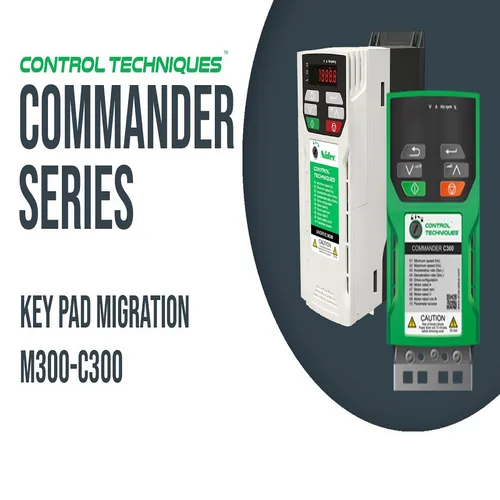
Commander C
Commander C VFD Drives from Paneltech Systems provide advanced motor control for industrial and commercial applications. Enhance efficiency and reliability.
View Product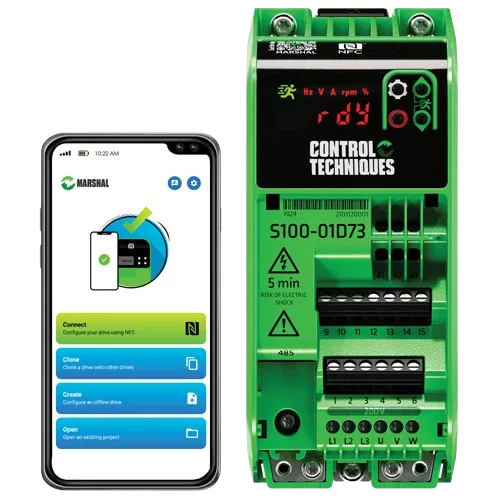
Commander S
Commander S VFD Drives offer energy-efficient motor control for industrial applications. Improve performance and optimise energy usage with reliable Commander S drives.
View Product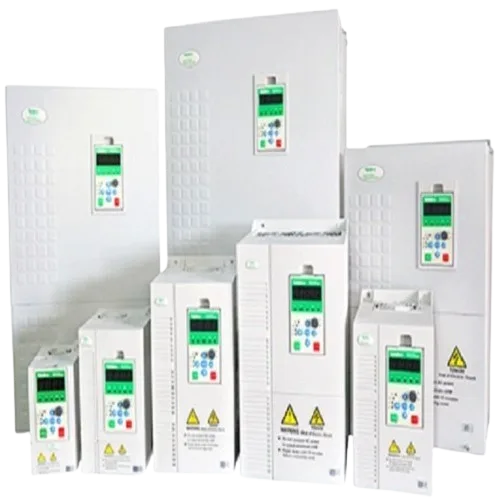
NE-200 Drives
NE-200 Drives offer reliable and efficient performance for industrial applications. Optimise motor speed and energy efficiency with the NE-200 series.
View Product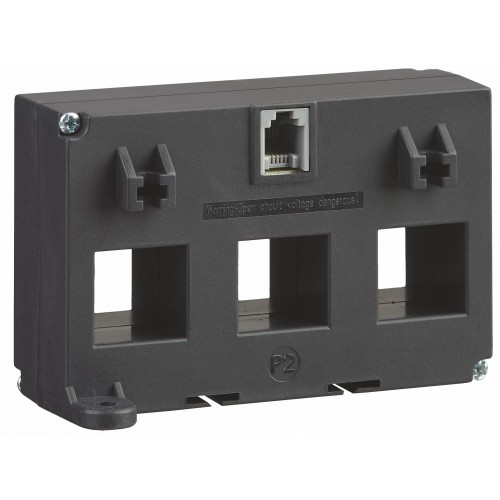
3 Phase Current Transformer
3-Phase Current Transformers for accurate power monitoring and measurement. Paneltech Systems offers high-quality Rishabh 3-Phase CTs for industrial energy monitoring and protection.
View ProductUnderstanding the most common variable frequency drive fault codes and their root causes enables engineers and technicians to resolve issues faster, minimize downtime, and prevent recurring failures.
This comprehensive VFD troubleshooting guide explains the most common faults, their causes, diagnostic procedures, and practical solutions for industrial facilities across Kenya and East Africa.
Why VFD Fault Diagnosis Matters
Effective VFD fault diagnosis reduces downtime, prevents equipment damage, and improves overall plant reliability. Many VFD trips are symptoms of underlying electrical or mechanical issues rather than failures of the drive itself. Identifying the root cause quickly is essential for maintaining continuous production.
A VFD is designed to protect both itself and the connected motor.
When abnormal conditions occur, the drive automatically trips to prevent:
- Motor damage
- Drive component failure
- Electrical fires
- Production losses
- Safety hazards
While operators often assume the drive is faulty, many trip events originate from:
- Power quality issues
- Incorrect parameter settings
- Mechanical overloads
- Motor faults
- Environmental conditions
Industrial facilities can explore motor control and automation solutions through the Paneltech Systems Homepage and the Paneltech Products Page.
Understanding Variable Frequency Drive Fault Codes
Variable frequency drive fault codes are protective alarms generated when operating conditions exceed safe limits. These codes help technicians identify electrical, thermal, mechanical, or communication issues affecting system performance. Accurate interpretation of fault codes significantly reduces troubleshooting time.
Most VFD manufacturers provide fault codes for:
- Overcurrent
- Overvoltage
- Undervoltage
- Overtemperature
- Earth fault
- Phase loss
- Communication errors
- Motor overload
Although fault code numbers vary between manufacturers, the underlying fault conditions remain largely the same.
Always consult the manufacturer's documentation before resetting recurring alarms.
Overcurrent Trip Faults
An overcurrent trip occurs when motor current exceeds the VFD's safe operating limits. This is one of the most common VFD faults and is often caused by excessive mechanical load, short circuits, incorrect acceleration settings, or motor problems. Identifying the source of excessive current is critical before restarting the drive.
Common Causes of Overcurrent Trips
Mechanical Overload
The driven equipment may require more torque than the motor can safely provide.
Examples include:
- Jammed conveyors
- Blocked pumps
- Seized bearings
- Material buildup in mixers
Acceleration Time Too Short
Rapid acceleration requires high motor current.
If acceleration ramps are too aggressive, the drive may trip.
Motor Short Circuits
Damaged insulation can create internal winding faults.
Incorrect VFD Sizing
An undersized drive may be unable to handle load demands.
Troubleshooting Steps
- Inspect mechanical equipment for binding or obstruction.
- Check motor current using a clamp meter.
- Verify acceleration parameters.
- Inspect motor insulation condition.
- Confirm VFD current rating exceeds motor full-load amps.
For engineered motor control systems, visit the Motor Control Panel Solutions.
Undervoltage Faults
Undervoltage faults occur when incoming power drops below the VFD's minimum operating threshold. These faults are commonly caused by utility voltage fluctuations, loose electrical connections, undersized cables, or transformer issues. Stable voltage supply is essential for reliable drive operation.
In Kenya, occasional voltage fluctuations can affect industrial facilities, particularly during peak demand periods.
Common Causes
- Utility supply instability
- Loose terminals
- Damaged cables
- Transformer problems
- Generator voltage fluctuations
Symptoms
- Random drive trips
- Motor stalling
- Unexpected shutdowns
- Production interruptions
Troubleshooting Steps
- Measure incoming line voltage.
- Inspect incoming power connections.
- Verify transformer output.
- Check generator voltage stability.
- Review utility supply quality.
Facilities experiencing frequent voltage issues often benefit from comprehensive power quality assessments.
Overvoltage Faults
Overvoltage faults occur when DC bus voltage rises above acceptable levels, often during rapid motor deceleration or unstable utility conditions. Regenerative energy from the motor is a common cause of overvoltage trips in industrial applications.
Common Causes
Fast Deceleration Settings
Motors act as generators during rapid stopping.
Regenerative Loads
Applications such as:
- Cranes
- Hoists
- Elevators
- High-inertia flywheels
can feed energy back into the drive.
Utility Voltage Surges
Transient events may increase DC bus voltage.
Troubleshooting Steps
- Increase deceleration time.
- Install braking resistors if required.
- Verify incoming voltage levels.
- Monitor DC bus voltage trends.
- Review regenerative load characteristics.
Overheating and High Temperature Faults
Overheating faults occur when internal VFD temperatures exceed safe operating limits. Poor ventilation, excessive ambient temperatures, blocked cooling paths, and overloaded operation are the most common causes. Thermal management is essential for long-term reliability.
Common Causes
- Dust accumulation
- Cooling fan failure
- High ambient temperatures
- Overloaded motors
- Restricted airflow
Kenyan Environmental Considerations
Mombasa
High humidity and elevated temperatures can increase thermal stress.
Industrial Zones
Dust accumulation is common in manufacturing facilities and can restrict airflow.
Troubleshooting Steps
- Clean cooling vents.
- Verify fan operation.
- Measure enclosure temperature.
- Check drive loading.
- Improve ventilation if necessary.
Proper enclosure design is essential in East African operating environments.
Earth Fault and Ground Fault Trips
Earth faults occur when current unintentionally flows to ground due to insulation breakdown, damaged cables, or motor winding deterioration. These faults can present serious safety risks and must be investigated immediately.
Common Causes
- Damaged motor cables
- Moisture ingress
- Motor insulation failure
- Incorrect grounding
- Cable termination faults
Troubleshooting Steps
- Perform insulation resistance testing.
- Inspect motor terminals.
- Examine cable condition.
- Check grounding systems.
- Investigate moisture exposure.
Facilities near coastal regions often experience increased insulation degradation due to humidity.
Motor Overload Faults
Motor overload faults indicate that the motor is operating beyond its thermal capacity for an extended period. While not always an immediate emergency, repeated overload conditions can significantly shorten motor lifespan.
Common Causes
- Excessive process load
- Incorrect motor sizing
- Blocked equipment
- Bearing failures
- Continuous operation above rated current
Troubleshooting Steps
- Compare actual current to nameplate ratings.
- Inspect mechanical loads.
- Verify motor sizing.
- Check bearing condition.
- Review operating duty cycles.
Phase Loss and Phase Imbalance Faults
Phase loss faults occur when one phase of the three-phase power supply is lost or severely imbalanced. These conditions can cause overheating, reduced torque, and motor damage if not corrected quickly.
Common Causes
- Blown fuses
- Loose terminals
- Utility supply issues
- Damaged cables
- Faulty breakers
Symptoms
- Reduced motor performance
- Excessive current draw
- Drive alarms
- Motor overheating
Troubleshooting Steps
- Measure all three phases.
- Inspect incoming fuses.
- Tighten electrical connections.
- Verify breaker operation.
- Investigate utility supply quality.
Communication Faults
Communication faults occur when the VFD loses connectivity with PLCs, SCADA systems, HMIs, or other automation equipment. These faults can disrupt automated processes and reduce operational visibility.
Common Causes
- Network cable failures
- Incorrect communication settings
- PLC faults
- Address conflicts
- Electromagnetic interference
Troubleshooting Steps
- Verify network connections.
- Confirm protocol settings.
- Check PLC communications.
- Review network diagnostics.
- Inspect shielding and grounding.
Industrial automation systems often integrate VFDs with PLC and SCADA platforms through advanced communication networks.
Learn more about automation expertise through the Paneltech Knowledge Center.
Power Quality Problems Affecting VFD Performance
Poor power quality can trigger multiple VFD fault conditions, including undervoltage, overvoltage, nuisance trips, and communication errors. Stable electrical infrastructure is essential for reliable VFD operation.
Common power quality issues include:
- Voltage fluctuations
- Harmonic distortion
- Poor power factor
- Transient surges
- Frequency instability
Many manufacturing facilities integrate VFD systems with Automatic Power Factor Correction (APFC) panels to improve overall electrical performance.
Explore related solutions through APFC Panel Systems and Low Voltage Panel Solutions.
Preventive Maintenance Best Practices for VFDs
Preventive maintenance is the most effective way to reduce VFD faults and extend equipment lifespan. Regular inspections help identify developing issues before they result in costly downtime.
Recommended maintenance activities include:
Monthly
- Inspect cooling systems
- Check alarm history
- Verify operating temperatures
Quarterly
- Tighten electrical connections
- Clean ventilation paths
- Review parameter settings
Annually
- Perform insulation testing
- Verify grounding systems
- Inspect power quality
- Assess enclosure integrity
Consistent maintenance significantly improves system reliability and reduces unexpected failures.
VFD Faults and Compliance Considerations in Kenya
Industrial VFD installations should comply with EPRA requirements and international IEC standards to ensure safety, reliability, and proper fault protection. Compliance supports long-term system performance and reduces operational risks.
Relevant standards include:
- IEC 61800 (Adjustable Speed Drive Systems)
- IEC 61439 (Low Voltage Assemblies)
- BS EN electrical standards
- EPRA electrical installation requirements
Paneltech Systems engineers compliant electrical infrastructure solutions designed for Kenya's industrial sector. Learn more through the Paneltech About Page and connect with specialists via the Contact Paneltech Systems.
System Specifications Table: Industrial VFD Fault Monitoring System
| Parameter | Specification |
|---|---|
| Rated Voltage | 380–415V AC |
| Frequency | 50Hz |
| Motor Compatibility | Three-Phase Induction Motors |
| Fault Monitoring Functions | Overcurrent, Overvoltage, Undervoltage, Earth Fault, Overtemperature |
| Communication Protocols | Modbus, Ethernet/IP, Profibus |
| Protection Rating | IP20, IP54, IP65 |
| Diagnostic Logging | Event & Alarm History |
| Mounting Type | Panel Mounted |
| Compliance Standards | IEC 61800, IEC 61439 |
| Application | Manufacturing, Water Treatment, Processing Plants |
Conclusion
Understanding common VFD faults is essential for maintaining reliable industrial operations. While alarms such as overcurrent trips, undervoltage conditions, overvoltage faults, overheating, and earth faults can appear complex, most issues can be traced back to identifiable electrical, mechanical, or environmental causes.
A structured troubleshooting process allows maintenance teams to resolve problems quickly, reduce downtime, and protect valuable equipment. Combined with preventive maintenance, proper system design, and adherence to IEC and EPRA standards, VFD systems can deliver years of reliable service in demanding industrial environments across Kenya and East Africa.
Contact Paneltech Systems Ltd
Powering Kenya's Future with Reliable Electrical Solutions
Email: [email protected]
Phone: 0799 531765
Location: Nairobi, Kenya
Website: https://paneltechsystems.co.ke/
Our Specialized Services:
- Low Voltage (LV) Panels & APFC Panels
- VFD Drive Solutions & ATS / MTS Systems
- Solar Power & EV Charging Infrastructure
- Electrical Supplies & Engineering Consultations