VFD vs Soft Starter Kenya: Which is Best for Your Industrial Motors?
VFDs control motor speed to improve energy efficiency and reduce electricity costs, while soft starters only reduce starting current and mechanical stress.

Introduction: Understanding Motor Control in Kenyan Industry
Industrial operations in Kenya depend heavily on electric motors powering pumps, compressors, conveyors, HVAC systems, and production lines. However, improper motor starting and operation leads to high energy costs, mechanical wear, and system instability.
Two widely used motor control technologies are Variable Frequency Drives (VFDs) and soft starter panels. While both reduce electrical stress during startup, they serve fundamentally different purposes in industrial applications.
Related Products

Starter Panels
Motor starter panels for safe starting and stopping of industrial motors with overload and short circuit protection.
View Product
Motor Control
Reliable motor control panels for industrial and commercial use, providing customised solutions for safe and efficient motor operation.
View Product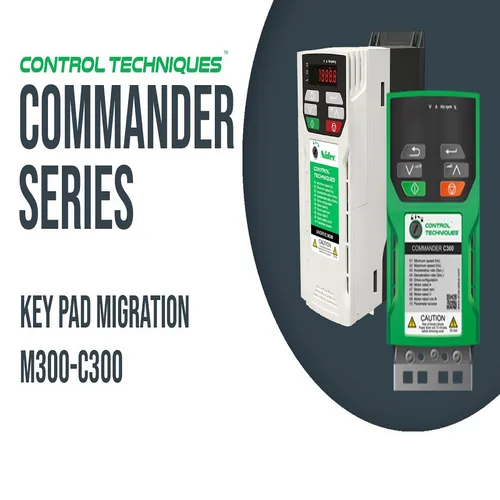
Commander C
Commander C VFD Drives from Paneltech Systems provide advanced motor control for industrial and commercial applications. Enhance efficiency and reliability.
View Product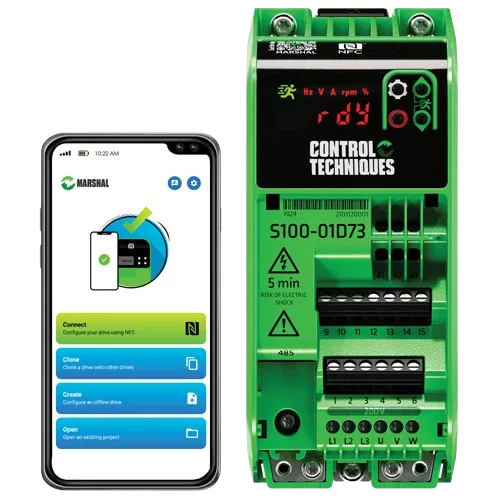
Commander S
Commander S VFD Drives offer energy-efficient motor control for industrial applications. Improve performance and optimise energy usage with reliable Commander S drives.
View ProductAt Paneltech Systems Ltd, we engineer both solutions based on load behavior, energy goals, and Kenyan grid conditions, ensuring optimal performance and compliance.
Learn more about our solutions on the products page or explore our low voltage panel systems.
What is a Soft Starter?
A soft starter is a motor control device that gradually increases voltage during startup to reduce inrush current and mechanical stress.
It protects motors during startup but does not control speed during operation.
Soft starters limit the high current surge that occurs when motors start directly online. Once the motor reaches rated speed, it runs at full voltage without further control.
Key Components:
- Thyristor-based voltage control
- Bypass contactor
- Protection relays
- Control logic system
What is a Variable Frequency Drive (VFD)?
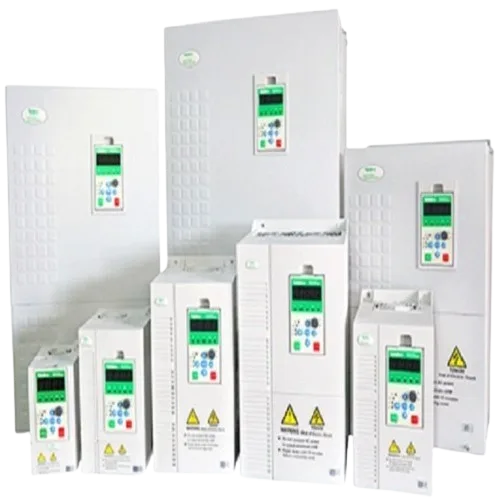
A VFD is an electronic controller that regulates motor speed by adjusting voltage and frequency.
It enables continuous speed control and significantly reduces energy consumption in variable load applications.
Unlike soft starters, VFDs control motor operation throughout the entire cycle, making them ideal for energy optimization.
Explore VFD solutions via our VFD drive systems.
Key Differences Between VFD and Soft Starter
VFDs provide full speed and torque control, while soft starters only manage motor startup conditions.
The selection depends on whether energy efficiency or simple protection is required.
Functional Differences
- Soft starter: Controls voltage during startup only
- VFD: Controls voltage and frequency during full operation
Energy Efficiency
- Soft starter: No operational energy savings
- VFD: Significant energy savings depending on load type
Control Capability
- Soft starter: Fixed-speed operation
- VFD: Variable-speed operation
When to Use a Soft Starter
Soft starters are best for fixed-speed applications where only controlled startup is required.
They are cost-effective and suitable for basic motor protection.
Suitable Applications:
- Pumps with constant flow demand
- Compressors
- Conveyor systems with stable load
- HVAC fans with limited control requirements
Advantages:
- Lower installation cost
- Reduced mechanical stress
- Simple configuration and maintenance
When to Use a VFD
VFDs are ideal for applications requiring speed control and energy optimization.
They are most effective in variable load systems common in Kenyan industries.
Suitable Applications:
- Water pumping systems with varying demand
- HVAC systems in commercial buildings
- Industrial automation systems
- Manufacturing processes with changing loads
Advantages:
- Energy savings up to 30%
- Precise process control
- Reduced equipment wear
- Lower long-term operating costs
System Comparison Table
Selection between VFD and soft starter depends on application requirements and cost considerations.
Each technology serves a distinct engineering purpose in motor control systems.
| Feature | Soft Starter | VFD |
|---|---|---|
| Function | Startup control only | Full speed control |
| Speed control | No | Yes |
| Energy savings | None | High |
| Cost | Lower | Higher initial cost |
| Complexity | Low | Medium |
| Application | Fixed-speed systems | Variable-speed systems |
| Maintenance | Low | Moderate |
Kenyan Industrial Context
Motor control selection in Kenya is influenced by energy costs, grid instability, and industrial load variability.
Choosing the right solution improves efficiency and reduces operational risks.
Grid Conditions
Kenya’s electrical grid experiences voltage fluctuations that can affect motor performance and lifespan.
Energy Costs
Rising electricity tariffs make VFD adoption increasingly attractive for long-term savings.
Industrial Load Behavior
Many Kenyan facilities operate mixed-load systems requiring tailored motor control strategies.
Integration with Electrical Systems
Both VFDs and soft starters integrate with industrial power distribution and automation systems.
Proper integration improves system reliability and operational efficiency.
Integration Options:
- Low voltage distribution panels
- APFC power factor correction systems
- PLC and SCADA automation systems
Explore related systems such as APFC panel solutions and multimeter monitoring systems.
ROI and Cost Analysis
Soft starters provide low-cost motor protection, while VFDs deliver long-term energy savings.
The decision depends on whether upfront cost or operational efficiency is prioritized.
Soft Starter ROI
- Low initial cost
- No energy savings during operation
- Fast payback in basic applications
VFD ROI
- Higher initial investment
- Significant energy savings
- Payback typically within 12–24 months
Why Choose Paneltech Systems Ltd
Paneltech Systems Ltd delivers engineered motor control solutions tailored for Kenyan industrial environments.
We ensure correct selection, installation, and long-term system reliability.
Our Capabilities:
- Custom motor control panel design
- VFD and soft starter installation
- Industrial system integration
- Technical support and maintenance
Get in touch via our contact page or explore residential and commercial solutions through Paneltech Homes.
Conclusion: Making the Right Motor Control Decision
VFDs are best for energy efficiency and variable speed applications, while soft starters are ideal for simple startup protection.
Correct selection improves system performance, reduces costs, and extends motor lifespan.
A proper engineering assessment is essential to determine the most suitable solution for each industrial application.
Contact Paneltech Systems Ltd
Powering Kenya's Future with Reliable Electrical Solutions
Email: [email protected]
Phone: 0799 531765
Location: Nairobi, Kenya
Website: https://paneltechsystems.co.ke/
Our Specialized Services:
Low Voltage (LV) Panels & APFC Panels
VFD Drive Solutions & ATS / MTS Systems
Solar Power and EV Charging Infrastructure
Electrical Supplies and Engineering Consultations