Laundry Control Panel Kenya | Industrial Automation Solutions
The Laundry Control Panel in Kenya is an advanced industrial automation system designed to optimize and manage laundry operations such as hotels, hospitals, and commercial laundromats. It automates washing, drying, and spin cycles using PLC-based controls, sensors, and electrical components
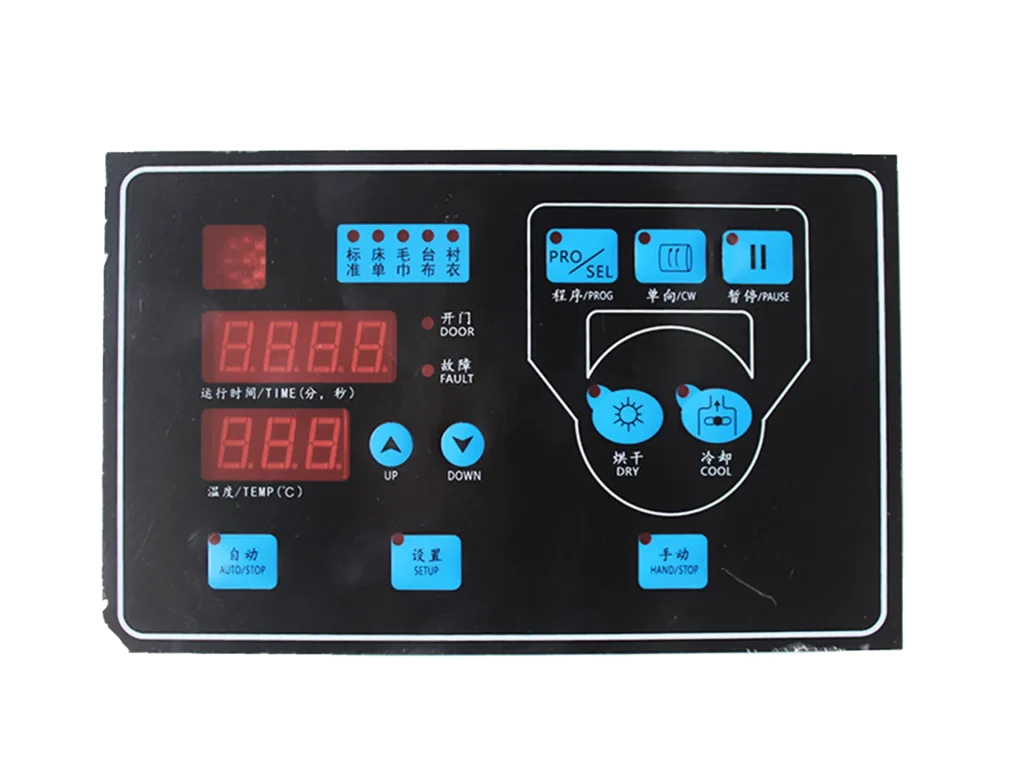
Industrial laundry operations in Kenya are rapidly expanding due to the growth of hotels, hospitals, universities, and commercial laundromats across Nairobi, Mombasa, Kisumu, and Eldoret. However, many facilities still struggle with inefficiencies such as high energy consumption, inconsistent washing cycles, equipment breakdowns, and poor process control.
A Laundry Control Panel in Kenya solves these challenges by introducing automation, precision control, and energy optimization into industrial laundry systems. These panels act as the central intelligence of washing machines, dryers, extractors, and ironing systems—ensuring every process runs efficiently and safely.
Related Products

PLC Automation Panels
Advanced PLC automation panels for intelligent control of industrial processes, tailored to your operational requirements.
View Product
Motor Control
Reliable motor control panels for industrial and commercial use, providing customised solutions for safe and efficient motor operation.
View Product
ATS / MTS Kenya
ATS/MTS solutions from Paneltech Systems provide reliable Automatic and Manual Transfer Switches for seamless power transfer in industrial and commercial electrical systems.
View Product
LV Panel
High-quality low voltage panels designed for reliable power distribution and protection in industrial and commercial installations.
View ProductAs industrial demand increases across East Africa, businesses are shifting toward automated control systems to reduce operational costs and improve productivity.
Explore related industrial systems:
Industrial Electrical Products Overview
Smart Control Solutions
Shop Electrical Automation Panels
WHAT IS A LAUNDRY CONTROL PANEL?
A laundry control panel is an electrical automation system designed to control and monitor industrial laundry machines. It integrates timers, relays, PLCs (Programmable Logic Controllers), and sensors to automate washing, drying, and finishing cycles.
Core Functions:
- Automating washing and drying cycles
- Managing temperature, water levels, and spin speeds
- Monitoring machine performance
- Reducing human intervention
- Ensuring energy-efficient operation
These systems are widely used in industrial laundry facilities across Kenya, especially in hotels, hospitals, and large-scale laundromats.
HOW DOES A LAUNDRY CONTROL PANEL WORK?
A laundry control panel operates through programmed logic sequences that control different stages of the laundry process.
Operational Flow:
- Operator selects wash program
- PLC activates water inlet valves
- Detergent dosing system is triggered
- Motor controls regulate drum rotation
- Heating system maintains temperature
- Spin and drying cycles are executed automatically
- System resets for next cycle
For integration with broader electrical systems, visit:
Electrical Distribution Systems
Industrial Automation Solutions
KEY COMPONENTS OF LAUNDRY CONTROL PANELS
A high-quality laundry control panel includes:
- PLC controller (automation brain)
- Contactors and relays
- Motor starters and drives (VFDs)
- Temperature and pressure sensors
- HMI (Human Machine Interface) touch screen
- Circuit breakers and protection devices
- Power supply modules
- Emergency stop systems
Enclosure Design:
- IP-rated metal enclosure (IP54–IP65)
- Heat-resistant and dust-proof housing
- Corrosion protection for humid environments (Mombasa, coastal Kenya)
BENEFITS OF LAUNDRY CONTROL PANELS IN KENYA
1. Energy Efficiency
Optimizes water heating and motor usage, reducing electricity costs.
2. Automation & Productivity
Eliminates manual intervention, increasing operational efficiency.
3. Reduced Equipment Wear
Controlled start/stop cycles extend machine lifespan.
4. Consistent Washing Quality
Ensures standardized cleaning results across all cycles.
5. Labor Cost Reduction
Fewer operators are required for large-scale laundry operations.
APPLICATIONS OF LAUNDRY CONTROL PANELS
Laundry control systems are essential in various sectors:
Hospitality Industry
- Hotels
- Resorts
- Lodges
Healthcare Sector
- Hospitals
- Clinics
- Medical laundries
Commercial Laundromats
- Urban laundry services in Nairobi and Kisumu
Institutional Facilities
- Universities
- Military and correctional facilities
- Large residential estates
COMMON MISTAKES IN LAUNDRY AUTOMATION SYSTEMS
Many facilities in Kenya face operational inefficiencies due to:
- Using non-programmable manual systems
- Poor electrical protection design
- Lack of surge protection
- Incorrect motor sizing
- Inadequate maintenance schedules
These issues lead to downtime, high energy costs, and frequent equipment failure.
COST FACTORS OF LAUNDRY CONTROL PANELS IN KENYA
The cost of industrial laundry control panels depends on:
- Level of automation (basic relay vs PLC-based systems)
- Number of controlled machines
- Sensor integration complexity
- HMI interface requirements
- Enclosure type and protection level
Market Insight (Kenya & East Africa):
- Small laundries: Basic control panels
- Medium facilities: Semi-automated PLC systems
- Large industrial setups: Fully automated smart control systems
TECHNICAL EXPERT INSIGHTS (INDUSTRIAL AUTOMATION VIEW)
Laundry control panels must comply with industrial automation and electrical standards for safety and performance.
IEC Standards:
- IEC 61439 – Switchgear assemblies
- IEC 60204 – Machine safety electrical equipment
- IEC 60947 – Control circuit components
Engineering Considerations:
- Motor load balancing for washing machines
- Thermal protection for heating systems
- Vibration resistance in high-speed extractors
- Moisture protection in humid laundry environments
Environmental Challenges in Kenya:
- High humidity in coastal regions affects control electronics
- Voltage fluctuations in industrial zones require surge protection
- Dust in dry regions like Athi River impacts panel lifespan
COMPARISON TABLE
| Feature | Manual Laundry Systems | Laundry Control Panel (Automated) |
|---|---|---|
| Operation | Human-controlled | PLC-controlled automation |
| Efficiency | Low | High |
| Energy Usage | High | Optimized |
| Consistency | Variable | Standardized |
| Maintenance | Frequent breakdowns | Predictive maintenance support |
| Labor Requirement | High | Low |
STEP-BY-STEP GUIDE: IMPLEMENTING A LAUNDRY CONTROL PANEL
Step 1: System Assessment
Evaluate laundry capacity and machine types.
Step 2: Load & Process Mapping
Define washing, drying, and finishing cycles.
Step 3: Panel Design Selection
Choose PLC, relays, and control architecture.
Step 4: Installation
- Mount control panel securely
- Connect motors, sensors, and actuators
- Integrate safety systems
Step 5: Testing & Commissioning
- Run dry tests
- Calibrate sensors
- Validate cycle automation
For professional installation:
Contact Electrical Experts
WHY LAUNDRY CONTROL PANELS ARE IMPORTANT IN KENYA
Kenya’s hospitality and healthcare industries are expanding rapidly, especially in cities like Nairobi, Mombasa, and Eldoret. This growth has increased demand for:
- Faster laundry processing
- Energy-efficient systems
- Reduced operational costs
- Reliable automation technologies
Laundry control panels provide a scalable solution that supports modern industrial requirements across East Africa.
FREQUENTLY ASKED QUESTIONS ABOUT LAUNDRY CONTROL PANELS IN KENYA
1. What is a laundry control panel used for?
It automates industrial laundry processes such as washing, drying, and spinning.
2. Where are laundry control panels used in Kenya?
They are used in hotels, hospitals, laundromats, and institutional facilities.
3. What is the advantage of automation in laundry systems?
Automation improves efficiency, reduces labor costs, and ensures consistent quality.
4. Are laundry control panels energy efficient?
Yes, they optimize motor and heating usage, reducing power consumption.
5. Can laundry control panels be customized?
Yes, they are fully customizable based on machine types and facility size.
6. What is the lifespan of a laundry control panel?
Typically 10–20 years with proper maintenance.
7. Do they require regular maintenance?
Yes, periodic inspection of electrical components and sensors is required.
8. Are they suitable for small laundries?
Yes, scalable systems are available for small to large operations.
CONCLUSION
Laundry control panels are transforming industrial laundry operations in Kenya by introducing automation, energy efficiency, and process reliability. From hotels in Nairobi to hospitals in Mombasa and commercial laundries in Kisumu, these systems ensure consistent performance and reduced operational costs.
As industries continue to modernize across East Africa, adopting intelligent control systems is no longer optional—it is a strategic investment in efficiency and competitiveness.
For high-performance, IEC-compliant automation solutions, Panel Tech Systems delivers reliable and engineered control systems tailored to your operational needs.
Power Your Project with Panel Tech Systems Today!
Whether you need a single distribution board or a full industrial electrical installation, our team of certified engineers is ready to deliver a tailored solution.
✔ IEC-Certified Electrical Panels
✔ End-to-End Engineering Solutions
✔ Trusted Across Kenya & East Africa
Call Us: 0799 531765
Email: [email protected]
Visit Us: Nairobi, Kenya