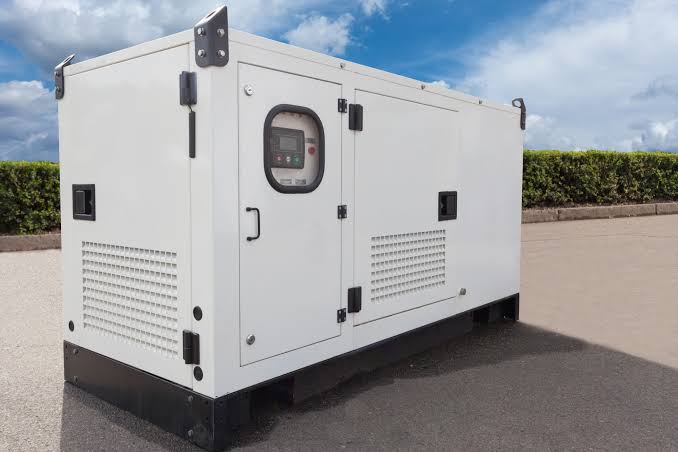
Low Voltage Panels Kenya | Industrial Electrical Services
Low Voltage Panels in Kenya are essential electrical distribution systems used to safely and efficiently manage power across industrial, commercial, and residential installations. Designed for reliability and compliance with IEC standards, these panels ensure stable power distribution

In Kenya’s rapidly growing industrial sector, reliable electricity distribution is no longer optional—it is a critical foundation for productivity, safety, and operational efficiency. From manufacturing plants in Nairobi to processing factories in Mombasa, and commercial developments in Kisumu and Eldoret, industries rely heavily on stable electrical infrastructure.
However, many facilities still struggle with power fluctuations, overloaded circuits, outdated distribution boards, and frequent downtime, which directly impacts productivity and increases operational costs.
This is where low voltage panels in Kenya play a crucial role. These systems ensure safe, controlled, and efficient distribution of electrical power across industrial, commercial, and residential installations.
Modern electrical engineering companies are now designing intelligent low voltage systems that integrate protection devices, monitoring systems, and automation-ready components for improved performance and scalability.
You can explore related engineering solutions here:
What Are Low Voltage Panels?
Low voltage panels are electrical distribution systems designed to control and distribute electrical power at voltages typically below 1,000V AC. They act as the central hub between power supply sources and end-use equipment.
Main Functions of Low Voltage Panels:
- Power distribution across circuits
- Equipment protection from overload and short circuits
- Load balancing across systems
- Electrical isolation for maintenance safety
- Integration of control and automation systems
These panels are essential in industries where uninterrupted power is required, including factories, hospitals, malls, water treatment plants, and data centers.
For more technical solutions:
Why Low Voltage Panels Are Important in Kenya
Kenya’s power infrastructure is improving, but industries still face challenges such as:
1. Unstable Grid Supply
Frequent voltage fluctuations damage sensitive equipment.
2. Rapid Industrial Expansion
Growing manufacturing and construction sectors require scalable power systems.
3. Harsh Environmental Conditions
Heat, dust, and humidity in coastal and inland regions affect electrical systems.
4. Safety Requirements
Industrial environments require strict electrical safety compliance.
Low voltage panels solve these challenges by ensuring stable, safe, and efficient energy distribution across all operations.
Key Benefits of Low Voltage Panels in Industrial Applications
1. Enhanced Electrical Safety
Built-in protection devices prevent overloads, short circuits, and fire risks.
2. Efficient Power Distribution
Ensures balanced load distribution across all connected systems.
3. Reduced Downtime
Minimizes unexpected shutdowns in production environments.
4. Scalability
Easily expandable for growing industrial operations.
5. Energy Optimization
Improves power usage efficiency, reducing electricity costs.
How Low Voltage Panels Work
Low voltage panels operate through a structured electrical control process:
- Power Input
- Electricity enters from transformer or generator sources.
- Protection Stage
- Circuit breakers and fuses protect against faults.
- Distribution Stage
- Power is divided into multiple outgoing circuits.
- Monitoring Stage
- Meters and sensors track load and performance.
- Output Delivery
- Safe and regulated power is supplied to equipment.
For industrial-grade solutions:
Applications of Low Voltage Panels in Kenya
Low voltage panels are widely used across multiple sectors:
1. Manufacturing Industries
- Machine power distribution
- Production line control
2. Commercial Buildings
- Shopping malls
- Office complexes
- Hotels
3. Healthcare Facilities
- Hospitals and clinics requiring uninterrupted power
4. Residential Complexes
- Apartments and gated communities
5. Infrastructure Projects
- Airports
- Water treatment plants
- Transport systems
Technical Engineering Considerations
Designing low voltage panels requires strict adherence to engineering standards.
1. IEC 61439 Compliance
Ensures safety, durability, and performance reliability.
2. Load Calculation
Proper sizing based on:
- Connected load (kW/kVA)
- Diversity factor
- Future expansion requirements
3. Protection Devices
- MCCBs (Molded Case Circuit Breakers)
- MCBs (Miniature Circuit Breakers)
- Earth leakage protection systems
4. Enclosure Design
- IP-rated enclosures for dust and moisture protection
- Thermal management for heat dissipation
5. Wiring Standards
- Proper cable sizing
- Color-coded wiring systems
- Organized cable management
Comparison: Low Voltage Panels vs Traditional Distribution Boards
| Feature | Low Voltage Panels | Traditional Distribution Boards |
|---|---|---|
| Safety Level | High (advanced protection systems) | Basic protection |
| Load Capacity | High industrial loads | Limited residential loads |
| Monitoring | Real-time monitoring systems | No monitoring |
| Scalability | Easily expandable | Limited expansion |
| Maintenance | Predictive and structured | Reactive maintenance |
| Industrial Use | Suitable for factories & plants | Limited applications |
Conclusion: Low voltage panels are significantly more advanced and suitable for modern industrial and commercial applications in Kenya.
Step-by-Step Guide: Installing Low Voltage Panels
Step 1: Site Assessment
Evaluate:
- Total electrical load
- Equipment requirements
- Environmental conditions
Step 2: System Design
Engineers design:
- Single line diagrams
- Protection coordination
- Load distribution strategy
Step 3: Panel Fabrication
Includes:
- Busbar installation
- Circuit breaker assembly
- Wiring and labeling
Step 4: Installation
- Mounting panels on site
- Connecting incoming and outgoing feeders
Step 5: Testing & Commissioning
- Insulation resistance testing
- Load testing
- Safety verification
Step 6: Maintenance Planning
- Scheduled inspections
- Thermal scanning
- Load balancing checks
Why Low Voltage Panels Matter in Kenya’s Industrial Growth
As Kenya continues to industrialize, especially in Nairobi’s industrial zones, Mombasa port industries, and manufacturing hubs in Eldoret and Kisumu, demand for reliable electrical infrastructure is increasing.
Low voltage panels support this growth by:
- Enabling stable industrial production
- Supporting infrastructure development
- Improving energy efficiency across sectors
- Reducing operational risks
They are now a core requirement in modern industrial electrical installation projects in Kenya and across East Africa.
Cost Considerations for Low Voltage Panels in Kenya
The cost of low voltage panels depends on:
- Panel size and complexity
- Number of circuits
- Type of protection devices
- Automation integration level
- Environmental protection rating
While initial installation costs may vary, long-term benefits include:
- Reduced maintenance expenses
- Lower downtime losses
- Improved energy efficiency
- Extended equipment lifespan
For tailored solutions:
Frequently Asked Questions About Low Voltage Panels in Kenya
1. What is a low voltage panel?
It is an electrical system used to distribute power safely at voltages below 1,000V.
2. Where are low voltage panels used?
They are used in industries, commercial buildings, hospitals, and residential complexes.
3. Why are low voltage panels important in Kenya?
They ensure stable power distribution despite grid instability and growing industrial demand.
4. How long do low voltage panels last?
Typically 10–20 years with proper maintenance.
5. Are low voltage panels safe?
Yes, they include multiple protection systems such as breakers and earth leakage protection.
6. What standards are used in panel design?
IEC 61439 is the global standard for low voltage panel manufacturing.
7. Can low voltage panels be customized?
Yes, they are designed based on specific load and application requirements.
8. What industries use LV panels in Kenya?
Manufacturing, real estate, healthcare, and infrastructure sectors.
9. Do LV panels require maintenance?
Yes, periodic inspections and testing are recommended.
10. Where can I get LV panels in Kenya?
From certified electrical engineering providers such as industrial automation specialists in Nairobi.
Conclusion
Low voltage panels are a critical part of modern electrical infrastructure in Kenya’s growing industrial and commercial sectors. They provide safe, efficient, and scalable power distribution solutions that support continuous operations across diverse environments.
As industries in Kenya and East Africa continue to expand, investing in professionally designed low voltage systems ensures reliability, safety, and long-term operational efficiency.
Power Your Project with Panel Tech Systems Today!
Whether you need a single distribution board or a full industrial electrical installation, our team of certified engineers is ready to deliver a tailored solution.
✔ IEC-Certified Electrical Panels
✔ End-to-End Engineering Solutions
✔ Trusted Across Kenya & East Africa
Call Us: 0799 531765
Email: [email protected]
Visit Us: Nairobi, Kenya