Motor Control Centre Kenya: Fixed, Plug-In or Withdrawable MCC — How to Choose
Discover how to choose the right Motor Control Centre (MCC) for your facility. Compare fixed, plug-in and withdrawable MCC designs, understand their advantages, maintenance requirements, and ideal applications for Kenyan industries.
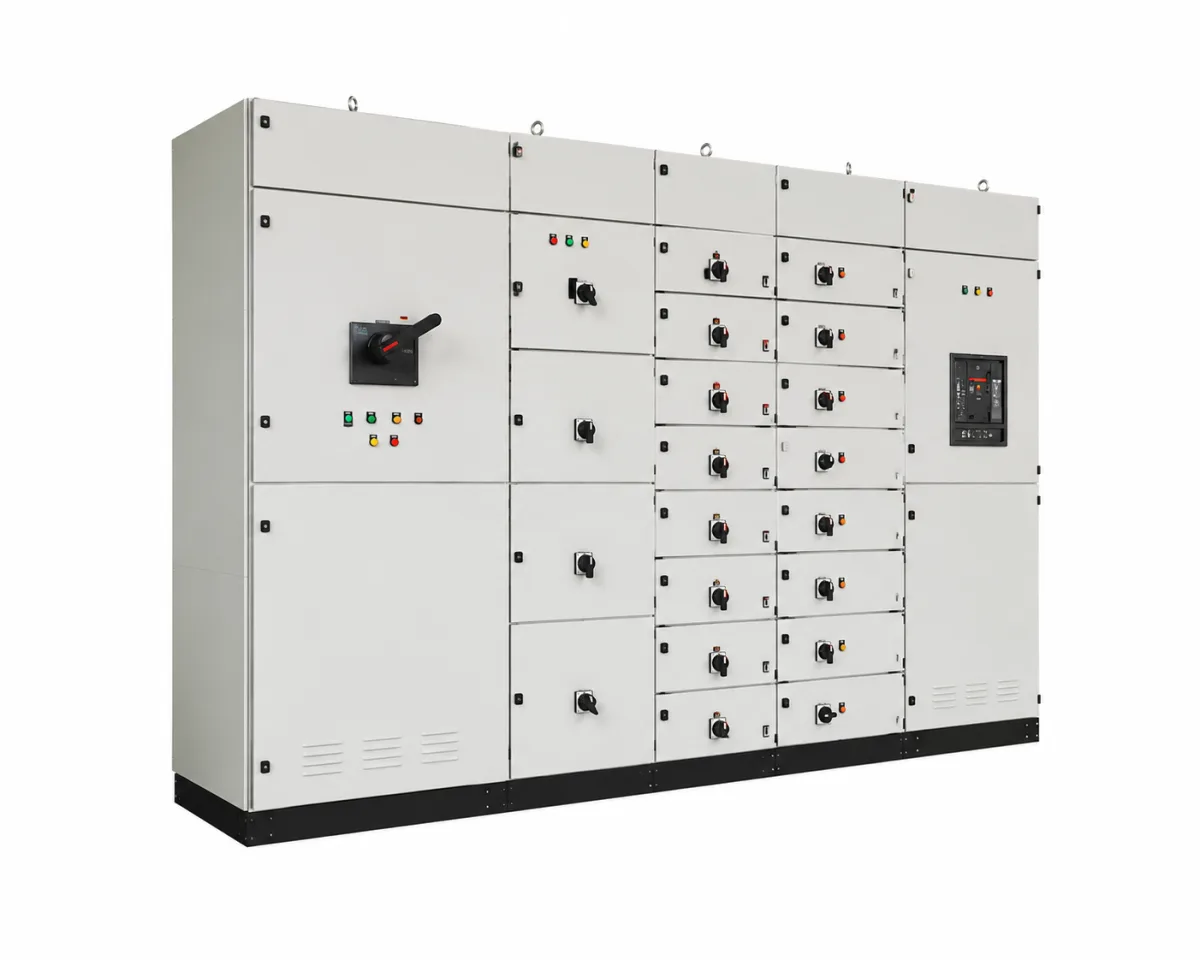
A Motor Control Centre (MCC) is the heart of any industrial electrical distribution system. Whether you're operating a manufacturing plant, water treatment facility, commercial building, food processing factory, or mining operation, the right MCC ensures safe motor control, reliable power distribution, and simplified maintenance.
Choosing between a fixed, plug-in, or withdrawable Motor Control Centre is one of the most important design decisions during a new installation or plant expansion. Each configuration offers different advantages in terms of maintenance, operational flexibility, safety, initial investment, and lifecycle costs.
Related Products

Motor Control
Reliable motor control panels for industrial and commercial use, providing customised solutions for safe and efficient motor operation.
View Product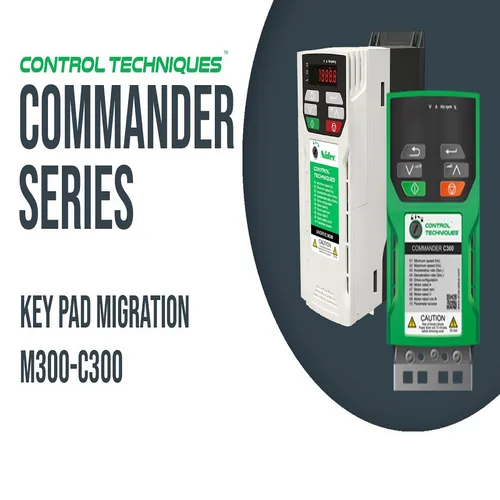
Commander C
Commander C VFD Drives from Paneltech Systems provide advanced motor control for industrial and commercial applications. Enhance efficiency and reliability.
View Product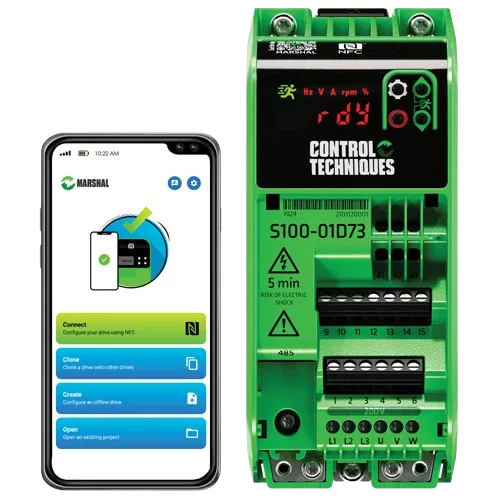
Commander S
Commander S VFD Drives offer energy-efficient motor control for industrial applications. Improve performance and optimise energy usage with reliable Commander S drives.
View Product
PLC Automation Panels
Advanced PLC automation panels for intelligent control of industrial processes, tailored to your operational requirements.
View ProductFor Kenyan industries, selecting the right motor control centre Kenya businesses rely on requires considering more than equipment specifications. Engineers must account for local operating conditions such as KPLC power fluctuations, plant expansion plans, environmental conditions, maintenance capabilities, and compliance with IEC 61439 and EPRA requirements.
At Paneltech Systems Ltd., we design, manufacture, and commission custom-built Motor Control Centres (MCCs) engineered for Kenya's industrial and commercial sectors. Our solutions are tailored to support everything from small pump stations to large manufacturing facilities, delivering dependable motor control and long-term operational reliability.
Learn more about our engineering expertise on our About Us page, or browse our complete range of industrial electrical products designed for modern power distribution and automation systems.
What Is a Motor Control Centre (MCC)?
A Motor Control Centre (MCC) is a centralized assembly of motor starters, protective devices, control equipment, and power distribution components used to operate and protect multiple electric motors. Modern MCCs improve safety, simplify maintenance, and provide reliable control for industrial electrical systems.
An MCC combines several motor feeders into one organized enclosure, allowing engineers and maintenance personnel to monitor, control, and protect multiple motors from a single location.
Typical components found inside a Motor Control Centre include:
- Motor starters
- Circuit breakers
- Contactors
- Motor protection relays
- Variable Frequency Drives (VFDs)
- Soft starters
- Control transformers
- PLC interfaces
- Power monitoring devices
- Busbar systems
- Metering equipment
Depending on the facility's operational requirements, MCCs can be supplied with conventional starters, intelligent motor controllers, or fully integrated automation systems that communicate with SCADA and Building Management Systems (BMS).
At Paneltech Systems, we also integrate Variable Frequency Drive (VFD) solutions and advanced monitoring equipment into our MCC designs to improve energy efficiency, motor performance, and process control.
Why MCC Selection Matters in Kenya
Selecting the correct Motor Control Centre configuration directly affects plant reliability, maintenance downtime, operational safety, and future expansion capabilities. Kenyan industries should evaluate lifecycle costs rather than focusing solely on initial purchase price.
Industrial facilities across Kenya operate in a wide range of environmental and electrical conditions. A processing plant in Nairobi may prioritize future production expansion, while a coastal facility in Mombasa requires additional protection against humidity and corrosion. Mining and cement plants in the Rift Valley often contend with high dust levels that demand robust enclosure protection.
These local conditions make MCC selection a strategic engineering decision rather than simply choosing the lowest-cost option.
Key factors to consider include:
Maintenance Requirements
Some industries cannot afford prolonged shutdowns. In continuous-process facilities such as food manufacturing, pharmaceuticals, and water treatment plants, rapid replacement of motor starters can significantly reduce downtime.
Withdrawable MCCs allow faulty motor feeder units to be isolated and replaced quickly without shutting down the entire switchboard, making them ideal for critical operations.
Plant Expansion
Many Kenyan factories expand production capacity over time. Selecting an MCC with modular construction allows additional motor feeders to be added without replacing the entire panel.
Plug-in and withdrawable designs generally provide greater flexibility for future upgrades than conventional fixed MCCs.
Electrical Supply Stability
Voltage fluctuations, phase imbalances, and utility switching events on the national grid can affect motor performance and increase stress on electrical equipment.
Properly designed MCCs should incorporate:
- Motor protection relays
- Surge protection devices
- Automatic Power Factor Correction (APFC) where appropriate
- Power quality monitoring
- Intelligent protection coordination
Our Automatic Power Factor Correction (APFC) panel solutions help industrial facilities improve power factor, reduce reactive power charges, and enhance overall electrical system efficiency.
Compliance with Standards
Industrial Motor Control Centres installed in Kenya should comply with internationally recognized standards, including:
- IEC 61439 for low-voltage switchgear and controlgear assemblies
- IEC 60947 for switching and protection devices
- Relevant BS EN standards
- EPRA requirements for safe electrical installations
Compliance ensures equipment reliability, simplifies inspections, and supports long-term operational safety.
The Three Main Types of Motor Control Centres
Direct Answer: Motor Control Centres are generally classified as fixed, plug-in, or withdrawable. The right choice depends on maintenance strategy, operational criticality, available budget, and future expansion plans.
Although all MCCs perform the same fundamental function—controlling and protecting electric motors—the internal construction differs considerably.
The three primary configurations are:
- Fixed Motor Control Centres
- Plug-In Motor Control Centres
- Withdrawable Motor Control Centres
Each offers unique advantages depending on the operational priorities of the facility.
In the following sections, we'll examine each configuration in detail, comparing installation costs, maintenance requirements, operational safety, lifecycle value, and the industries where each design performs best.
Contact Paneltech Systems Ltd.
Powering Kenya's Future with Reliable Electrical Solutions
Selecting the right Motor Control Centre (MCC) is a critical investment in the reliability, safety, and efficiency of your electrical infrastructure. Whether you require a fixed, plug-in, or withdrawable MCC, Paneltech Systems Ltd. provides end-to-end engineering support—from system design and panel manufacturing to installation, testing, and commissioning.
Our experienced engineers work closely with industrial, commercial, and infrastructure clients across Kenya to deliver IEC-compliant Motor Control Centres tailored to each facility's operational requirements and future expansion plans.
Our Specialized Services
- Custom Motor Control Centre (MCC) Design & Manufacturing
- Low Voltage (LV) Panels & Power Distribution Systems
- Automatic Power Factor Correction (APFC) Panels
- Variable Frequency Drive (VFD) Solutions
- Automatic Transfer Switch (ATS) & Manual Transfer Switch (MTS) Panels
- PLC-Based Industrial Automation & Control Systems
- Electrical Engineering Design & Consultations
- Power Quality Analysis & Energy Management Solutions
- Electrical Installation, Testing & Commissioning
- Preventive Maintenance & MCC Upgrades
Whether you're constructing a new facility, expanding an existing production line, or upgrading aging motor control equipment, our team can recommend the most suitable MCC configuration for your application.
Get in Touch
- Email: [email protected]
- Phone: 0799 531765
- Location: Nairobi, Kenya
- Website: Paneltech Systems Ltd.