Motor Protection Relay Settings Kenya Explained: Overload, Phase Failure
Learn the correct motor protection relay settings for overload, phase failure, and stall trips in Kenya. This guide explains IEC-compliant settings, commissioning best practices, and motor protection for reliable industrial operations.
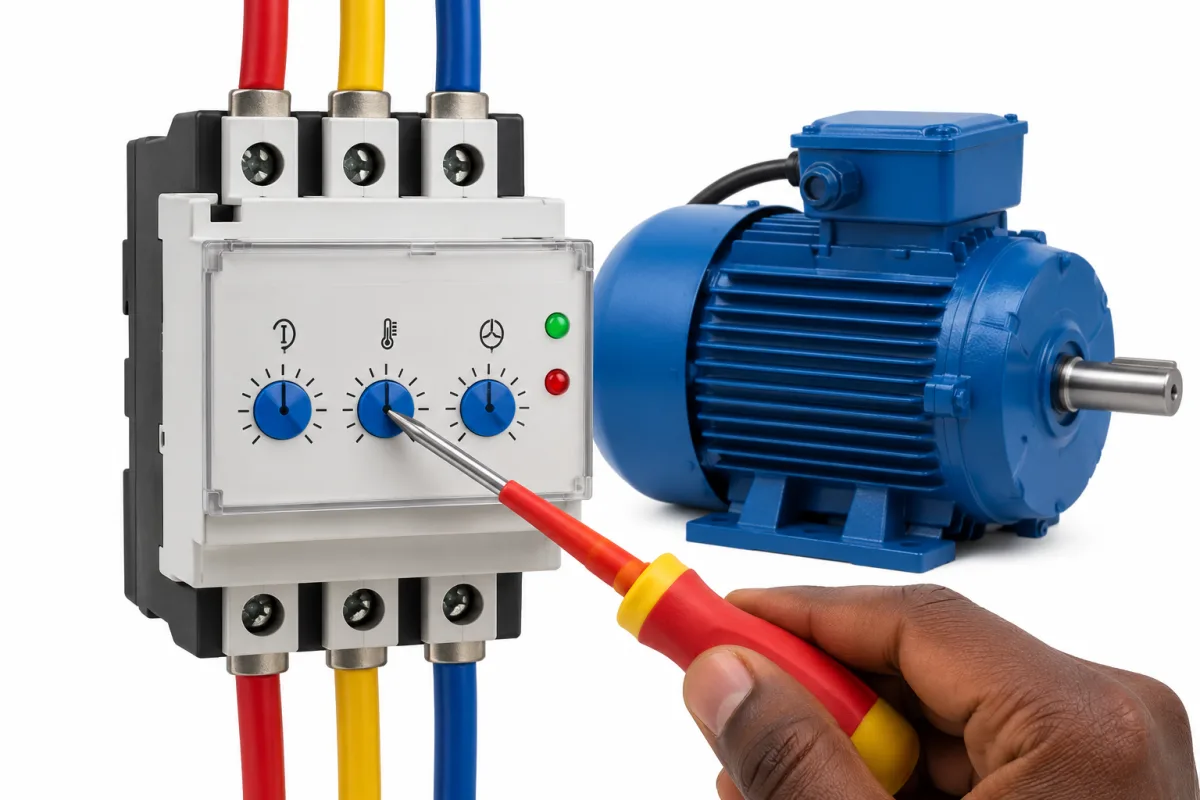
Electric motors are the backbone of Kenya's manufacturing, commercial, agricultural, and infrastructure sectors. From water treatment plants and tea factories to cement production, food processing, HVAC systems, and commercial buildings, reliable motor operation is essential for maintaining productivity and minimizing costly downtime.
However, even the highest-quality motor can fail prematurely if it is not protected against overloads, phase failures, voltage imbalance, stalled rotors, or electrical faults. This is where properly configured motor protection relays become indispensable.
Related Products

Motor Control
Reliable motor control panels for industrial and commercial use, providing customised solutions for safe and efficient motor operation.
View Product
Protection Panels
Robust protection panels safeguarding electrical systems and equipment from faults, overloads and short circuits.
View Product
MPD 192
Multispan MPD 192 motor protection device providing comprehensive protection for three-phase motors against faults.
View Product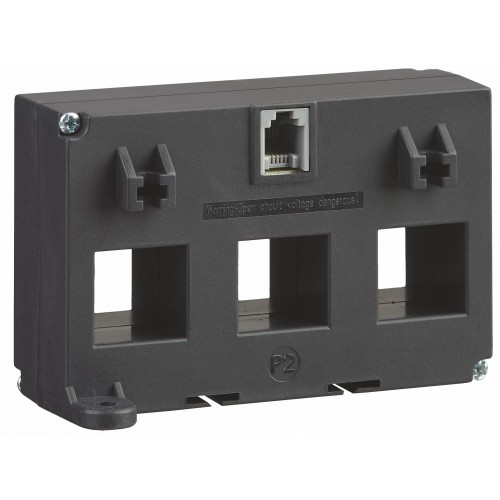
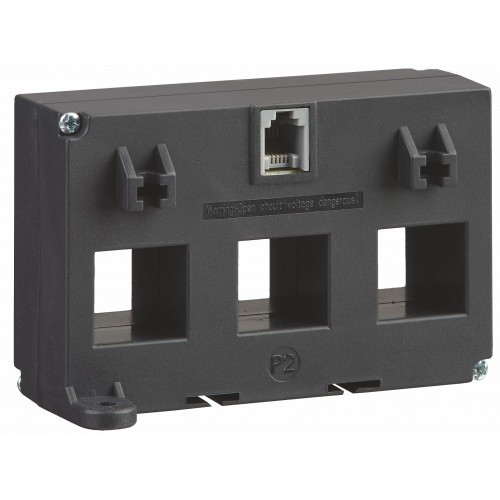
3 Phase Current Transformer
3-Phase Current Transformers for accurate power monitoring and measurement. Paneltech Systems offers high-quality Rishabh 3-Phase CTs for industrial energy monitoring and protection.
View ProductUnderstanding the correct motor protection relay settings Kenya industries depend on is about more than simply entering factory default values. Every relay should be configured according to the motor's nameplate data, starting method, load characteristics, and operating environment. Incorrect settings can lead to nuisance trips that interrupt production or, even worse, allow a motor to continue operating under damaging conditions.
At Paneltech Systems Ltd., we design, manufacture, install, and commission intelligent Motor Control Centres (MCCs), Low Voltage (LV) switchboards, and industrial motor protection systems engineered for Kenya's demanding electrical conditions. Whether your facility operates in Nairobi's industrial zones, Mombasa's humid coastal climate, or the dusty environments of the Rift Valley, our solutions are built to meet international standards while addressing local operating challenges.
To learn more about our engineering capabilities, visit our About Paneltech Systems page. You can also explore our complete range of industrial electrical products and solutions designed for commercial and industrial facilities across Kenya.
Why Motor Protection Relay Settings Matter
Motor protection relays continuously monitor electrical and thermal conditions to prevent damage caused by overloads, phase failure, voltage imbalance, stalled motors, and other abnormal operating conditions. Correct relay settings improve equipment reliability, reduce maintenance costs, and help ensure compliance with IEC standards.
Electric motors represent one of the largest investments in any industrial electrical system. While motors are designed to operate reliably for many years, they remain vulnerable to electrical disturbances and mechanical faults that can quickly lead to insulation failure, winding damage, overheating, or complete motor burnout.
A modern motor protection relay serves as the first line of defence by continuously monitoring operating conditions and disconnecting the motor before irreversible damage occurs.
Without adequate protection, facilities risk:
- Unexpected production downtime
- Costly motor rewinding or replacement
- Reduced equipment lifespan
- Higher maintenance expenses
- Increased safety hazards
- Reduced overall plant efficiency
For Kenyan industries, the need for effective protection is even greater due to the realities of local power distribution. Voltage fluctuations, occasional phase imbalances, and utility switching events on the KPLC network can expose motors to conditions that accelerate wear if protection settings are not correctly configured.
Modern digital motor protection relays also provide valuable diagnostics, including fault history, thermal capacity monitoring, event logging, and communication with Building Management Systems (BMS) or SCADA platforms. These features enable maintenance teams to identify developing issues before they result in unplanned shutdowns.
At Paneltech Systems, our engineers integrate advanced protection devices into custom-built Low Voltage (LV) panel solutions and Motor Control Panels to deliver reliable protection for industrial facilities throughout Kenya and East Africa.
Common Causes of Motor Failure in Kenya
Most motor failures result from overload, phase loss, voltage imbalance, poor relay configuration, mechanical binding, or inadequate maintenance. Correctly configured protection relays significantly reduce these risks by disconnecting motors before serious damage occurs.
Although electric motors are built for long service life, they frequently operate in demanding environments that expose them to both electrical and mechanical stress.
Some of the most common causes of motor failure in Kenyan industrial facilities include:
Thermal Overloading
Thermal overload occurs when a motor operates above its rated current for an extended period. Excessive current increases winding temperatures, gradually degrading insulation and reducing the motor's operational life.
Typical causes include:
- Conveyor overloading
- Pump blockages
- Mechanical friction
- Oversized production loads
- Incorrect motor sizing
Proper overload relay settings ensure the motor trips before damaging temperatures are reached while avoiding unnecessary interruptions during normal starting conditions.
Phase Failure
Three-phase induction motors depend on a balanced power supply. If one phase is lost because of a blown fuse, damaged cable, loose termination, or upstream distribution fault, the motor attempts to continue operating on the remaining two phases.
This condition can cause:
- Rapid overheating
- Increased current draw
- Reduced torque
- Insulation deterioration
- Complete winding failure
Modern protection relays detect phase loss almost instantly, disconnecting the motor before permanent damage occurs.
Voltage Imbalance
Even relatively small differences between phase voltages can significantly increase motor temperature.
Common causes include:
- Uneven loading across phases
- Loose electrical connections
- Distribution transformer issues
- Utility supply disturbances
Because Kenyan industrial facilities may experience occasional supply variations, voltage imbalance protection is an important feature in properly engineered Motor Control Centres.
Mechanical Stall
Mechanical equipment can become jammed because of seized bearings, blocked pumps, conveyor obstructions, or process failures.
When a motor stalls, current rises dramatically while cooling airflow decreases, creating ideal conditions for rapid overheating.
Stall protection detects this abnormal operating condition and disconnects the motor before serious damage occurs.
Environmental Conditions
Kenya's diverse climate also influences motor reliability.
Facilities located in Mombasa and other coastal regions must contend with high humidity, salt-laden air, and increased corrosion risks. In these environments, IP65-rated enclosures provide superior protection against moisture ingress.
Conversely, industries operating in the Rift Valley, mining operations, cement plants, and grain processing facilities are often exposed to significant airborne dust. Depending on the application, IP54 or IP65 enclosures may be selected to protect sensitive electrical components from contamination while maintaining adequate ventilation.
Selecting the correct enclosure rating is therefore an essential part of motor protection system design, not merely an enclosure specification.
Contact Paneltech Systems Ltd.
Powering Kenya's Future with Reliable Electrical Solutions
If you're planning a new Motor Control Centre (MCC), upgrading an existing motor protection system, or need expert guidance on configuring overload, phase-failure, and stall protection relay settings, our engineering team is ready to help. We provide end-to-end electrical engineering solutions for industrial, commercial, and infrastructure projects across Kenya.
Our services include:
- Low Voltage (LV) Panel design and manufacturing
- Motor Control Centres (MCCs)
- Motor Protection Relay configuration and commissioning
- Automatic Power Factor Correction (APFC) Panels
- Variable Frequency Drive (VFD) Solutions
- Automatic Transfer Switch (ATS) and Manual Transfer Switch (MTS) Panels
- Industrial Automation and Control Systems
- Electrical Installation, Testing, and Maintenance
- Solar Power Distribution and EV Charging Infrastructure
Whether you're protecting a single motor or designing a complete industrial power distribution system, Paneltech Systems Ltd. delivers IEC-compliant, reliable, and customized solutions tailored to Kenya's operating conditions.
Contact Us Today
- Email: [email protected]
- Phone: 0799 531765
- Location: Nairobi, Kenya
- Website: Paneltech Systems Ltd.