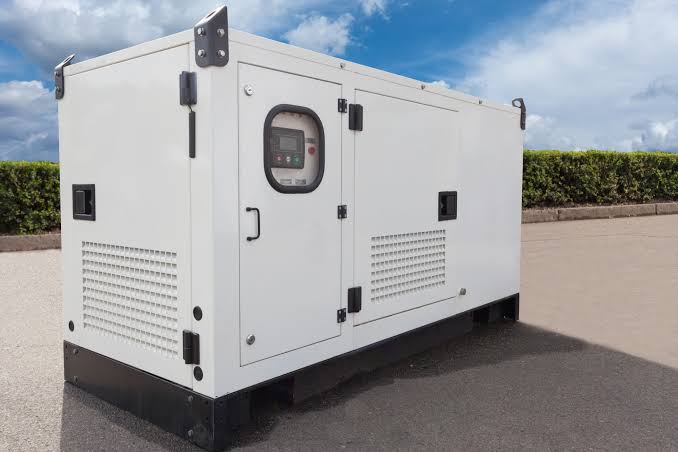
Poultry House Control Panel Kenya: Greenhouse Automation Guide
Poultry house control panel systems automate ventilation, heating, cooling, lighting and alarms, while greenhouse automation Kenya solutions can control irrigation, temperature and humidity. Explore custom farm control panels for modern agricultural facilities.
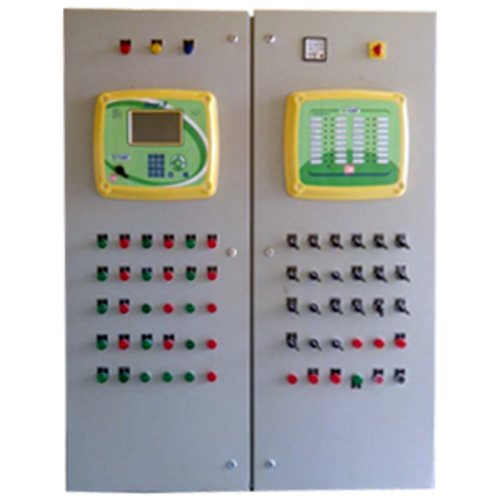
Poultry house control panels and greenhouse automation panels coordinate ventilation, heating, cooling, lighting, irrigation and other farm equipment according to environmental conditions. Proper automation helps maintain more consistent operating conditions while reducing manual intervention and improving control of agricultural electrical loads.
Modern agricultural facilities increasingly depend on reliable environmental control. Poultry houses need appropriate ventilation and temperature management, while greenhouses may require irrigation, ventilation, shading and climate-control systems.
A properly engineered farm control panel brings these functions together in a controlled electrical system.
Paneltech Systems Ltd provides electrical engineering, LV panels and automation solutions for industrial and commercial applications. Its LV panel solutions can be configured around project-specific loads and control requirements.
What Is a Poultry House Control Panel?
A poultry house control panel is an electrical control system that manages equipment such as ventilation fans, heaters, cooling systems, lighting and alarms according to the requirements of the poultry facility. Sensors and programmed control logic can automatically adjust equipment as environmental conditions change.
A typical poultry house may require control of:
- Exhaust fans
- Circulation fans
- Heating equipment
- Cooling pads
- Inlet motors
- Lighting
- Feed systems
- Water pumps
- Alarm systems
- Backup power interfaces
The panel can receive inputs from:
- Temperature sensors
- Humidity sensors
- Pressure sensors
- Water-level switches
- Equipment feedback
- Door or access switches
The controller then uses these inputs to operate the relevant equipment.
Why Poultry Automation Matters
Poultry automation helps maintain stable environmental conditions by responding automatically to temperature, humidity and ventilation requirements. This can reduce dependence on manual switching and provide faster responses to changing conditions.
Poultry houses can experience rapid changes in environmental conditions.
For example, during a hot afternoon:
Temperature rises
↓
Controller receives sensor input
↓
Additional fans operate
↓
Cooling system activates where required
↓
Temperature moves toward the programmed range
The exact sequence should be determined by the poultry production system and equipment supplier.
Poultry House Ventilation Control
Ventilation control is one of the most important functions of poultry automation because fans regulate airflow and help manage heat and humidity. Automated fan staging allows the ventilation system to respond progressively rather than operating every fan continuously.
A staged system might operate:
Stage 1
Low ventilation demand.
Stage 2
Additional fan starts as temperature increases.
Stage 3
Further fans operate when the temperature reaches a higher threshold.
Stage 4
Maximum ventilation or cooling is activated when required.
This approach can provide better control than manually switching fans.
Poultry Cooling and Heating Control
Poultry control panels can coordinate heating and cooling equipment using temperature inputs and programmed setpoints. The control logic should include suitable interlocks so that conflicting equipment does not operate unnecessarily at the same time.
For example:
Temperature below setpoint → Heating enabled
Temperature within range → Normal ventilation
Temperature above setpoint → Increased ventilation
High temperature → Cooling system enabled
The actual control sequence should reflect the poultry house design.
Poultry House Lighting Automation
Automated lighting allows poultry facilities to operate lighting according to programmed schedules instead of relying on manual switching. Timers, digital controllers or PLC-based systems can be used depending on the complexity of the installation.
Lighting control can provide:
- Scheduled operation
- Multiple lighting zones
- Manual override
- Contactors or relays
- Dimming where suitable
- Fault indication
The lighting schedule should be established according to the production requirements.
Poultry Water and Feed Equipment
Water pumps, feed motors and related agricultural equipment can be integrated into the control architecture where automation is required. Motor protection and appropriate interlocks should be provided for each electrical load.
A control panel may monitor:
- Water level
- Pump status
- Feed motor status
- Motor trips
- Tank levels
- Equipment faults
For example:
Low tank level → Pump starts
High tank level → Pump stops
Pump overload → Alarm
This reduces unnecessary manual monitoring.
What Is Greenhouse Automation Kenya?
Greenhouse automation Kenya systems use sensors and control equipment to manage environmental and irrigation conditions inside protected agricultural structures. Depending on the crop and facility, automation can control irrigation, ventilation, shading, heating, cooling and fertigation equipment.
A greenhouse may require control of:
- Irrigation pumps
- Solenoid valves
- Ventilation fans
- Roof vents
- Side curtains
- Shade screens
- Heating systems
- Cooling systems
- Fertiliser dosing
- Lighting
The level of automation can range from simple timer control to a fully integrated PLC system.
Greenhouse Irrigation Control
Automated irrigation control allows pumps and valves to operate according to schedules, soil or substrate conditions, tank levels and crop requirements. The control panel should provide appropriate motor protection and switching for the irrigation equipment.
A simple sequence may be:
Irrigation schedule reached
↓
Pump starts
↓
Valve 1 opens
↓
Irrigation cycle runs
↓
Valve 1 closes
↓
Valve 2 opens
↓
Cycle continues
↓
Pump stops
More advanced systems can use sensor inputs to modify irrigation according to actual conditions.
Greenhouse Ventilation Automation
Greenhouse ventilation systems can automatically adjust airflow according to temperature and humidity conditions. Automated ventilation helps reduce the need for constant manual adjustment of fans, vents and other environmental equipment.
Control inputs may include:
- Temperature
- Relative humidity
- Wind conditions
- Rain sensors
- Solar radiation
- Manual commands
Outputs can control:
- Exhaust fans
- Circulation fans
- Motorised vents
- Louvres
- Curtains
Safety interlocks should be included where necessary.
Greenhouse Temperature Control
Temperature control allows greenhouse equipment to respond to changing internal conditions. The automation panel can use temperature sensors and programmable setpoints to activate cooling, ventilation or heating equipment.
A simplified strategy may be:
| Condition | Possible Action |
|---|---|
| Low temperature | Heating |
| Normal temperature | Maintain ventilation |
| High temperature | Increase ventilation |
| Very high temperature | Cooling |
| Sensor fault | Alarm / safe mode |
Actual values should be determined by the crop and agricultural design.
Humidity Control in Greenhouses
Humidity can affect plant health and greenhouse conditions, making it a useful variable for automated environmental control. Humidity sensors can provide inputs for ventilation, irrigation or other equipment where the control strategy requires it.
High humidity can contribute to condensation and create favourable conditions for certain plant diseases.
Automation can help operators respond to excessive humidity by controlling:
- Ventilation
- Fans
- Irrigation cycles
- Heating
- Dehumidification equipment where installed
Farm Control Panel Components
A farm control panel typically combines electrical protection with contactors, motor starters, relays, sensors, controllers and monitoring equipment. The components should be selected according to the connected loads and environmental conditions.
A typical panel can include:
- Main MCCB
- MCBs
- Contactors
- Overload relays
- Motor protection
- Control relays
- PLC
- HMI
- Power supplies
- Temperature controllers
- Humidity inputs
- Timers
- Level controllers
- Emergency stops
- Alarm indicators
Paneltech Systems can design custom LV panels around the required agricultural loads.
PLC Automation for Poultry and Greenhouses
PLC-based automation is particularly useful where agricultural facilities have several sensors, motors and operating sequences that need coordinated control. PLCs allow the control logic to be modified and expanded more easily than a large collection of standalone timers and relays.
A PLC may receive inputs from:
- Temperature sensors
- Humidity sensors
- Level switches
- Pressure switches
- Flow switches
- Motor feedback
- Emergency stops
The PLC can then control:
- Fans
- Pumps
- Heaters
- Valves
- Lighting
- Vents
- Cooling equipment
For larger farms, an HMI can provide a central operator interface.
HMI Monitoring for Agricultural Automation
An HMI gives operators a central interface for viewing temperatures, equipment status, alarms and operating conditions. This can make complex poultry or greenhouse automation easier to operate and troubleshoot.
An HMI can display:
- Current temperature
- Humidity
- Fan status
- Pump status
- Water levels
- Active alarms
- Motor trips
- Irrigation status
- Heating status
Operators may also be able to change approved setpoints or operating modes.
Access controls should be used where unauthorised changes could affect production.
Farm Automation and Power Stability in Kenya
Agricultural automation systems should account for power interruptions and supply variations because ventilation, pumping and environmental-control equipment may be operationally critical. The electrical design should therefore consider protection, backup power and controlled restart.
Potential solutions include:
- Generator integration
- ATS systems
- Motor protection
- Phase monitoring
- Surge protection
- Controlled equipment restart
- Alarm systems
For farms where ventilation is critical, backup power planning can be especially important.
Paneltech Systems provides ATS and MTS systems that can form part of a suitable backup-power architecture.
Generator Integration for Poultry Houses
Generator integration can help maintain essential agricultural loads during utility outages. The generator and transfer system should be sized for the actual electrical loads and starting characteristics of the equipment.
Critical loads may include:
- Ventilation fans
- Water pumps
- Cooling systems
- Control panels
- Lighting
- Feed systems
Not every load necessarily needs to operate during an outage.
A load-priority strategy can therefore be useful.
VFDs for Agricultural Fans and Pumps
Variable frequency drives can control suitable fan and pump motors by adjusting their operating speed. This can provide smoother control and may reduce energy consumption under appropriate variable-load conditions.
VFD applications may include:
- Poultry ventilation fans
- Greenhouse ventilation fans
- Irrigation pumps
- Water circulation pumps
- Fertigation pumps
Benefits may include:
- Adjustable speed
- Reduced starting current
- Better process control
- Potential energy savings
- Reduced mechanical stress
Paneltech Systems offers VFD drive solutions for applications requiring variable-speed motor control.
Environmental Protection for Farm Control Panels
Agricultural control panels should be protected against the environmental conditions present at the installation site, including dust, humidity, moisture and chemical exposure. The enclosure rating and construction should therefore be selected according to the farm environment.
Poultry facilities can expose equipment to:
- Dust
- Moisture
- Ammonia
- Cleaning chemicals
- Temperature changes
Greenhouses can experience:
- High humidity
- Condensation
- Fertiliser exposure
- Water spray
- Heat
The panel location should be selected carefully.
IP Rating for Poultry and Greenhouse Panels
The required IP rating depends on the environment and exposure to dust and water. Higher ingress protection may be appropriate for areas exposed to moisture or washdown, but the final rating should be based on the actual installation conditions.
For example:
| Rating | General Protection |
|---|---|
| IP54 | Dust protection and water splashing |
| IP65 | Dust-tight and protected against water jets |
A panel installed in a dry control room may have different requirements from one located close to irrigation equipment.
System Specifications Table
A farm automation panel specification should define the power supply, connected loads, control functions, sensors, communication requirements and enclosure conditions before manufacturing. This provides a clear basis for panel design and commissioning.
| Parameter | Typical Requirement |
|---|---|
| Application | Poultry / Greenhouse |
| Supply | 230/400 V AC, project specific |
| Frequency | 50 Hz |
| Main protection | MCCB |
| Motor protection | Overload / motor protection |
| Control | Relay / PLC |
| HMI | Where required |
| Sensors | Temperature / humidity / level |
| Outputs | Fans / pumps / heaters / valves |
| Irrigation | Timer / sensor controlled |
| Ventilation | Staged / variable speed |
| Heating | Thermostat / PLC |
| Cooling | Temperature controlled |
| Lighting | Timer / PLC |
| Communication | Modbus / Ethernet where required |
| Enclosure | Steel / suitable material |
| IP rating | Environment dependent |
| Backup power | Generator / ATS where required |
| Emergency stop | Where required |
| Standards | Applicable IEC/BS EN standards |
Alarm and Fault Monitoring
Alarm monitoring helps agricultural operators respond quickly when environmental conditions or equipment move outside acceptable operating limits. The panel can provide local alarms and, where required, remote notifications.
Possible alarms include:
- High temperature
- Low temperature
- High humidity
- Fan failure
- Pump failure
- Motor overload
- Water shortage
- High tank level
- Low tank level
- Power failure
- Emergency stop
- Sensor failure
Critical alarms should be prioritised so operators know which conditions require immediate attention.
Remote Monitoring for Farm Automation
Remote monitoring allows operators and managers to view agricultural equipment and environmental conditions without being physically beside the control panel. Communication systems can send selected data to a supervisory platform where required.
A connected system may provide:
Sensors → PLC → Communication Gateway → Dashboard
The dashboard could show:
- Temperature
- Humidity
- Fan status
- Pump status
- Water level
- Alarm status
- Energy consumption
Remote monitoring should complement, not replace, appropriate local safety controls.
Electrical Safety in Agricultural Control Panels
Agricultural panels require appropriate overcurrent protection, motor protection, earthing, isolation and emergency controls. Equipment installed around water and livestock should receive particular attention during electrical design.
Important considerations include:
- Proper earthing
- Circuit protection
- Motor overload protection
- Emergency isolation
- Cable management
- Appropriate enclosure rating
- Equipment labelling
- Safe maintenance access
Greenhouse irrigation areas require particular attention because water and electrical equipment may be located close together.
Common Poultry Automation Problems
Common poultry automation problems include failed sensors, incorrect temperature settings, overloaded motors, poor ventilation sequencing and unreliable power supplies. Proper commissioning and preventive maintenance can identify many problems before they affect production.
Fan Does Not Start
Possible causes:
- Motor overload
- Contactor failure
- Control signal failure
- Phase problem
- VFD fault
Temperature Becomes Too High
Possible causes:
- Fan failure
- Cooling failure
- Sensor fault
- Incorrect setpoint
- Power interruption
Pump Does Not Operate
Possible causes:
- Low water level
- Motor trip
- Control fault
- Contactor failure
- Pump fault
Common Greenhouse Automation Problems
Greenhouse automation can fail when sensors are poorly positioned, irrigation schedules are incorrect, valves malfunction or control panels are exposed to excessive moisture. Regular inspection and calibration help maintain reliable operation.
Potential problems include:
- Incorrect sensor readings
- Blocked irrigation valves
- Pump overload
- Excess humidity
- Ventilation failure
- Communication failure
- Power interruption
The automation system should provide clear fault indications.
Testing and Commissioning Farm Control Panels
Commissioning verifies that the panel's electrical protection, sensors, control sequences, alarms and equipment outputs operate according to the approved design. Each automatic sequence should be tested before the facility enters normal operation.
Testing can include:
- Visual inspection
- Wiring verification
- Continuity testing
- Insulation testing where appropriate
- Protective-device checks
- Sensor verification
- Manual/automatic mode testing
- Fan testing
- Pump testing
- Heating testing
- Cooling testing
- Irrigation sequencing
- Alarm testing
- Emergency-stop testing
The commissioning process should be documented.
Designing a Poultry and Greenhouse Automation Panel
The best farm control panel begins with a detailed load schedule and control philosophy covering every motor, sensor, actuator and environmental requirement. This allows the panel builder to select appropriate protection and control equipment from the start.
The design process can include:
- Review the farm layout
- Develop the load schedule
- Identify environmental-control requirements
- Select sensors
- Develop the control sequence
- Select motor protection
- Select PLC/HMI where required
- Design the panel
- Fabricate and wire the panel
- Test and commission
This approach is more reliable than selecting a generic panel before the control requirements are known.
Paneltech Systems Agriculture Automation Solutions
Paneltech Systems Ltd can support custom electrical panels and automation architecture for agricultural applications requiring motor control, environmental monitoring and automated sequencing. The final solution should be tailored to the farm's equipment, production requirements and environmental conditions.
Solutions can incorporate:
- LV distribution
- Motor control
- VFDs
- PLC automation
- HMI monitoring
- Pump control
- Fan control
- Temperature monitoring
- Alarm systems
- Generator/ATS integration
Visit Paneltech Systems to explore its electrical engineering capabilities.
You can also access the Paneltech Systems Knowledge Site for additional technical resources.
Final Considerations for Poultry and Greenhouse Automation
A reliable poultry house control panel or greenhouse automation Kenya system should combine electrical protection, environmental sensing, motor control, automated sequencing and clear alarm functions. The system should be engineered around the actual agricultural equipment and environmental conditions rather than treated as a generic electrical installation.
Before approving a farm automation panel, confirm:
- Connected loads
- Motor ratings
- Fan requirements
- Pump requirements
- Temperature sensors
- Humidity sensors
- Irrigation sequence
- Heating and cooling sequence
- Lighting schedule
- Alarm requirements
- PLC/HMI requirements
- VFD requirements
- Backup-power requirements
- Enclosure/IP rating
- Testing and commissioning procedures
A well-engineered automation panel can provide the electrical and control foundation needed for more consistent poultry-house and greenhouse operations.
Contact Paneltech Systems Ltd
Powering Kenya's Future with Reliable Electrical Solutions
Email: [email protected]
Phone: 0799 531765
Location: Nairobi, Kenya
Website: https://paneltechsystems.co.ke/
Our Specialized Services
- Low Voltage (LV) Panels & APFC Panels
- VFD Drive Solutions & ATS / MTS Systems
- Solar Power & EV Charging Infrastructure
- Electrical Supplies & Engineering Consultations
For poultry house control panel, greenhouse automation Kenya or farm control panel projects, contact Paneltech Systems Ltd with your equipment schedule, motor ratings and automation requirements for a tailored engineering solution.