Role of Electrical Panels in Solar Power Systems in Kenya
Electrical panels play a key role in solar power systems in Kenya by managing, protecting, and distributing energy from solar panels to loads, batteries, and the grid. They improve efficiency, safety, and reliability, ensuring optimal use of renewable energy in homes and businesses.
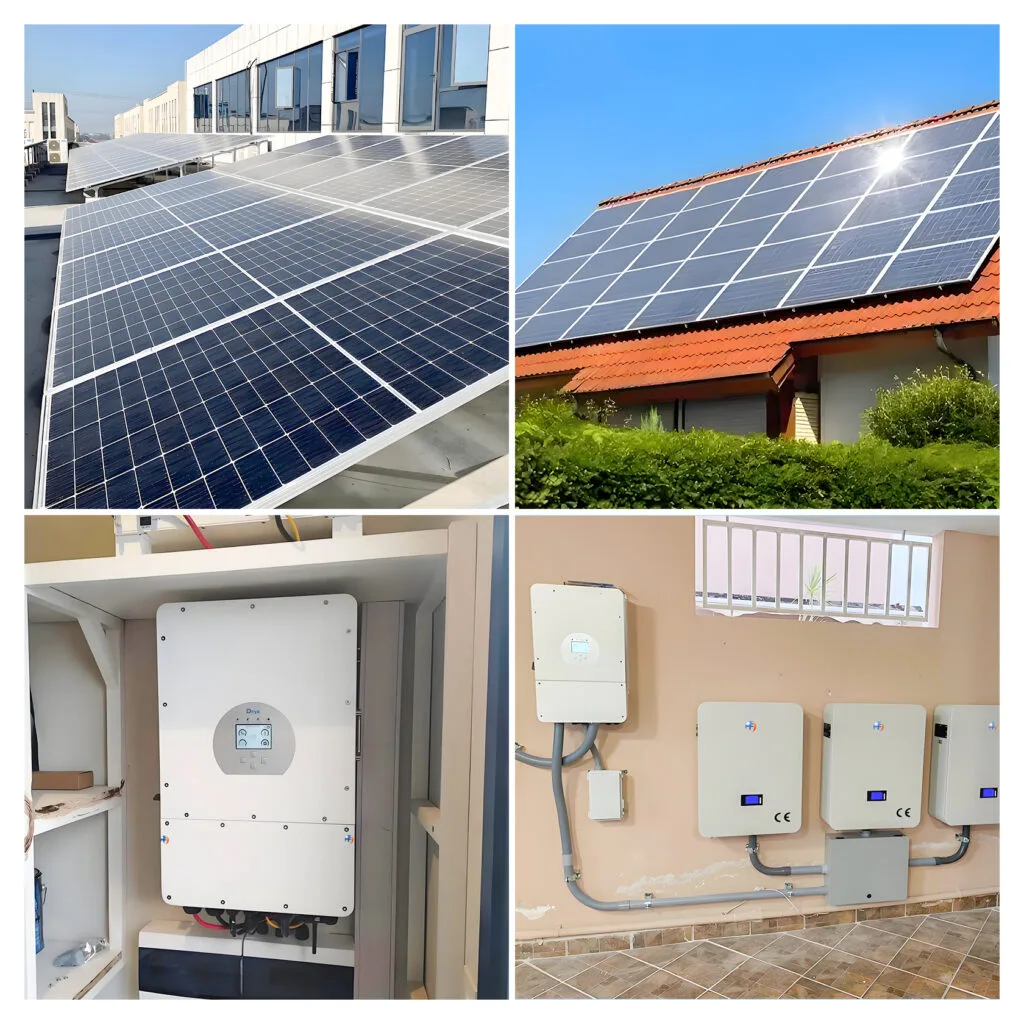
Kenya is one of Africa’s leaders in renewable energy adoption, with increasing use of solar power across Nairobi, Mombasa, Kisumu, Eldoret, and rural areas. Rising electricity costs and power reliability challenges have accelerated demand for solar panels integration Kenya
However, solar panels alone are not enough. Efficient power distribution and control depend heavily on properly designed solar electrical systems Nairobi
What Are Electrical Panels in Solar Systems?
Electrical panels in solar systems act as the central control unit that distributes and manages power generated from solar panels.
They:
- Regulate solar power flow
- Distribute electricity to loads
- Protect systems from overloads
- Integrate with grid or batteries
How Electrical Panels Integrate with Solar Systems
1. Solar Power Generation
Solar panels generate DC electricity from sunlight.
2. Inverter Conversion
DC power is converted into AC power for use in buildings.
3. Electrical Panel Distribution
The electrical panel distributes power to circuits.
4. Battery Storage Integration
Excess energy is stored in batteries for later use.
5. Grid Connection (Optional)
Systems can switch between solar and grid power.
Advanced integration systems like
https://paneltechsystems.co.ke/#solar-ac-db-combiner
ensure safe and efficient solar distribution.
Key Components in Solar Electrical Panels
1. Inverter
Converts DC to AC power.
2. Charge Controller
Regulates battery charging.
3. Circuit Breakers
Protect against overloads.
4. Busbars
Distribute power efficiently.
5. Monitoring Systems
Track energy production and usage.
Benefits of Electrical Panels in Solar Systems
1. Efficient Energy Distribution
Ensures balanced power usage.
2. System Protection
Prevents overload and electrical faults.
3. Energy Optimization
Maximizes solar energy utilization.
4. Hybrid Capability
Supports grid and battery integration.
5. Improved Safety
Reduces electrical risks.
Comparison: Solar System With vs Without Proper Electrical Panels
| Feature | With Electrical Panels | Without Proper Panels |
|---|---|---|
| Efficiency | High | Low |
| Safety | High | Risky |
| Control | Advanced | Limited |
| Reliability | Stable | Unstable |
| Maintenance | Easy | Difficult |
Step-by-Step Guide: Solar Electrical Panel Integration in Kenya
Step 1: Energy Assessment
Determine total power needs.
Step 2: Solar System Design
Size panels, inverter, and batteries.
Step 3: Electrical Panel Selection
Choose compatible distribution panels.
Step 4: System Installation
Connect solar, inverter, and panel.
Step 5: Protection Setup
Install breakers and surge protection.
Step 6: Testing & Commissioning
Ensure safe and efficient operation.
Technical Insights: Engineering Solar Integration
Proper solar electrical systems in Kenya require:
- Load balancing
- Inverter sizing
- Battery management systems
- Surge protection
- IEC 62509 compliance
Solutions like
https://paneltechsystems.co.ke/#epm-14-m1
support monitoring and system optimization.
Common Mistakes in Solar Panel Integration
1. Incorrect Sizing
Leads to energy inefficiency.
2. Poor Wiring
Causes energy losses and safety risks.
3. No Protection Devices
Increases system failure risk.
4. Weak Battery Integration
Reduces backup performance.
Applications of Solar Electrical Systems in Kenya
Residential Homes
Backup and off-grid power.
Commercial Buildings
Reduced electricity bills.
Industrial Facilities
Supplementary power supply.
Rural Electrification
Off-grid energy access.
Cost Considerations in Kenya
Solar electrical system costs depend on:
- System size
- Battery storage capacity
- Panel quality
- Installation complexity
Proper design ensures long-term savings and efficiency.
Why Panel Tech Systems for Solar Electrical Integration
Panel Tech Systems provides expert solar integration and electrical panel solutions across Kenya and East Africa.
Key Strengths:
- 15+ years experience
- 200+ projects completed
- IEC-compliant systems
- End-to-end engineering solutions
Explore products:
https://paneltechsystems.co.ke/products/
Learn more:
https://paneltechsystems.co.ke/about/
Frequently Asked Questions About Solar Electrical Panels in Kenya
1. What do electrical panels do in solar systems?
They distribute and control solar power.
2. Can solar systems work without panels?
No, panels are essential for distribution and protection.
3. Are solar systems reliable in Kenya?
Yes, with proper design and installation.
4. Do solar panels reduce electricity bills?
Yes, significantly.
5. Can solar systems work off-grid?
Yes, with battery storage.
6. Who installs solar electrical systems?
Certified electrical engineers.
Conclusion: The Future of Solar Power in Kenya
Electrical panels play a critical role in solar energy systems in Kenya, ensuring safe, efficient, and reliable power distribution. They enable seamless integration between solar panels, batteries, and the grid.
As Kenya continues to adopt renewable energy, well-designed electrical systems are essential for maximizing efficiency and sustainability.
Panel Tech Systems delivers advanced solar integration and electrical engineering solutions across Kenya and East Africa.
Power Your Project with Panel Tech Systems Today!
Whether you need a single distribution board or a full industrial electrical installation, our team of certified engineers is ready to deliver a tailored solution.
IEC-Certified Electrical Panels
End-to-End Engineering Solutions
Trusted Across Kenya & East Africa
Call Us: 0799 531765
Email: [email protected]
Visit Us: Nairobi, Kenya