Smart Electrical Components Kenya | Automation and IoT Solutions
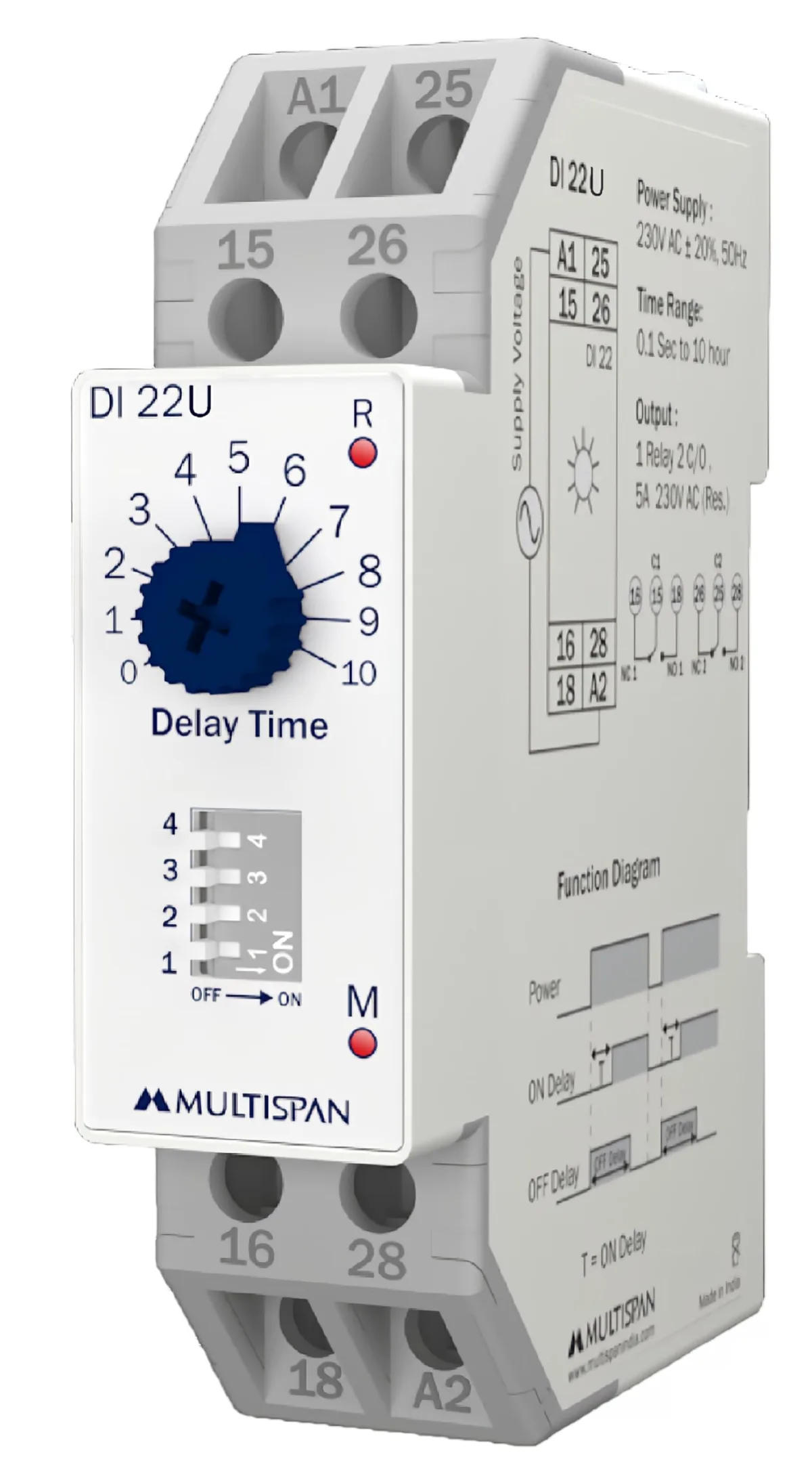
Smart electrical components in Kenya are transforming industrial and commercial power systems through automation, IoT monitoring, and intelligent energy management.

The Shift Toward Smart Electrical Systems in Kenya
Kenya’s industrial and commercial sectors are rapidly evolving, driven by digital transformation, rising energy costs, and the need for operational efficiency. From manufacturing plants in Nairobi to logistics hubs in Mombasa and agricultural processing facilities in Eldoret, businesses are moving away from traditional electrical systems toward smart electrical components.
Conventional electrical infrastructure is no longer sufficient in environments where real-time monitoring, predictive maintenance, and automation are critical. Power interruptions, inefficiencies, and manual control systems lead to downtime and increased operational costs.
This is where Smart Electrical Components come in—integrated IoT-enabled systems designed to automate, monitor, and optimize electrical performance.
At Panel Tech Systems, we design and integrate advanced automation solutions tailored for East Africa’s industrial environment.
Explore our ecosystem:
- Panel Tech Systems homepage
- electrical automation products
- smart industrial solutions
- engineering solutions overview
- shop automation systems
- contact our automation engineers
What Are Smart Electrical Components?
Smart electrical components are digitally enhanced devices used in electrical systems to enable:
- Automation
- Remote monitoring
- Energy optimization
- Predictive maintenance
Core Technologies Behind Smart Systems
- IoT (Internet of Things)
- PLC (Programmable Logic Controllers)
- SCADA systems
- Smart sensors
- Energy meters with analytics
These components communicate in real time, allowing operators to control electrical systems from centralized dashboards or mobile platforms.
How Smart Electrical Systems Work
Smart electrical systems function through a connected digital ecosystem:
Step-by-Step Operation
- Data Collection
Sensors capture voltage, current, temperature, and load data. - Data Processing
PLCs or controllers analyze system performance. - Communication Layer
IoT gateways transmit data to cloud or SCADA systems. - Automation Response
Systems automatically adjust loads, switch circuits, or trigger alarms. - Monitoring & Control
Engineers monitor performance remotely via dashboards.
Key Components of Smart Electrical Systems
1. Smart Sensors
Monitor:
- Temperature
- Current flow
- Voltage fluctuations
2. PLC Controllers
Automate industrial processes and logic control.
3. IoT Gateways
Enable remote connectivity and cloud integration.
4. Smart Energy Meters
Track real-time energy consumption.
5. SCADA Systems
Provide centralized industrial monitoring.
6. Automated Switchgear
Enable intelligent load switching.
Benefits of Smart Electrical Components in Kenya
1. Improved Energy Efficiency
Reduces unnecessary energy consumption through intelligent load management.
2. Reduced Downtime
Predictive maintenance prevents unexpected failures.
3. Remote Monitoring
Engineers can monitor systems from anywhere in Nairobi or globally.
4. Lower Operational Costs
Automation reduces manual labor and inefficiencies.
5. Enhanced Safety
Real-time alerts prevent electrical hazards.
Applications Across East Africa
Smart electrical systems are widely used in:
Industrial Facilities
- Manufacturing plants in Nairobi Industrial Area
- Cement factories in Athi River
Commercial Buildings
- Shopping malls
- Office towers
- Hotels
Healthcare Sector
- Hospitals in Kisumu and Nairobi
- Diagnostic labs
Agriculture & Water Systems
- Irrigation control systems
- Pump automation in rural Kenya
Common Mistakes in Smart System Implementation
Many organizations in Kenya fail to maximize benefits due to:
- Poor system integration
- Using incompatible devices
- Lack of proper load analysis
- Ignoring cybersecurity in IoT systems
- Poor maintenance of sensors and controllers
Cost Considerations in Kenya
The cost of smart electrical systems depends on:
- Level of automation required
- Number of connected devices
- Type of industrial application
- Integration with existing infrastructure
Important Insight
Although initial investment is higher, businesses in Kenya typically recover costs through:
- Reduced energy bills
- Lower maintenance costs
- Increased operational efficiency
Technical Engineering Insights (Expert Section)
Smart electrical systems must comply with:
- IEC 61131 – PLC programming standards
- IEC 61850 – Communication in substations
- IEC 61439 – Switchgear safety standards
Design Considerations
- Network reliability in Kenyan industrial environments
- Power instability protection
- Dust and humidity resistance (especially coastal Mombasa regions)
- Scalability for growing industries
Why This Matters in Kenya
With rapid industrial expansion in Nairobi, Kisumu, and Eldoret, scalable automation systems are critical for sustainable growth.
Comparison Table: Smart Electrical Systems vs Conventional Systems
| Feature | Smart Electrical Components | Conventional Systems |
|---|---|---|
| Control Type | Automated & Remote | Manual |
| Monitoring | Real-time IoT | Periodic checks |
| Efficiency | High | Moderate to low |
| Maintenance | Predictive | Reactive |
| Energy Optimization | Advanced analytics | None |
| Fault Detection | Instant alerts | Delayed detection |
| Scalability | High | Limited |
Step-by-Step Guide: Implementing Smart Electrical Systems
Step 1: System Assessment
Evaluate:
- Current electrical load
- Equipment compatibility
- Automation needs
Step 2: Design Planning
Define:
- Control architecture
- Sensor placement
- Network connectivity
Step 3: Component Selection
Choose:
- PLC systems
- IoT sensors
- Energy meters
Step 4: Installation & Integration
- Install control panels
- Connect sensors and gateways
- Configure software systems
Step 5: Testing & Commissioning
- Verify automation logic
- Test remote access
- Monitor system stability
For expert integration:
Why Smart Electrical Systems Are Important in Kenya
1. Industrial Growth
Kenya’s manufacturing sector is expanding rapidly, requiring advanced automation.
2. Energy Costs
Rising electricity prices make efficiency essential.
3. Grid Instability
Frequent fluctuations demand intelligent monitoring systems.
4. Digital Transformation
Businesses are adopting IoT and Industry 4.0 technologies.
Frequently Asked Questions About Smart Electrical Components in Kenya
1. What are smart electrical components?
They are automated electrical devices that use IoT and sensors for monitoring and control.
2. How do smart electrical systems work?
They collect data, analyze it, and automate electrical operations in real time.
3. Are smart systems suitable for factories in Kenya?
Yes, especially in manufacturing, agriculture, and industrial processing.
4. Do smart systems reduce electricity costs?
Yes, through optimized energy usage and automation.
5. What industries use smart electrical components?
Manufacturing, healthcare, hospitality, agriculture, and commercial buildings.
6. Are smart systems safe?
Yes, when properly designed under IEC standards.
7. Can smart systems be upgraded?
Yes, they are highly scalable and modular.
8. What is the difference between PLC and IoT systems?
PLC handles control logic, while IoT enables connectivity and remote monitoring.
9. Do smart systems work during power instability in Kenya?
Yes, with proper protection and design, they remain stable.
Conclusion
Smart electrical components are revolutionizing how industries in Kenya and across East Africa manage power systems. By integrating automation, IoT, and intelligent monitoring, businesses achieve higher efficiency, reduced downtime, and significant cost savings.
From factories in Nairobi to hospitals in Kisumu and industrial zones in Mombasa, smart systems are becoming the backbone of modern electrical infrastructure.
At Panel Tech Systems, we deliver future-ready automation solutions designed for reliability, scalability, and performance in African industrial conditions.
Whether you need a single distribution board or a full industrial electrical installation, our team of certified engineers is ready to deliver a tailored solution.
✔ IEC-Certified Electrical Panels
✔ End-to-End Engineering Solutions
✔ Trusted Across Kenya & East Africa
Call Us: 0799 531765
Email: [email protected]
Visit Us: Nairobi, Kenya