Solar Hybrid Systems Kenya: 2026 Engineering Guide for Water Pumping | Paneltech Systems
Learn how solar hybrid system components can be integrated into LV panels to provide sustainable, cost-effective power for rural water projects in Kenya. Explore engineering design, standards, and real-world applications.

Solar hybrid systems are becoming a critical solution for water pumping projects across Kenya, especially in rural and off-grid regions where grid electricity is unreliable or unavailable. By combining solar power, battery storage, and grid or generator backup, these systems ensure continuous and cost-efficient water supply for agriculture, domestic use, and community infrastructure.
At the center of these systems lies intelligent electrical distribution—primarily LV panels engineered to manage multiple power sources safely and efficiently.
Related Products
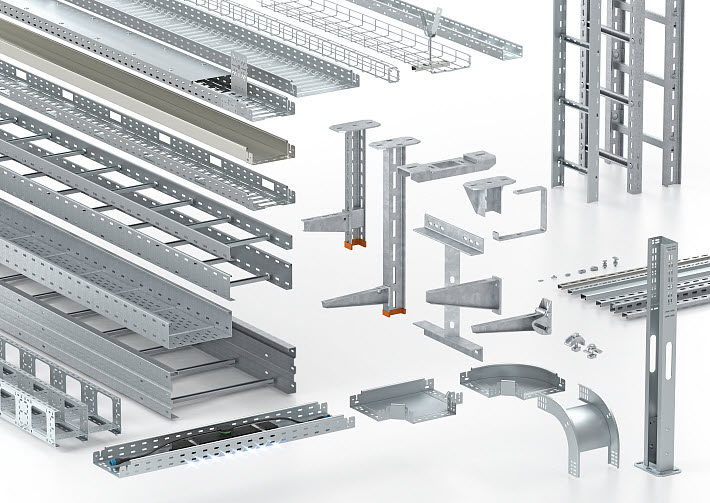
Cable Systems
Paneltech Systems offers comprehensive cable management systems for efficient, secure and organised cable setups across industrial and commercial environments.
View Product
ATS / MTS Kenya
ATS/MTS solutions from Paneltech Systems provide reliable Automatic and Manual Transfer Switches for seamless power transfer in industrial and commercial electrical systems.
View Product
Solar AC DB Combiner
Solar AC distribution board combiners for safe integration of solar power generation into the main electrical grid.
View Product
LV Panel
High-quality low voltage panels designed for reliable power distribution and protection in industrial and commercial installations.
View ProductWhat Are Solar Hybrid Systems in Water Pumping Applications?
Solar hybrid systems are integrated energy solutions that combine solar photovoltaic (PV) power with backup sources such as batteries, generators, or the national grid to ensure uninterrupted energy supply.
In water pumping systems, they provide stable and continuous operation of pumps even during low sunlight or grid outages, making them ideal for rural Kenya.
In Kenya, solar hybrid systems are widely used in borehole pumping, irrigation schemes, and community water supply projects. These systems reduce dependence on diesel generators, lowering operational costs and carbon emissions.
A typical hybrid water pumping setup includes solar panels, charge controllers, inverters, batteries, and a central LV distribution panel that manages all power flows.
Explore related infrastructure:
- https://paneltechsystems.co.ke/products/low-voltage-panels/
- https://paneltechsystems.co.ke/products/
- https://paneltechsystems.co.ke/home-main/
Why Solar Hybrid Systems Are Essential for Kenya’s Water Infrastructure
Solar hybrid systems are essential in Kenya because they provide reliable water pumping in off-grid and semi-grid regions while reducing dependency on unstable grid electricity and expensive diesel fuel.
They are particularly important in rural counties where KPLC supply is inconsistent and water access is critical for agriculture and livelihoods.
Kenya’s rural water projects often face three major challenges:
- Unstable grid supply from KPLC
- High cost of diesel pumping systems
- Lack of continuous power for irrigation and boreholes
Solar hybrid systems solve these issues by ensuring:
- 24/7 pumping capability
- Reduced operational costs
- Energy independence for rural communities
In regions such as Turkana, Kitui, and parts of the Rift Valley, hybrid systems are already transforming water access reliability.
Related Paneltech resources:
Core Components of Solar Hybrid Water Pumping Systems
A solar hybrid water pumping system consists of multiple energy generation and control components working together to ensure continuous and efficient power delivery.
The LV panel acts as the central control hub, integrating solar, battery, and backup power sources into a unified system.
Key Components
- Solar PV Panels: Convert sunlight into electrical energy
- Hybrid Inverter: Manages energy conversion and switching between sources
- Battery Storage System: Stores excess solar energy for night use
- LV Distribution Panel: Controls protection, switching, and load management
- Pump Controller / VFD: Regulates motor speed and efficiency
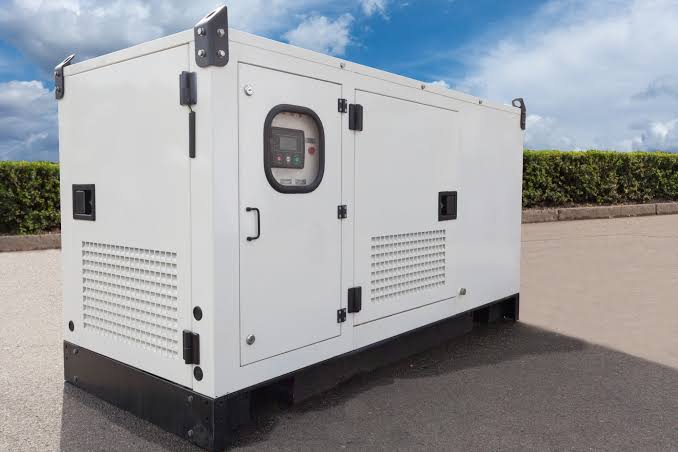
- Backup Generator (Optional): Ensures continuous operation during extended low solar periods
The LV panel is particularly important because it ensures safe switching between solar and grid/generator sources without damaging sensitive pumping equipment.
Explore system integrations:
- https://paneltechsystems.co.ke/#motor-control-panels
- https://paneltechsystems.co.ke/#solar-ac-db-combiner
- https://paneltechsystems.co.ke/#apfc-112
Integration of Solar Hybrid Systems with LV Panels
LV panels serve as the central electrical intelligence of solar hybrid water pumping systems, enabling safe power distribution, source switching, and load protection.
They integrate solar inverters, batteries, and backup generators into a single controlled output for pumping systems.
How Integration Works
In a typical Kenyan installation:
- Solar PV generates DC power
- Hybrid inverter converts DC to AC
- LV panel receives AC input from multiple sources
- Automatic transfer logic selects optimal energy source
- Pump motor receives stable, regulated power
The LV panel includes:
- Automatic Transfer Switch (ATS) or Smart Hybrid Controller
- Circuit breakers for protection
- Surge protection devices (SPD)
- Energy metering systems
- Pump motor protection relays
This integration ensures that borehole pumps operate efficiently even during cloudy conditions or grid instability.
Related engineering solutions:
- https://paneltechsystems.co.ke/products/vfd-drives/
- https://paneltechsystems.co.ke/paneltechhomes/
- https://paneltechsystems.co.ke/home1/
System Architecture for Solar Hybrid Water Pumping
A solar hybrid water pumping system follows a layered architecture consisting of generation, storage, control, and distribution stages managed through LV panel integration.
This structured architecture ensures energy efficiency, load stability, and continuous water supply.
Typical Architecture Flow
- Energy Generation Layer: Solar PV array
- Energy Storage Layer: Lithium-ion or deep-cycle batteries
- Control Layer: Hybrid inverter + LV control panel
- Distribution Layer: Pump motor and water distribution system
LV Panel Role in Architecture
The LV panel ensures:
- Load prioritization (pump vs auxiliary loads)
- Overload and short-circuit protection
- Seamless switching between energy sources
- Real-time monitoring of voltage and current
This architecture is widely used in Kenyan irrigation schemes and community water supply projects funded by county governments and NGOs.
Kenya-Specific Design Considerations for Solar Hybrid Systems
Designing solar hybrid systems in Kenya requires accounting for environmental conditions, grid instability, and rural infrastructure limitations.
Engineers must tailor systems to local sunlight availability, dust levels, and power quality issues from KPLC.
Key Considerations
- Solar Irradiance: Kenya’s equatorial location provides strong solar potential (4–6 kWh/m²/day)
- Grid Instability: Frequent voltage fluctuations require robust LV protection
- Climate Conditions: Dust in arid regions and humidity in coastal areas affect equipment lifespan
- Water Demand Variability: Irrigation systems require seasonal load scaling
In Mombasa, corrosion-resistant enclosures are required, while in northern Kenya, dust-proof IP65-rated panels are essential.
Explore solutions:
Standards and Compliance for Solar Hybrid Systems in Kenya
Solar hybrid systems must comply with IEC electrical standards and EPRA regulations to ensure safe, efficient, and legally compliant operation in Kenya.
LV panels used in these systems must meet IEC 61439 and IEC 60947 standards for low-voltage assemblies and protection devices.
Key Compliance Requirements
- IEC 61439: LV switchgear assembly safety
- IEC 62109: Inverter safety requirements
- IEC 60364: Electrical installation safety
- EPRA Guidelines: Energy efficiency and grid compliance
Compliance ensures:
- Safe integration with KPLC grid
- Reduced risk of electrical failure
- Improved system lifespan
- Eligibility for government and donor-funded projects
More technical references:
Benefits of Solar Hybrid Water Pumping Systems in Kenya
Solar hybrid water pumping systems offer significant economic, environmental, and operational benefits, especially for rural and agricultural communities in Kenya.
They reduce dependence on fossil fuels while ensuring uninterrupted water supply through intelligent LV panel integration.
Key Benefits
- Reduced diesel fuel dependency
- Lower operational costs
- Continuous 24/7 water availability
- Reduced carbon emissions
- Improved agricultural productivity
- Enhanced system reliability through automation
For Kenyan farmers, hybrid systems directly improve irrigation efficiency, enabling multiple cropping cycles per year.
System Specifications of a Typical Solar Hybrid Water Pumping Setup
A solar hybrid water pumping system is designed based on pump load requirements, solar capacity, storage size, and LV panel configuration.
Proper specification ensures optimal efficiency, safety, and long-term reliability in Kenyan environmental conditions.
System Specifications Table
| Parameter | Specification |
|---|---|
| Solar Array Capacity | 5 kW – 100 kW+ |
| Battery Type | Lithium-ion / Deep Cycle Lead Acid |
| Inverter Type | Hybrid (Solar + Grid + Generator) |
| Pump Type | Submersible / Surface Pump |
| LV Panel Rating | 415V AC, 50Hz |
| Protection Class | IP54 – IP65 |
| Control System | ATS / Smart Hybrid Controller |
| Standards Compliance | IEC 61439, IEC 62109, EPRA Guidelines |
Challenges in Solar Hybrid System Deployment in Kenya
Despite their advantages, solar hybrid systems face challenges such as high initial investment costs, technical skill gaps, and component quality variations.
Proper system design and professional LV panel integration are essential to mitigate these risks.
Key Challenges
- High upfront capital costs
- Lack of skilled installation technicians in rural areas
- Poor-quality imported components in the market
- Inadequate maintenance practices
Addressing these challenges requires certified engineering design, quality assurance, and adherence to IEC standards.
Contact support:
Future of Solar Hybrid Systems in Kenya
The future of solar hybrid systems in Kenya is driven by increased renewable energy adoption, smart grid integration, and expansion of rural electrification projects.
By 2026 and beyond, LV panels will become fully intelligent control hubs with IoT-enabled monitoring and predictive maintenance capabilities.
Emerging Trends
- AI-based energy optimization systems
- Smart LV panels with remote diagnostics
- Integration with national smart grid infrastructure
- Expansion of solar-powered irrigation schemes
- Increased adoption of modular hybrid systems
Kenya’s renewable energy strategy positions solar hybrid systems as a key driver of sustainable rural development.
Conclusion
Solar hybrid systems integrated with LV panels are transforming water pumping infrastructure across Kenya. They provide reliable, cost-effective, and sustainable energy solutions for rural and agricultural communities while reducing dependence on unstable grid electricity and diesel fuel.
As demand for water and energy continues to rise, engineered solutions that combine solar power with intelligent LV panel systems will remain central to Kenya’s infrastructure development.
Contact Paneltech Systems Ltd
Powering Kenya's Future with Reliable Electrical Solutions
Email: [email protected]
Phone: 0799 531765
Location: Nairobi, Kenya
Website: https://paneltechsystems.co.ke/
Our Specialized Services:
- Low Voltage (LV) Panels & APFC Panels
- VFD Drive Solutions & ATS / MTS Systems
- Solar Power & EV Charging Infrastructure
- Electrical Supplies & Engineering Consultations