Solar Panel Protection Systems: Surges, Lightning and Earthing in Kenya | Paneltech Systems
Protect solar systems from surges and lightning in Kenya. Learn about DC/AC surge protection, earthing systems, and lightning arrestors for commercial solar installations.

Solar panel protection systems are essential in Kenya due to frequent lightning activity, unstable grid conditions, and high-value inverter installations in commercial and industrial solar systems. Proper surge protection, grounding, and lightning arrestor integration prevent catastrophic equipment failure and downtime.
Without engineered protection systems, solar PV installations risk irreversible damage from DC surges, lightning strikes, and grid-side voltage spikes—especially in high-exposure regions like Rift Valley and coastal Kenya.
Related Products

Protection Panels
Robust protection panels safeguarding electrical systems and equipment from faults, overloads and short circuits.
View Product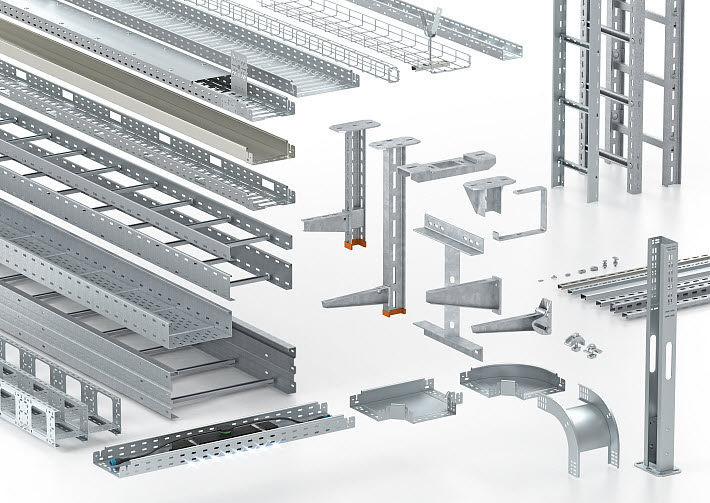
Cable Systems
Paneltech Systems offers comprehensive cable management systems for efficient, secure and organised cable setups across industrial and commercial environments.
View Product
Solar AC DB Combiner
Solar AC distribution board combiners for safe integration of solar power generation into the main electrical grid.
View Product
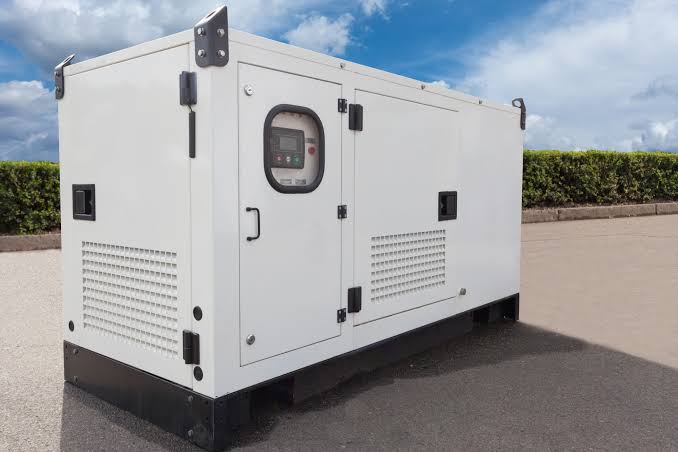
ATS / MTS Kenya
ATS/MTS solutions from Paneltech Systems provide reliable Automatic and Manual Transfer Switches for seamless power transfer in industrial and commercial electrical systems.
View ProductAs solar adoption expands across commercial buildings, factories, and solar farms, protection engineering becomes just as important as panel sizing and inverter selection.
Explore professional electrical and solar infrastructure solutions:
paneltechsystems
How Solar Panel Protection Systems Work in Modern Installations
Solar panel protection systems work by controlling and diverting excess electrical energy from lightning strikes, grid surges, and switching transients away from sensitive PV components and inverters.
These systems combine lightning arrestors, surge protection devices (SPDs), and grounding networks to ensure safe dissipation of high-energy electrical faults.
A complete protection architecture includes:
- DC surge protection at PV array level
- AC surge protection at inverter output
- Lightning protection systems (external air terminals)
- Earthing and grounding grids for energy dissipation
For LV protection and distribution systems:
low-voltage-panels
Lightning Protection for Solar Farms in Kenya
Lightning protection for solar farms is critical due to Kenya’s high lightning density regions, which can cause direct strikes and induced surges across long PV string arrays.
A properly designed lightning protection system prevents direct strike damage and reduces induced voltage spikes that can destroy inverters and combiner boxes.
Key components include:
- Air termination rods (lightning masts)
- Down conductors
- Earth termination grids
- Bonding of all metallic structures
For grounding and measurement integration:
rishabh-products
DC Surge Protection in Solar PV Systems
DC surge protection devices (SPDs) protect solar panels and string wiring from voltage spikes caused by lightning or switching operations within the PV system.
In Kenya’s large-scale solar installations, DC SPDs are mandatory to prevent cascading failure across inverter inputs and combiner boxes.
Key protection points:
- PV string inputs
- DC combiner boxes
- Inverter DC terminals
Protection device classes:
- Type I (direct lightning protection)
- Type II (induced surge protection)
- Type III (fine protection near equipment)
For solar combiner and distribution integration:
#solar-ac-db-combiner
AC Surge Protection for Inverters and Grid Connection
AC surge protection systems protect inverters and downstream electrical infrastructure from grid-side voltage spikes and switching surges.
In Kenya, KPLC grid fluctuations make AC SPDs essential for protecting commercial solar installations and hybrid systems.
Protection benefits:
- Prevents inverter burnout
- Stabilizes grid-tied solar systems
- Reduces downtime in commercial operations
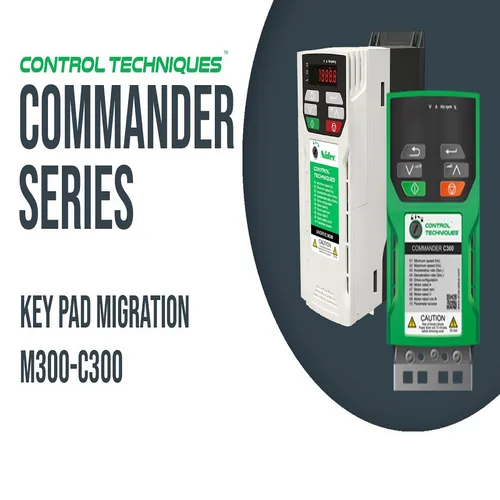
For automation and switching solutions:
vfd-drives
Earthing and Grounding Systems for Solar Protection
Earthing systems are the foundation of all solar panel protection systems, providing a safe path for fault currents and lightning energy dissipation into the ground.
A poorly designed grounding system is the leading cause of solar inverter failure in commercial installations in Kenya.
Common grounding configurations:
- TN-S system (preferred for commercial installations)
- TT system (common in standalone systems)
- Earth resistance ≤ 5 ohms (recommended target)
Key grounding components:
- Earth rods (copper-bonded)
- Earth pits and grids
- Equipotential bonding network
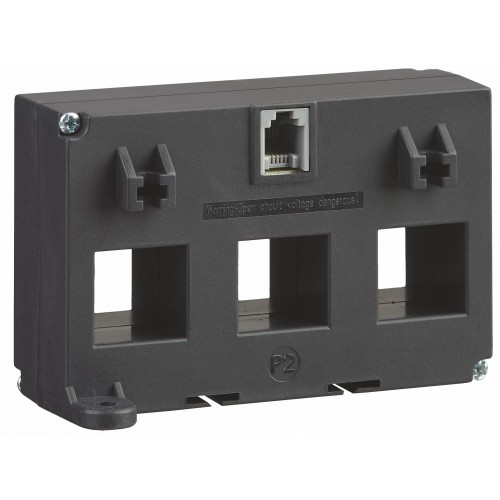
For metering and monitoring systems:
#epm-14-m1
Structural Lightning Protection vs Electrical Surge Protection
Structural lightning protection handles direct lightning strikes, while electrical surge protection manages induced voltage spikes within the solar PV system.
Both systems must work together to ensure full protection of solar panels, inverters, and associated electrical infrastructure.
Comparison:
- Structural protection → Physical lightning strike interception
- Electrical protection → Voltage spike suppression
- Combined system → Full PV plant safety architecture
For integrated LV solar infrastructure:
products
Environmental Factors Affecting Solar Protection Systems in Kenya
Solar protection system design in Kenya must consider regional environmental conditions such as high humidity, dust levels, and lightning frequency.
Coastal regions like Mombasa require corrosion-resistant grounding systems, while inland areas require enhanced lightning density protection strategies.
Design considerations:
- High lightning density zones (Rift Valley)
- Coastal corrosion protection (Mombasa)
- Dust accumulation in arid regions
- UV exposure for outdoor equipment
For solar hybrid system integration:
#solar-ac-db-combiner
Standards Compliance: IEC, BS EN & EPRA Guidelines
Solar panel protection systems must comply with IEC and BS EN standards to ensure safe installation and regulatory compliance in Kenya.
Compliance ensures system reliability, insurance validity, and reduced risk of catastrophic electrical failure.
Key standards:
- IEC 62305 (Lightning protection systems)
- IEC 61643 (Surge protective devices)
- IEC 60364 (Electrical installations)
- EPRA electrical installation guidelines
For technical knowledge resources:
knowledge-site
System Specifications Table: Solar Panel Protection Systems
| Parameter | Specification |
|---|---|
| DC Surge Protection | Type I / II / III SPDs |
| AC Surge Protection | Type II SPD minimum |
| Lightning Protection Level | LPL I–IV (site dependent) |
| Earth Resistance | ≤ 5 ohms (recommended) |
| Grounding System | TN-S / TT configuration |
| Conductor Material | Copper / copper-bonded steel |
| PV System Voltage | Up to 1500V DC |
| Compliance Standards | IEC 62305, IEC 61643, IEC 60364 |
| Installation Environment | Indoor / Outdoor IP65 enclosures |
| Maintenance Interval | 6–12 months inspection cycle |
Future of Solar Protection Systems in Kenya
The future of solar panel protection systems in Kenya will integrate smart monitoring, predictive fault detection, and AI-driven surge diagnostics.
As solar farms expand, protection systems will evolve into intelligent safety networks integrated with SCADA and IoT platforms.
Emerging trends:
- Smart SPD monitoring systems
- AI-based lightning risk prediction
- Integrated solar + battery protection systems
- Real-time grounding resistance monitoring
- Hybrid grid-tied protection systems
Explore advanced infrastructure solutions:
paneltechhomes
Conclusion: Engineering Reliable Solar Protection in Kenya
Solar panel protection systems are not optional—they are essential engineering requirements for safe, reliable solar power generation in Kenya’s high-risk electrical environment. Proper integration of lightning protection, surge suppression, and grounding ensures long-term system performance.
Investing in high-quality protection systems significantly reduces downtime, protects capital investment, and ensures compliance with IEC and EPRA standards.
For consultation and installation:
contact
Powering Kenya's Future with Reliable Electrical Solutions
Email: [email protected]
Phone: 0799 531765
Location: Nairobi, Kenya
Website: https://paneltechsystems.co.ke/
Our Specialized Services:
Low Voltage (LV) Panels & APFC Panels
VFD Drive Solutions & ATS / MTS Systems
Solar Power & EV Charging Infrastructure
Electrical Supplies & Engineering Consultations