Top 10 Electrical Panel Types Used in Kenya (Explained)
This guide explores the top 10 electrical panel types used in Kenya, including LV, MV, MCC, and distribution boards. It explains their functions, applications, and importance in ensuring safe, efficient power distribution across residential, commercial, and industrial systems.
Introduction: Why Electrical Panel Types Matter in Kenya
Kenya’s construction, real estate, and industrial sectors are expanding rapidly across Nairobi, Mombasa, Kisumu, Eldoret, and other growing urban hubs. As buildings become more complex and energy demand increases, one critical factor determines system safety and reliability—the correct selection of electrical panel types.
Many electrical failures in Kenya are not caused by power supply issues but by:
- Incorrect panel selection
- Poor system design
- Undersized distribution boards
- Lack of proper protection systems
This leads to overheating, downtime, equipment damage, and safety hazards.
Understanding electrical panel types in Kenya is essential for engineers, contractors, developers, and facility managers who want safe, efficient, and scalable power systems.
Leading engineering companies like Panel Tech Systems provide end-to-end solutions including design, manufacturing, installation, and commissioning of advanced electrical systems across Kenya and East Africa.
Learn more about our engineering capability here:
https://paneltechsystems.co.ke/about/
What Are electrical panel types Kenya?
Electrical panels are engineered systems that distribute electrical power safely across different circuits in a building or industrial facility.
They act as the central control hub of electrical systems, ensuring:
- Safe power distribution
- Circuit protection
- Load balancing
- Fault isolation
Modern electrical infrastructure in Kenya depends heavily on professionally engineered systems from trusted manufacturers such as
https://paneltechsystems.co.ke/products/
1. Low Voltage (LV) Distribution Panels
LV panels are the most commonly used electrical systems in Kenya.
Applications:
- Residential apartments
- Office buildings
- Shopping malls
- Small industries
LV panels distribute electricity at safe voltage levels while ensuring protection against overloads and short circuits.
For modern commercial projects in Nairobi, engineered systems like
https://paneltechsystems.co.ke/products/low-voltage-panels/
ensure safe and reliable power distribution.
2. Medium Voltage (MV) Panels
MV panels are used in large-scale industrial and utility applications.
Applications:
- Industrial plants
- Power substations
- Large infrastructure projects
These systems handle higher voltage levels and require advanced protection mechanisms.
3. Distribution Boards (DBs)
Distribution boards divide electrical power into smaller circuits for controlled usage.
Applications:
- Residential homes
- Office floors
- Commercial buildings
In fast-growing cities like Nairobi, modern distribution board systems ensure safe and organized circuit distribution across multi-tenant buildings.
4. Motor Control Centers (MCCs)
Motor Control Centers are essential for industrial automation and motor-driven systems.
Applications:
- Manufacturing plants
- Water treatment facilities
- Industrial production lines
These systems integrate protection, automation, and monitoring.
https://paneltechsystems.co.ke/#motor-control-panels
5. Synchronization Panels
Synchronization panels manage multiple power sources such as generators and grid supply.
Applications:
- Hospitals
- Data centers
- Industrial facilities
They ensure uninterrupted power supply during outages by automatically balancing power sources.
6. Power Factor Correction (APFC) Panels
APFC panels improve energy efficiency by correcting power factor issues.
Applications:
- Industrial plants
- Commercial buildings
- Heavy-load facilities
These systems reduce electricity costs and improve efficiency.
https://paneltechsystems.co.ke/#apfc-112
7. Control Panels
Control panels are used to operate and manage electrical equipment and systems.
Applications:
- Industrial automation
- HVAC systems
- Production control systems
In Nairobi’s industrial zones, modern control panels in Kenya are essential for automation and efficiency.
8. Busbar Chambers
Busbar chambers distribute large electrical currents safely within systems.
Applications:
- Industrial plants
- High-rise buildings
- Commercial complexes
They ensure stable and efficient power transmission across large systems.
9. Capacitor Bank Panels
Capacitor bank panels stabilize voltage and improve energy efficiency.
Applications:
- Industrial facilities
- Heavy machinery operations
They help reduce energy losses and improve system performance.
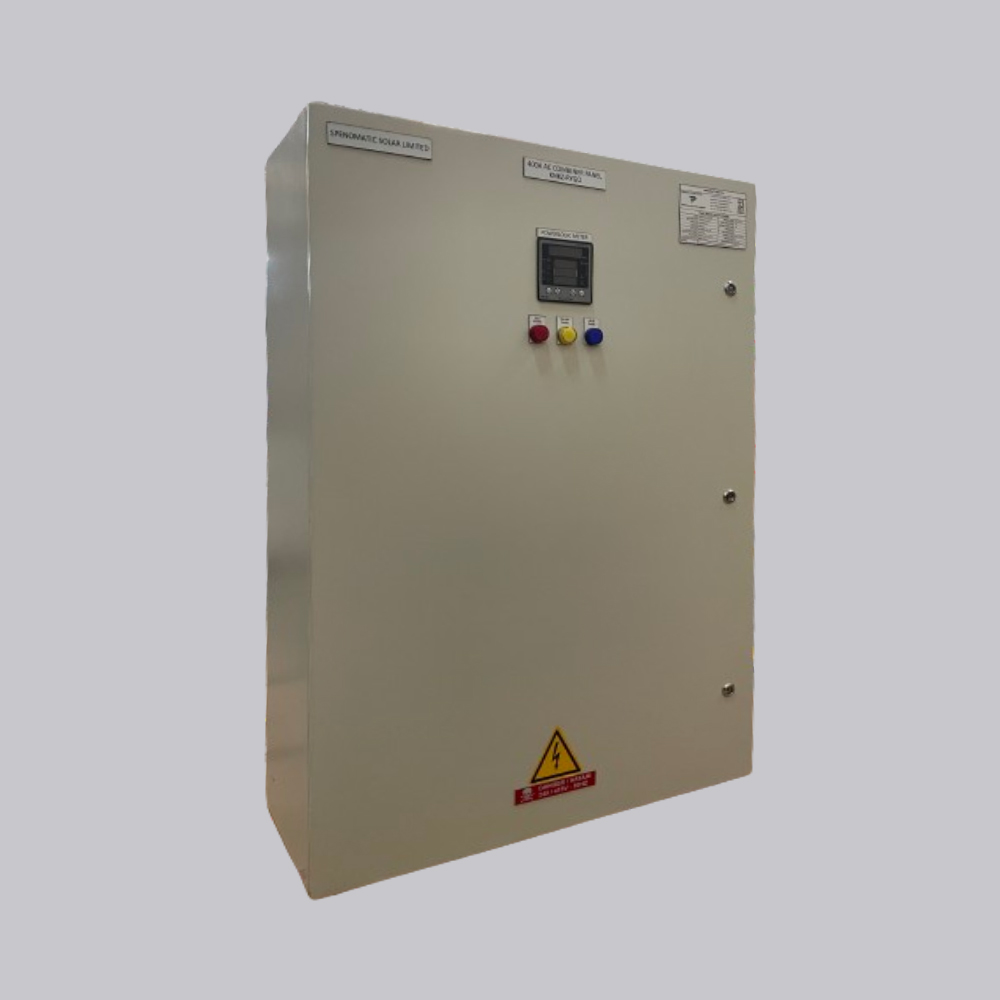
10. Solar distribution board types
Solar integration is rapidly growing in Kenya due to rising energy costs.
Applications:
- Solar farms
- Hybrid energy systems
- Commercial solar installations
https://paneltechsystems.co.ke/#solar-ac-db-combiner
These systems support sustainable energy integration across residential and industrial sectors.
Comparison: Electrical Panel Types in Kenya
| Panel Type | Application | Complexity | Voltage Level |
|---|---|---|---|
| LV Panels | Buildings | Medium | Low |
| MV Panels | Industry | High | Medium |
| Distribution Boards | Residential | Low | Low |
| MCC Panels | Industry | High | Low/Medium |
| APFC Panels | Energy efficiency | Medium | Low |
| Control Panels | Automation | High | Low |
| Busbar Chambers | Power distribution | High | Medium |
| Capacitor Banks | Voltage stability | Medium | Low |
| Solar Panels | Renewable systems | Medium | Low |
How Electrical Panels Work (Simple Engineering View)
Electrical panels operate through a structured flow:
- Power enters from grid or generator
- Main breaker controls incoming supply
- Busbars distribute electricity internally
- Protection devices isolate faults
- Outgoing circuits supply loads
Advanced systems often include monitoring and automation such as
https://paneltechsystems.co.ke/#epm-14-m1
Why Choosing the Right Panel Type Matters in Kenya
Selecting the correct panel type ensures:
- Electrical safety
- Equipment protection
- Energy efficiency
- System reliability
- Future scalability
Poor selection leads to downtime, overheating, and costly system failures—especially in fast-growing cities like Nairobi and Mombasa.
Common Mistakes in Electrical Panel Selection
1. Incorrect sizing
Leads to overload and frequent tripping.
2. Ignoring future expansion
System becomes obsolete quickly.
3. Poor environmental adaptation
Humidity and dust reduce system lifespan.
4. Low-quality components
Increases failure risk and maintenance costs.
Technical Engineering Insights
Professional electrical systems must comply with:
- IEC 61439 standards
- BS EN safety codes
- Proper load balancing
- Thermal protection requirements
Advanced industrial systems also integrate automation components such as
https://paneltechsystems.co.ke/#multispan-components
Step-by-Step Guide: Choosing the Right Electrical Panel Type
Step 1: Identify Application
Residential, commercial, or industrial.
Step 2: Calculate Load Requirements
Determine total current demand.
Step 3: Select Panel Type
LV, MV, MCC, or specialized system.
Step 4: Verify Compliance
Ensure IEC certification.
Step 5: Evaluate Manufacturer
Check engineering capability and experience.
Step 6: Confirm Support Services
Installation, commissioning, and maintenance.
Frequently Asked Questions About Electrical Panel Types in Kenya
1. What are the main electrical panel types in Kenya?
LV panels, MV panels, MCCs, distribution boards, and control panels.
2. What is the most common panel in buildings?
Distribution boards (DBs).
3. What panels are used in industries?
MCCs, MV panels, and APFC systems.
4. Why are electrical panels important?
They ensure safe and controlled power distribution.
5. What standards should panels meet?
IEC 61439 and BS EN standards.
6. Can electrical panels be customized?
Yes, based on project requirements.
7. What causes panel failure?
Overloading, poor design, and low-quality components.
8. How long do panels last?
Typically 15–25 years with proper maintenance.
Conclusion: Understanding Electrical Panel Types in Kenya
Understanding electrical panel types in Kenya is essential for designing safe, efficient, and scalable electrical systems. Each panel serves a specific function—from residential distribution boards to complex industrial control systems.
As Kenya continues to industrialize and expand infrastructure, demand for properly engineered electrical systems will continue to grow.
Choosing the right system ensures safety, efficiency, and long-term operational reliability across all sectors.
Power Your Project with Panel Tech Systems Today!
Whether you need a single distribution board or a full industrial electrical installation, our team of certified engineers is ready to deliver a tailored solution.
IEC-Certified Electrical Panels
End-to-End Engineering Solutions
Trusted Across Kenya & East Africa
Call Us: 0799 531765
Email: [email protected]
Visit Us: Nairobi, Kenya