VAW 34DC Kenya: Monitoring Power Quality in Low-Voltage DC Systems
The VAW 34DC measures voltage, current, and power in DC systems. Using a water flow analogy, it helps users understand how electrical energy moves and how to monitor system performance effectively.

Introduction
As Kenya adopts more DC-based systems—such as solar power, battery storage, and telecom infrastructure—monitoring DC power quality has become increasingly important. Unlike traditional AC systems, DC systems require precise measurement of voltage, current, and power to ensure efficiency and reliability.
The VAW 34DC is a specialized meter designed for low-voltage DC applications. It provides real-time data that helps engineers and technicians monitor system performance and detect issues early.
Related Products
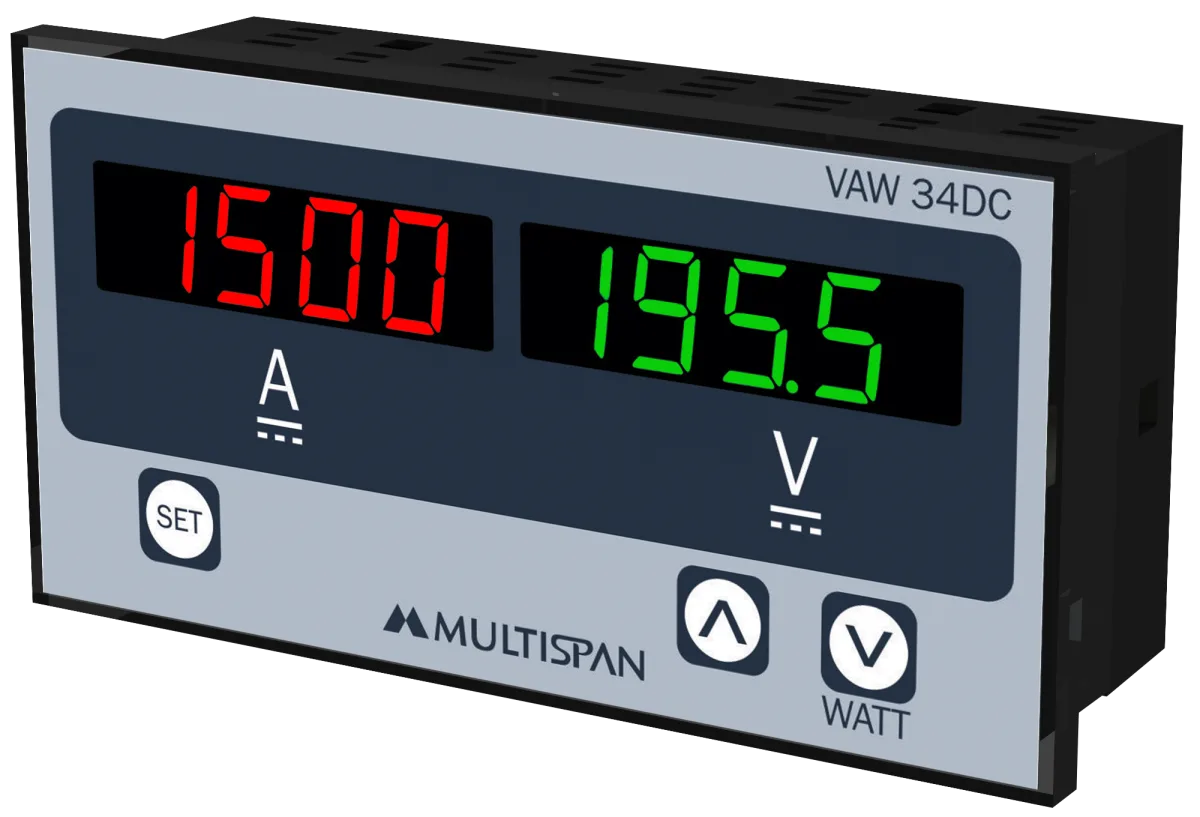
VAW 34DC
Multispan VAW 34DC DC volt-amp-watt meter for accurate measurement in DC electrical systems and solar installations.
View Product
ATS / MTS Kenya
ATS/MTS solutions from Paneltech Systems provide reliable Automatic and Manual Transfer Switches for seamless power transfer in industrial and commercial electrical systems.
View Product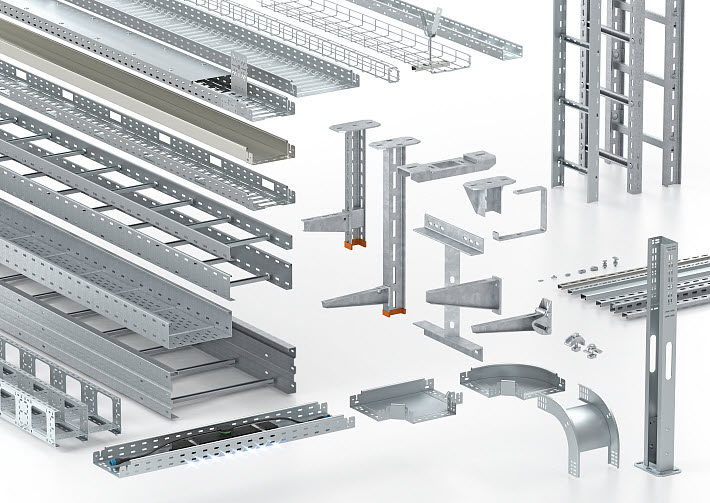
Cable Systems
Paneltech Systems offers comprehensive cable management systems for efficient, secure and organised cable setups across industrial and commercial environments.
View Product
LV Panel
High-quality low voltage panels designed for reliable power distribution and protection in industrial and commercial installations.
View ProductYou can explore advanced metering solutions on the Panel Tech Systems products page or learn more about system integration on the About page.
What is the VAW 34DC?
The VAW 34DC is a digital meter designed to measure key electrical parameters in DC systems.
It tracks:
- Voltage (V)
- Current (A)
- Power (W)
It is commonly used in:
- Solar PV systems
- Battery banks
- Telecom power systems
- DC distribution panels
It integrates seamlessly into low voltage panel systems and renewable energy setups.
Understanding Volts, Amps, and Watts (Water Flow Analogy)
Electrical power can be understood using a simple water flow analogy.
Voltage, current, and power behave similarly to pressure, flow, and total water output in a pipe system.
Voltage (Volts) = Water Pressure
Voltage is like the pressure pushing water through a pipe.
- Higher voltage = stronger push
- Lower voltage = weaker push
In electrical systems:
- Voltage drives current through the circuit
Current (Amps) = Water Flow Rate
Current is like the amount of water flowing through the pipe.
- More current = more flow
- Less current = less flow
In electrical systems:
- Current represents how much electricity is moving
Power (Watts) = Total Water Delivered
Power is the combination of pressure and flow.
- High pressure + high flow = more water delivered
- Low pressure or low flow = less output
In electrical terms:
- Power (Watts) = Voltage × Current
Why This Matters in DC Systems
Understanding the relationship between voltage, current, and power helps diagnose system performance.
Any imbalance in these values can indicate inefficiency or faults.
Example in Solar Systems
- Low voltage may indicate battery issues
- High current may indicate heavy load demand
- Low power output may signal inefficiency
The VAW 34DC provides real-time readings to help identify these conditions.
Monitoring DC Power Quality
The VAW 34DC continuously measures electrical parameters to ensure stable DC system performance.
This helps detect problems before they cause system failure.
Key Monitoring Benefits
- Detect voltage drops in battery systems
- Monitor current draw in DC loads
- Track total power usage
- Identify inefficiencies in solar installations
Real-World Application in Kenya
In a solar-powered telecom site in rural Kenya, maintaining stable DC power is critical.
Using the VAW 34DC:
- Technicians monitor voltage from battery banks
- Current draw from equipment is tracked
- Power consumption is optimized
- Faults are detected early before system failure
This ensures continuous operation of critical communication infrastructure.
For installation and consultation, visit our contact page.
System Specifications Table
| Parameter | Specification |
|---|---|
| Device Type | DC Power Meter |
| Model | VAW 34DC |
| Measurements | Voltage, Current, Power |
| Application | Low-voltage DC systems |
| Installation | Panel-mounted |
| Display | Digital |
| Standards Compliance | IEC standards |
Integration with Electrical Systems
The VAW 34DC integrates with:
- Solar PV systems
- Battery storage systems
- DC distribution panels
- Telecom infrastructure
It is essential for monitoring modern DC-based energy systems.
Learn more about integrated solutions on the Panel Tech Systems homepage.
Conclusion
The VAW 34DC simplifies DC power monitoring by providing clear measurements of voltage, current, and power. Using simple concepts like the water flow analogy, even beginners can understand how electrical energy behaves in a system.
For Kenyan applications, especially in solar and telecom systems, it is a critical tool for maintaining efficiency, reliability, and long-term performance.
Call to Action
Contact Panel Tech Systems Ltd
Powering Kenya's Future with Reliable Electrical Solutions
Email: [email protected]
Phone: 0799 531765
Location: Nairobi, Kenya
Website: https://paneltechsystems.co.ke/
Our Specialized Services:
Low Voltage (LV) Panels & APFC Panels
VFD Drive Solutions & ATS / MTS Systems
Solar Power & EV Charging Infrastructure
Electrical Supplies & Engineering Consultations