VFD Drive Solutions Kenya | Variable Frequency Drives Experts
VFD Drive Solutions in Kenya provide advanced motor speed control and energy-efficient industrial automation for manufacturing plants, water systems, mining operations, and HVAC applications. By adjusting motor frequency and voltage, Variable Frequency Drives (VFDs)

Industrial operations in Kenya are becoming increasingly energy-intensive as manufacturing, water treatment, mining, and construction sectors expand. However, many facilities still rely on traditional fixed-speed motor systems, which consume excessive energy, cause mechanical stress, and increase operational costs.
In cities like Nairobi, Mombasa, Kisumu, and Eldoret, industries face rising electricity bills and equipment inefficiencies due to outdated motor control systems. Harsh environmental conditions such as heat, dust, and humidity further reduce motor lifespan and performance.
Related Products
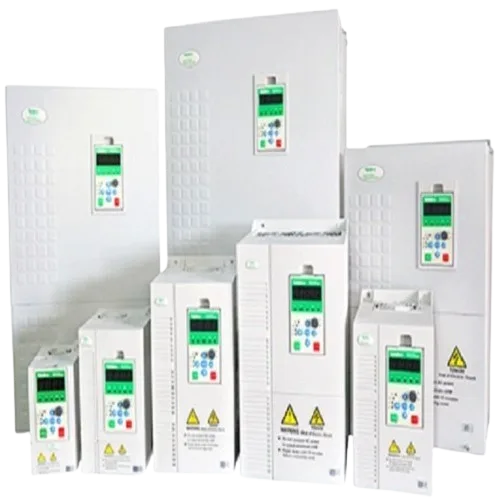
NE-200 Drives
NE-200 Drives offer reliable and efficient performance for industrial applications. Optimise motor speed and energy efficiency with the NE-200 series.
View Product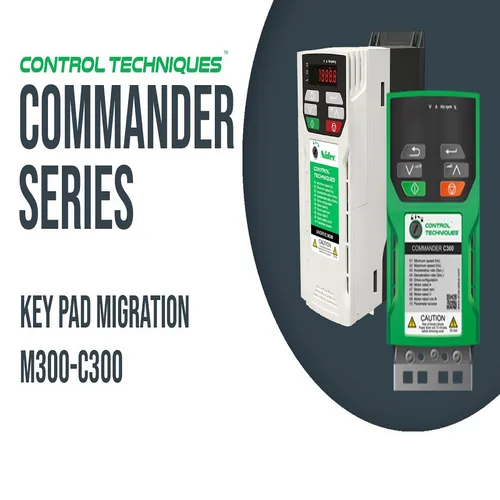
Commander C
Commander C VFD Drives from Paneltech Systems provide advanced motor control for industrial and commercial applications. Enhance efficiency and reliability.
View Product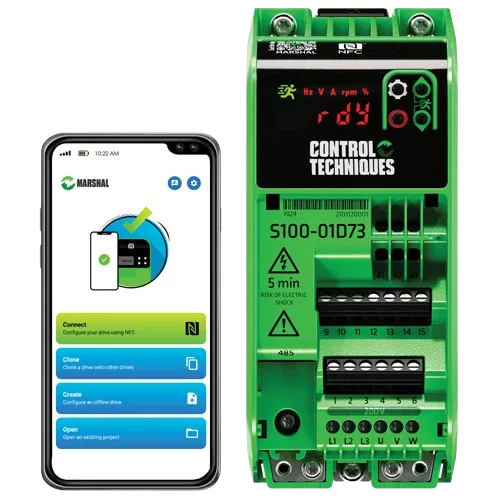
Commander S
Commander S VFD Drives offer energy-efficient motor control for industrial applications. Improve performance and optimise energy usage with reliable Commander S drives.
View Product
Motor Control
Reliable motor control panels for industrial and commercial use, providing customised solutions for safe and efficient motor operation.
View ProductThis is where VFD drives solutions (Variable Frequency Drives) become essential. These systems allow precise control of motor speed and torque, resulting in improved energy efficiency, reduced wear and tear, and optimized industrial performance.
Modern engineering companies now integrate VFD drives systems into automation and power distribution networks to deliver smarter, more efficient industrial operations across Kenya and East Africa.
Explore related systems:
- Industrial automation and control solutions
- Electrical products and drive systems
- Smart industrial components
What Are VFD Drives Solutions?
A Variable Frequency Drive (VFD) is an electronic device that controls the speed of an electric motor by adjusting the frequency and voltage supplied to it.
Core Functions of VFD Systems:
- Motor speed regulation
- Torque control
- Energy consumption optimization
- Soft starting and stopping of motors
- Protection against overloads
VFD drives are widely used in industrial systems where motors operate under varying load conditions.
For advanced integration:
Why VFD drives Solutions Are Important in Kenya
Kenya’s industrial sector is growing rapidly, but energy inefficiency remains a major challenge. Many facilities still use direct-on-line (DOL) motor starters, which lead to:
Key Problems:
- High electricity consumption
- Frequent motor breakdowns
- Mechanical stress on equipment
- Limited process control
VFD solutions solve these challenges by:
- Reducing energy consumption by up to 60%
- Extending motor lifespan
- Improving process precision
- Lowering maintenance costs
Key Benefits of VFD Drive Solutions
1. Energy Efficiency
VFDs adjust motor speed based on actual demand, significantly reducing power wastage.
2. Improved Motor Lifespan
Soft starting reduces mechanical stress and extends equipment durability.
3. Process Optimization
Precise control improves production quality in industrial processes.
4. Reduced Maintenance Costs
Less wear and tear means fewer breakdowns and repairs.
5. Enhanced System Control
Operators can fine-tune motor performance in real-time.
How VFD Systems Work
VFDs operate through a structured electrical conversion process:
- AC Input Supply
- Electrical power enters the VFD system.
- Rectification Stage
- AC power is converted into DC power.
- DC Bus Storage
- Energy is stabilized for smooth conversion.
- Inversion Stage
- DC is converted back into controlled AC output.
- Motor Control Output
- Frequency and voltage are adjusted to control motor speed.
For integrated solutions:
Applications of VFD Drive Solutions in Kenya
VFD systems are widely used across multiple industries:
1. Water Treatment Plants
- Pump speed control
- Pressure regulation
2. Manufacturing Industries
- Conveyor systems
- Production line motors
3. HVAC Systems
- Fan and compressor control
- Energy-efficient cooling
4. Mining Operations
- Crusher and conveyor motor control
- Load optimization
5. Agriculture and Irrigation
- Water pump control
- Energy-efficient irrigation systems
Technical Engineering Considerations
1. Motor Compatibility
Ensure VFD matches motor type and rating.
2. Load Type
Different loads require different control methods:
- Constant torque
- Variable torque
- Constant power
3. Harmonic Distortion Control
Use filters to reduce electrical noise in systems.
4. Cooling Requirements
Proper ventilation prevents overheating in VFD units.
5. Protection Features
- Overvoltage protection
- Short circuit protection
- Thermal protection
All systems should comply with industrial standards for safety and performance.
Comparison: VFD Drives vs Traditional Motor Starters
| Feature | VFD Drive Systems | Traditional Starters |
|---|---|---|
| Energy Efficiency | High (adjustable speed) | Low (fixed speed) |
| Motor Control | Precise and flexible | Limited control |
| Equipment Lifespan | Extended | Shorter due to stress |
| Maintenance | Low | High |
| Cost Efficiency | Long-term savings | Higher operational costs |
| Application Flexibility | Wide industrial use | Limited use cases |
Conclusion: VFD systems are significantly more efficient and suitable for modern industrial operations in Kenya.
Step-by-Step Guide: Installing VFD Drive Systems
Step 1: Load Assessment
Evaluate motor specifications and operational requirements.
Step 2: System Selection
Choose appropriate VFD rating and type.
Step 3: Installation Planning
Determine wiring, protection, and cooling requirements.
Step 4: Wiring & Integration
Connect VFD to motor and control system.
Step 5: Configuration
Set parameters such as:
- Frequency range
- Acceleration/deceleration time
- Load control mode
Step 6: Testing & Commissioning
- Verify motor response
- Test safety protections
- Monitor system performance
Why VFD Technology Matters in Kenya’s Industrial Growth
As Kenya continues to industrialize, energy efficiency has become a national priority. Rising electricity costs and increased demand for production efficiency make VFD systems essential.
In sectors such as:
- Manufacturing in Nairobi
- Water systems in Mombasa
- Agro-processing in Eldoret
- Mining in Kisumu regions
VFD solutions help reduce operational costs while improving productivity and sustainability.
Cost Considerations for VFD Solutions in Kenya
VFD system costs depend on:
- Motor size and rating
- Application type
- System complexity
- Brand and technology level
- Integration with automation systems
Although initial investment may be higher, long-term savings include:
- Lower electricity bills
- Reduced maintenance costs
- Increased productivity
- Extended equipment lifespan
For customized solutions:
Frequently Asked Questions About VFD Drive Solutions in Kenya
1. What is a VFD drive?
A VFD is a device that controls motor speed by adjusting frequency and voltage.
2. Why are VFDs used in industry?
They improve energy efficiency and provide precise motor control.
3. Where are VFD systems used in Kenya?
In manufacturing, water treatment, mining, HVAC, and agriculture.
4. Do VFDs save electricity?
Yes, they can reduce energy consumption by up to 60%.
5. Are VFD systems expensive?
Initial costs are higher, but long-term savings are significant.
6. Can VFDs work with all motors?
They are compatible with most AC induction motors.
7. Do VFDs require maintenance?
Minimal maintenance is required, mainly inspection and cleaning.
8. What is the lifespan of a VFD system?
Typically 8–15 years depending on usage and environment.
9. Are VFDs safe for industrial use?
Yes, they include multiple protection features.
10. Who installs VFD systems in Kenya?
Certified industrial electrical engineers and automation specialists.
Conclusion
VFD drive solutions are transforming industrial motor control in Kenya by delivering unmatched energy efficiency, precision, and reliability. As industries face increasing pressure to reduce operational costs and improve productivity, VFD technology has become a critical component of modern automation systems.
From manufacturing plants to water systems and mining operations, VFDs are enabling smarter, more sustainable industrial performance across Kenya and East Africa.
Power Your Project with Panel Tech Systems Today!
Whether you need a single distribution board or a full industrial electrical installation, our team of certified engineers is ready to deliver a tailored solution.
✔ IEC-Certified Electrical Panels
✔ End-to-End Engineering Solutions
✔ Trusted Across Kenya & East Africa
Call Us: 0799 531765
Email: [email protected]
Visit Us: Nairobi, Kenya