Breaker Discrimination Kenya: Why One Faulty Circuit Should Never Trip the Main
Breaker discrimination Kenya ensures faults stay local by coordinating circuit breakers for safe, reliable power distribution. Discover how selectivity, trip curves, MCCB and ACB coordination improve uptime in industrial and commercial electrical systems.

Why Breaker Discrimination Matters in Kenya’s Electrical Networks
Electrical reliability is a critical requirement for modern industrial and commercial facilities in Kenya. Manufacturing plants, hospitals, data centres, commercial buildings, and processing industries depend on electrical systems that can operate safely while maintaining continuity of supply.
Related Products

ATS / MTS Kenya
ATS/MTS solutions from Paneltech Systems provide reliable Automatic and Manual Transfer Switches for seamless power transfer in industrial and commercial electrical systems.
View Product
Distribution Boards
Distribution boards divide the main electrical power supply into smaller circuits while providing circuit protection for residential, commercial and industrial applications.
View Product
Meter Boards
Meter boards house electricity meters, circuit breakers, fuses and other protective devices for proper monitoring and regulation of electrical supply.
View Product
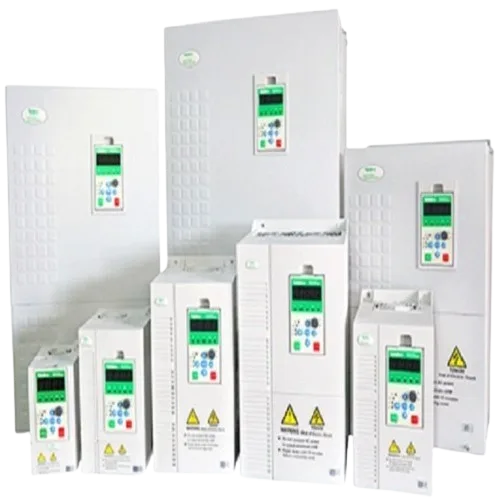
Commander C
Commander C VFD Drives from Paneltech Systems provide advanced motor control for industrial and commercial applications. Enhance efficiency and reliability.
View ProductA reliable electrical installation is not only about receiving power from the grid. It is also about how effectively the system responds when a fault occurs.
This is where breaker discrimination Kenya becomes essential.
Breaker discrimination Kenya refers to the coordinated operation of circuit breakers so that the protection device closest to a fault trips first, while upstream breakers remain closed. This ensures that only the affected circuit is disconnected instead of shutting down an entire facility.
Without proper electrical protection coordination Kenya, a minor fault on a single machine or final circuit can cause a major power interruption. For example, a short circuit inside a motor starter should trip only the motor feeder breaker. It should not disconnect the main LV supply feeding an entire factory.
Poor breaker coordination can result in:
- Production downtime.
- Loss of process control.
- Unnecessary equipment shutdowns.
- Increased maintenance costs.
- Reduced electrical system reliability.
Industrial facilities across Kenya face additional challenges including KPLC supply fluctuations, generator integration, increasing automation, and sensitive electronic equipment. These factors make properly engineered protection systems more important than ever.
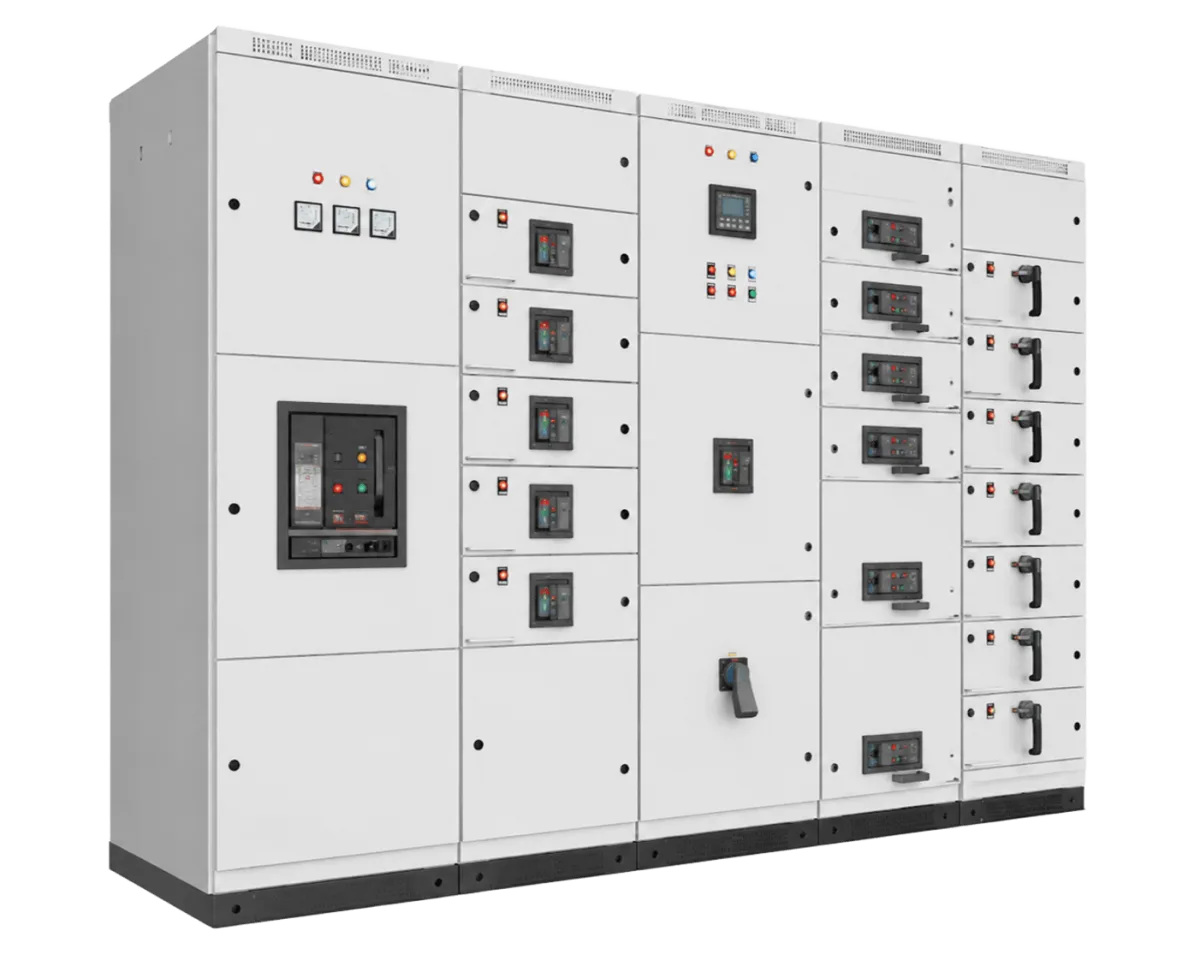
A correctly designed protection system uses coordinated circuit breakers, correct trip settings, and suitable switchgear ratings to ensure faults remain local.
Paneltech Systems Ltd provides engineered low voltage panel solutions for industrial applications designed to improve electrical safety, reliability, and operational continuity for industrial and commercial installations in Kenya.
What Is Breaker Discrimination in Kenya?Breaker discrimination ensures that the circuit breaker closest to an electrical fault operates before upstream protection devices. This keeps faults isolated and prevents unnecessary shutdowns in industrial, commercial, and residential electrical systems.
Breaker discrimination, also known as electrical selectivity, is the process of coordinating multiple protective devices within a power distribution system.
In a typical low voltage electrical network, power passes through several layers of protection:
- Main incomer circuit breaker.
- Main distribution board breakers.
- Motor control centre feeders.
- Final circuit protection devices.
Each protection device has a specific function.
The downstream breaker protects individual loads such as:
- Motors.
- Pumps.
- Compressors.
- Lighting circuits.
- Automation equipment.
The upstream breaker protects larger sections of the electrical network.
The objective of breaker discrimination Kenya design is to ensure that only the smallest possible section of the electrical installation is disconnected during a fault.
For example:
A factory experiences a short circuit on a single production motor.
Without discrimination:
- Motor breaker trips.
- Distribution breaker may trip.
- Main incomer breaker may trip.
- Entire factory loses power.
With proper discrimination:
- Motor feeder breaker trips.
- Other factory circuits remain energised.
- Production continues.
This approach improves safety and reduces unnecessary interruptions.
Engineers designing circuit breaker selectivity Kenya solutions analyse several technical factors including:
- Rated current.
- Breaking capacity.
- Short circuit levels.
- Protection curves.
- Time delays.
- Cable protection requirements.
- Load characteristics.
Circuit breaker selectivity Kenya helps industries maintain continuous operation by ensuring electrical faults are restricted to affected areas. Proper coordination reduces downtime, protects equipment, and improves overall power system reliability.
Kenyan industries increasingly rely on automated and electrically intensive processes. A power interruption affecting an entire facility can lead to significant operational losses.
Industries requiring advanced electrical protection coordination Kenya include:
- Manufacturing plants.
- Food processing facilities.
- Cement production sites.
- Commercial complexes.
- Hospitals.
- Water treatment plants.
- Data centres.
Modern industrial electrical systems Kenya contain many different loads operating simultaneously.
Examples include:
- Electric motors.
- Variable frequency drives.
- Control panels.
- Programmable logic controllers.
- Pumps.
- Compressors.
- Heating equipment.
Each load type creates different electrical conditions.
Motors, for example, experience high starting currents. If breaker settings are too sensitive, normal motor starting can be mistaken for a fault, causing unnecessary trips.
Automation equipment requires stable electrical supply because unexpected interruptions can affect:
- Production processes.
- Control systems.
- Communication networks.
- Equipment programming.
Protection coordination is also important for facilities using energy management equipment. Industrial sites with automatic power factor correction systems for Kenyan factories require correctly selected protection devices because capacitor switching introduces unique electrical characteristics.
A properly engineered breaker coordination system provides:
| Benefit | Engineering Advantage |
|---|---|
| Fault isolation | Only affected circuits disconnect |
| Reduced downtime | Critical loads remain operational |
| Equipment protection | Limits electrical stress |
| Improved safety | Controlled fault clearing |
| Easier maintenance | Faster fault identification |
How Circuit Breaker Discrimination Works
Breaker discrimination works by coordinating breaker ratings, trip curves, and operating times so that downstream protection devices clear faults before upstream devices. Engineers achieve this through current grading, time grading, and energy discrimination methods.
A successful breaker discrimination Kenya design requires detailed analysis of how protective devices behave during overloads and short circuits.
The main coordination techniques include:
- Current discrimination.
- Time discrimination.
- Energy discrimination.
- Zone selective interlocking.
Current Discrimination
Current discrimination uses different breaker ratings to create separation between protection levels.
Example:
| Protection Level | Device Rating |
|---|---|
| Motor feeder | 32A MCCB |
| Distribution feeder | 160A MCCB |
| Main incomer | 800A ACB |
If a fault occurs on the motor circuit, the 32A MCCB should operate before the larger breakers.
This method works effectively when there is sufficient difference between breaker ratings.
However, during high short circuit currents, multiple breakers may detect the same fault. This is why engineers also consider:
- Trip curves.
- Time delays.
- Manufacturer coordination tables.
Time Discrimination
Time discrimination introduces controlled operating delays between protection devices.
The downstream breaker responds first, while upstream breakers wait before operating.
Example sequence:
- Final circuit breaker detects fault.
- Feeder breaker remains active.
- Main breaker only operates if downstream protection fails.
Modern MCCBs and ACBs allow adjustable protection settings including:
- Long-time overload protection.
- Short-time protection.
- Instantaneous protection.
- Earth fault protection.
These settings are essential when performing MCCB coordination Kenya studies because incorrect adjustment can cause either nuisance tripping or inadequate protection.
Contact Paneltech Systems LtdPowering Kenya's Future with Reliable Electrical Solutions
Email: [email protected]
Phone: 0799 531765
Location: Nairobi, Kenya
Website: https://paneltechsystems.co.ke/
Our Specialized Services:
- Low Voltage (LV) Panels & APFC Panels
- VFD Drive Solutions & ATS / MTS Systems
- Solar Power & EV Charging Infrastructure
- Electrical Supplies & Engineering Consultations
For industries requiring improved electrical reliability, Paneltech Systems Ltd provides expert support in breaker discrimination Kenya, protection coordination, LV switchgear design, and industrial power distribution solutions.
Our engineers can help assess breaker settings, fault levels, protection curves, and selectivity requirements to ensure your electrical system isolates faults correctly while maintaining maximum uptime.
Consult Paneltech Systems engineers for breaker coordination studies and reliable electrical protection solutions for your facility.