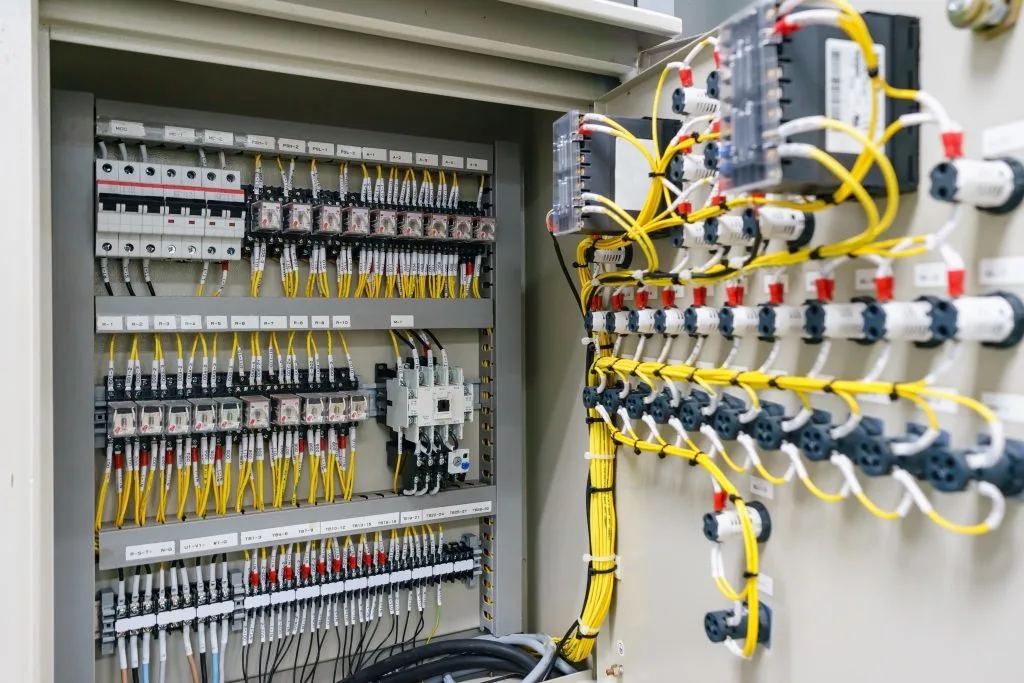
Electrical Panels for Shopping Malls in Kenya | Guide
Electrical panels for shopping malls in Kenya enable reliable power distribution, tenant sub-metering and landlord control. Learn how LV panels, APFC systems and ATS solutions support modern retail developments.
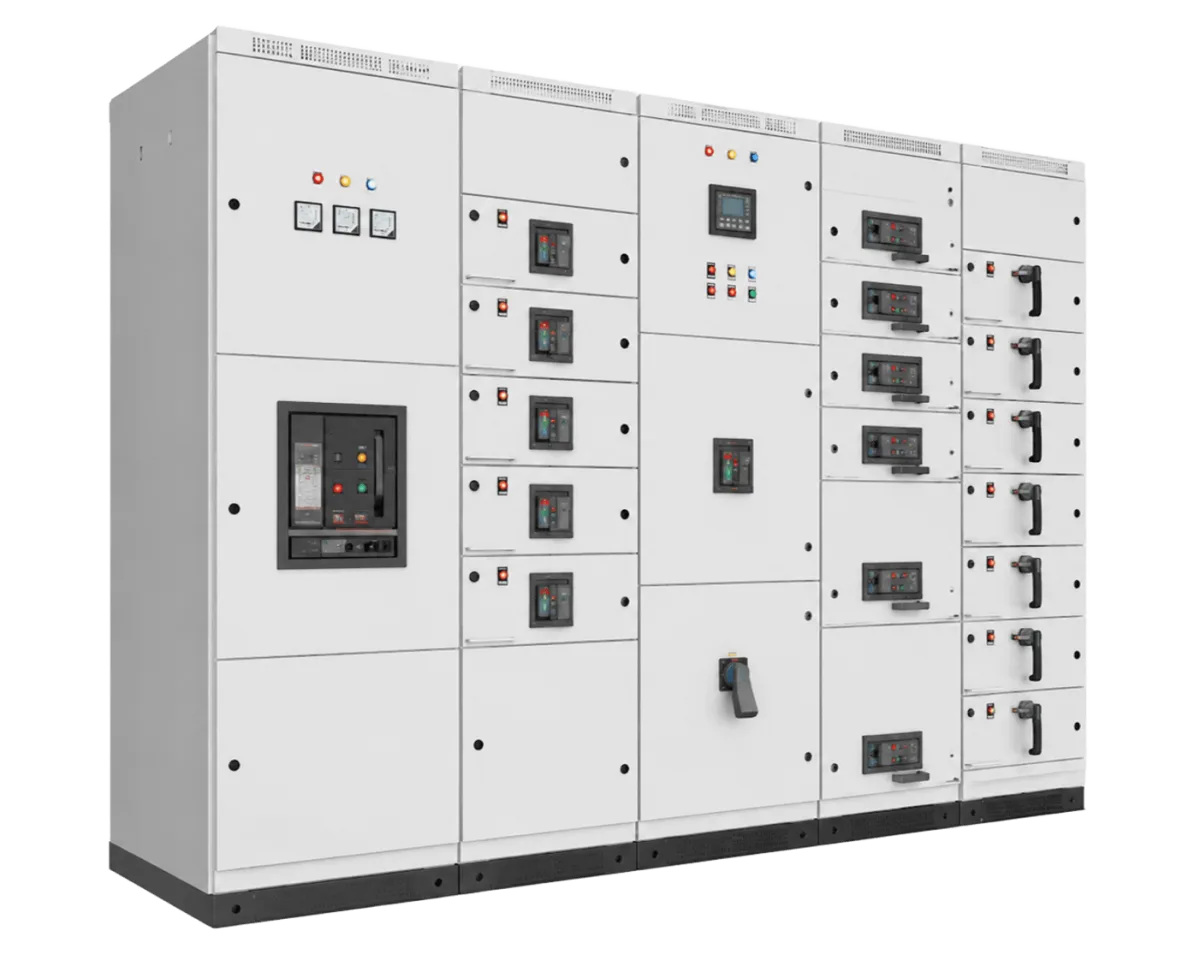
Electrical panels for shopping malls in Kenya provide the foundation for safe power distribution, tenant energy management and reliable operation of large commercial spaces.
A properly engineered mall electrical system separates tenant loads, common areas and critical services while giving property owners accurate control over energy consumption.
Shopping malls are among the most electrically demanding commercial developments in Kenya. Unlike standard buildings, malls combine hundreds of independent tenants with shared facilities such as lighting, escalators, elevators, HVAC systems, security systems and entertainment areas.
Related Products

LV Panel
High-quality low voltage panels designed for reliable power distribution and protection in industrial and commercial installations.
View Product
Protection Panels
Robust protection panels safeguarding electrical systems and equipment from faults, overloads and short circuits.
View Product
Feeder Pillar Panels
Feeder pillar panels providing reliable power distribution solutions for outdoor and indoor industrial and commercial applications.
View Product
PLC Automation Panels
Advanced PLC automation panels for intelligent control of industrial processes, tailored to your operational requirements.
View ProductA modern mall electrical infrastructure must achieve three goals:
- Provide uninterrupted power to tenants
- Allow accurate energy billing through sub-metering
- Give landlords control over common services and safety systems
From Nairobi shopping centres to regional retail developments across Kenya, electrical panels must be designed around high load requirements, future expansion and strict safety standards.
Why Are Electrical Panels Important for Shopping Malls in Kenya?Electrical panels for shopping malls in Kenya distribute, protect and monitor electricity across retail units, common areas and mechanical systems.
They allow property owners to manage complex electrical networks while ensuring each tenant receives safe and reliable power.
Shopping malls typically contain:
- Retail shops
- Restaurants and food courts
- Supermarkets
- Cinemas
- Parking facilities
- Offices
- Storage areas
- Advertising displays
- Security systems
Each section has different electrical requirements. A restaurant may require high-capacity kitchen circuits, while a clothing retailer may mainly need lighting and socket outlets.
A well-designed electrical panel system separates these loads using:
- Main Distribution Boards (MDBs)
- Sub Distribution Boards (SDBs)
- Tenant Distribution Boards
- Motor Control Panels
- Automatic Transfer Systems
- Energy Monitoring Systems
Professional solutions from Paneltech Systems Ltd electrical panel experts help developers create reliable commercial power infrastructure.
How Do Shopping Mall Electrical Panels Manage Tenant Metering?Tenant metering systems allow shopping mall owners to measure individual electricity consumption for accurate billing and energy management.
Dedicated tenant panels separate retail units electrically while maintaining central landlord control over the entire facility.
Tenant metering is one of the most important requirements in modern mall developments.
Without proper metering, landlords may struggle to determine:
- Individual tenant consumption
- Peak demand periods
- Energy wastage
- Operational costs
A typical tenant power distribution system includes:
| Component | Function |
|---|---|
| Main Distribution Board | Receives incoming power supply |
| Tenant Feeders | Supply individual retail units |
| Sub-Meters | Measure tenant consumption |
| Protective Devices | Prevent overload and faults |
| Communication Systems | Enable remote monitoring |
Smart metering solutions allow facility managers to monitor energy usage and identify inefficient tenants or equipment.
What Is the Role of Landlord Control in Mall Electrical Systems?Landlord control systems allow shopping mall owners to manage common electrical services independently from tenant operations.
Centralised control improves safety, maintenance efficiency and operational visibility.
Mall owners are responsible for shared infrastructure including:
- Parking lighting
- Security systems
- Escalators
- Elevators
- HVAC systems
- Emergency lighting
- Fire protection systems
- Water pumps
These systems require dedicated electrical panels controlled by the building management team.
Landlord electrical panels typically include:
- Separate common area feeders
- Energy monitoring equipment
- Circuit protection
- Emergency power connections
- Control interfaces
This separation prevents tenant activities from affecting critical mall operations.
How Do LV Panels Support Shopping Mall Power Distribution?Low Voltage (LV) panels are the central distribution point for shopping mall electrical systems, controlling power flow from transformers to individual users.
Engineered LV panels improve safety, reliability and flexibility for large commercial developments.
Shopping malls require high-capacity LV systems because of their continuous electrical demand.
Typical LV panel functions include:
- Incoming power distribution
- Circuit protection
- Load balancing
- Generator integration
- Power factor correction
- Energy monitoring
A mall LV panel system may include:
| Specification | Typical Requirement |
|---|---|
| Rated Voltage | 400/415V |
| Frequency | 50Hz |
| Enclosure Material | Powder-coated steel |
| Protection Rating | IP54–IP65 depending on location |
| Mounting Type | Floor-standing |
| Standards Compliance | IEC 61439 |
For commercial developments requiring reliable infrastructure, low voltage panel solutions provide scalable distribution options.
Why Do Shopping Malls Need APFC Panels?APFC panels help shopping malls improve electrical efficiency by correcting poor power factor caused by HVAC systems, lifts and mechanical equipment.
Automatic power factor correction reduces electrical losses and improves overall system performance.
Large malls operate many inductive loads including:
- Air conditioning compressors
- Escalator motors
- Pumps
- Ventilation systems
- Refrigeration equipment
These loads consume reactive power, which can reduce electrical efficiency.
APFC systems automatically adjust capacitor banks to maintain better power factor levels.
Benefits include:
- Improved energy efficiency
- Reduced system losses
- Better transformer utilisation
- Lower electricity penalties
- Increased equipment reliability
Paneltech Systems provides APFC panel solutions designed for demanding commercial environments.
How Are Generator Backup Systems Integrated Into Mall Electrical Panels?Shopping mall electrical panels integrate automatic changeover systems to maintain power during KPLC outages.
ATS systems transfer critical loads to generators automatically, protecting tenants and shoppers from interruptions.
Power reliability is essential because malls operate:
- Security systems
- Emergency lighting
- Payment systems
- Refrigeration
- Elevators
- Fire safety equipment
A typical backup system includes:
| Component | Function |
|---|---|
| Utility Supply | Main KPLC power source |
| Generator Supply | Backup energy source |
| ATS Panel | Automatic power transfer |
| Control System | Monitoring and operation |
| Protection Devices | Equipment safety |
Modern mall developments can integrate ATS and MTS systems to ensure seamless backup operation.
How Should Mall Electrical Panels Be Designed for Kenyan Conditions?Electrical panels for shopping malls in Kenya must withstand environmental conditions such as humidity, dust and temperature variations.
Correct enclosure selection improves equipment lifespan and reduces maintenance requirements.
Kenyan shopping malls operate in different environments:
Coastal Areas
Challenges:
- High humidity
- Salt exposure
- Corrosion risk
Recommended solutions:
- Corrosion-resistant materials
- Higher IP-rated enclosures
- Proper ventilation systems
Inland Cities
Challenges:
- Dust accumulation
- Temperature fluctuations
- Urban pollution
Recommended solutions:
- Dust protection
- Filtered ventilation
- Regular inspection
| IP Rating | Protection | Application |
|---|---|---|
| IP54 | Dust protected and splash resistant | Indoor electrical rooms |
| IP65 | Dust-tight and water jet resistant | Exposed locations |
Shopping mall electrical panels must comply with recognised IEC standards and Kenyan regulatory requirements to ensure safe operation.
Compliance supports reliable installations suitable for high-capacity commercial environments.
Important standards include:
| Standard | Purpose |
|---|---|
| IEC 61439 | LV switchgear assemblies |
| IEC 60947 | Electrical switching equipment |
| BS EN Standards | Equipment performance requirements |
| EPRA Regulations | Energy sector compliance |
Engineering teams must consider safety, accessibility and future expansion when designing mall electrical systems.
Shopping Mall Electrical Panel System Specifications| Specification | Details |
|---|---|
| Application | Retail malls and commercial centres |
| Supply Voltage | 400/415V three-phase |
| Incoming Supply | Utility + Generator |
| Distribution Type | Main and sub-distribution |
| Metering | Tenant smart sub-metering |
| Protection | MCCB, MCB, SPD, RCCB |
| Enclosure Rating | IP54/IP65 |
| Construction | Powder-coated steel |
| Monitoring | Energy management systems |
| Compliance | IEC 61439 |
How Can Shopping Malls Improve Electrical Energy Management?
Shopping malls improve energy efficiency by combining smart metering, automation and properly designed electrical panels.
Energy monitoring allows facility managers to reduce waste and optimise operating costs.
Effective energy management strategies include:
- Installing digital meters
- Monitoring peak demand
- Optimising HVAC operation
- Using efficient motors
- Maintaining capacitor banks
- Analysing consumption trends
Advanced monitoring solutions using Rishabh electrical products support accurate measurement and improved facility decisions.
Why Choose Paneltech Systems Ltd for Shopping Mall Electrical Panels in Kenya?Paneltech Systems Ltd designs and supplies engineered electrical panel solutions for shopping malls, commercial buildings and industrial facilities across Kenya.
The company provides reliable LV systems, metering solutions and power management infrastructure designed for modern developments.
Solutions include:
- LV distribution panels
- Tenant metering panels
- APFC panels
- ATS systems
- Motor control panels
- Solar integration solutions
- Electrical engineering consultancy
Learn more about Paneltech Systems engineering solutions for commercial and industrial applications.
Frequently Asked QuestionsWhat type of panels are used in shopping malls?
Shopping malls commonly use LV panels, MDBs, tenant distribution boards, APFC panels and ATS panels.
Why is tenant metering important in malls?
Tenant metering allows landlords to track individual electricity consumption and allocate costs accurately.
Can mall electrical panels support future expansion?
Yes. Properly designed LV systems include spare capacity for additional tenants and increased loads.
Do shopping malls need generator changeover panels?
Yes. ATS panels ensure automatic transfer between KPLC supply and backup generators.
How often should mall electrical panels be inspected?
Regular inspections should be scheduled according to load requirements, operating conditions and safety standards.
ConclusionElectrical panels for shopping malls in Kenya provide the control, protection and flexibility required for modern retail environments. From tenant sub-metering to landlord control, every component must work together to deliver safe and efficient power distribution.
A professionally engineered electrical panel system improves tenant satisfaction, reduces operational risks and supports long-term commercial growth.
Contact Paneltech Systems Ltd
Powering Kenya's Future with Reliable Electrical Solutions
Email: [email protected]
Phone: 0799 531765
Location: Nairobi, Kenya
Website: https://paneltechsystems.co.ke/
Our Specialized Services:
- Low Voltage (LV) Panels & APFC Panels
- VFD Drive Solutions & ATS / MTS Systems
- Solar Power & EV Charging Infrastructure
- Electrical Supplies & Engineering Consultations