Electrical Service Job – Mall Uganda Project (Industrial Electrical Installation Case Study)
Electrical installation and servicing project for a commercial mall in Uganda focused on delivering reliable power distribution, switchgear integration, and safe electrical systems. The project improved efficiency, safety, and continuous operation for all mall electrical loads.
Introduction
Commercial malls in East Africa are becoming increasingly complex energy environments due to rising tenant loads, HVAC requirements, escalator systems, lighting networks, security infrastructure, and continuous operational demands. In Uganda, especially in rapidly developing urban centers such as Kampala and surrounding commercial districts, reliable electrical infrastructure is a critical requirement for mall functionality and safety.
This project focuses on a completed electrical installation and servicing job for a commercial mall in Uganda, delivered as part of a structured industrial electrical engineering solution. The scope included full power distribution design, installation of switchgear systems, load balancing, and commissioning of critical electrical infrastructure to ensure uninterrupted operations.
Such electrical projects in Uganda require high-level engineering precision due to the diversity of loads and the need for continuous uptime in commercial environments.
Project Overview
The mall electrical installation project involved designing and implementing a complete power distribution and control system capable of handling both tenant and common-area loads.
Key objectives included:
- Reliable power distribution across multiple floors
- Safe integration of HVAC and elevator systems
- Efficient lighting and emergency power systems
- Structured cabling and distribution network
- Compliance with international electrical standards
This project demonstrates the capability of professional commercial electrical services in delivering scalable and safe infrastructure for high-demand environments.
Scope of Electrical Installation Work
The installation covered multiple critical systems within the mall infrastructure:
1. Main power distribution system
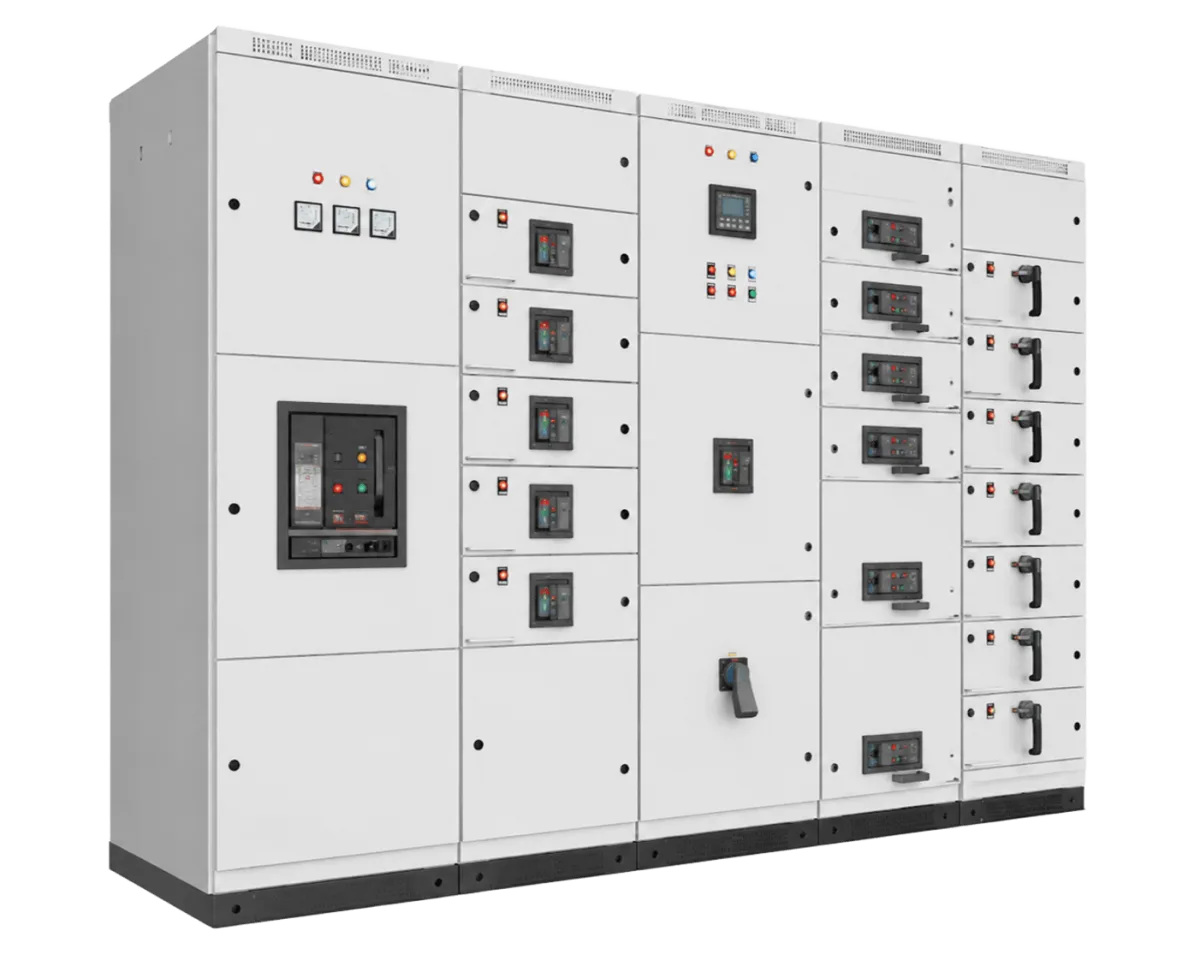
A centralized low-voltage distribution system was designed to handle incoming utility power and distribute it across multiple sub-panels.
2. Switchgear and protection systems
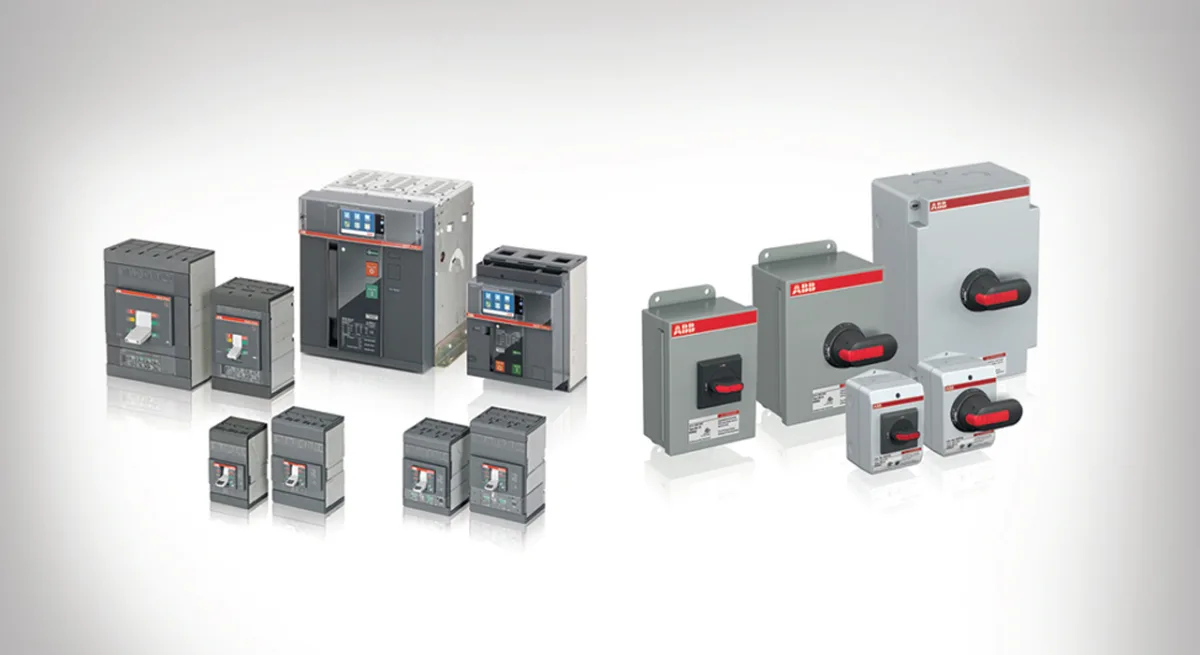
Advanced switchgear assemblies were installed to ensure safe fault isolation and protection across all circuits.
3. Lighting and emergency systems
Energy-efficient lighting systems and backup emergency lighting circuits were integrated for safety compliance.
4. HVAC electrical integration
Air conditioning and ventilation systems were connected to dedicated motor control circuits for stable performance.
5. Tenant load distribution
Each retail unit was provided with isolated and metered electrical supply for accurate consumption tracking.
These systems form the backbone of modern mall electrical installation projects across Africa.
Engineering Approach and Design Methodology
The design process followed structured industrial engineering principles used in large-scale industrial electricians Africa projects.
Load assessment
Comprehensive load calculations were conducted to determine total demand, including diversity factors for commercial usage.
System segmentation
Electrical loads were divided into:
- Critical loads (security, emergency lighting)
- Operational loads (HVAC, escalators)
- Tenant loads (shops and restaurants)
Protection coordination
Circuit breakers and protective relays were selected to ensure proper fault isolation and system stability.
Cable and busbar design
Efficient distribution pathways were implemented to minimize losses and improve system reliability.
P=VIP = VIP=VI
This fundamental electrical principle guided the system design to ensure balanced power distribution across all mall zones.
Key Electrical Systems Installed
Main distribution boards
Heavy-duty distribution boards were installed to manage incoming power and distribute it across the facility.
Sub-distribution panels
Each floor and tenant section was provided with dedicated electrical panels for localized control.
Backup power integration
Generator and backup systems were integrated to ensure continuous operation during outages.
Earthing and protection systems
A comprehensive grounding system was implemented to enhance safety and equipment protection.
These components are standard in professional commercial electrical services projects across East Africa.
Challenges in the Project
Unstable grid supply
Voltage fluctuations required enhanced protection and stabilization systems.
High load diversity
The mall had mixed usage patterns including retail, food courts, and entertainment zones.
Space constraints
Electrical rooms required optimized layout design for efficient equipment installation.
Safety compliance
Strict adherence to electrical safety standards was required due to public access areas.
Such challenges are typical in large-scale electrical projects Uganda infrastructure.
Solutions Implemented
To address these challenges, several engineering solutions were applied:
- Installation of advanced protection relays
- Use of modular switchgear systems
- Load balancing across phases
- High-efficiency busbar systems for distribution
- Structured cable management systems
These solutions ensured reliability and reduced long-term maintenance requirements.
Technical Compliance and Standards
The entire electrical installation was designed and implemented in accordance with:
- IEC 61439 for low-voltage switchgear assemblies
- IEC 60364 for electrical installations in buildings
- Local Ugandan electrical safety regulations
- International best practices for commercial infrastructure
Compliance ensured safety, reliability, and long-term operational efficiency.
Benefits of the Electrical Installation
Reliable power distribution
Ensures uninterrupted operation across all mall facilities.
Improved safety
Protects both equipment and occupants from electrical faults.
Scalable infrastructure
Allows future expansion of tenant spaces and power demand.
Reduced maintenance costs
High-quality components reduce breakdown frequency.
Energy efficiency
Optimized load distribution reduces unnecessary power losses.
Importance of Professional Industrial Electricians in Africa
Large-scale projects such as malls require experienced industrial electricians Africa due to:
- Complexity of electrical loads
- Safety requirements in public spaces
- Need for continuous operation
- Integration of multiple systems (HVAC, lighting, security)
Professional engineering ensures long-term reliability and compliance with international standards.
Step-by-Step Execution Process
Step 1: Site assessment
Electrical infrastructure and load requirements were analyzed.
Step 2: System design
Power distribution architecture was developed.
Step 3: Equipment selection
Switchgear, cables, and protection devices were specified.
Step 4: Installation
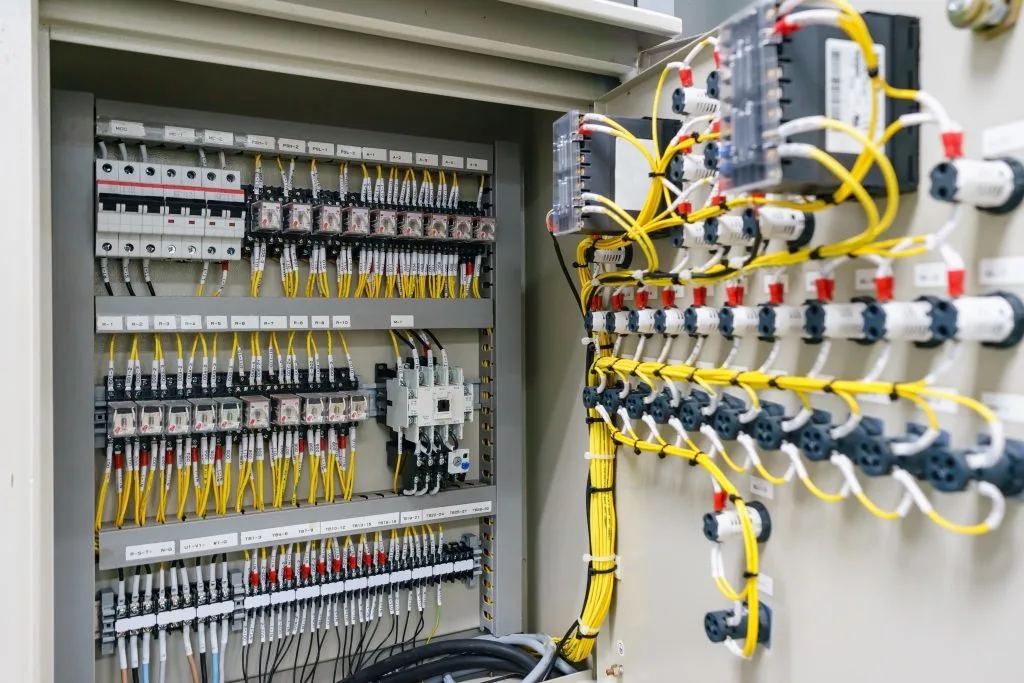
Electrical panels, wiring, and distribution systems were installed.
Step 5: Testing and commissioning
Full system testing ensured safety and performance compliance.
Step 6: Handover and documentation
Final operational documentation and training were provided.
Frequently Asked Questions About Mall Electrical Projects in Uganda
What does a mall electrical installation include?
It includes power distribution, lighting, HVAC integration, and safety systems.
Why are electrical projects in Uganda complex?
They involve high loads, multiple tenants, and strict safety requirements.
What is the role of industrial electricians in such projects?
They design, install, and maintain large-scale electrical systems.
How is power distributed in commercial malls?
Through structured switchgear and sub-distribution panels.
Are backup systems necessary in malls?
Yes, they ensure continuous operation during power outages.
What standards are followed in installation?
IEC standards and local electrical regulations are followed.
How long does a mall electrical installation take?
It depends on size but typically ranges from weeks to months.
What industries benefit from similar installations?
Retail, hospitality, healthcare, and commercial real estate sectors.
Conclusion
This electrical service project in Uganda demonstrates the importance of structured engineering in modern commercial infrastructure. By implementing reliable power distribution systems, advanced protection mechanisms, and scalable electrical architecture, the mall was equipped to handle continuous high-demand operations.
As commercial development continues across East Africa, professional commercial electrical services and experienced industrial electricians Africa will remain essential for delivering safe, efficient, and scalable electrical systems.
Power Your Project with Panel Tech Systems Today
Whether you need a single distribution board or a full industrial electrical installation, our team of certified engineers is ready to deliver a tailored solution.
IEC-Certified Electrical Panels
End-to-End Engineering Solutions
Trusted Across Kenya & East Africa
Call Us: 0799 531765
Email: [email protected]
Visit Us: Nairobi, Kenya