Current Transformers Kenya: The Role of CTs in Power Measurement
Current Transformers (CTs) scale down high electrical currents into safe, measurable values for meters. They enable accurate power monitoring and protection in industrial electrical systems.

Introduction
In industrial and commercial electrical systems in Kenya, currents can reach very high levels that are unsafe and impossible to measure directly using standard meters. To solve this, engineers use Current Transformers (CTs).
Rishabh CTs are widely used components that make it possible to safely monitor high electrical currents without exposing meters or operators to dangerous levels of electricity.
Related Products
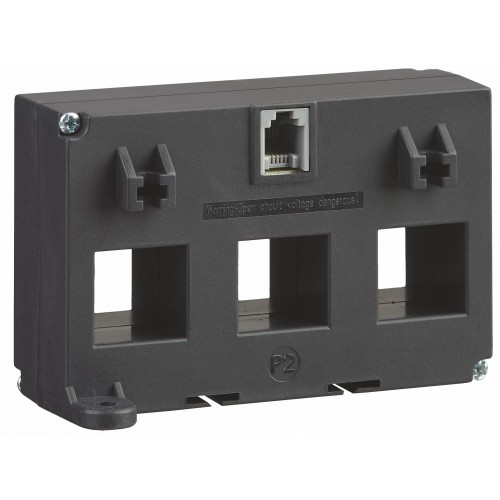
3 Phase Current Transformer
3-Phase Current Transformers for accurate power monitoring and measurement. Paneltech Systems offers high-quality Rishabh 3-Phase CTs for industrial energy monitoring and protection.
View Product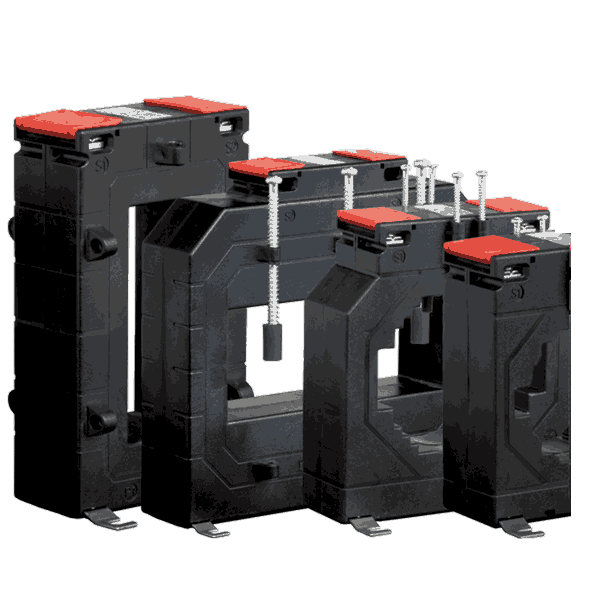
Rishabh CTs
Rishabh current transformers ÔÇö precision measurement instruments for accurate current sensing in power metering and protection applications.
View Product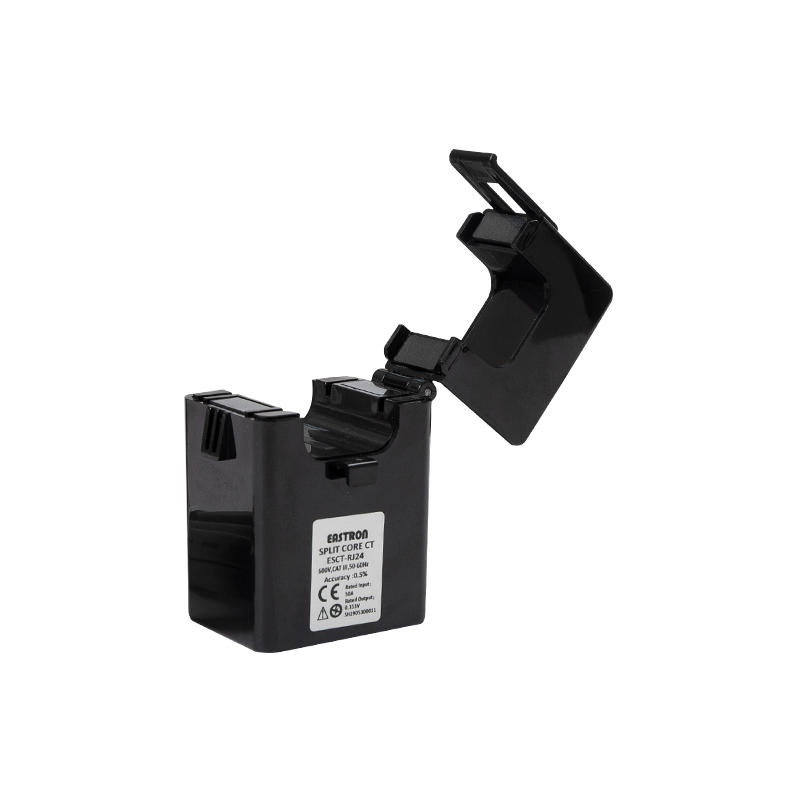
Single Phase RJ12 CT
Single Phase RJ12 current transformer for precise single-phase current measurement in power monitoring and metering applications.
View Product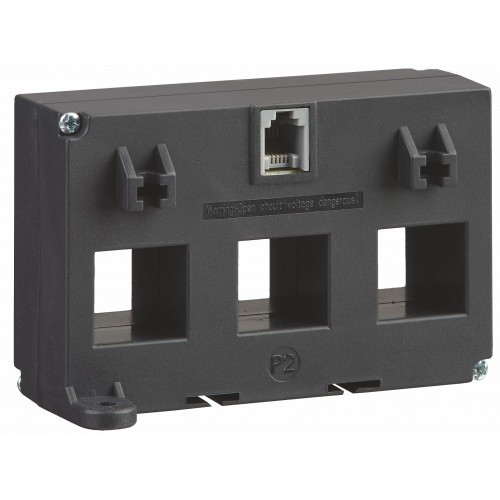
3 Phase RJ12
3-Phase RJ12 from Paneltech Systems for accurate power monitoring and efficient current measurement in industrial applications.
View ProductYou can explore related measurement and panel solutions on the Panel Tech Systems products page or learn more about system integration on the About page.
What is a Current Transformer (CT)?
A Current Transformer is an electrical device used to reduce high current levels to a lower, standardized value that can be safely measured by meters and protection devices.
Instead of connecting a meter directly to a high-current line, the CT acts as an intermediary that scales down the current.
CTs are commonly used in:
- Low voltage panels
- Energy metering systems
- Protection relays
- Industrial power monitoring systems
They are essential components in modern electrical measurement setups.
The Magnifying Glass Analogy
A Current Transformer works like a reverse magnifying glass for electricity.
Instead of making something look bigger, it safely reduces a very large electrical current into a smaller, readable value.
How the Analogy Works
Think of a magnifying glass:
- It makes small objects appear larger so you can see details
A CT does the opposite:
- It takes a very large current (too big and dangerous to measure directly)
- It “shrinks” it into a small, proportional signal
- This smaller signal can be safely read by meters
For example:
- 1000A in a cable might be converted to 5A for a meter
This allows accurate measurement without exposing equipment to dangerous current levels.
How CTs Work in Electrical Systems
CTs are installed around a live conductor (like a cable or busbar). They do not directly consume power; instead, they sense the magnetic field created by current flow.
Basic Operation
- High current flows through a conductor
- CT detects the magnetic field around it
- It induces a proportional smaller current in its secondary winding
- This reduced current is sent to meters or relays
This ensures safe and accurate measurement.
Why CTs are Essential in Power Measurement
CTs make it possible to measure high currents safely without connecting meters directly to power lines.
They protect both equipment and personnel while ensuring accurate energy monitoring.
Key Benefits
- Safe measurement of high currents
- Protection of sensitive metering devices
- Improved accuracy in energy monitoring
- Enables centralized monitoring systems
- Essential for billing and load analysis
Rishabh CTs in Industrial Applications
Rishabh CTs are commonly used in industrial and commercial installations due to their reliability and accuracy.
They are typically installed in:
- Main distribution boards
- Energy metering panels
- Motor control centers
- Industrial power monitoring systems
They work alongside smart meters and energy management systems to provide real-time electrical data.
Real-World Application in Kenya
In a manufacturing plant in Nairobi, machinery draws large amounts of current that cannot be measured directly by standard meters.
Using Rishabh CTs:
- High current from machines is safely scaled down
- Energy meters receive accurate low-level signals
- Operators can monitor energy consumption in real time
This helps businesses:
- Track energy usage accurately
- Identify inefficient machines
- Reduce operational costs
For installation and consultation, visit our contact page.
System Specifications Table
| Parameter | Specification |
|---|---|
| Device Type | Current Transformer (CT) |
| Brand Example | Rishabh CTs |
| Function | Current scaling for measurement |
| Output | Standard 1A / 5A secondary |
| Installation | Around conductor (clamp or fixed) |
| Application | Metering & protection systems |
| Standards Compliance | IEC standards |
Integration with Electrical Systems
CTs integrate with:
- Energy meters
- Protection relays (ELR systems)
- Low voltage panels
- Smart monitoring systems
They are a core component of modern electrical measurement and protection architecture.
Learn more about integrated systems on the Panel Tech Systems homepage.
Conclusion
Current Transformers (CTs) are essential devices that enable safe and accurate measurement of high electrical currents. Using the magnifying glass analogy, they “shrink” dangerous currents into readable values for meters and protection systems.
For Kenyan industrial and commercial systems, CTs are a critical part of reliable energy monitoring and electrical safety.
Call to Action
Contact Panel Tech Systems Ltd
Powering Kenya's Future with Reliable Electrical Solutions
Email: [email protected]
Phone: 0799 531765
Location: Nairobi, Kenya
Website: https://paneltechsystems.co.ke/
Our Specialized Services:
Low Voltage (LV) Panels & APFC Panels
VFD Drive Solutions & ATS / MTS Systems
Solar Power & EV Charging Infrastructure
Electrical Supplies & Engineering Consultations