How to Reduce Electrical Downtime in Kenyan Businesses
Reducing electrical downtime in Kenya is essential for improving productivity and minimizing losses. Businesses can achieve this through reliable electrical panels, backup power systems, ATS integration, and regular maintenance, ensuring stable and continuous operations across all industries.

In Kenya’s fast-growing economy—especially in Nairobi, Mombasa, Kisumu, and Eldoret—businesses rely heavily on uninterrupted electricity to operate efficiently. However, unexpected power outages and electrical failures remain a major challenge.
Electrical downtime can lead to:
- Production losses in factories
- Service interruptions in offices
- Revenue loss in retail businesses
- Equipment damage
- Data loss in IT systems
For industries and commercial operations, even a few minutes of downtime can translate into significant financial impact.
This makes reducing electrical downtime in Kenya a top priority for businesses aiming for reliability and growth.
What Causes Electrical Downtime?
Understanding the root causes is the first step in prevention.
1. Power Grid Failures
Unstable national grid supply.
2. Overloaded Electrical Systems
Poor load distribution in panels.
3. Equipment Failure
Faulty breakers, cables, or transformers.
4. Poor Maintenance
Lack of regular inspections and servicing.
5. Environmental Factors
Heat, dust, and humidity affecting systems.
Proven Ways to Reduce Electrical Downtime in Kenya
1. Install Reliable Electrical Panels
Modern electrical panels ensure proper load distribution and fault protection.
Systems like these help stabilize power flow in buildings and industries.
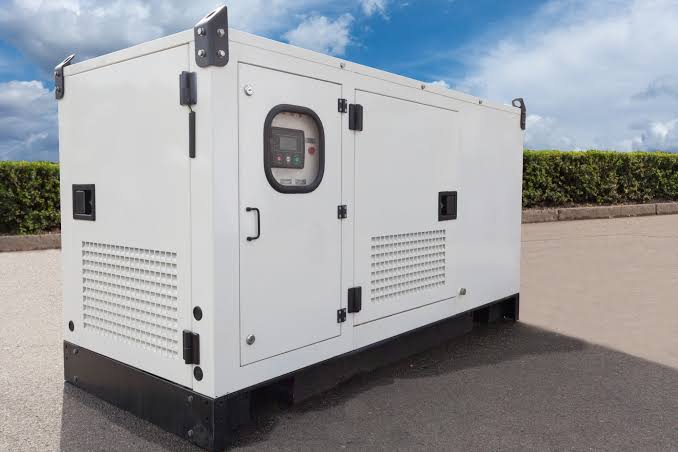
2. Use Backup Power Systems
Generators and UPS systems are essential for power backup Nairobi and across Kenya.
They ensure operations continue during outages without interruption.
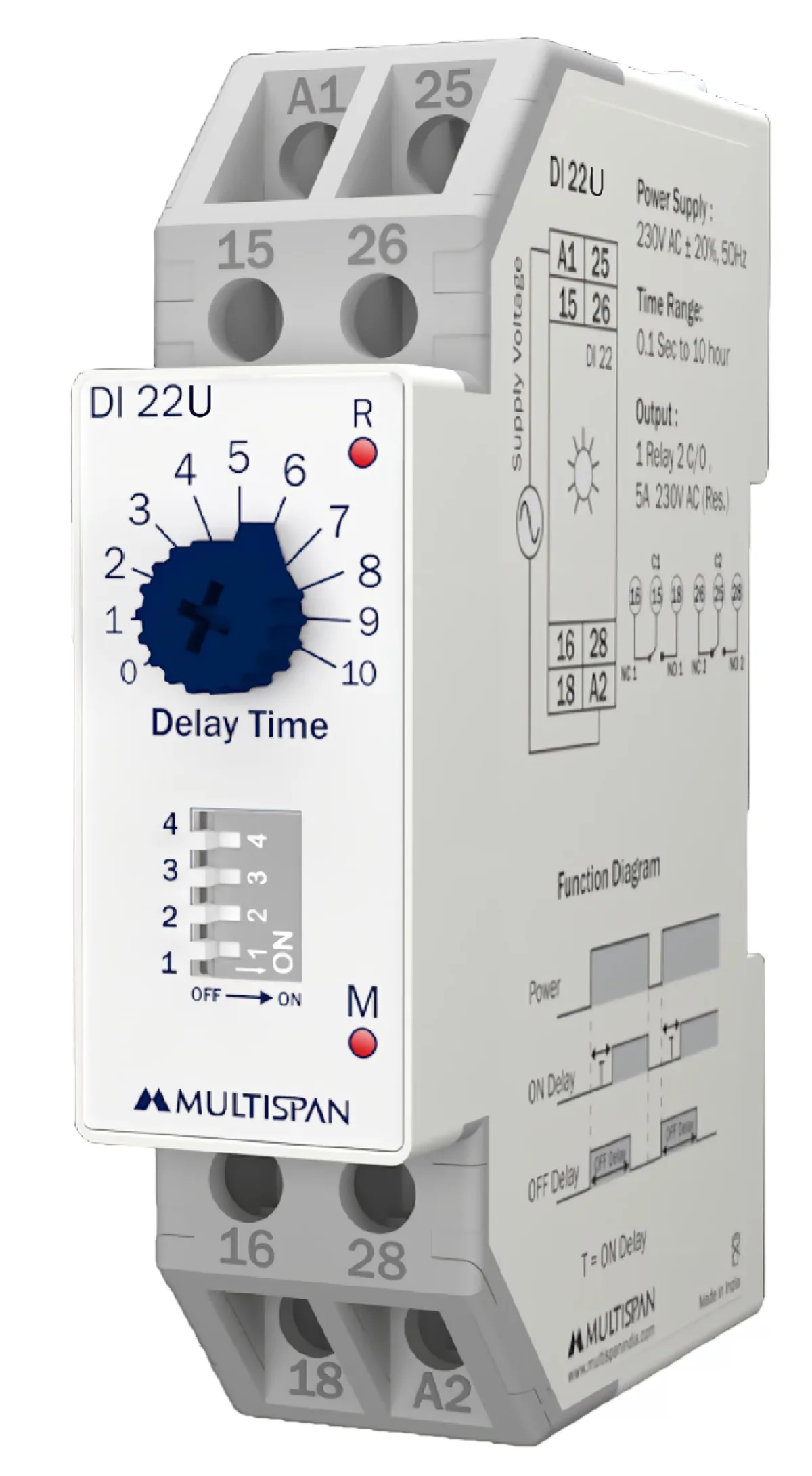
3. Implement ATS Systems
Automatic Transfer Switch systems enable instant switching between grid and generator.
This eliminates manual delays and ensures continuous power supply.
Learn more:
https://paneltechsystems.co.ke/#apfc-112
4. Conduct Regular Maintenance
Preventive maintenance helps identify issues before they cause downtime.
Maintenance includes:
- Panel inspection
- Cable testing
- Load balancing
- Thermal scanning
5. Upgrade Old Electrical Systems
Outdated systems are more prone to failure and inefficiency.
Upgrading improves:
- Safety
- Efficiency
- System reliability
6. Load Management and Distribution
Proper load calculation ensures no circuit is overloaded.
https://paneltechsystems.co.ke/#epm-14-m1
supports advanced monitoring and control.
7. Use High-Quality Components
Cheap components often fail under industrial loads.
Investing in IEC-compliant systems improves long-term reliability.
Comparison: Reactive vs Preventive Downtime Management
| Approach | Reactive | Preventive |
|---|---|---|
| Action | After failure | Before failure |
| Cost | High | Lower long-term |
| Efficiency | Low | High |
| Reliability | Poor | Strong |
Step-by-Step Guide to Reduce Electrical Downtime
Step 1: Audit Electrical System
Identify weak points and risks.
Step 2: Upgrade Panels and Protection
Install modern switchgear and breakers.
Step 3: Install Backup Systems
Add generators and UPS systems.
Step 4: Automate Switching
Use ATS for instant power transfer.
Step 5: Schedule Maintenance
Regular inspections and servicing.
Step 6: Monitor Performance
Use smart monitoring systems for real-time alerts.
Technical Engineering Insights
Reducing downtime requires:
- Load balancing across phases
- Fault current analysis
- Voltage stability control
- Proper earthing systems
- IEC 61439 compliance
Industrial solutions like
https://paneltechsystems.co.ke/#motor-control-panels
help improve automation and reliability.
Industries Most Affected by Downtime in Kenya
Manufacturing
Production line stoppages lead to major losses.
Healthcare
Hospitals require uninterrupted power for critical care.
Retail & Commercial
Sales systems and POS downtime affect revenue.
IT & Data Centers
Even seconds of downtime can cause data loss.
Cost Impact of Electrical Downtime in Kenya
Downtime leads to:
- Lost revenue
- Equipment repair costs
- Reduced productivity
- Contract penalties
Investing in reliable systems significantly reduces these risks.
Why Panel Tech Systems for Reliability Solutions
Panel Tech Systems is a trusted provider of electrical engineering and power reliability solutions in Kenya and East Africa.
Key Strengths:
- 15+ years experience
- 200+ successful projects
- IEC-certified systems
- End-to-end engineering solutions
Explore services:
https://paneltechsystems.co.ke/products/
Learn more:
https://paneltechsystems.co.ke/about/
Frequently Asked Questions About Reducing Electrical Downtime in Kenya
1. What is electrical downtime?
It is the period when power is unavailable or systems stop working.
2. What causes downtime in Kenya?
Power outages, equipment failure, and poor maintenance.
3. How can businesses reduce downtime?
By using backup systems and proper electrical design.
4. Are ATS systems useful?
Yes, they ensure automatic switching during outages.
5. How important is maintenance?
Very important for preventing unexpected failures.
6. Can modern panels reduce downtime?
Yes, they improve protection and stability.
Conclusion: Ensuring Continuous Power in Kenyan Businesses
reduce downtime Kenya is essential for improving productivity, safety, and profitability in Kenya’s business environment. With proper system design, backup power, and preventive maintenance, businesses can significantly improve electrical reliability.
As industries grow, investing in modern electrical infrastructure becomes critical for long-term success.
Panel Tech Systems delivers reliable, efficient, and scalable solutions to help businesses eliminate downtime across Kenya and East Africa.
Power Your Project with Panel Tech Systems Today!
Whether you need a single distribution board or a full industrial electrical installation, our team of certified engineers is ready to deliver a tailored solution.
IEC-Certified Electrical Panels
End-to-End Engineering Solutions
Trusted Across Kenya & East Africa
Call Us: 0799 531765
Email: [email protected]
Visit Us: Nairobi, Kenya