ATS/MTS Kenya: A Beginner’s Guide to Choosing Your Power Backup Switch
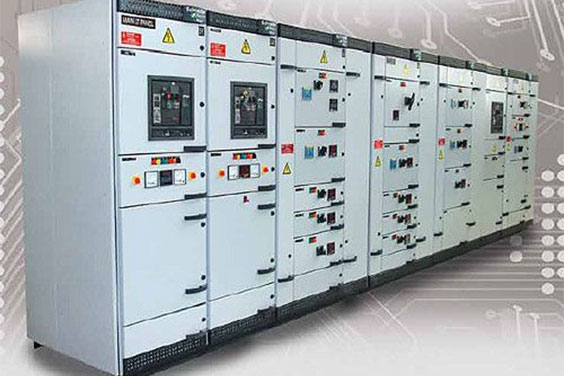
ATS and MTS systems control switching between grid and generator power. ATS operates automatically during outages, while MTS requires manual operation. Both ensure safe power transfer and protect electrical systems in Kenyan facilities.
Introduction
Power reliability remains one of the biggest operational challenges for businesses in Kenya. Industrial facilities, commercial buildings, hospitals, and data centers frequently rely on backup generators due to grid interruptions, voltage fluctuations, and scheduled outages.
To ensure seamless transition between utility power and generator supply, electrical systems use transfer switching equipment. The two most widely used solutions are Automatic Transfer Switches (ATS) and Manual Transfer Switches (MTS).
Related Products

ATS / MTS Kenya
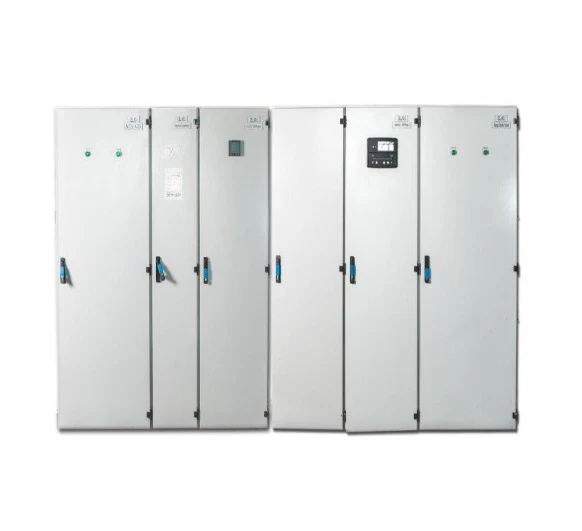
ATS/MTS solutions from Paneltech Systems provide reliable Automatic and Manual Transfer Switches for seamless power transfer in industrial and commercial electrical systems.
View Product
Switches and Sockets
Quality switches and sockets for residential, commercial and industrial electrical installations.
View Product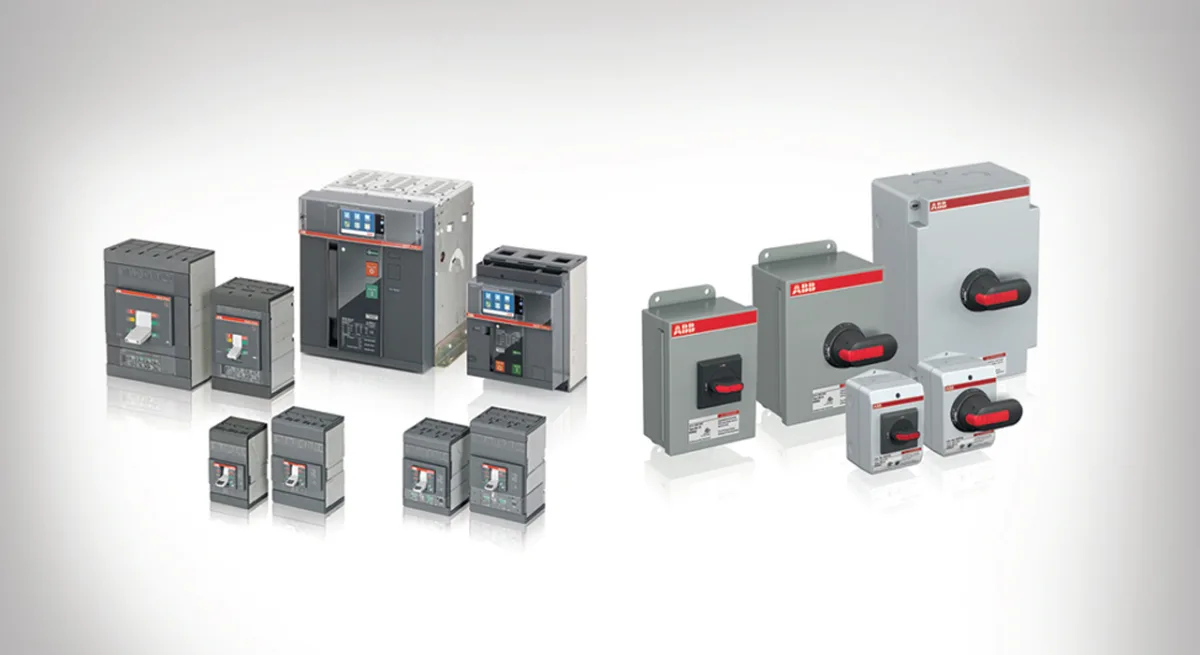
Switchgear Components
A comprehensive range of switchgear components for electrical control and protection in industrial and commercial installations.
View Product
Distribution Boards
Distribution boards divide the main electrical power supply into smaller circuits while providing circuit protection for residential, commercial and industrial applications.
View ProductUnderstanding how these systems work is essential for engineers, facility managers, and business owners looking to improve uptime and protect electrical infrastructure.
You can explore related system solutions such as distribution panels and industrial control systems on the Panel Tech Systems products page or learn more about the company on the About page.
What is an ATS (Automatic Transfer Switch)?
An Automatic Transfer Switch is an intelligent electrical device designed to monitor power supply conditions and automatically switch between the main utility supply and a backup generator when an outage occurs.
Unlike manual systems, ATS units operate without human intervention, making them essential for critical applications where downtime is unacceptable.
In modern Kenyan industrial installations, ATS systems are commonly integrated with generator sets and low voltage distribution panels such as those found in our low voltage panel systems.
How ATS Works in Practice
The operation of an ATS follows a controlled sequence:
- Continuous monitoring of utility voltage
- Detection of power failure or abnormal voltage
- Automatic generator start command
- Stabilization delay to ensure safe generator output
- Transfer of load from mains to generator supply
- Continuous monitoring until utility power returns
- Automatic retransfer back to mains when stable
This automated process ensures minimal downtime and eliminates the need for manual intervention during outages.
ATS systems are especially critical in environments such as hospitals, industrial production lines, telecom stations, and commercial buildings where even a few seconds of downtime can result in financial loss or safety risks.
What is an MTS (Manual Transfer Switch)?
A Manual Transfer Switch is a simpler electrical switching device that requires an operator to physically change the power source from utility supply to generator power.
While it lacks automation, it remains a cost-effective and reliable solution for smaller facilities and non-critical applications.
MTS systems are often used in workshops, small businesses, residential complexes, and rural installations where power outages are expected but not highly sensitive to downtime.
For other electrical infrastructure solutions, you can view the full range of systems on the Panel Tech Systems homepage.
How MTS Works in Practice
The manual switching process typically follows these steps:
- Operator detects a power outage
- Main breaker is isolated from the utility supply
- Generator is started manually
- Load is transferred using a manual changeover switch
- Utility power restoration is monitored
- System is switched back manually when stable
Although simple, MTS systems require trained personnel to ensure safe operation and avoid risks such as backfeeding or improper switching.
ATS/ MTS Kenya: Key Technical Differences
While both systems serve the same fundamental purpose—power source switching—their operational differences are significant.
ATS systems provide:
- Full automation
- Faster response time
- Higher suitability for critical infrastructure
- Reduced human error risk
MTS systems provide:
- Lower installation cost
- Simpler design and maintenance
- Manual control flexibility
- Suitability for low-criticality applications
In Kenya, the choice between ATS and MTS often depends on budget, operational criticality, and the nature of electrical load being served.
Role of ATS/MTS in Generator Integration
ATS and MTS systems are essential for safely integrating backup generators into electrical distribution networks. Without proper transfer switching, facilities risk serious electrical hazards.
Key risks without proper systems include:
- Backfeeding into the national grid
- Equipment damage from unstable voltage transitions
- Unsafe manual switching under load
- Generator overload conditions
In structured electrical installations, ATS/MTS units are typically installed alongside distribution boards and protective devices. For professional integration support, visit our contact page.
System Specifications Table
| Parameter | Specification |
|---|---|
| Rated Voltage | 415V AC |
| Frequency | 50 Hz |
| Switching Type | Automatic (ATS) / Manual (MTS) |
| Poles | 2P / 3P / 4P |
| Transfer Time | < 10 seconds (ATS) |
| Enclosure Protection | IP30–IP65 |
| Standards Compliance | IEC 60947-6-1 |
Conclusion
ATS and MTS systems are fundamental components of reliable power management in Kenya. ATS provides fully automated switching for critical applications, while MTS offers a cost-effective manual solution for less sensitive environments. Selecting the correct system ensures safety, operational continuity, and long-term equipment protection.
Call to Action
Contact Panel Tech Systems Ltd
Powering Kenya's Future with Reliable Electrical Solutions
Email: [email protected]
Phone: 0799 531765
Location: Nairobi, Kenya
Website: https://paneltechsystems.co.ke/
Our Specialized Services:
Low Voltage (LV) Panels & APFC Panels
VFD Drive Solutions & ATS / MTS Systems
Solar Power & EV Charging Infrastructure
Electrical Supplies & Engineering Consultations