LED Lights Kenya: A Beginner’s Guide to Industrial Lighting Upgrades
LED lighting reduces energy costs and improves visibility in industrial spaces. Understanding lumens vs watts helps you choose the right brightness while maximizing efficiency and long-term savings.

Introduction
Lighting plays a critical role in industrial and commercial facilities across Kenya. From warehouses and factories to workshops and retail spaces, proper lighting improves safety, productivity, and operational efficiency.
Many facilities still rely on outdated lighting systems that consume more power and provide lower light quality. Switching to LED lighting is one of the simplest and most effective upgrades you can make.
You can explore lighting and electrical solutions on the Panel Tech Systems products page or learn more about system upgrades on the About page.
What are LED Lights?
LED (Light Emitting Diode) lights are energy-efficient lighting solutions that convert electricity into light more effectively than traditional bulbs.
Compared to older technologies like incandescent or fluorescent lighting, LEDs:
- Use less electricity
- Last longer
- Produce less heat
- Provide better light quality
They are widely used in:
- Industrial facilities
- Warehouses
- Offices and commercial buildings
- Outdoor and security lighting
Why Upgrade to LED Lighting?
LED lighting significantly reduces energy consumption while improving brightness and visibility.
This makes it ideal for industrial environments where lighting is used for long hours.
Key Benefits
- Lower electricity bills
- Improved lighting quality
- Longer lifespan (reduced replacements)
- Reduced maintenance costs
- Better safety and visibility
Understanding Lumens vs Watts
Lumens measure brightness, while watts measure energy consumption.
When choosing LED lights, focus on lumens—not watts—to get the right level of brightness.
What are Watts?
Watts indicate how much electrical power a light consumes.
In traditional lighting:
- Higher watts = brighter light
- But also higher energy usage
Example:
- A 100W incandescent bulb consumes a lot of energy
What are Lumens?
Lumens measure the actual amount of light produced.
In LED lighting:
- Higher lumens = brighter light
- Lower watts = less energy consumption
Simple Comparison
| Lighting Type | Watts | Lumens | Efficiency |
|---|---|---|---|
| Incandescent Bulb | 100W | ~1600 lm | Low |
| Fluorescent Tube | 35W | ~1600 lm | Medium |
| LED Light | 15–20W | ~1600 lm | High |
This shows how LEDs provide the same brightness using much less power.
How to Choose the Right Brightness
Selecting the right LED depends on the application and environment.
General Guidelines
- Offices: 300–500 lux (moderate brightness)
- Warehouses: 200–300 lux
- Factories: 500–1000 lux (high visibility required)
- Outdoor security: High lumen output with wide coverage
Key Factors to Consider
- Ceiling height
- Area size
- Type of work being performed
- Required visibility level
Higher precision tasks require higher brightness levels.
Energy Savings in Kenyan Facilities
Electricity costs in Kenya continue to impact operational budgets, especially in facilities with long operating hours.
By switching to LED lighting:
- Energy consumption can be reduced significantly
- Cooling costs decrease due to less heat generation
- Maintenance costs drop due to longer lifespan
This makes LED upgrades one of the fastest-return investments for facility managers.
Real-World Application in Kenya
In a warehouse in Nairobi, outdated fluorescent lighting was replaced with LED fixtures.
After the upgrade:
- Energy consumption dropped significantly
- Lighting quality improved across storage areas
- Maintenance frequency reduced
- Worker productivity increased due to better visibility
For installation and consultation, visit our contact page.
System Specifications Table
| Parameter | Specification |
|---|---|
| Lighting Type | LED |
| Power Consumption | Low (high efficiency) |
| Brightness | Measured in lumens |
| Lifespan | Long (up to 50,000 hours) |
| Application | Industrial & commercial |
| Installation | Indoor / Outdoor |
| Standards Compliance | IEC lighting standards |
Integration with Electrical Systems
LED lighting systems integrate with:
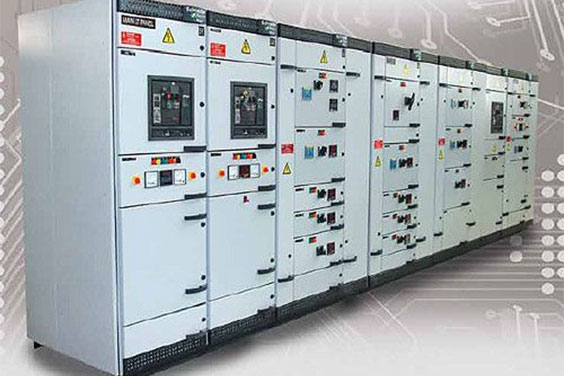
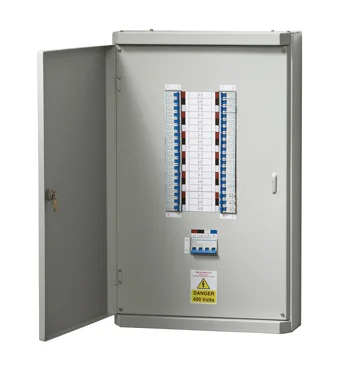
- Low voltage panels
- Energy monitoring systems
- Smart lighting controls
- Automation systems
They can also be combined with solar systems for further energy savings.
Learn more about integrated solutions on the Panel Tech Systems homepage.
Conclusion
Switching to LED lighting is a practical and cost-effective upgrade for industrial and commercial facilities in Kenya. By understanding the difference between lumens and watts, you can choose the right lighting for your needs while maximizing energy efficiency.
LED technology not only reduces costs but also improves safety, productivity, and long-term reliability.
Call to Action
Contact Panel Tech Systems Ltd
Powering Kenya's Future with Reliable Electrical Solutions
Email: [email protected]
Phone: 0799 531765
Location: Nairobi, Kenya
Website: https://paneltechsystems.co.ke/
Our Specialized Services:
Low Voltage (LV) Panels & APFC Panels
VFD Drive Solutions & ATS / MTS Systems
Solar Power & EV Charging Infrastructure
Electrical Supplies & Engineering Consultation