LV Panel Maintenance Kenya: A Beginner’s Checklist for Reliable Electrical Systems
Regular LV panel maintenance prevents faults, overheating, and downtime. Simple checks like dust cleaning, heat inspection, and tightening connections keep electrical systems safe and efficient.

Introduction
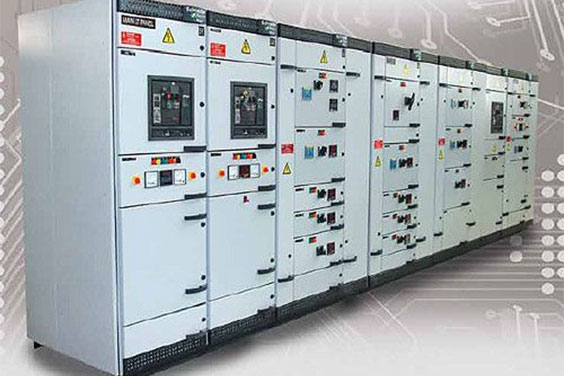
Low Voltage (LV) panels are the backbone of electrical distribution in homes, commercial buildings, and industrial facilities across Kenya. They control and distribute power to all connected systems, making their reliability critical.
However, many electrical failures are not caused by complex faults—they result from simple issues like dust buildup, overheating, or loose connections. Regular maintenance can prevent these problems before they escalate.
Related Products

LV Panel
High-quality low voltage panels designed for reliable power distribution and protection in industrial and commercial installations.
View Product
Protection Panels
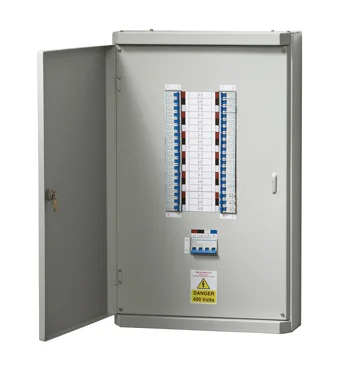
Robust protection panels safeguarding electrical systems and equipment from faults, overloads and short circuits.
View Product
Feeder Pillar Panels
Feeder pillar panels providing reliable power distribution solutions for outdoor and indoor industrial and commercial applications.
View Product
ATS / MTS Kenya
ATS/MTS solutions from Paneltech Systems provide reliable Automatic and Manual Transfer Switches for seamless power transfer in industrial and commercial electrical systems.
View ProductYou can explore panel solutions on the Panel Tech Systems products page or learn more about professional services on the About page.
Why LV Panel Maintenance is Important
Routine maintenance helps detect early signs of failure before they become serious electrical faults.
Simple visual inspections can prevent downtime, equipment damage, and safety hazards.
Neglecting maintenance can lead to:
- Overheating and fire risks
- Equipment failure
- Unexpected power outages
- Increased repair costs
Regular checks ensure long-term system reliability.
6-Month LV Panel Maintenance Checklist
A basic inspection every 6 months can significantly improve panel performance and safety.
These checks focus on visible signs that indicate potential problems.
1. Check for Dust and Dirt Build-Up
Dust accumulation inside panels can cause overheating and insulation issues.
What to Look For
- Dust on components and busbars
- Dirt around ventilation openings
- Blocked airflow paths
Why It Matters
Dust acts as an insulator and traps heat, which can:
- Increase internal temperature
- Reduce component lifespan
- Lead to electrical faults
What to Do
- Clean using dry air or a soft brush
- Avoid using water or wet materials
2. Inspect for Signs of Overheating
Heat damage is one of the most common causes of electrical failure.
What to Look For
- Discoloration of wires or terminals
- Burn marks or melted insulation
- Unusual smell inside the panel
Why It Matters
Overheating may indicate:
- Overloaded circuits
- Poor connections
- Failing components
Early detection prevents serious damage.
3. Check for Loose Wiring Connections
Loose connections can cause arcing, heat buildup, and system instability.
What to Look For
- Wires not firmly secured
- Terminal screws that appear loose
- Signs of sparking or carbon deposits
Why It Matters
Loose wiring can lead to:
- Voltage drops
- Equipment malfunction
- Fire hazards
What to Do
- Tighten connections (by qualified personnel)
- Ensure proper torque settings are applied
4. Examine Circuit Breakers and Switchgear
Switchgear components must be in good condition to protect the system.
What to Look For
- Breakers that feel loose or damaged
- Difficulty switching ON/OFF
- Visible wear or cracks
Why It Matters
Faulty breakers may fail to trip during overloads, leading to equipment damage.
Learn more about protection components in low voltage panel systems.
5. Check for Moisture or Corrosion
Moisture can severely damage electrical components and reduce insulation effectiveness.
What to Look For
- Rust on metal parts
- Water marks or condensation
- Corrosion on terminals
Why It Matters
Moisture can cause:
- Short circuits
- Insulation failure
- Long-term component degradation
6. Verify Panel Ventilation
Proper airflow is essential to keep panel temperatures within safe limits.
What to Look For
- Blocked вентиляtion openings
- Non-functional cooling fans
- Excess heat inside the enclosure
Why It Matters
Poor ventilation leads to:
- Overheating
- Reduced efficiency
- Increased failure rates
Real-World Application in Kenya
In a commercial building in Nairobi, regular LV panel inspections were introduced every six months.
Results:
- Dust buildup was removed before causing overheating
- Loose connections were identified early
- System reliability improved
- Unexpected downtime was reduced significantly
For professional maintenance support, visit our contact page.
System Specifications Table
| Parameter | Specification |
|---|---|
| Maintenance Interval | Every 6 months |
| Inspection Type | Visual + basic physical checks |
| Key Focus Areas | Dust, heat, wiring, moisture |
| System Type | Low Voltage Panels |
| Tools Required | Basic inspection tools |
| Personnel | Qualified technician recommended |
| Standards Compliance | IEC maintenance practices |
Integration with Preventive Maintenance Programs
LV panel maintenance should be part of a broader preventive maintenance strategy that includes:
- Scheduled inspections
- Load monitoring
- Thermal imaging (advanced)
- Component testing
This ensures long-term system reliability and safety.
Learn more about integrated electrical solutions on the Panel Tech Systems homepage.
Conclusion
Maintaining your low voltage panels does not always require complex procedures. Simple visual checks—such as inspecting for dust, heat damage, and loose wiring—can prevent major electrical issues.
For facilities in Kenya, a consistent 6-month maintenance routine is a practical way to ensure safety, reduce downtime, and extend the life of electrical systems.
Call to Action
Contact Panel Tech Systems Ltd
Powering Kenya's Future with Reliable Electrical Solutions
Email: [email protected]
Phone: 0799 531765
Location: Nairobi, Kenya
Website: https://paneltechsystems.co.ke/
Our Specialized Services:
Low Voltage (LV) Panels & APFC Panels
VFD Drive Solutions & ATS / MTS Systems
Solar Power & EV Charging Infrastructure
Electrical Supplies & Engineering Consultations