Busbar systems Kenya: 2026 Engineering Guide and Specs | Paneltech Systems Kenya
Upgrading your industrial switchgear? Busbar systems Kenya provide higher efficiency, improved safety, and superior space optimization compared to traditional cabling, especially in high-capacity industrial power distribution environments.
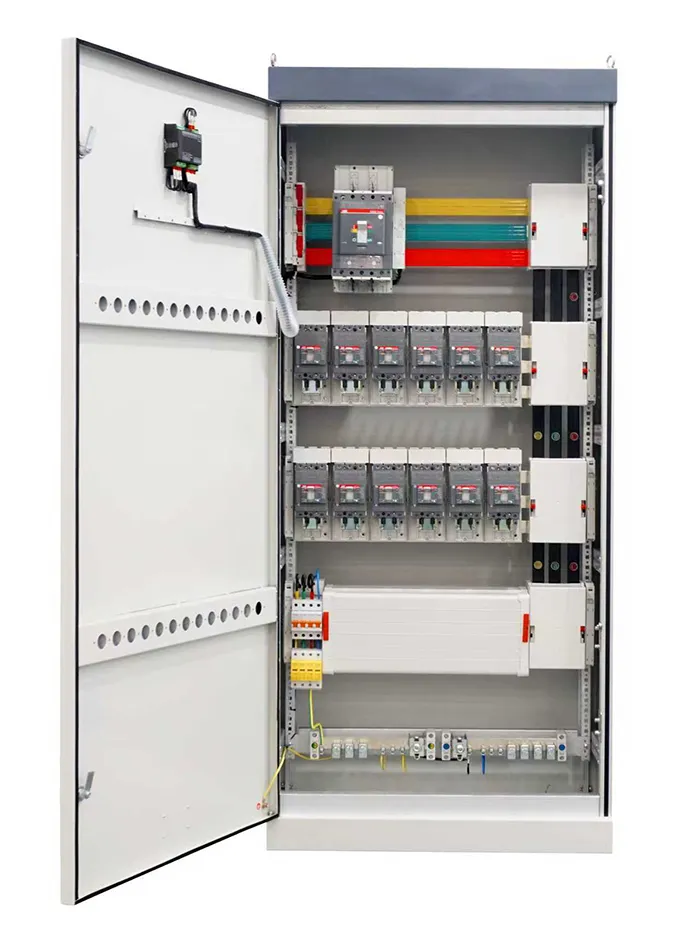
Busbar systems Kenya are becoming the preferred solution for modern industrial power distribution due to their efficiency, compact design, and ability to handle high electrical loads safely. In Kenya’s growing industrial sector, especially in Nairobi and Mombasa, demand for stable and scalable electrical infrastructure is increasing rapidly.
Industrial facilities are moving away from traditional cable-based systems because of heat losses, maintenance complexity, and space constraints. Busbar systems Kenya offer a structured and modular approach that improves energy efficiency and system reliability in high-demand environments.
For engineers and facility managers, this shift is not just technical—it is a long-term cost and performance decision.
What Is a Busbar System in Power Distribution?
A busbar system is a rigid electrical conductor system made of copper or aluminum enclosed in a protective housing. It distributes high current efficiently across industrial installations.
In modern engineering design, Busbar systems Kenya are widely used in:
- Industrial switchgear rooms
- Manufacturing plants
- Data centers
- Commercial high-rise buildings
Unlike traditional cabling, busbar systems use a continuous conductor path, reducing resistance and improving thermal management. This makes them highly suitable for high-capacity power distribution environments.
Explore related infrastructure solutions:
https://paneltechsystems.co.ke/products/low-voltage-panels/
https://paneltechsystems.co.ke/products/
What Are Traditional Cabling Systems in Industrial Power Distribution?
Traditional cabling systems use multiple insulated cables routed through trays or conduits to distribute electrical power. While still common in Kenya, they are increasingly limited in high-load industrial environments.
Compared to Busbar systems Kenya, traditional cabling often results in:
- Higher installation complexity
- Increased heat buildup in cable bundles
- Limited scalability in expanding facilities
- More difficult fault tracing and maintenance
These limitations make cabling less efficient for modern industrial plants requiring continuous uptime and high power loads.
Why Busbar Systems Kenya Are More Efficient
Busbar systems Kenya provide significantly higher efficiency compared to traditional cabling due to reduced electrical resistance and improved heat dissipation.
From an engineering perspective:
- Solid conductor design reduces I²R losses
- Heat is evenly distributed along the enclosure
- Voltage drop is minimized over long distances
In Kenyan industrial environments where KPLC supply fluctuations can already stress equipment, improved efficiency directly enhances system stability and reduces operational losses.
Space Optimization in Industrial Electrical Design
Busbar systems Kenya are widely preferred in modern industrial layouts because they require far less physical space than cable-based systems.
Benefits include:
- Compact trunking design
- Reduced cable tray congestion
- Easier panel room layout planning
- Better scalability for future expansion
In Nairobi’s industrial zones where electrical rooms are often retrofitted into limited spaces, busbar systems provide a major engineering advantage over traditional cabling systems.
Safety Advantages of Busbar Systems Kenya
Busbar systems Kenya improve electrical safety by enclosing conductive paths and reducing exposure to loose wiring or overheating cables.
Key safety benefits:
- Enclosed insulated conductors reduce shock risk
- Higher short-circuit withstand capability
- Modular tap-off units allow safer isolation
Traditional cabling systems, in contrast, are more prone to insulation wear, overheating, and complex fault tracing during system failures.
For industrial facilities, this translates into reduced downtime and improved workplace safety compliance.
Environmental Performance in Kenyan Conditions
Busbar systems Kenya are designed to perform reliably under diverse environmental conditions found across Kenya.
Environmental challenges include:
- Coastal humidity in Mombasa
- Dust-heavy conditions in the Rift Valley
- Urban pollution and heat in Nairobi
Modern busbar systems can be rated:
- IP54 for indoor industrial use
- IP65 for harsh environments
This makes them more durable compared to traditional cable systems that rely heavily on external conduits and insulation layers.
Compliance with IEC and EPRA Standards
Busbar systems Kenya are designed to comply with international and local regulatory standards ensuring safe industrial deployment.
Key standards include:
- IEC 61439 (Low-voltage switchgear assemblies)
- BS EN 60529 (Ingress protection ratings)
- EPRA electrical installation guidelines in Kenya
Compliance ensures safe installation, operational reliability, and regulatory approval for industrial projects.
Explore compliant solutions:
https://paneltechsystems.co.ke/about/
https://paneltechsystems.co.ke/products/low-voltage-panels/
Installation and Maintenance Benefits
Busbar systems Kenya offer significant advantages in installation speed and maintenance efficiency compared to traditional cabling.
Installation benefits:
- Modular prefabricated sections
- Reduced onsite wiring time
- Simplified system expansion
Maintenance benefits:
- Easy fault isolation
- Minimal downtime during repairs
- Quick inspection and servicing
This makes them ideal for industries where operational uptime is critical.
System Specifications Table
| Parameter | Busbar System | Traditional Cabling |
|---|---|---|
| Rated Voltage | Up to 690V+ | Up to 1000V+ |
| Current Capacity | Very High (100A–6300A+) | Medium to High |
| Heat Dissipation | Excellent | Moderate |
| Installation Time | Fast | Slow |
| Maintenance | Easy | Complex |
| Space Requirement | Compact | Large |
| Expansion | Highly scalable | Limited |
Cost Analysis: Busbar Systems Kenya vs Traditional Cabling
Busbar systems Kenya typically require higher initial investment but deliver lower lifecycle costs due to efficiency gains and reduced maintenance.
Cost comparison:
- Busbar systems: Higher upfront, lower long-term cost
- Cabling systems: Lower upfront, higher maintenance cost
For industrial operators in Kenya, lifecycle value is increasingly more important than initial installation cost.
Why Busbar Systems Kenya Are Growing in Industry
Busbar systems Kenya are gaining popularity due to rapid industrialization, automation, and demand for efficient electrical infrastructure.
Key growth drivers:
- Expansion of manufacturing sectors
- Increased use of VFD-driven machinery
- Demand for compact electrical rooms
- Integration with renewable energy systems
Explore related systems:
https://paneltechsystems.co.ke/products/vfd-drives/
https://paneltechsystems.co.ke/#apfc-112
Conclusion: Best Choice for High-Capacity Power
Busbar systems Kenya are the superior solution for high-capacity industrial power distribution due to their efficiency, safety, and scalability advantages over traditional cabling systems.
For modern Kenyan industries focused on reliability and long-term performance, busbar systems represent the future of electrical distribution design.
Call to Action (MANDATORY)
Contact Paneltech Systems Ltd
Powering Kenya's Future with Reliable Electrical Solutions
Email: [email protected]
Phone: 0799 531765
Location: Nairobi, Kenya
Website: https://paneltechsystems.co.ke/
Our Specialized Services:
Low Voltage (LV) Panels & APFC Panels
VFD Drive Solutions & ATS / MTS Systems
Solar Power & EV Charging Infrastructure
Electrical Supplies & Engineering Consultations