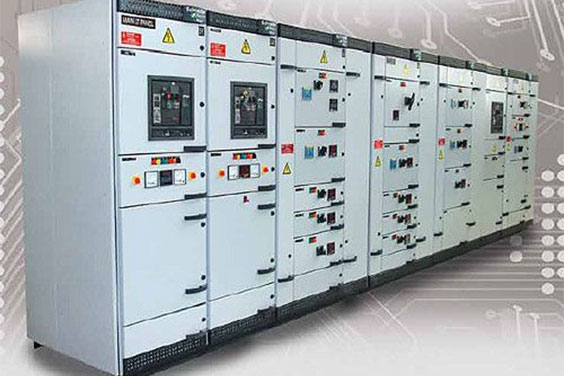
Distribution Boards Kenya: Understanding the Safety Hub of Your Electrical System
Distribution boards safely distribute electricity to different circuits while protecting against overloads and short circuits. They use devices like MCBs and RCDs to ensure electrical safety in homes, offices, and industrial buildings.
Introduction
Electrical systems in buildings—whether residential, commercial, or industrial—require a structured way of distributing power safely. Without proper control, electrical faults such as overloads and short circuits can damage equipment or even cause fire hazards.
Distribution boards play a central role in managing and protecting electrical circuits. They act as the control point where incoming power is divided into multiple protected outgoing circuits.
Related Products

Distribution Boards
Distribution boards divide the main electrical power supply into smaller circuits while providing circuit protection for residential, commercial and industrial applications.
View Product
Meter Boards
Meter boards house electricity meters, circuit breakers, fuses and other protective devices for proper monitoring and regulation of electrical supply.
View Product
ATS / MTS Kenya
ATS/MTS solutions from Paneltech Systems provide reliable Automatic and Manual Transfer Switches for seamless power transfer in industrial and commercial electrical systems.
View Product
Protection Panels
Robust protection panels safeguarding electrical systems and equipment from faults, overloads and short circuits.
View ProductYou can explore related system components and industrial electrical solutions on the Panel Tech Systems products page or learn more about the company on the About page.
What is a Distribution Board?
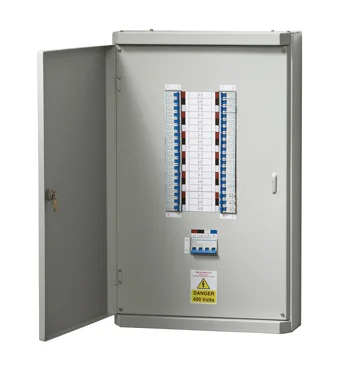
A Distribution Board (DB), sometimes called a breaker panel or consumer unit, is an electrical enclosure that divides incoming electrical power into multiple circuits.
Each circuit supplies a different area or load such as lighting, sockets, machinery, or HVAC systems.
In modern Kenyan electrical installations, distribution boards are a core part of low voltage systems found in residential estates, commercial buildings, and industrial facilities.
More low voltage infrastructure solutions can be found in our low voltage panel systems section.
Key Internal Components of a Distribution Board
A distribution board contains several protective and control components that ensure safe power distribution.
1. Miniature Circuit Breakers (MCBs)
MCBs are automatic switches designed to protect individual circuits from overloads and short circuits.
When excessive current flows through a circuit, the MCB automatically trips and disconnects power, preventing damage to wiring and connected equipment.
2. Residual Current Devices (RCDs)
RCDs detect leakage currents to earth, which may occur due to insulation failure or accidental contact.
They disconnect power quickly to prevent electric shock hazards and improve user safety.
3. Busbars
Busbars are conductive metal strips that distribute incoming electrical power to multiple outgoing circuit breakers within the panel.
They ensure efficient and organized power distribution.
4. Main Incoming Breaker
This is the primary switch controlling power entry into the distribution board. It allows isolation of the entire system during maintenance or emergencies.
5. Surge Protection Devices (SPDs)
SPDs protect electrical systems from voltage spikes caused by lightning strikes or grid instability, which is particularly relevant in regions with fluctuating supply conditions.
How Distribution Boards Improve Electrical Safety
Distribution boards are essential for preventing electrical failures and ensuring system stability.
They improve safety by:
- Isolating faulty circuits automatically
- Preventing overload on wiring systems
- Reducing fire risks caused by overheating
- Protecting appliances from voltage fluctuations
In Kenya, where electrical demand is growing across urban and industrial sectors, properly designed distribution boards are critical for system reliability.
For professional electrical integration and system design support, you can reach our engineers via the contact page.
Real-World Application in Kenya
In a commercial building in Nairobi, different floors require separate electrical circuits for lighting, elevators, and air conditioning.
A distribution board ensures each system operates independently. If a fault occurs in one circuit—such as a lighting overload—it does not affect the entire building.
This level of isolation is essential for operational continuity in modern infrastructure.
System Specifications Table
| Parameter | Specification |
|---|---|
| Rated Voltage | 415V / 230V AC |
| Frequency | 50 Hz |
| Protection Devices | MCB, RCD, SPD |
| Enclosure Type | Wall-mounted / Floor-mounted |
| IP Rating | IP30–IP65 |
| Standards Compliance | IEC 61439 |
| Application | Residential, Commercial, Industrial |
Conclusion
Distribution boards are the backbone of safe electrical distribution in any building. By integrating protective devices such as MCBs, RCDs, and surge protection units, they ensure electrical systems remain safe, stable, and efficient.
Properly designed distribution systems reduce downtime, improve safety, and protect valuable electrical infrastructure.
Call to Action
Contact Panel Tech Systems Ltd
Powering Kenya's Future with Reliable Electrical Solutions
Email: [email protected]
Phone: 0799 531765
Location: Nairobi, Kenya
Website: https://paneltechsystems.co.ke/
Our Specialized Services:
Low Voltage (LV) Panels & APFC Panels
VFD Drive Solutions & ATS / MTS Systems
Solar Power & EV Charging Infrastructure
Electrical Supplies & Engineering Consultations