EV Chargers for Home Installation in Kenya: Power Requirements and Safety Guide | Paneltech Systems
A beginner’s roadmap to selecting and installing EV chargers at home in Kenya. Learn power requirements, safety considerations, load planning, and solar integration for reliable Electric Vehicle charging systems with expert guidance from Paneltech Systems Ltd.

Electric Vehicle (EV) chargers are rapidly becoming essential residential infrastructure as EV adoption grows in Kenya. Proper selection and installation ensure safe charging, stable power delivery, and long-term system reliability.
Home EV charging is not just about plugging in a charger—it requires correct electrical design, load assessment, and safety compliance to avoid overloading household circuits.
Related Products
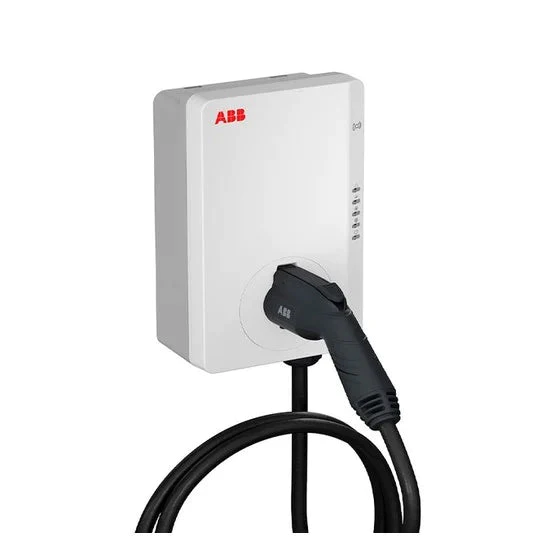
EV Chargers
ABB EV charging solutions for commercial and industrial premises, enabling reliable electric vehicle charging infrastructure.
View Product
LV Panel
High-quality low voltage panels designed for reliable power distribution and protection in industrial and commercial installations.
View Product
ATS / MTS Kenya
ATS/MTS solutions from Paneltech Systems provide reliable Automatic and Manual Transfer Switches for seamless power transfer in industrial and commercial electrical systems.
View Product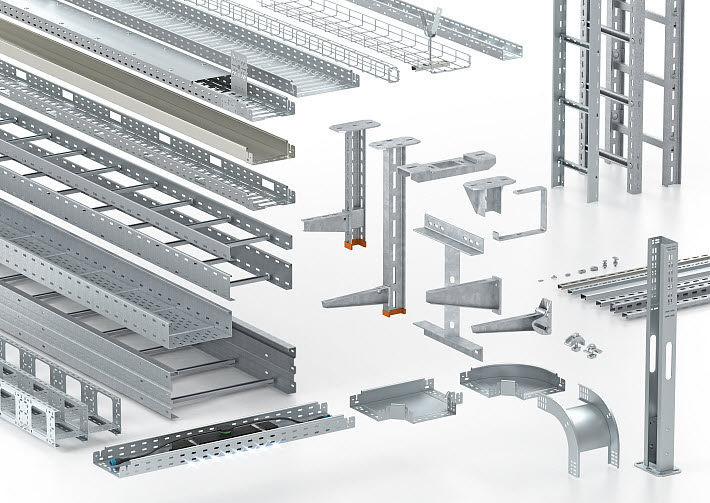
Cable Systems
Paneltech Systems offers comprehensive cable management systems for efficient, secure and organised cable setups across industrial and commercial environments.
View ProductIn Kenya, where grid fluctuations and varying residential wiring quality exist, proper EV charger installation must follow engineering standards aligned with IEC and EPRA guidelines.
Understanding EV Chargers for Home Use
EV chargers are electrical devices that safely convert and regulate grid power to charge electric vehicles efficiently at home. They must match vehicle requirements and household electrical capacity.
Electric vehicle chargers are classified into three main levels:
- Level 1: Standard socket charging (slow, 220–240V)
- Level 2: Dedicated home charger (faster, 7kW–22kW)
- DC Fast Charging: Industrial/commercial use (not suitable for homes)
For residential installations in Kenya, Level 2 chargers are the most practical balance between speed and safety.
Proper integration with home electrical systems is critical. Many installations require upgrades to distribution systems such as LV panels available at https://paneltechsystems.co.ke/products/low-voltage-panels/.
Power Requirements for Residential EV Charging
EV chargers require dedicated electrical circuits with sufficient voltage, amperage, and load capacity to safely support continuous charging without overheating or tripping.
Most home EV chargers operate within these ranges:
- Voltage: 230V single-phase or 415V three-phase (for higher capacity homes)
- Power output: 3.3kW to 22kW depending on charger type
- Current requirement: 16A to 32A for typical residential systems
Before installation, a load assessment must be performed to ensure the household electrical system can handle additional demand without overload.
In many Kenyan homes, existing wiring is not designed for continuous high-load usage. This makes professional electrical evaluation essential before installation.
For advanced energy integration, systems like https://paneltechsystems.co.ke/products/solar-ac-db-combiner/ support hybrid solar + EV charging setups.
Safety Considerations for EV Charger Installation
EV charger safety depends on proper grounding, circuit protection, cable sizing, and compliance with IEC standards to prevent overheating, electrical faults, and fire hazards.
Key safety requirements include:
1. Dedicated Circuit Protection
EV chargers must have a dedicated breaker to isolate load from household circuits.
2. Proper Earthing System
A reliable grounding system is essential to prevent electric shock and voltage instability.
3. Residual Current Device (RCD)
RCD protection is required to detect leakage currents and disconnect power instantly.
4. Correct Cable Sizing
Undersized cables can overheat during long charging cycles, especially at higher amperage levels.
5. Surge Protection
Important in Kenya due to occasional KPLC voltage fluctuations and lightning risks.
Paneltech systems integrate industrial-grade protection components through solutions such as https://paneltechsystems.co.ke/#epm-14-m1 for monitoring and energy management.
Residential Electrical Load Planning for EV Chargers
EV chargers significantly increase household electrical load and must be included in overall load planning to prevent system overload and tripping.
Adding an EV charger to a home typically increases demand by:
- 3.3kW (basic charging)
- Up to 22kW (high-capacity systems)
This load must be balanced with:
- Water heaters
- Air conditioners
- Kitchen appliances
- Lighting systems
Without proper load management, circuits may experience:
- Frequent breaker trips
- Voltage drops
- Overheating of wiring
In Kenya, many residential systems require panel upgrades or redistribution via systems like https://paneltechsystems.co.ke/#motor-control-panels when integrating EV charging infrastructure.
Solar Integration with EV Chargers
Solar-integrated EV charging systems reduce electricity costs and improve energy independence by using photovoltaic power to supplement or replace grid charging.
Solar + EV systems are becoming increasingly popular in Kenya due to:
- Rising electricity costs
- Abundant solar energy potential
- Desire for energy independence
A hybrid system typically includes:
- Solar panels
- Inverters
- Battery storage (optional)
- EV charger integration unit
Systems such as https://paneltechsystems.co.ke/#solar-ac-db-combiner help manage power distribution between solar generation and EV charging loads.
This setup reduces strain on the grid while improving sustainability.
Environmental and Installation Considerations
EV chargers must be installed in environments that protect against dust, heat, and moisture while ensuring safe access and ventilation.
In Kenya, environmental factors vary:
- Nairobi: Moderate climate, urban electrical stability challenges
- Coastal regions (Mombasa): High humidity and corrosion risk
- Inland regions: Dust exposure and temperature variation
Recommended installation practices:
- Indoor garage installation preferred
- IP-rated outdoor enclosures (IP54 or higher)
- Proper ventilation for heat dissipation
- Weather-resistant cabling for external setups
Environmental protection ensures long-term reliability and reduces maintenance costs.
System Specifications Table
| Parameter | Specification |
|---|---|
| Charging Type | Level 1 / Level 2 |
| Voltage | 230V / 415V AC |
| Power Output | 3.3kW – 22kW |
| Current Rating | 16A – 32A |
| Frequency | 50Hz |
| Protection | RCD + MCB + Surge Protection |
| Earthing | Dedicated grounding system |
| Installation Type | Wall-mounted / Pedestal |
| Standards | IEC 61851 / IEC 60364 / EPRA compliance |
Why Professional Installation Matters in Kenya
Professional installation ensures EV chargers operate safely within electrical limits, comply with standards, and integrate properly with household and solar systems.
In Kenya, unregulated installations can lead to:
- Overloaded circuits
- Electrical fires
- Damage to EV batteries
- System inefficiency
Professional engineering ensures:
- Correct load assessment
- Proper cable sizing
- Safe integration with solar or grid systems
- Compliance with IEC and EPRA regulations
Paneltech Systems provides engineered solutions for EV charging infrastructure, integrated with broader electrical systems available at https://paneltechsystems.co.ke/products/ and https://paneltechsystems.co.ke/knowledge-site/.
Conclusion
EV charger installation is not a simple plug-and-play process—it requires proper electrical design, load analysis, and strict safety compliance.
In Kenya, successful home EV charging depends on correct power planning, protective systems, and environmental considerations to ensure long-term safety and efficiency.
With increasing EV adoption, professionally engineered systems are essential for reliable and future-ready residential energy infrastructure.
Contact Paneltech Systems Ltd
Powering Kenya's Future with Reliable Electrical Solutions
Email: [email protected]
Phone: 0799 531765
Location: Nairobi, Kenya
Website: https://paneltechsystems.co.ke/
Our Specialized Services:
- Low Voltage (LV) Panels & APFC Panels
- VFD Drive Solutions & ATS / MTS Systems
- Solar Power & EV Charging Infrastructure
- Electrical Supplies & Engineering Consultations