Hospital Power Backup Solutions Kenya: 2026 Engineering Guide and Specs | Paneltech Systems Kenya
Looking for hospital power backup solutions in Kenya? Hospitals require mission-critical power reliability. Learn how ATS systems and LV panels ensure uninterrupted ICU and theatre operations. Paneltech Systems Ltd provides IEC-certified electrical solutions in Nairobi.
Powering Kenya's Future with Reliable Electrical Solutions — Paneltech Systems Ltd
Hospitals are among the most power-sensitive facilities in any country, and in Kenya this challenge is amplified by grid instability, growing demand, and increasing reliance on digital medical infrastructure. From operating theatres to ICUs, even a few seconds of blackout can put lives at risk, making uninterrupted power not just a technical requirement but a life-saving necessity.
Related Products

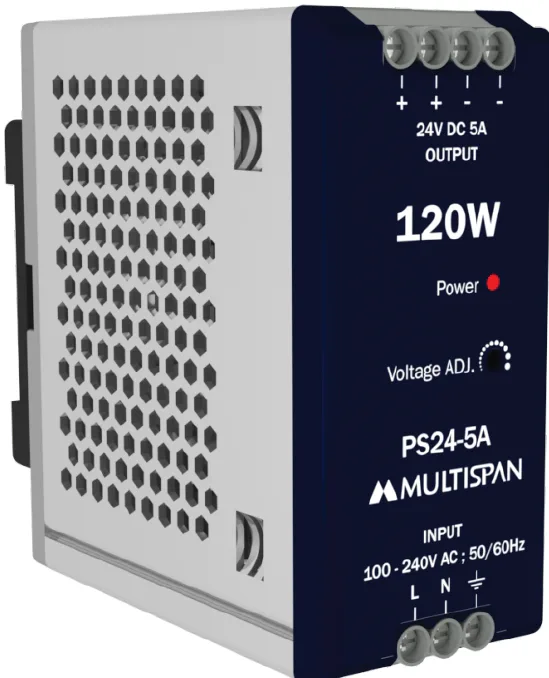
ATS / MTS Kenya
ATS/MTS solutions from Paneltech Systems provide reliable Automatic and Manual Transfer Switches for seamless power transfer in industrial and commercial electrical systems.
View Product
LV Panel
High-quality low voltage panels designed for reliable power distribution and protection in industrial and commercial installations.
View Product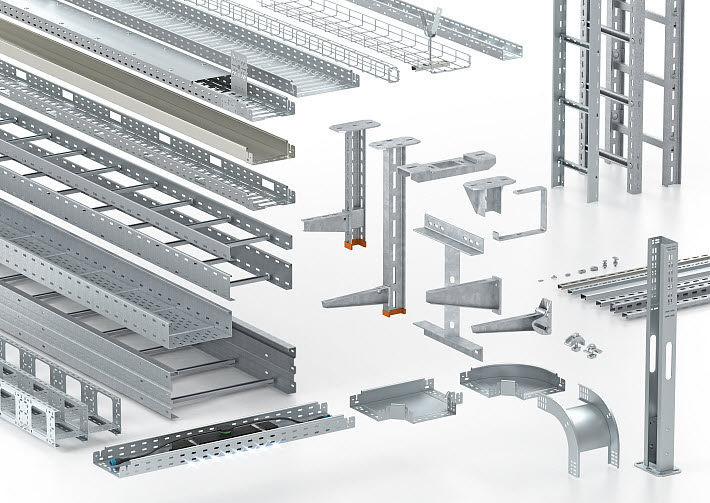
Cable Systems
Paneltech Systems offers comprehensive cable management systems for efficient, secure and organised cable setups across industrial and commercial environments.
View Product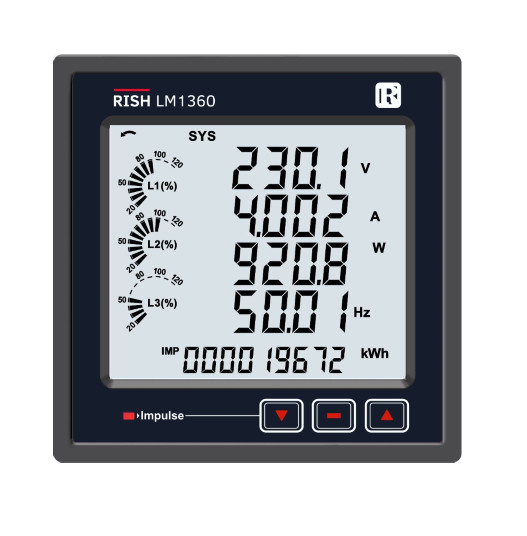
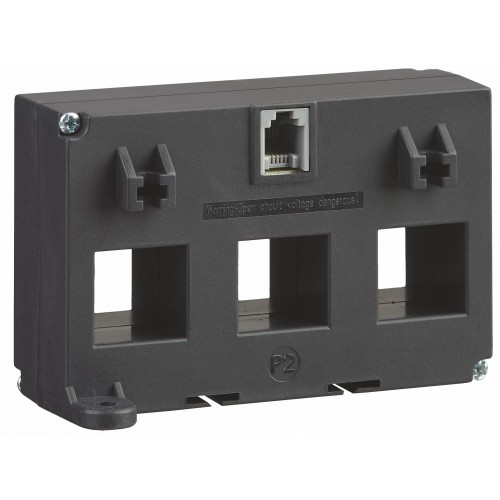
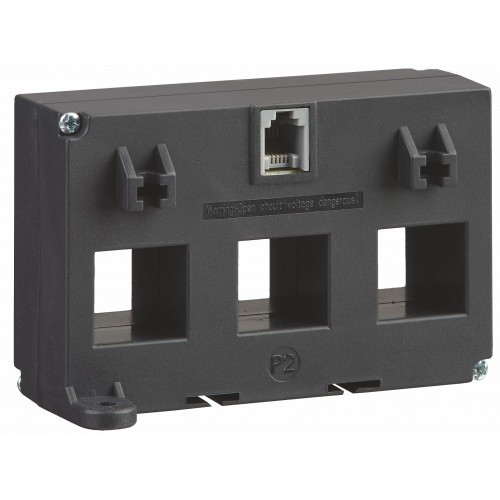
Rish LM 1360
The Rish LM 1360 from Paneltech Systems offers advanced power monitoring and measurement solutions for precise energy usage tracking in industrial settings.
View ProductPaneltech Systems Ltd specializes in engineered electrical infrastructure that ensures Hospital power backup solutions true zero downtime through intelligent ATS systems, LV panels, backup generator integration, and power quality solutions designed for Kenyan operating environments.
Why Hospital Power Reliability is Critical in Kenya
Hospital power backup solutions reliability is a life-critical requirement because even short interruptions can disrupt surgical procedures, ventilators, and diagnostic systems. In Kenya, where grid fluctuations from KPLC are common, hospitals must deploy engineered redundancy systems rather than relying on a single power source.
Hospital power backup solutions increasingly rely on high-precision equipment such as MRI scanners, ventilators, dialysis machines, and automated laboratory systems. These systems are extremely sensitive to voltage dips and frequency instability.
Without proper backup architecture:
- Surgical procedures may be interrupted mid-operation
- ICU ventilators may shut down or reset
- Laboratory diagnostics may lose data integrity
- Digital hospital systems may crash or corrupt records
Hospital power backup solutions in Nairobi, Mombasa, Kisumu, and industrial zones face different risk profiles, but all require compliance-driven electrical design aligned with IEC standards and EPRA expectations.
Learn more about our engineering philosophy:
https://paneltechsystems.co.ke/about/
Explore our solutions overview:
https://paneltechsystems.co.ke/products/
Common Causes of Power Failure in Kenyan Healthcare Facilities
Power failures in Kenyan hospitals are primarily caused by grid instability, undersized backup systems, poor load segregation, and aging electrical infrastructure. These failures are preventable through proper electrical design and automated switching systems.
The most frequent causes include:
1. KPLC Grid Fluctuations
Voltage dips and short outages are common, especially during peak load hours.
2. Generator Transition Delays
Hospitals without ATS systems experience delays when switching from grid to generator power.
3. Overloaded Electrical Panels
Legacy LV panels often cannot handle modern hospital load demands.
4. Poor Power Segregation
Critical loads (ICUs, theatres) are often not isolated from non-critical loads.
5. Lack of Preventive Maintenance
Dust, humidity, and aging components lead to unexpected failures.
Hospitals near coastal regions like Mombasa experience additional humidity-related insulation breakdown, while facilities in arid regions face dust contamination affecting panel performance.
Discover more technical insights:
https://paneltechsystems.co.ke/knowledge-site/
Role of ATS Systems in Hospital Power Continuity
ATS (Automatic Transfer Switch) systems ensure uninterrupted hospital operations by automatically switching between grid and generator power within seconds of detecting failure. They eliminate manual intervention delays that can compromise critical care systems.
An ATS panel is the backbone of Hospital power backup solutions. It continuously monitors incoming utility power and instantly transfers the load to a backup generator when instability is detected.
In Kenyan hospitals, ATS systems are essential because:
- They reduce generator switching delay to seconds
- They ensure ICU and theatre continuity
- They prevent equipment reboot cycles
- They support multi-source power integration (grid + generator + solar)
Paneltech Systems designs ATS solutions integrated with LV panels for seamless control and monitoring.
Example configuration:
https://paneltechsystems.co.ke/#apfc-112
LV Panels in Critical Healthcare Infrastructure
LV (Low Voltage) panels distribute and control electrical power safely within hospitals, ensuring that critical and non-critical loads are properly segmented and protected. They form the central hub of hospital electrical systems.
LV panels in hospitals must handle:
- Life-support equipment loads
- HVAC systems
- Sterilization equipment
- Lighting and emergency circuits
Poorly designed panels can cause cascading failures across multiple hospital departments. High-quality LV systems ensure selective tripping, overload protection, and fault isolation.
Paneltech Systems offers engineered LV solutions designed for healthcare environments:
https://paneltechsystems.co.ke/products/low-voltage-panels/
General product catalog:
https://paneltechsystems.co.ke/products/
Hospital Electrical System Specifications Table
| Parameter | Specification |
|---|---|
| Rated Voltage | 415V / 230V AC |
| Frequency | 50Hz |
| System Type | TN-S / TN-C-S Earthing |
| Panel Enclosure | Powder-coated steel / Stainless steel (IP54–IP65) |
| Short Circuit Rating | Up to 50kA (depending on design) |
| Compliance Standards | IEC 61439, BS EN 61439, EPRA Kenya Regulations |
| Switching System | ATS (Automatic Transfer Switch) integrated |
| Monitoring | Digital metering & remote telemetry optional |
| Cooling Method | Natural / Forced ventilation |
Integration of Backup Generators and Solar Hybrid Systems
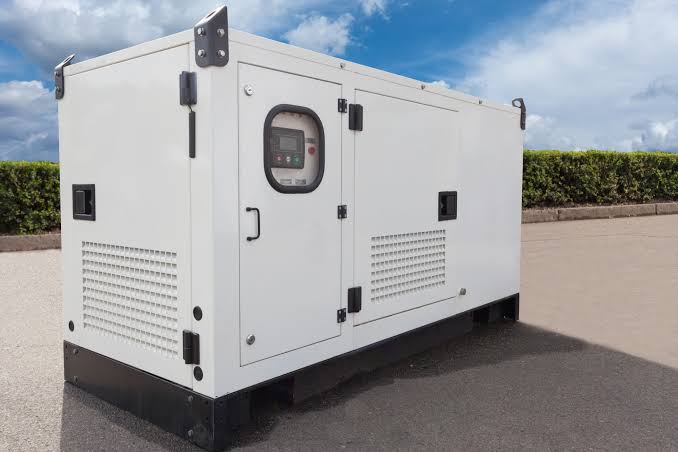
Hospitals achieve maximum reliability by combining diesel generators, solar PV systems, and ATS-controlled switching systems to create a multi-layered backup power architecture. This reduces dependence on a single energy source.
Modern Kenyan hospitals are increasingly adopting hybrid systems due to:
- Rising fuel costs
- Sustainability goals
- Unstable grid supply
- Long-term operational savings
A typical configuration includes:
- Grid supply as primary source
- Solar PV system for daytime load reduction
- Diesel generator for emergency backup
- ATS panel for automatic switching
Paneltech Systems supports hybrid-ready infrastructure designs tailored for hospital loads.
Explore solar-ready systems:
https://paneltechsystems.co.ke/#solar-ac-db-combiner
APFC and Power Quality in Hospital Environments
APFC (Automatic Power Factor Correction) systems improve hospital power efficiency by maintaining optimal power factor levels, reducing energy losses, and preventing penalties from utility providers. They also stabilize electrical performance of sensitive equipment.
Hospitals operate inductive loads such as:
- HVAC chillers
- Pumps
- Sterilizers
- Compressors
Without APFC systems:
- Power factor drops below acceptable limits
- Electrical losses increase
- Transformer overload risk rises
Kenyan hospitals benefit significantly from APFC systems due to KPLC tariff structures and industrial efficiency requirements.
Paneltech APFC solutions:
https://paneltechsystems.co.ke/#apfc-112
Engineering Standards: IEC, BS EN, and EPRA Compliance
Hospital power backup solutions in Kenya must comply with IEC 61439, BS EN standards, and EPRA regulatory requirements to ensure safety, reliability, and operational consistency. Compliance is mandatory for healthcare accreditation and audit readiness.
Compliance ensures:
- Electrical safety for patients and staff
- Standardized panel manufacturing quality
- Reduced risk of fire or overload
- Legal alignment with Kenyan energy regulations
EPRA guidelines ensure energy efficiency and proper system installation, especially in commercial healthcare infrastructure.
Learn more about engineering compliance:
https://paneltechsystems.co.ke/knowledge-site/
Designing Redundant Power Architecture for ICUs and Operating Theatres
Redundant power architecture ensures that ICUs and operating theatres are supplied by dual or triple independent power sources with instant failover capability, eliminating any single point of failure.
Key design principles include:
- Dual feeder supply for critical zones
- Separate critical and non-critical LV distribution boards
- Dedicated UPS systems for life-support equipment
- ATS-controlled generator backup
- Real-time load monitoring systems
Operating theatres require the highest level of redundancy because even milliseconds of power interruption can disrupt surgical equipment calibration.
Paneltech designs hospital-grade redundancy systems integrated into LV infrastructure:
https://paneltechsystems.co.ke/paneltechhomes/
Maintenance Strategies to Ensure Zero Downtime
Preventive and predictive maintenance of electrical systems ensures continuous hospital uptime by identifying faults before they cause system failure. Regular inspection of ATS systems, LV panels, and generators is essential.
Recommended maintenance practices:
- Monthly ATS switching tests
- Quarterly thermal scanning of LV panels
- Generator load testing
- APFC capacitor health checks
- Dust and humidity control inspections
Hospitals in coastal regions like Mombasa require more frequent inspections due to corrosion risks, while inland facilities face dust accumulation challenges.
Contact engineering support:
https://paneltechsystems.co.ke/contact/
Why Paneltech Systems for Hospital Electrical Infrastructure
Paneltech Systems Ltd provides engineered, IEC-compliant electrical infrastructure designed specifically for mission-critical environments such as hospitals, ensuring reliability, redundancy, and long-term operational safety.
Paneltech stands out because:
- We design for Kenyan grid realities
- We integrate ATS, LV, APFC, and hybrid systems
- We follow IEC and EPRA compliance standards
- We deliver scalable hospital-grade electrical architecture
Powering Kenya's Future with Reliable Electrical Solutions
Email: [email protected]
Phone: 0799 531765
Location: Nairobi, Kenya
Website: https://paneltechsystems.co.ke/