Industrial automation East Africa: 2026 Smart Systems Guide | Paneltech Systems Kenya
Stay ahead of the curve. Learn how Industrial automation East Africa and smart electrical panels are transforming manufacturing plants across Kenya, Uganda, and Tanzania.

Industrial automation East Africa is rapidly transforming how manufacturing plants operate, driven by demand for higher efficiency, reduced downtime, and improved production consistency. Across Kenya, Uganda, and Tanzania, factories are shifting from manual systems to smart electrical infrastructure powered by advanced control panels and digital monitoring systems.
This transformation is not only about technology adoption—it is about industrial competitiveness. Manufacturers that integrate automation and smart electrical systems are achieving higher output, better energy efficiency, and improved safety compliance compared to traditional production setups.
Related Products
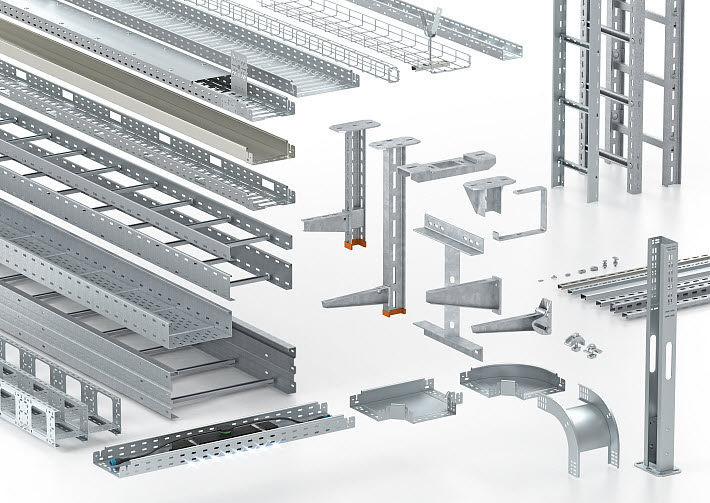
Cable Systems
Paneltech Systems offers comprehensive cable management systems for efficient, secure and organised cable setups across industrial and commercial environments.
View Product
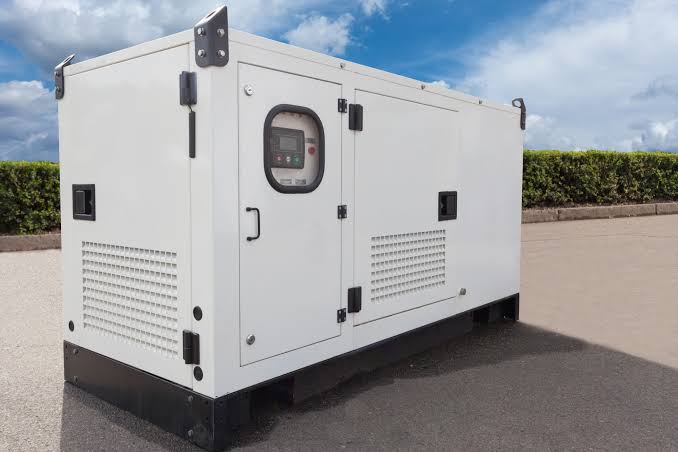
ATS / MTS Kenya
ATS/MTS solutions from Paneltech Systems provide reliable Automatic and Manual Transfer Switches for seamless power transfer in industrial and commercial electrical systems.
View Product
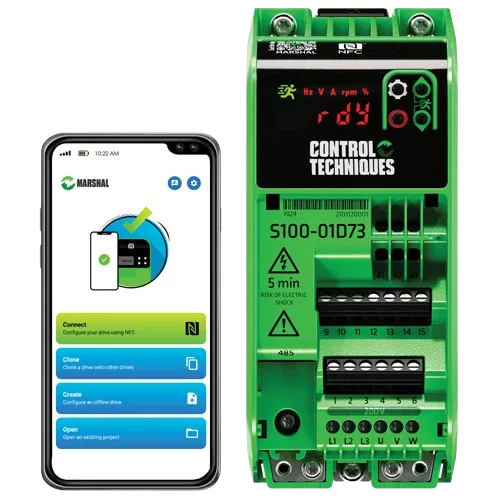
Commander C
Commander C VFD Drives from Paneltech Systems provide advanced motor control for industrial and commercial applications. Enhance efficiency and reliability.
View Product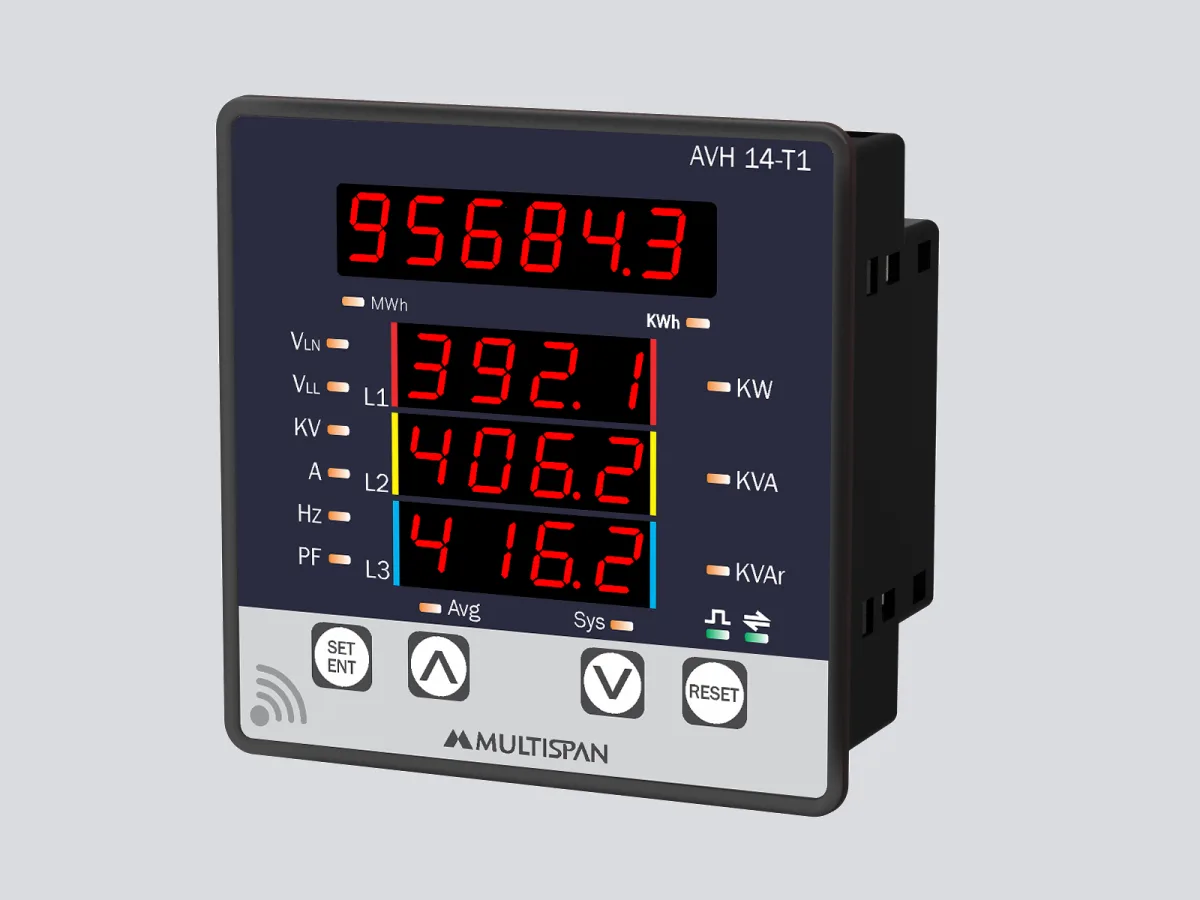
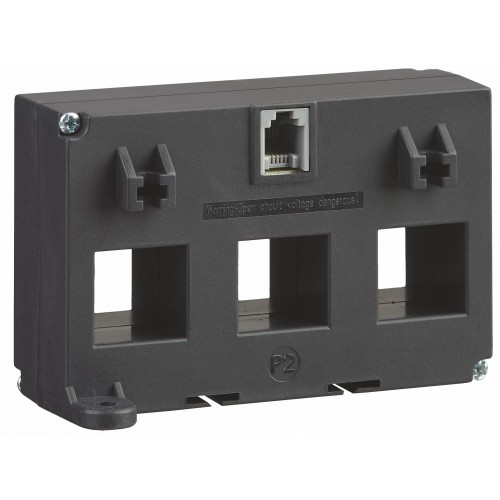
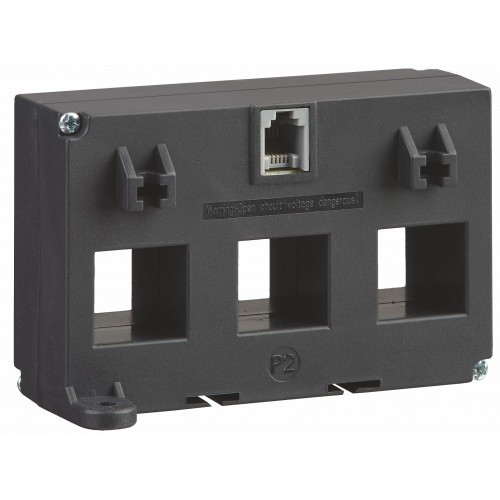
Multispan Smart Components
Multispan smart meters, relays and measurement instruments for intelligent power monitoring in industrial environments.
View ProductIn Kenya’s industrial hubs such as Nairobi and Mombasa, automation is now a key driver of growth in food processing, packaging, textiles, and assembly industries.
What Is Industrial Automation in Manufacturing?
Industrial automation East Africa refers to the use of control systems such as PLCs, sensors, drives, and smart electrical panels to operate industrial processes with minimal human intervention.
Key components include:
- Programmable Logic Controllers (PLCs)
- Variable Frequency Drives (VFDs)
- Sensors and instrumentation systems
- Smart electrical control panels
These systems work together to monitor, control, and optimize production processes in real time, reducing manual errors and improving efficiency.
Explore related automation infrastructure:
https://paneltechsystems.co.ke/products/
https://paneltechsystems.co.ke/products/vfd-drives/
Role of Smart Electrical Panels in Modern Manufacturing
Smart electrical panels are central to industrial automation East Africa because they integrate control, protection, and monitoring functions into a single system.
Smart electrical panels enable:
- Real-time load monitoring
- Automated fault detection
- Remote system control
- Energy optimization across production lines
Unlike traditional panels, smart panels can communicate with industrial systems, enabling predictive maintenance and improved operational decision-making.
This shift is particularly important in East Africa where manufacturing uptime directly affects production costs and competitiveness.
Why Industrial Automation East Africa Is Growing Rapidly
Industrial automation East Africa is expanding due to several economic and technological drivers shaping the region’s manufacturing sector.
Key growth factors include:
- Rising energy costs and demand for efficiency
- Expansion of manufacturing under industrial policies
- Increased foreign direct investment in production facilities
- Need for consistent product quality in export markets
Kenya, in particular, is positioning itself as a regional manufacturing hub, with automation playing a critical role in improving production reliability and reducing operational waste.
Integration of Automation with Electrical Infrastructure
Successful industrial automation East Africa depends heavily on properly designed electrical infrastructure, including LV panels, VFD systems, and control cabinets.
Core integration elements include:
- Motor control systems using VFD drives
- Automated switching using PLC-controlled panels
- Energy monitoring through smart metering systems
- Protection systems compliant with IEC standards
Without robust electrical infrastructure, automation systems cannot operate reliably in industrial environments with fluctuating grid conditions.
Explore supporting systems:
https://paneltechsystems.co.ke/products/low-voltage-panels/
https://paneltechsystems.co.ke/#apfc-112
Smart Electrical Panels vs Traditional Control Panels
Smart electrical panels are replacing traditional control panels across industrial automation East Africa projects due to their advanced monitoring and control capabilities.
Key differences:
Smart panels:
- Remote monitoring and diagnostics
- Integrated communication systems (IoT-ready)
- Predictive maintenance capabilities
- Energy optimization features
Traditional panels:
- Manual operation only
- Limited monitoring capability
- Reactive maintenance approach
- Lower system visibility
This shift is essential for industries aiming to reduce downtime and improve operational intelligence.
Energy Efficiency in Automated Manufacturing Systems
Energy efficiency is a major advantage of industrial automation East Africa systems, especially when combined with smart electrical panels and VFD technology.
Benefits include:
- Reduced motor energy consumption
- Optimized load distribution
- Lower peak demand charges
- Improved power factor management
In Kenyan industries, where electricity costs can significantly impact production margins, automation-driven efficiency is becoming a strategic necessity.
Environmental and Operational Challenges in East Africa
Industrial automation East Africa must be designed to handle unique regional challenges affecting manufacturing systems.
These include:
- Voltage fluctuations from national grids
- High ambient temperatures in industrial zones
- Dust and humidity in production environments
- Limited infrastructure in emerging industrial parks
Smart electrical panels help mitigate these challenges through:
- Real-time voltage regulation
- Fault isolation systems
- Environmental protection enclosures (IP-rated cabinets)
System Specifications Table
| Parameter | Smart Electrical Panels | Traditional Panels |
|---|---|---|
| Control Type | Automated / PLC-based | Manual |
| Monitoring | Real-time digital | None |
| Maintenance | Predictive | Reactive |
| Energy Efficiency | High | Low to moderate |
| Integration | IoT / SCADA ready | Limited |
| Fault Detection | Automated alerts | Manual inspection |
Compliance with Industrial Standards
Industrial automation East Africa systems must comply with international and regional electrical standards to ensure safety and reliability.
Key standards include:
- IEC 61439 (Switchgear assemblies)
- IEC 61131 (PLC programming systems)
- EPRA electrical installation guidelines (Kenya)
- BS EN safety compliance standards
Compliance ensures safe deployment in industrial environments and supports long-term system reliability.
Future Trends in Industrial Automation East Africa
The future of industrial automation East Africa is being shaped by digital transformation and smart energy integration.
Emerging trends include:
- Expansion of Industrial IoT (IIoT) systems
- AI-driven predictive maintenance
- Integration of renewable energy systems
- Fully automated production lines
- Cloud-based industrial monitoring platforms
Manufacturers adopting these technologies early are expected to gain significant competitive advantages in regional and export markets.
Why Smart Electrical Panels Are the Foundation of Automation
Smart electrical panels form the backbone of industrial automation East Africa because they connect mechanical systems with digital intelligence.
They enable:
- Centralized system control
- Data-driven decision-making
- Enhanced production visibility
- Improved system reliability
Without smart panel infrastructure, advanced automation systems cannot function effectively in modern manufacturing environments.
Conclusion: The Future of Manufacturing in East Africa
Industrial automation East Africa is no longer optional—it is becoming a requirement for competitive manufacturing. Smart electrical panels, integrated control systems, and energy-efficient infrastructure are reshaping how factories operate across the region.
Manufacturers that invest in automation today will be better positioned for scalability, efficiency, and global competitiveness in the coming decade.
Call to Action (MANDATORY)
Contact Paneltech Systems Ltd
Powering Kenya's Future with Reliable Electrical Solutions
Email: [email protected]
Phone: 0799 531765
Location: Nairobi, Kenya
Website: https://paneltechsystems.co.ke/
Our Specialized Services:
Low Voltage (LV) Panels & APFC Panels
VFD Drive Solutions & ATS / MTS Systems
Solar Power & EV Charging Infrastructure
Electrical Supplies & Engineering Consultations