Powering Kenya's Water Infrastructure: Solutions for Water Treatment Plants
Water treatment plants rely on MCCs and VFDs to control pumps, improve energy efficiency, and ensure continuous operation. Proper electrical design ensures reliable water supply and system protection.

Introduction
Water plant electrical solutions are among the most critical infrastructure systems in Kenya. They ensure communities, industries, and cities have access to clean and safe water. However, the reliability of these plants depends heavily on stable and well-designed electrical systems.
Without proper electrical control, pumps may fail, systems may overload, and water supply can be disrupted. This is why engineered solutions such as Motor Control Centers (MCCs) and Variable Frequency Drives (VFDs) are essential.
Related Products

Commander C
Commander C VFD Drives from Paneltech Systems provide advanced motor control for industrial and commercial applications. Enhance efficiency and reliability.
View Product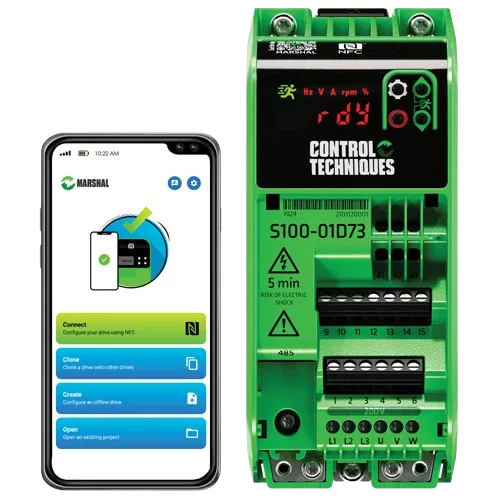
Commander S
Commander S VFD Drives offer energy-efficient motor control for industrial applications. Improve performance and optimise energy usage with reliable Commander S drives.
View Product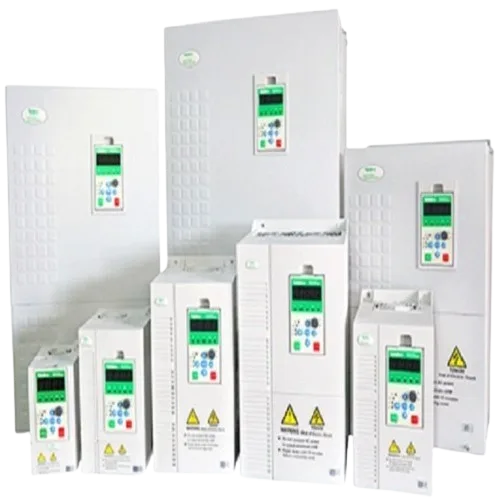
NE-200 Drives
NE-200 Drives offer reliable and efficient performance for industrial applications. Optimise motor speed and energy efficiency with the NE-200 series.
View Product
Motor Control
Reliable motor control panels for industrial and commercial use, providing customised solutions for safe and efficient motor operation.
View ProductYou can explore related industrial solutions on the Panel Tech Systems products page or learn more about engineering capabilities on the About page.
Why Electrical Systems are Critical in Water Treatment Plants
Water treatment plants rely on continuous pumping, filtration, and distribution processes.
A stable electrical system ensures uninterrupted water flow and protects expensive pumping equipment.
Any failure in power distribution can directly affect water availability and public health.
Key electrical requirements include:
- Continuous pump operation
- Load balancing across systems
- Protection from overload and faults
- Energy-efficient motor control
Role of MCCs in Water Treatment Plants
A Motor Control Center (MCC) is a centralized system used to control multiple electric motors in a facility.
In water treatment plants, MCCs manage:
- Raw water intake pumps
- Filtration system motors
- Chemical dosing systems
- Distribution pumps
MCCs provide:
- Centralized motor control
- Protection against overload and faults
- Simplified maintenance and troubleshooting
- Organized power distribution
You can learn more about integrated control systems through low voltage panel solutions.
Role of VFDs in Water Treatment Systems
VFDs (Variable Frequency Drives) are used to control the speed of water pumps based on demand.
Instead of running pumps at full speed continuously, VFDs adjust motor speed according to water flow requirements.
This results in:
- Lower energy consumption
- Reduced mechanical stress on pumps
- Improved system efficiency
- Stable water pressure control
In water treatment applications, this is critical for maintaining consistent output while minimizing operational costs.
How MCCs and VFDs Work Together
MCCs provide centralized control, while VFDs provide intelligent motor speed regulation.
Together, they ensure reliable, efficient, and automated operation of water treatment systems.
System Interaction
- MCC distributes power to pump motors
- VFD controls motor speed based on demand
- Sensors monitor water levels and pressure
- System adjusts automatically for efficiency
This combination ensures both stability and energy optimization.
Real-World Application in Kenya
In a municipal water treatment plant, multiple pumps are used to move water through filtration and distribution stages.
With MCC + VFD integration:
- Pumps run only when needed
- Motor speed adjusts based on water demand
- Energy consumption is significantly reduced
- System downtime is minimized
This ensures consistent water supply to surrounding communities while reducing operational costs.
For professional system design and installation, visit our contact page.
System Specifications Table
| Parameter | Specification |
|---|---|
| System Type | MCC + VFD Integrated Control |
| Voltage Level | 415V AC |
| Frequency | 50 Hz |
| Application | Water treatment pumps |
| Control Method | Manual + Automated |
| Protection | Overload, Short circuit, Dry run protection |
| Standards Compliance | IEC 61439 |
Benefits of Proper Electrical Design in Water Plants
Well-designed electrical systems improve both reliability and efficiency in water treatment operations.
They ensure continuous water supply while minimizing energy waste and equipment failure.
Key Benefits
- Continuous water supply reliability
- Reduced energy consumption
- Extended pump lifespan
- Improved operational control
- Lower maintenance costs
Integration with Industrial Systems
Water treatment electrical systems integrate with:
- SCADA automation systems
- Low voltage distribution panels
- Energy monitoring systems
- Protection relays and sensors
This creates a fully automated and efficient infrastructure system.
Learn more about integrated solutions on the Panel Tech Systems homepage.
Conclusion
Reliable electrical infrastructure is essential for efficient water treatment operations in Kenya. MCCs and VFDs work together to ensure pumps operate safely, efficiently, and only when needed.
For water utilities and industrial facilities, investing in properly designed electrical systems is key to delivering consistent and cost-effective water services.
Call to Action
Contact Panel Tech Systems Ltd
Powering Kenya's Future with Reliable Electrical Solutions
Email: [email protected]
Phone: 0799 531765
Location: Nairobi, Kenya
Website: https://paneltechsystems.co.ke/
Our Specialized Services:
Low Voltage (LV) Panels & APFC Panels
VFD Drive Solutions & ATS / MTS Systems
Solar Power & EV Charging Infrastructure
Electrical Supplies & Engineering Consultations